Heineken 'Crack The Case'
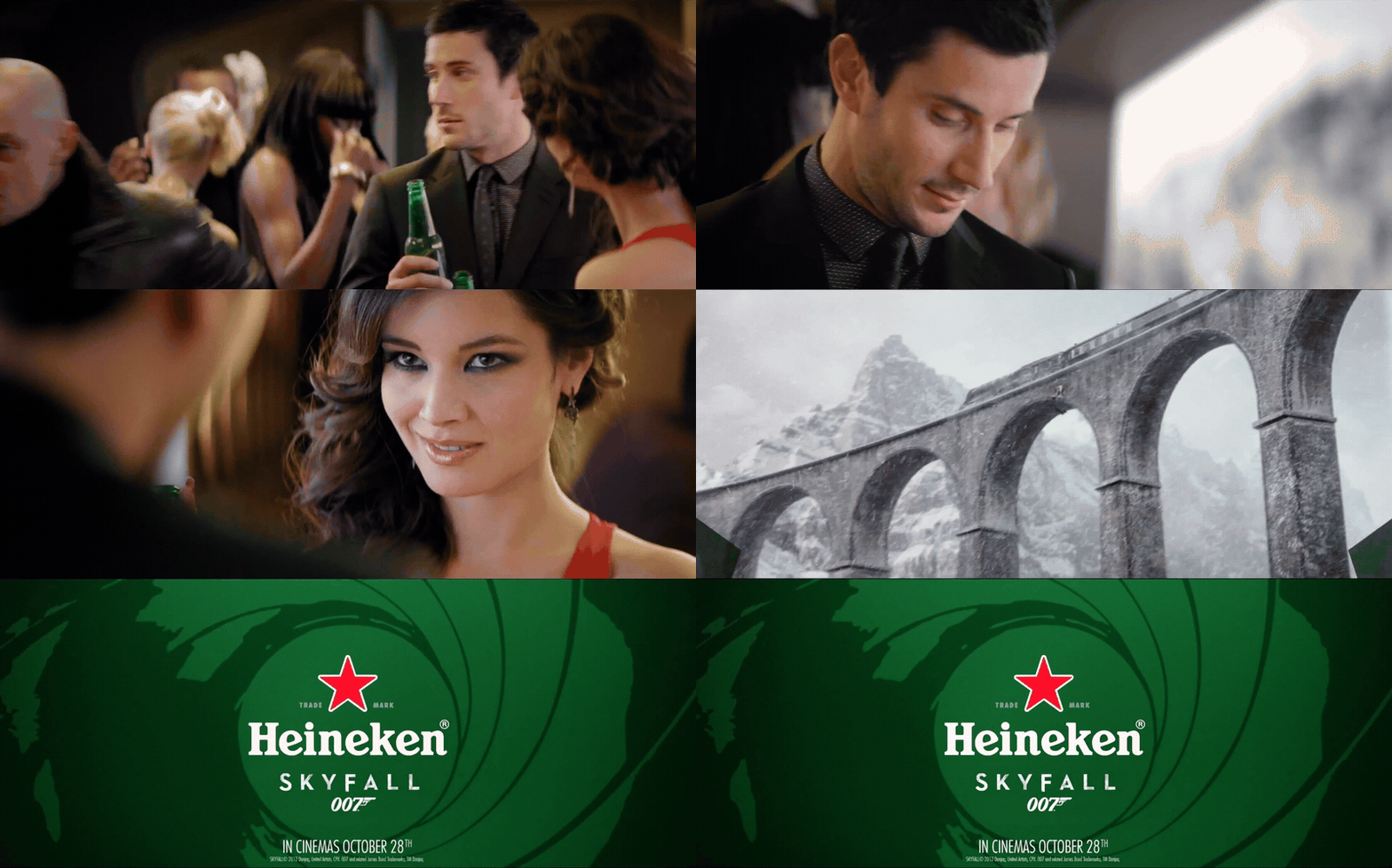
I had the opportunity to work on this new installation of Heineken for the renowned director Matthijs van Heijningen with none other than Daniel Craig, pretty crazy stuff.
I had the opportunity to work on this new installation of Heineken for the renowned director Matthijs van Heijningen with none other than Daniel Craig, pretty crazy stuff.
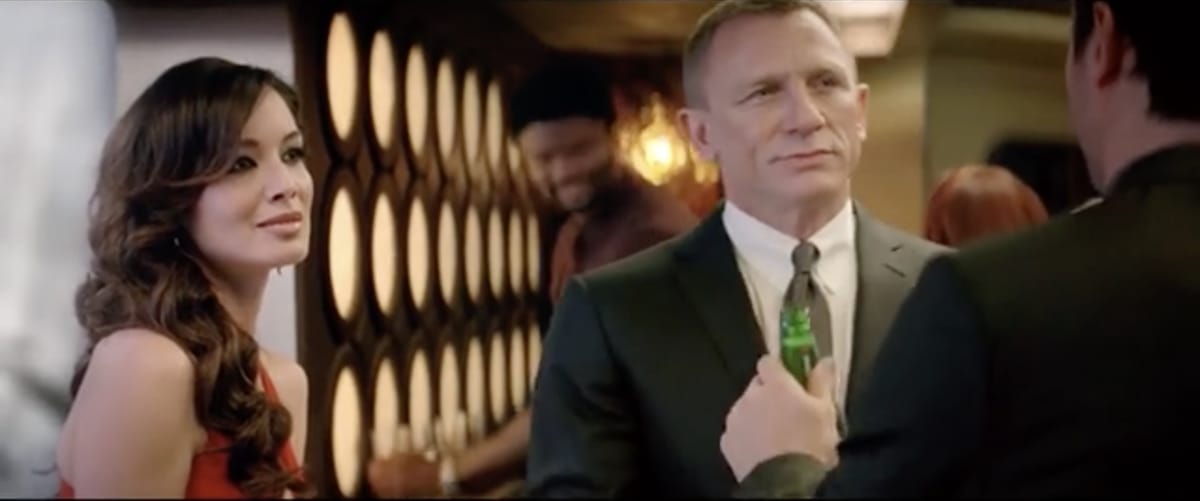
Director: Matthijs van Heijningen
Agency: Wieden & Kennedy Amsterdam
Production: MJZ
Client: Heineken
The job itself was meant to have quite a bit of CG, as I was aiming to use as much as we could from live action, but turns out the weather was not our friend this time, and a difficult, big job became an extremely complex one in which we had to leverage the very latest tools available.
During the planning stage, we were discussing all sorts of options and researching how we could shoot in the middle of the Alps in winter, something not as trivial as one may think, of course. Given that at these altitudes everything becomes more difficult; access, weather conditions and getting the right shot, made me thing we should advance our approach by using Sketchup and with the help of Google Maps I recreated a couple of valley setups trying to find out possible angles and routes plus the right camera shots and the outcome of all this work is that only one possible place could give us what we needed, that was the Landwasser Viadukt in Switzerland.
From this virtual recce I could asses of a particular shot was possible or not, if we needed a helicopter or not, routes and also if we could take a crew or it was a one-man expedition photograph.
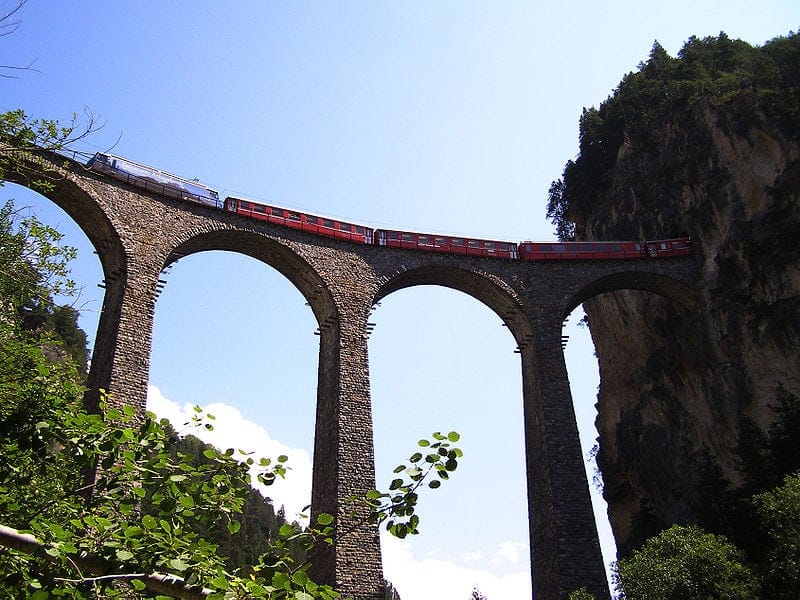
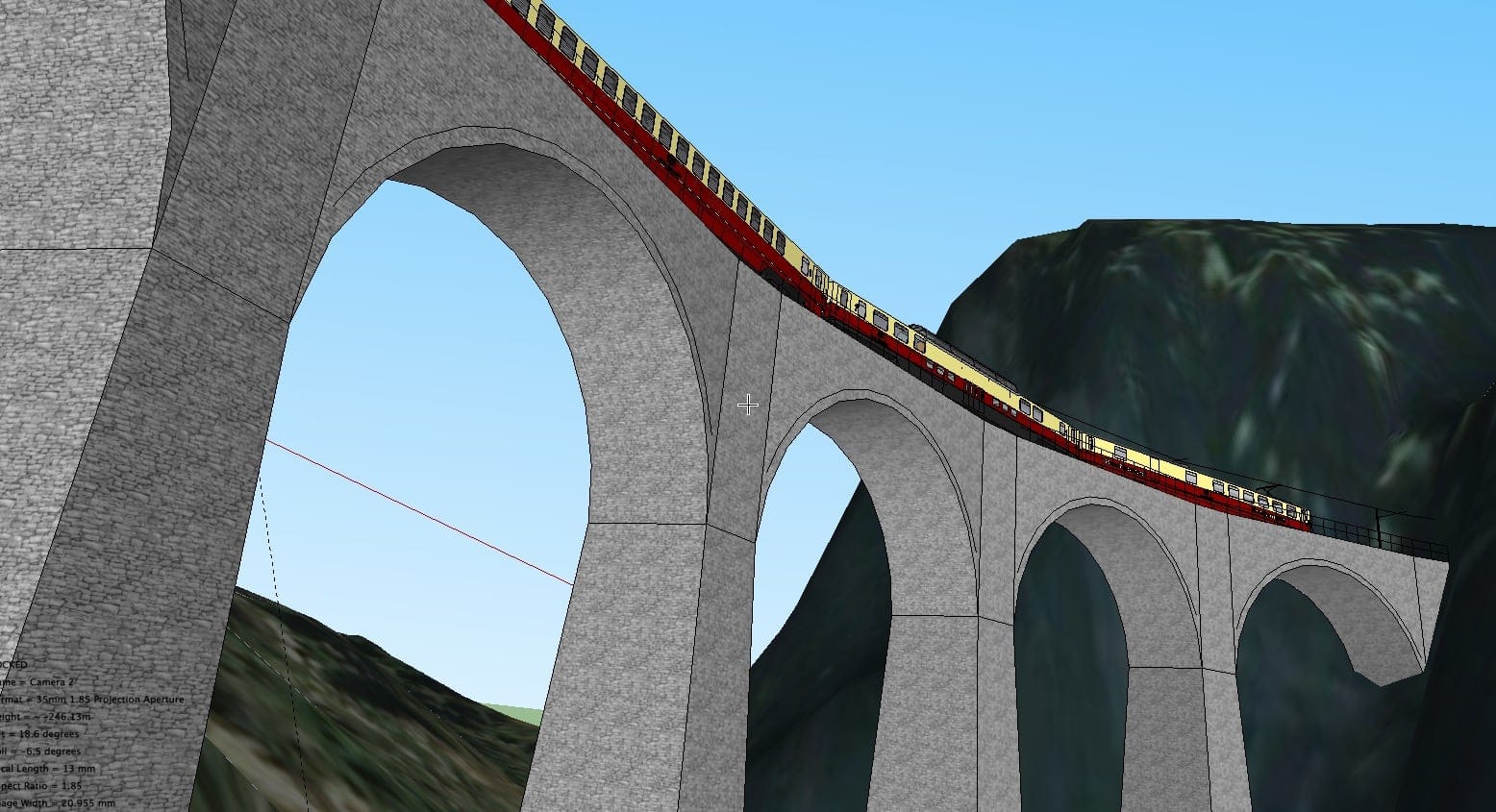
In parallel, I decided to spend a bit of time trying to put together a virtual set so the director could do a virtual review, potentially we could study better the options with the director, something that also could be put in an edit before we go to the shoot and understand the geography.
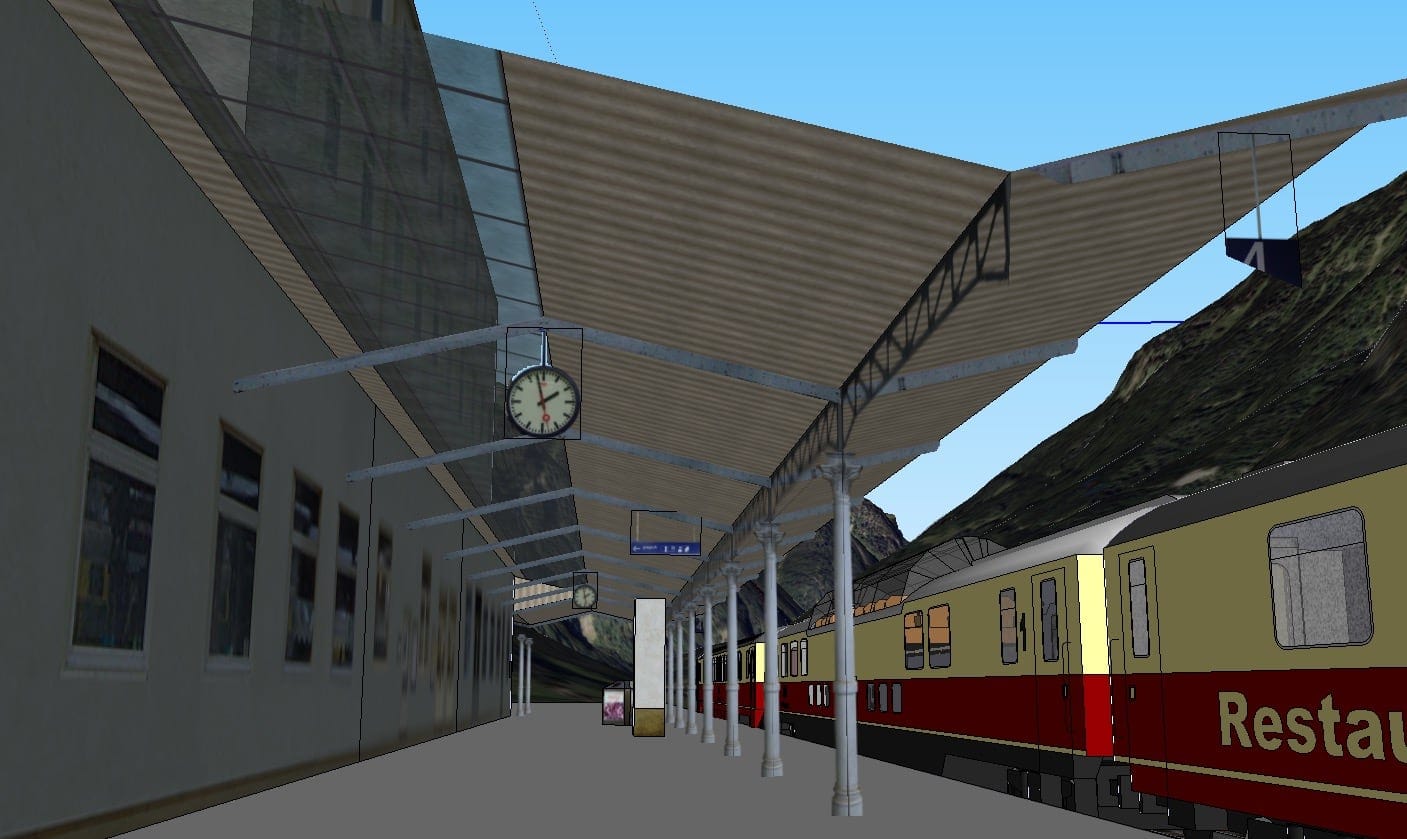
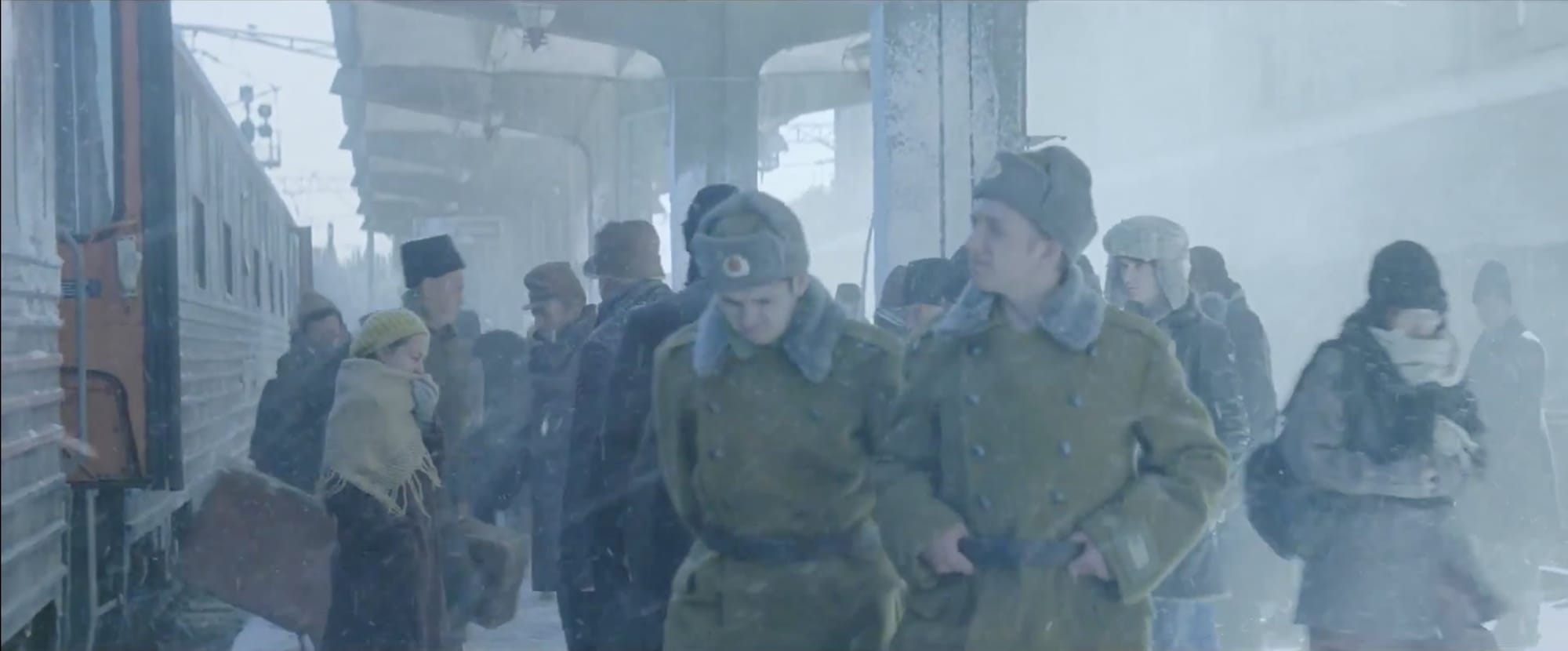
During the course of the commercial, it was clear that the idea of being in the middle of Siberia was more appropriate, so we got rid of the mountain range and centred the story around the journey from Siberia to the Carpathians/Alps.
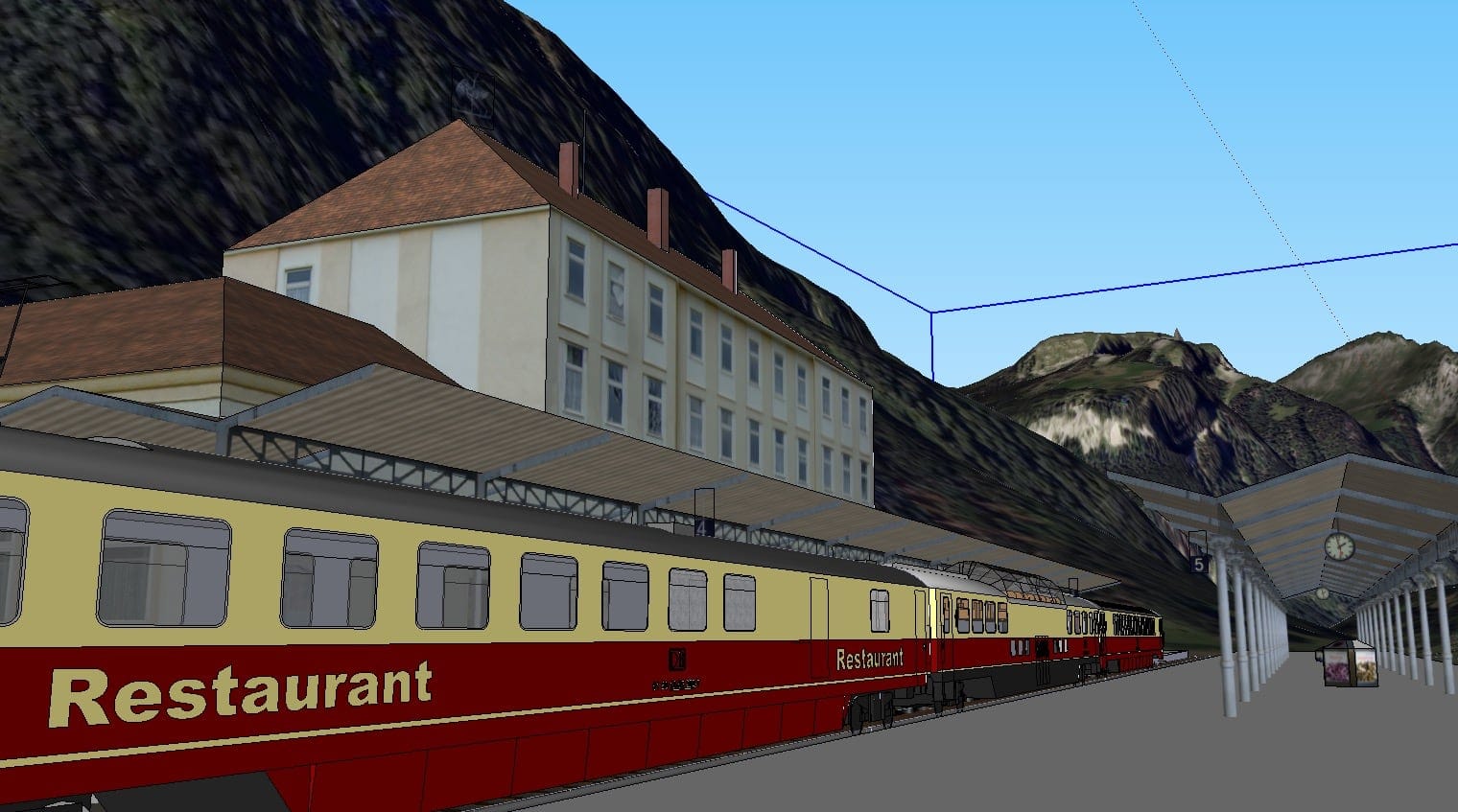
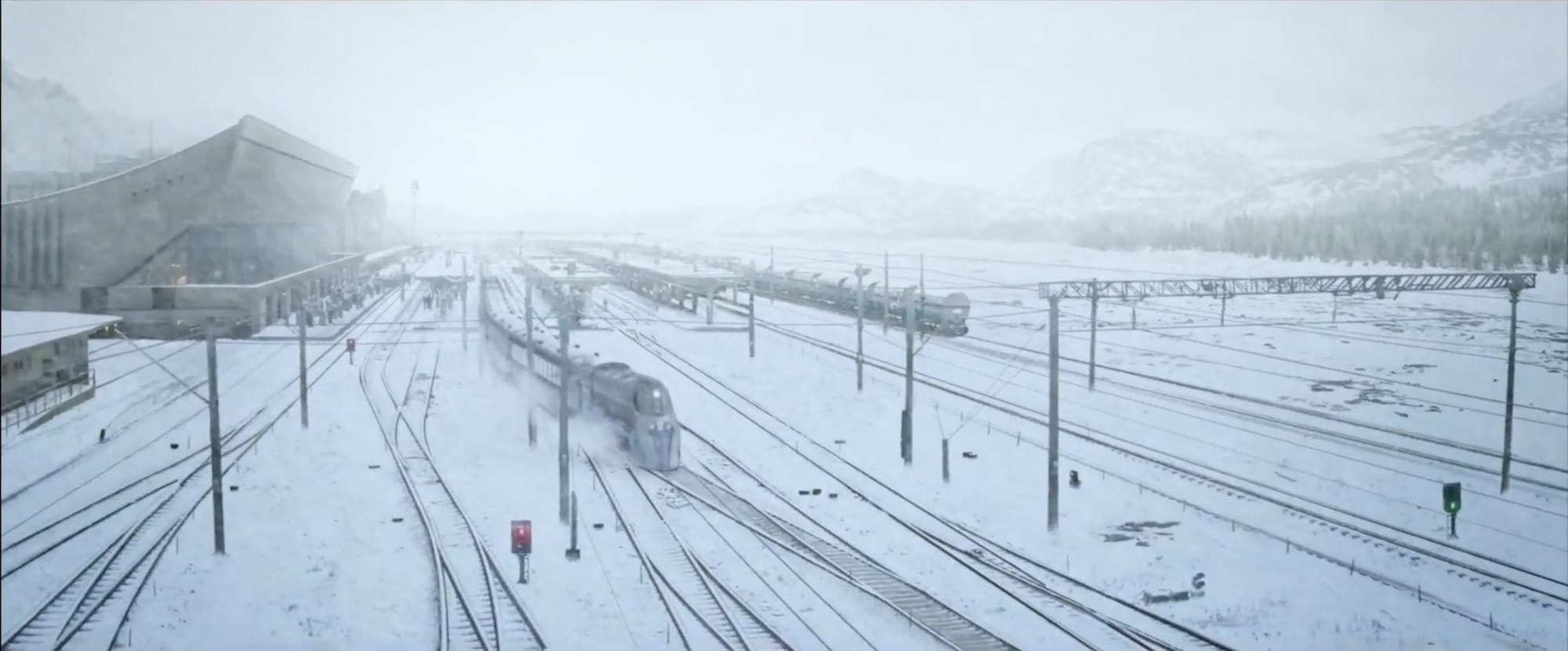
After analysing further the situation that we could not really shoot in those conditions, with the right amount of control whilst the spring was moving closer and closer, I realised we could end up not even getting the shot.
We started doing some more research using procedural terrain generation with Vue D’Esprit and concluded we could actually generate a fully 3D backdrop, provided we get all the close-up stuff right, which was a pretty much controlled environment, so we ended up adding one more day to the schedule in Romania so we could get the train shots, this way we could extend the environment.
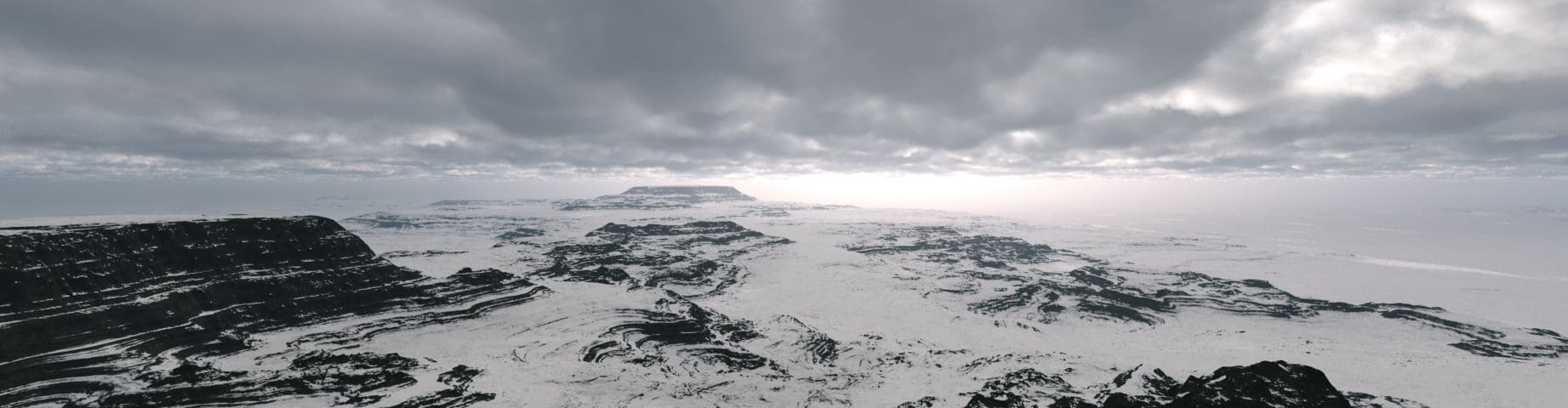
Therefore, we could get to shoot the train in the middle of the snow in Romania to see outside the windows, plus station shots to get the shots for the high pass.
Needless to say, the weather was ready to strike again, and suddenly, all the snow in Romania melted, rendering ALL OUR SHOTS without the right background.
Plan B kicked in, so I ramped up our efforts to generate full CG environments, and the results were so good that we were confident to offer it to the director and creatives, who were happy to use it.
During this time and in parallel, we were pre-visualising timings, actions, interior of the space of the train, cameras, background rendering, farm setup and whatnot, as the job that was meant to be a little CG now has become a full little beast.
Interestingly enough, Vue D’Esprit solves a lot of issues but also brings its own, and it was clear it is not a tool to fit in a pipeline, so we had to tinker with it to get it to work with the ecosystem of tools used and make sure everything was correct. A very strict procedure was put in place to validate camera angles, scale, origin, timeline, etc…
During the previsualization time I spent quite a bit of time to test if the action that was on the storyboard could be actually crammed in the space of a normal carriage and we found out if we could get 50 cm more we could have a much better framing so many of these parameters were fed to the art department so when they build the actual sets things felt right.
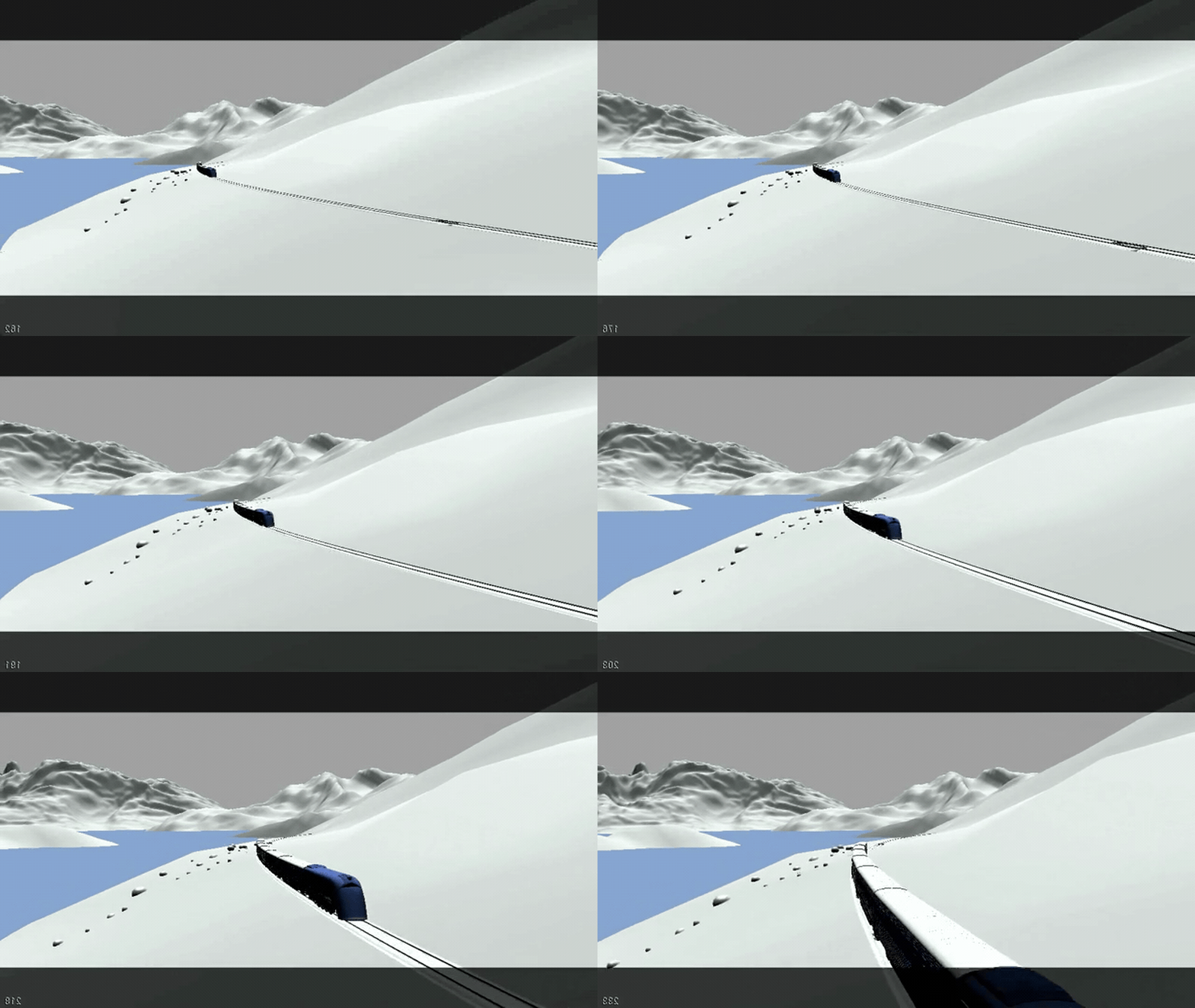
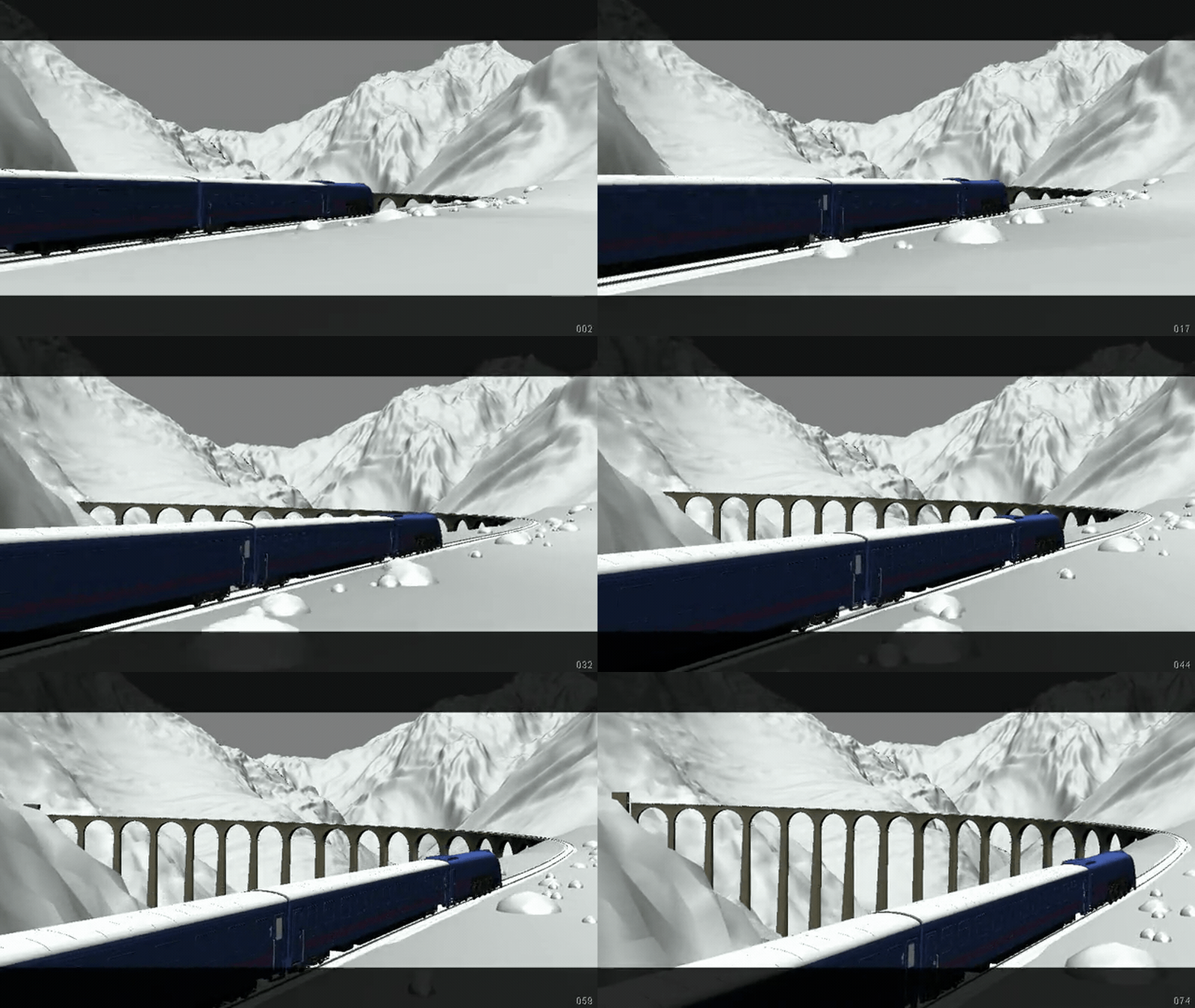
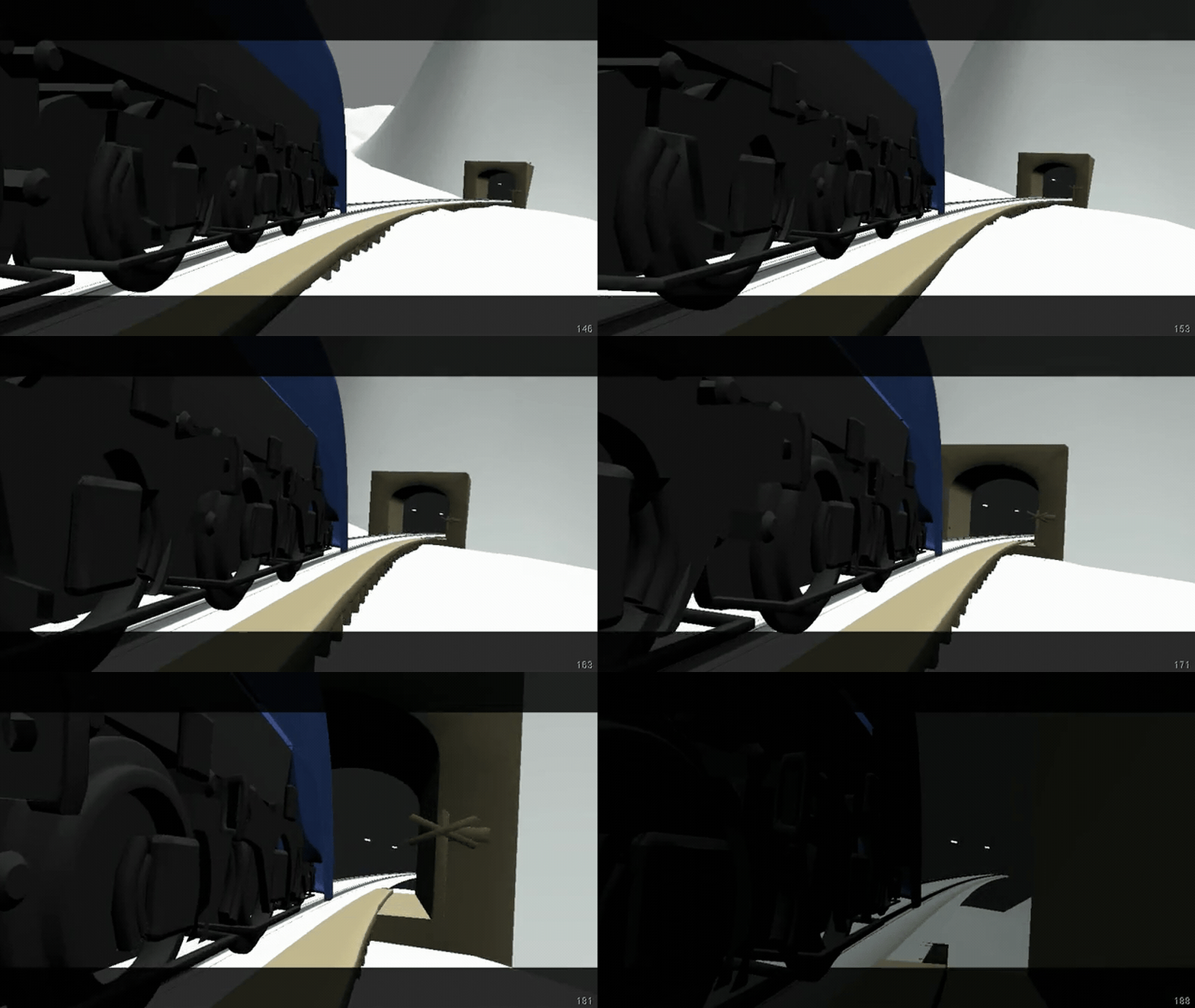
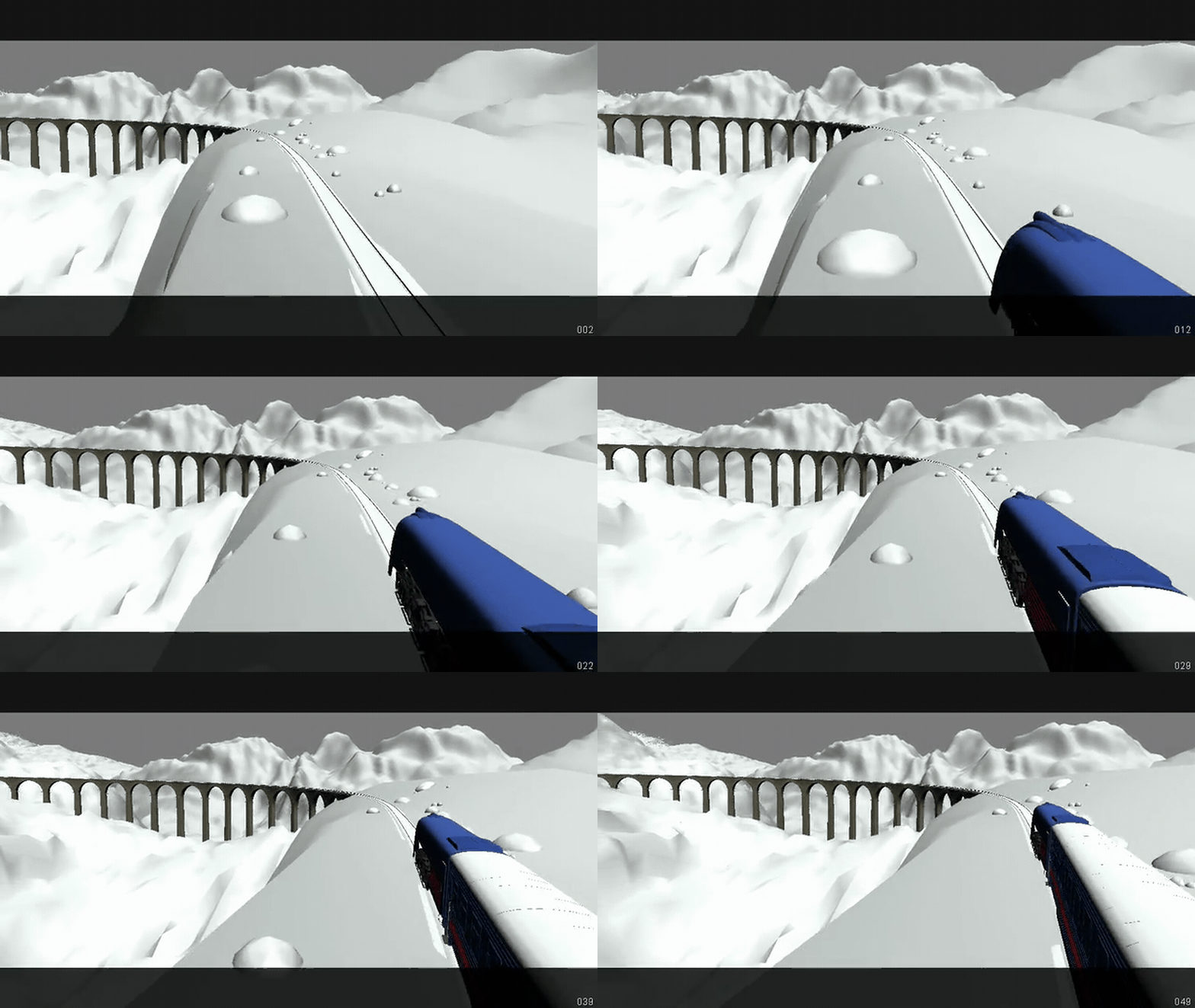
Other shots were purely CG, so we had to explore many avenues until the shot fit in the edit, at first it was a basic blocking with a low-resolution train, but as the edit was later locked, we started to bring to the table alternatives for the director.
For example, this shot was reviewed many times to give the right scale and rhythm in the edit. After many ideas, the one that settled was to use the train to hide the scale of the gorge and although it made the shot way more complicated, the truth is that it was the right approach. Have a look at a few of these animations.
Also, we were doing some layout and setup for the house of cards layout, so we could see how the Basilica could be depicted with so few cards that could fit inside the carriage and look like it could be done, rather than a joke.
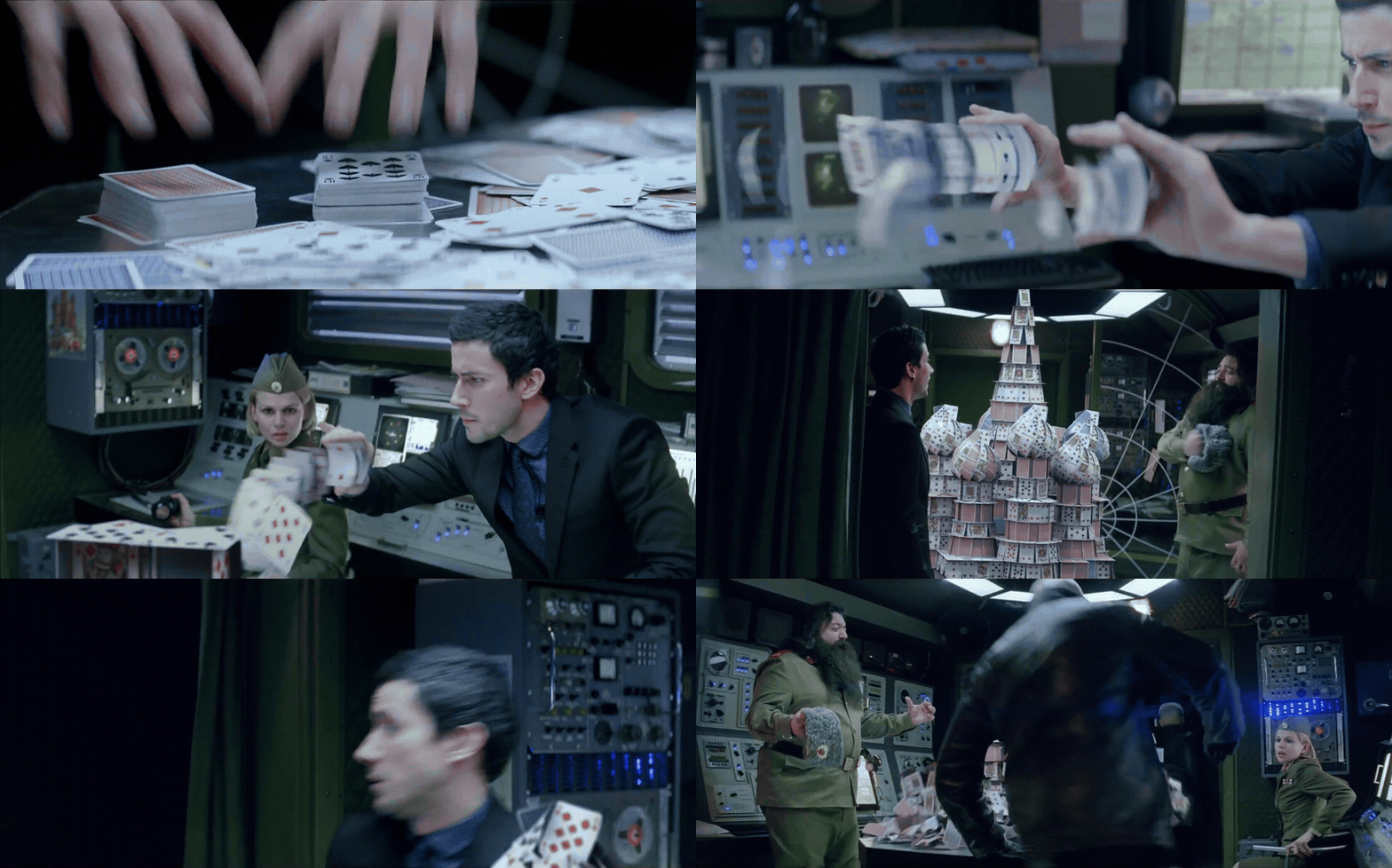
For this, a combination of SketchUp outlining, Softimage setup with the director side by side (something I love to do, so we can explore things really quickly) and discussing it with the art department proved perfect as we did get a really fast commitment from them to build a reference object we could replicate and simulate.
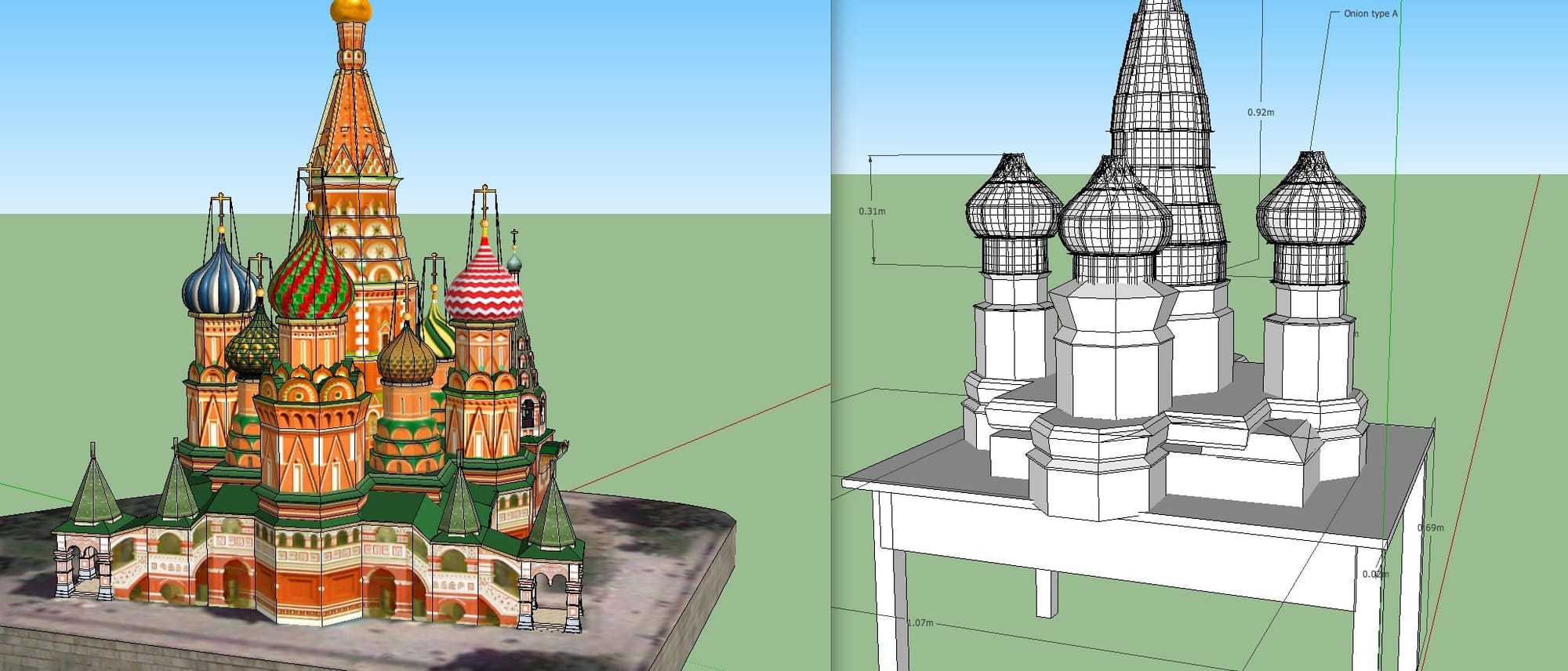
The first ideas to generate a volume of cards procedurally based on the outline of the actual model were totally wrong as it was not readable, lacked structure and you could barely recognize the model so we ended up building it by hand and trying to suggest the key features, this was based on a suggested size which would fit inside the carriage and from there we simulated some camera angles.
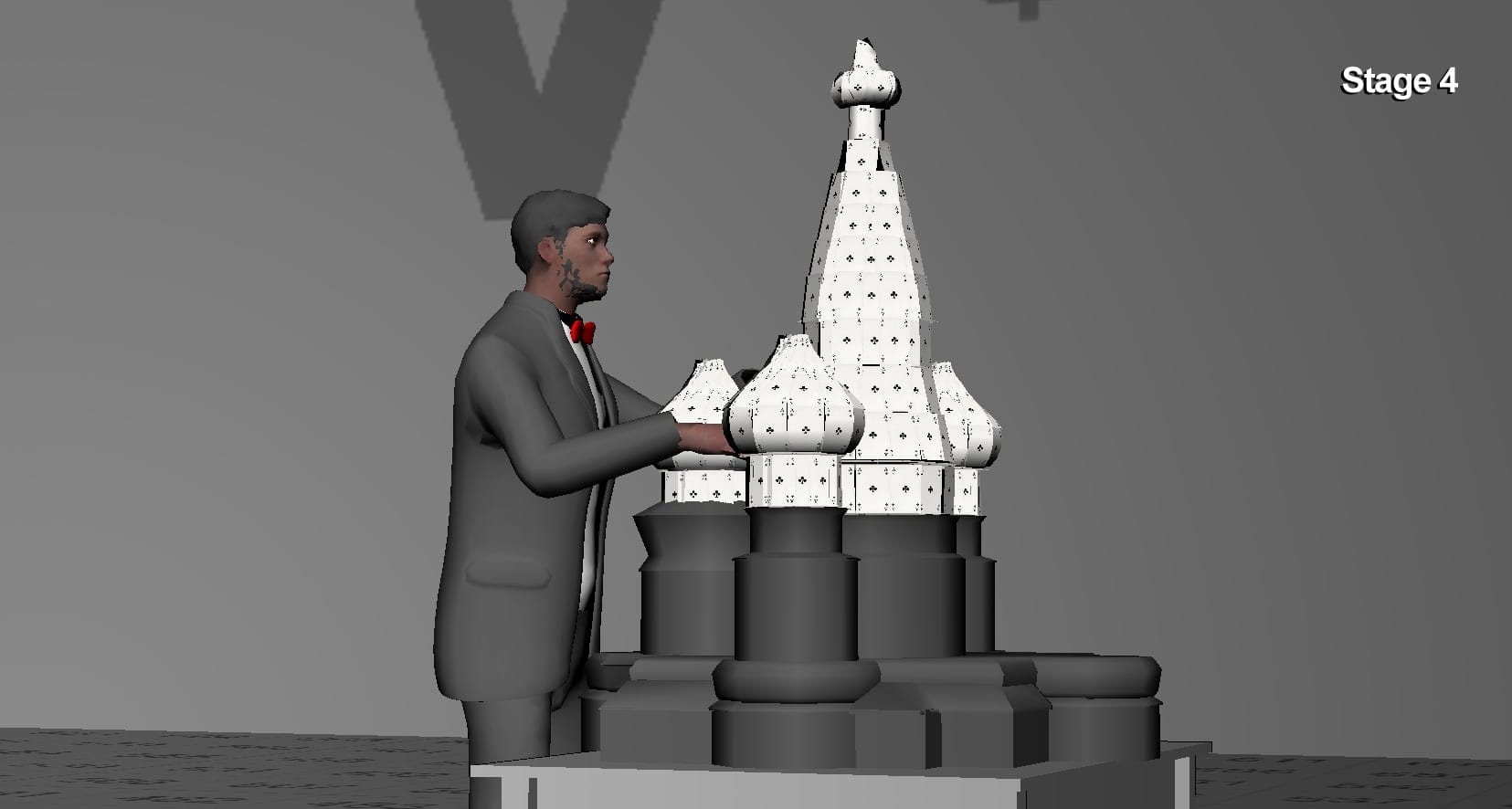
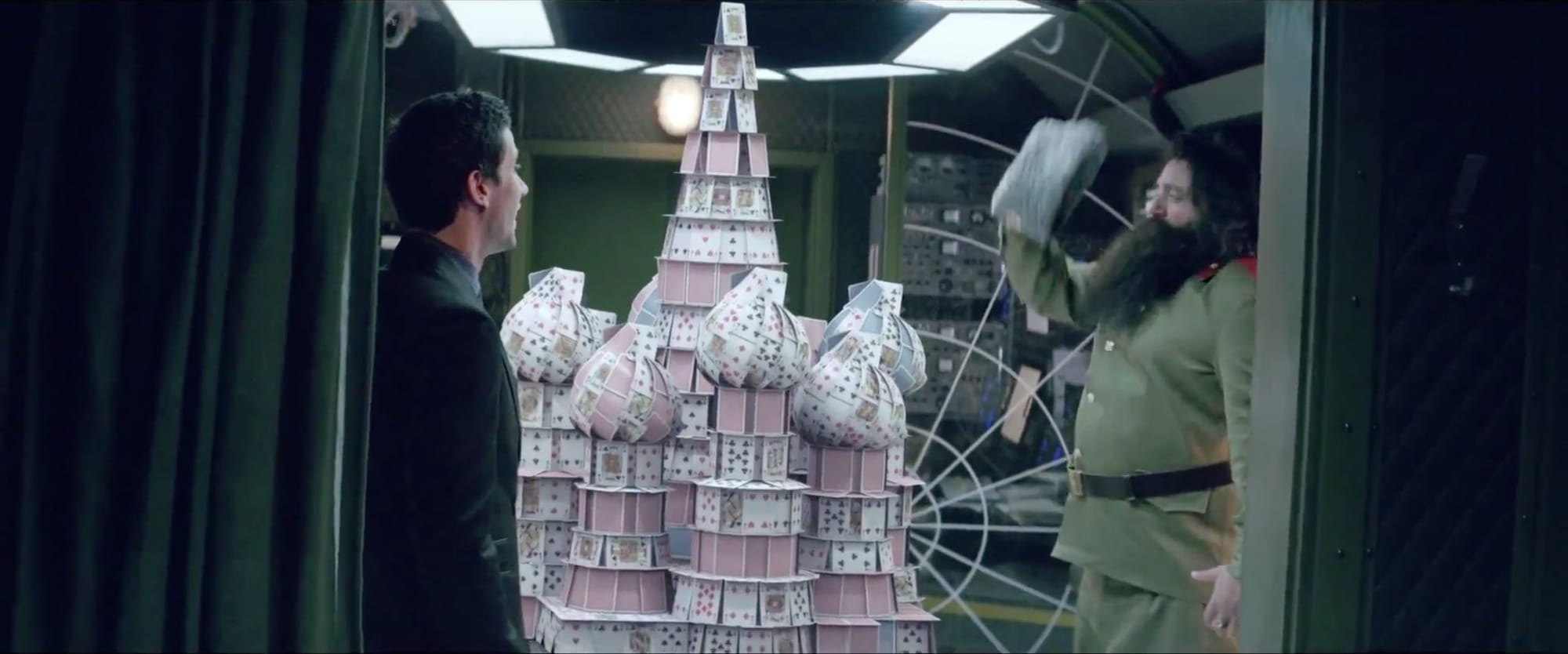
After the layout was approved, we were discussing how to do the simulation and being very open, we did the same test in Maya, Softimage and Houdini. As I anticipated many creative changes during the simulation stage and the layout depending on the actor’s performance, I went with Houdini, so we built a texturing uber-control and layout system, so changes were trivial.
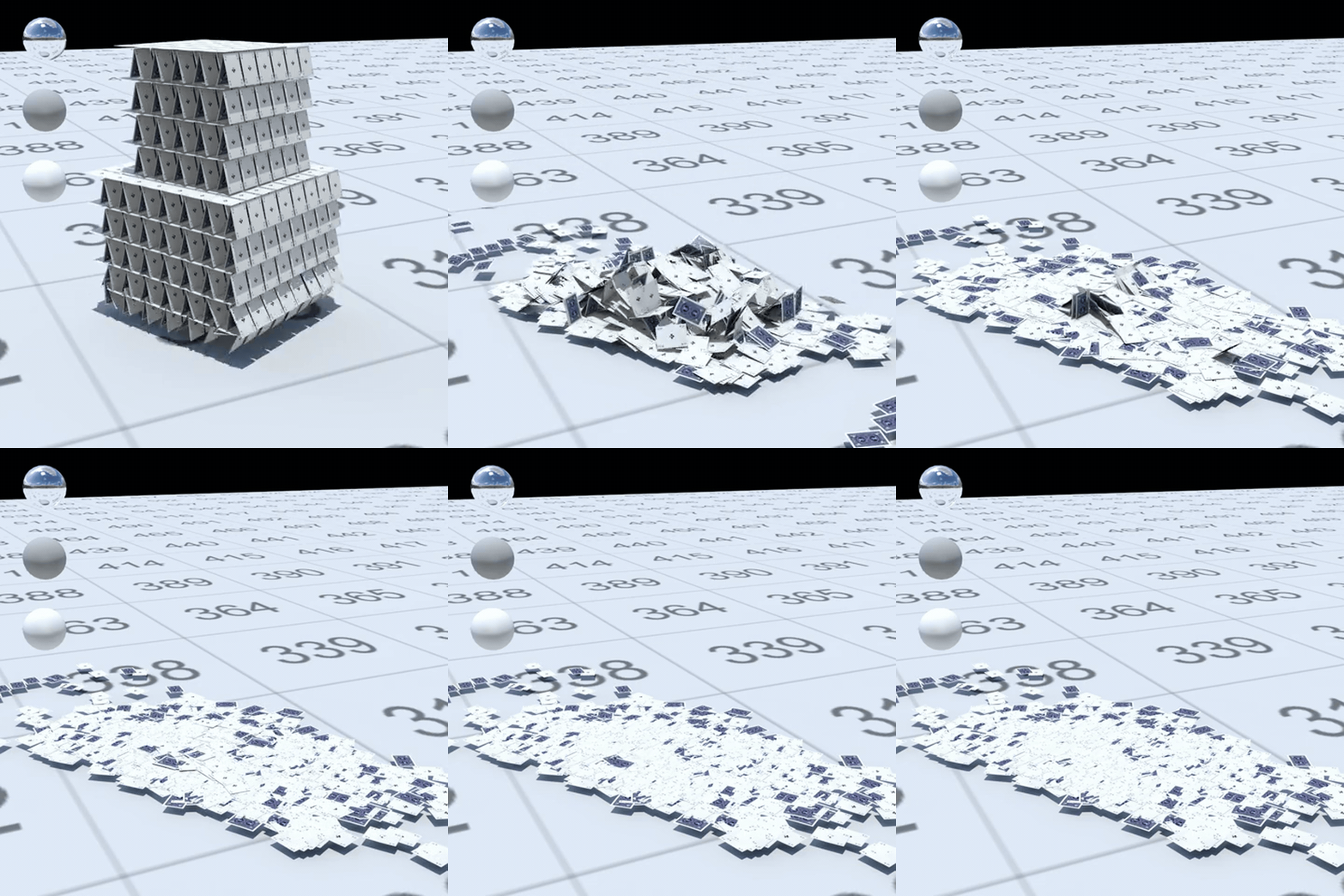
Also, given that the simulation was so stable in Houdini proved great, and from day one on the simulation, we could see the reactions from everybody. This is going to be great.
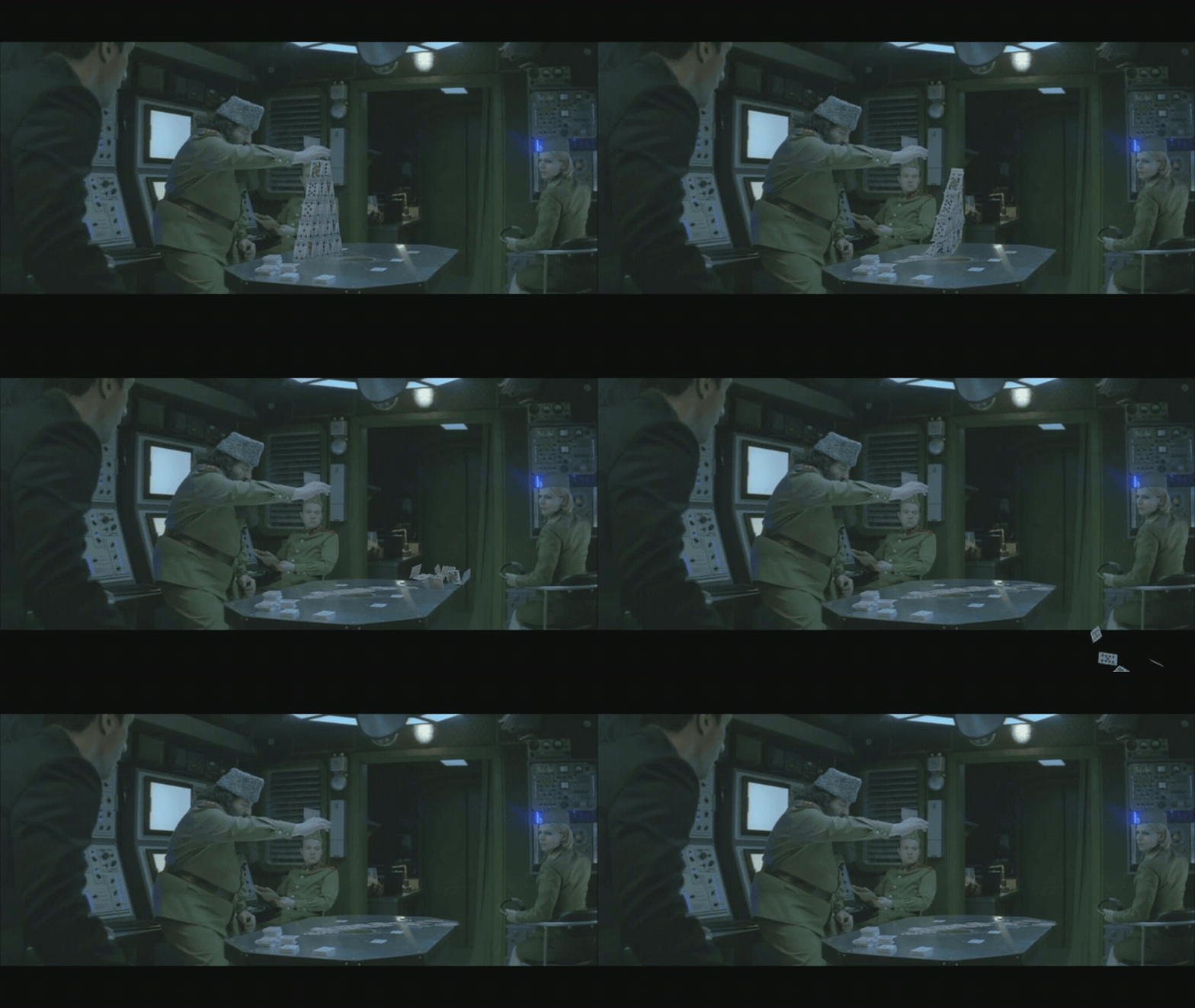
For the shoot, we built a full-size version simplified so we could photograph something and make sure the acting was correct, also provided a fantastic light reference and our work was much easier and better using this simple trick.
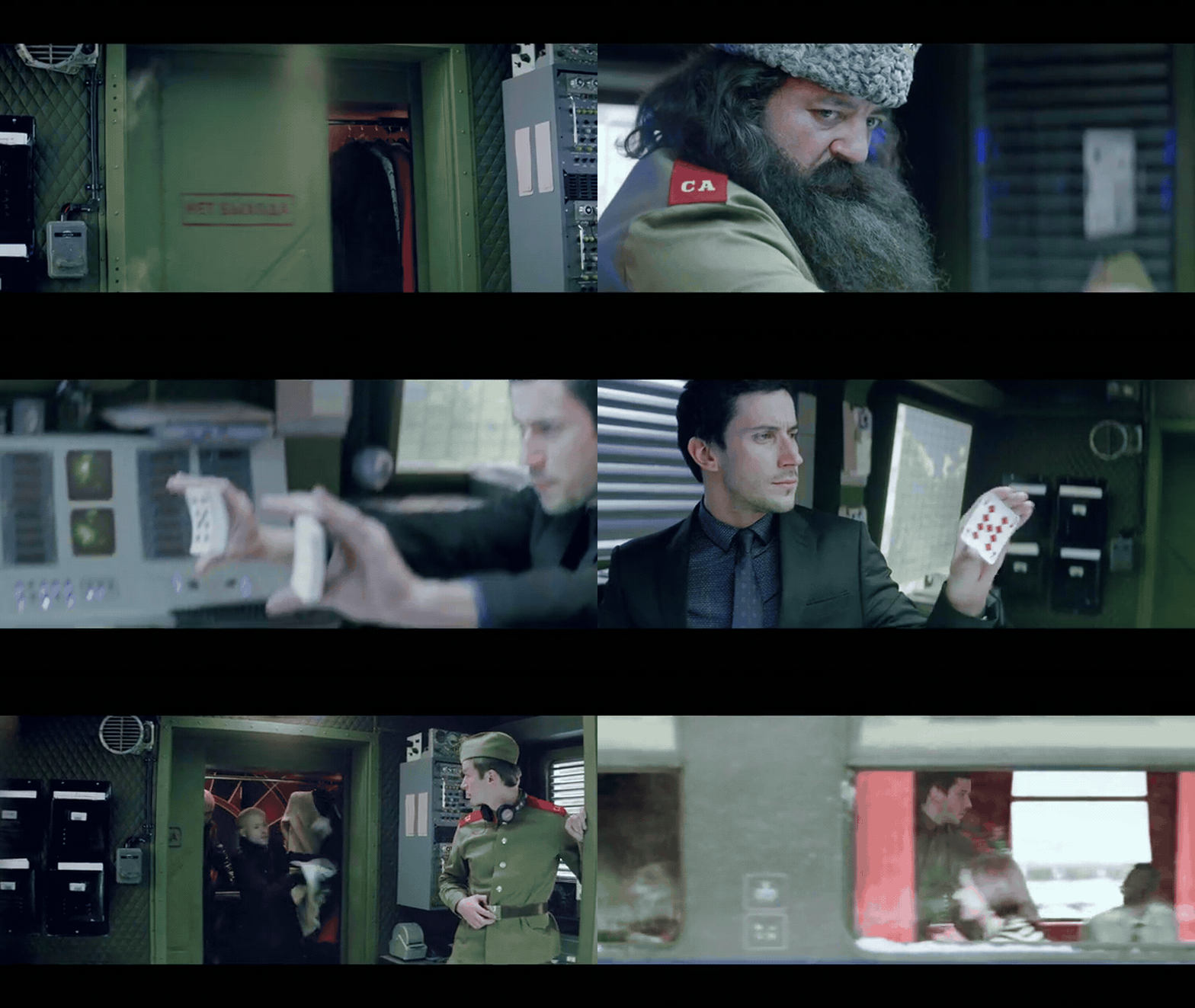
The Design of the train really was a tricky element given that needed to feel fresh and obviously there were many references, we went through an extended period of photographic research, then we started to conceptualise our new locomotive from the chosen images and try to get something unique yet realistic and given than the train carriages would only be dressed by the prop department seemed a good idea to not deviate too much or it could end up being a too obvious engine.
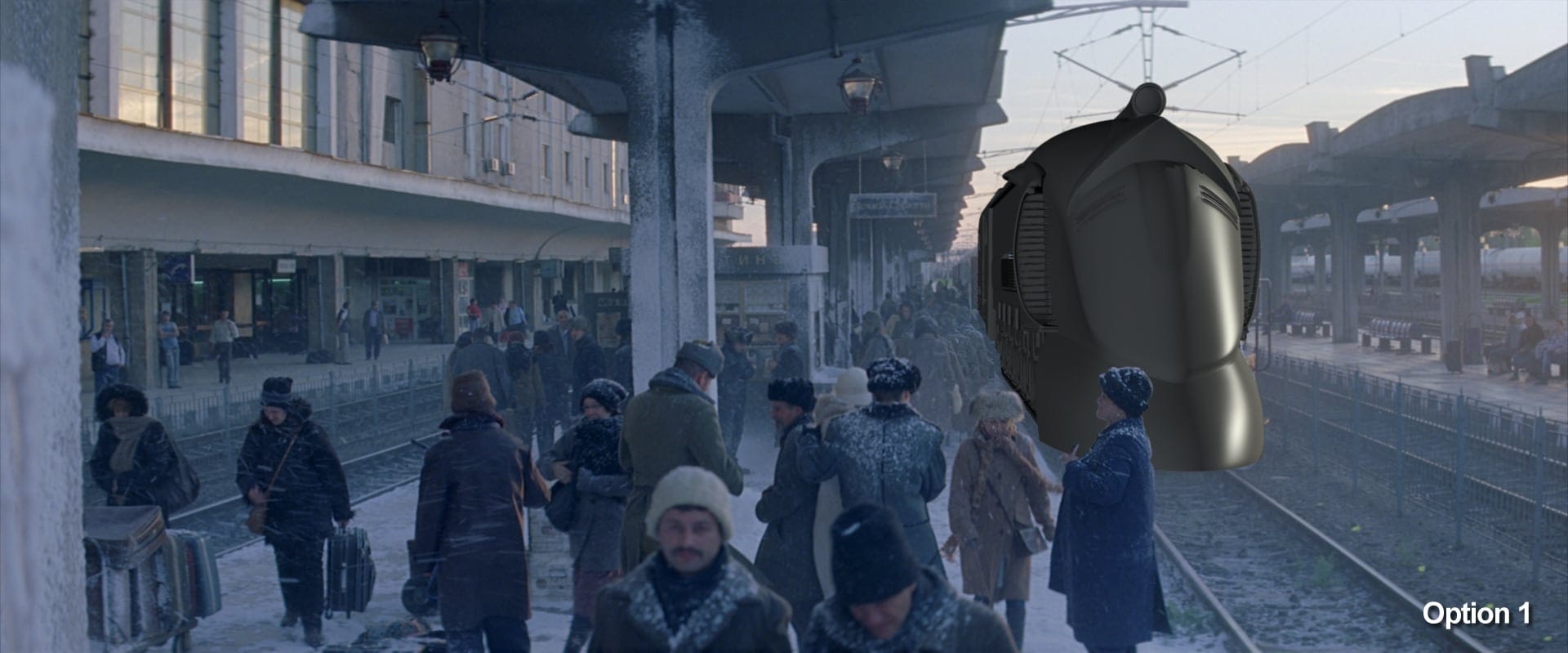
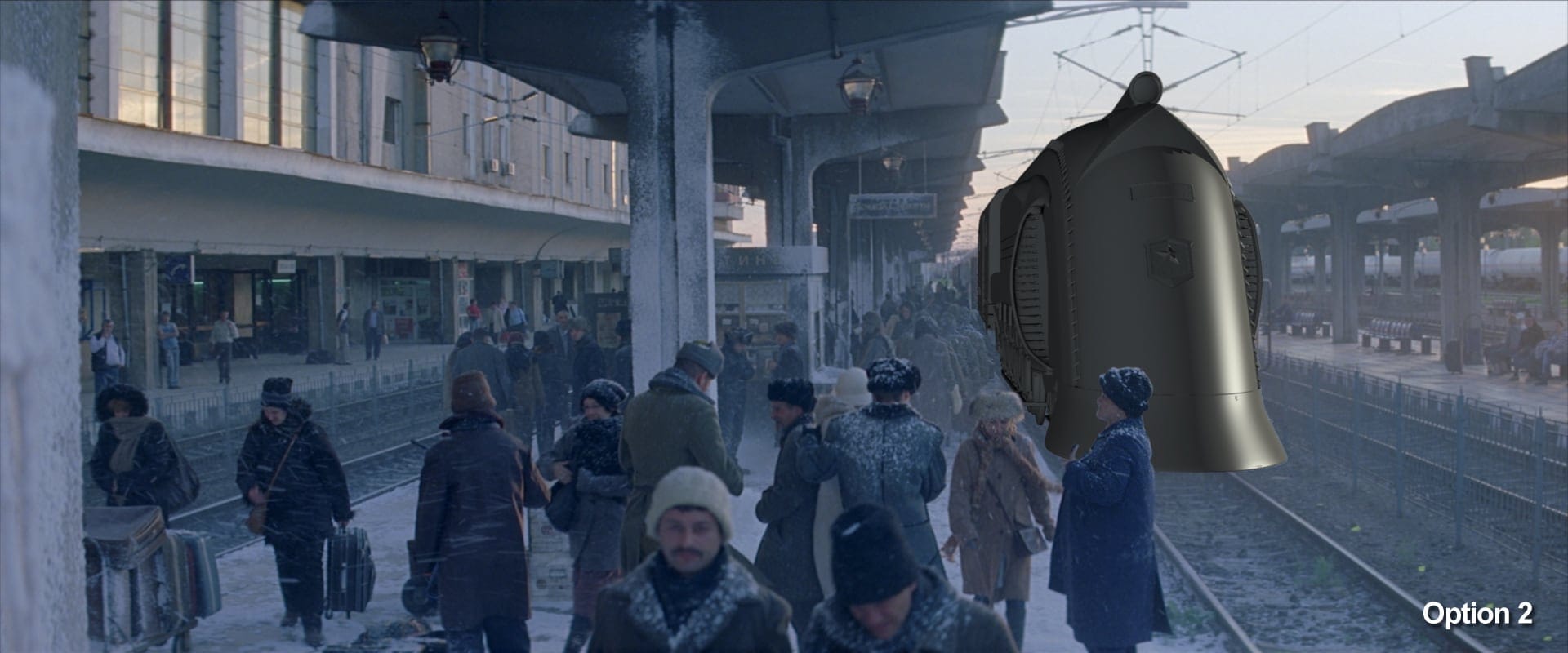
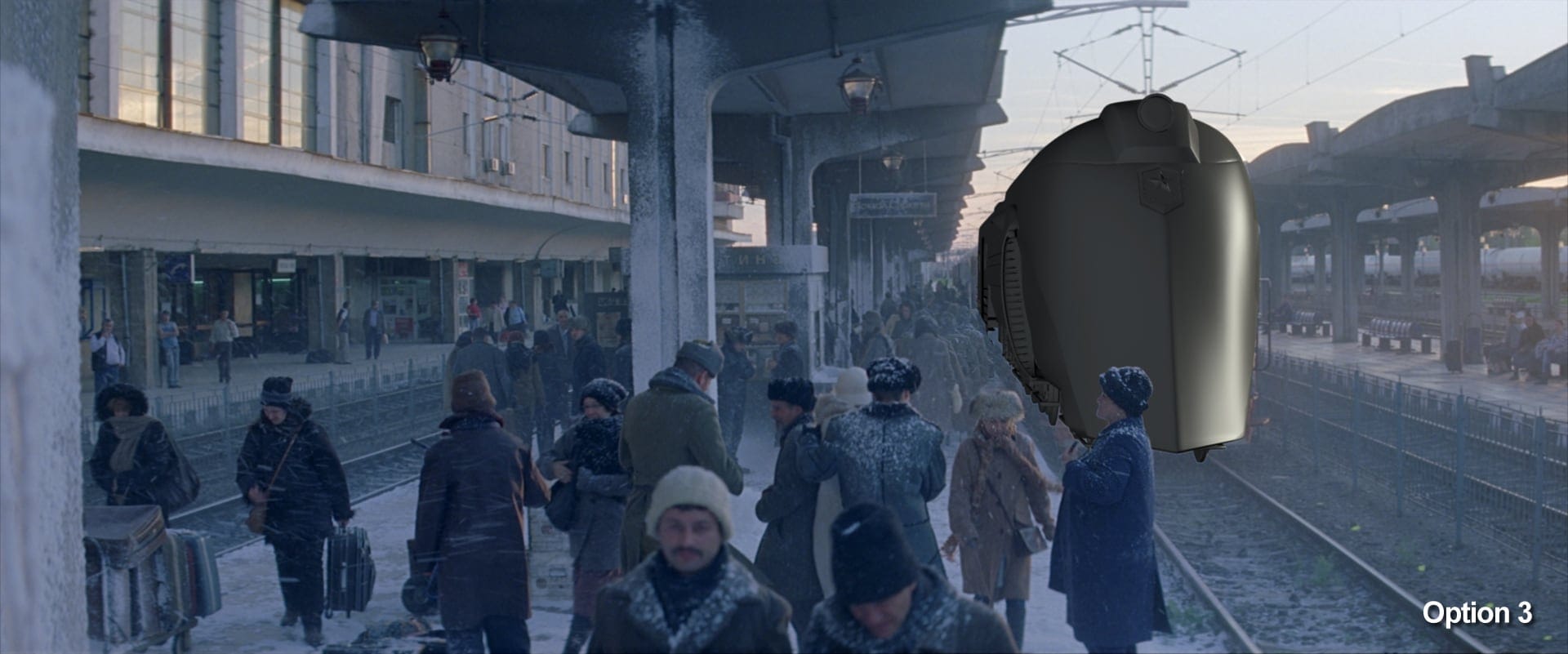
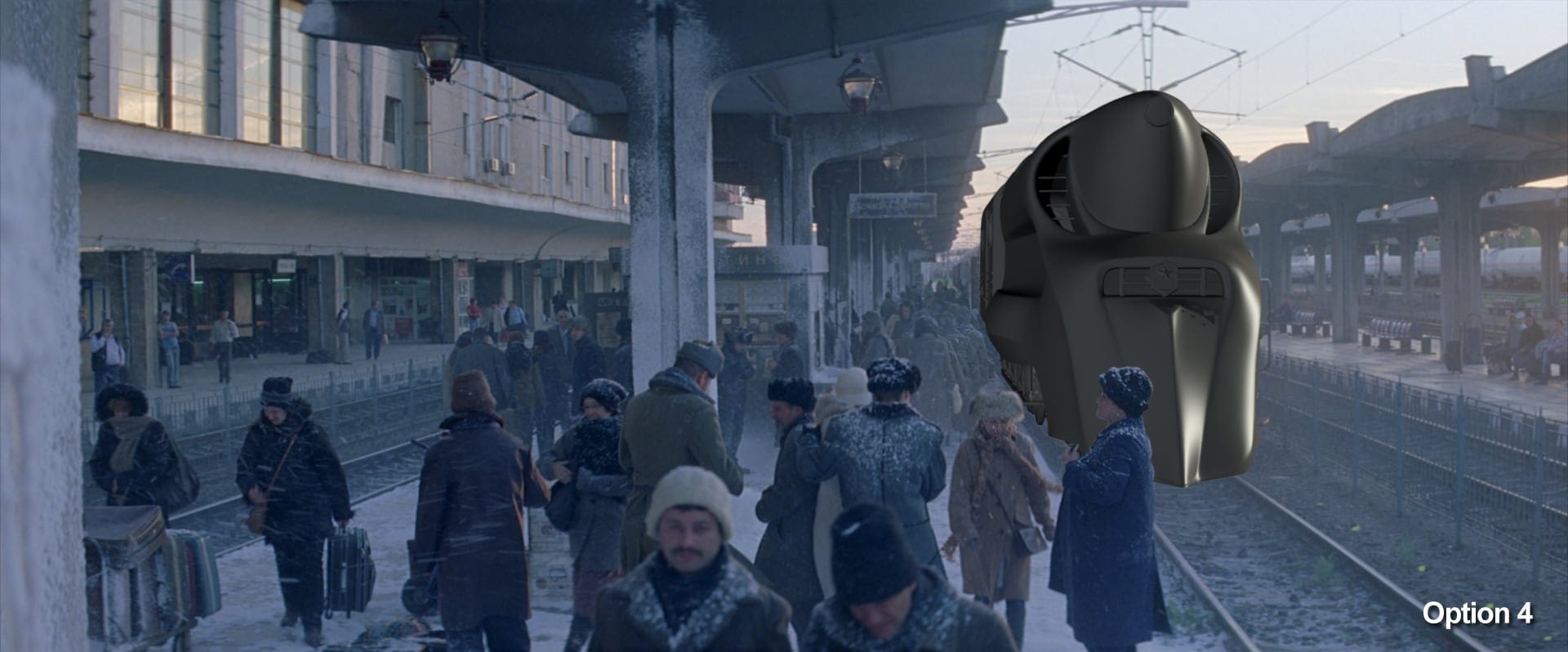
The train itself didn’t feature so much at that stage, and only we started designing the 3D versions of the concept, both the agency and the director started to push for shots that would feature the locomotive.
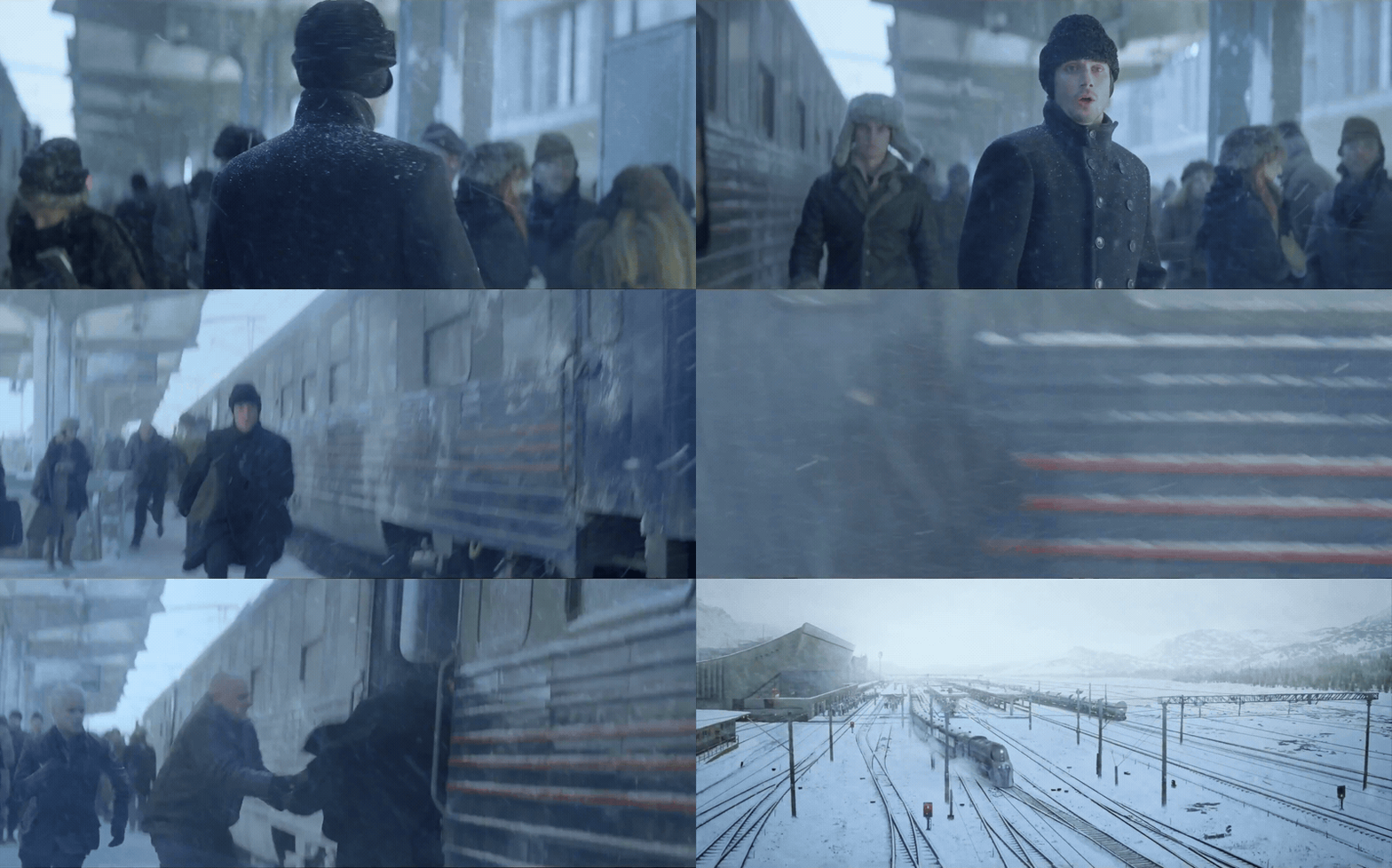
So, feeling we could get some great scale out of some shots, we did some tests previsualising camera moves, and some were very successful, so they ended up in the edit, which we were really happy about, as this is what we all strive for. Add your little grain of salt to help the director tell the story better.
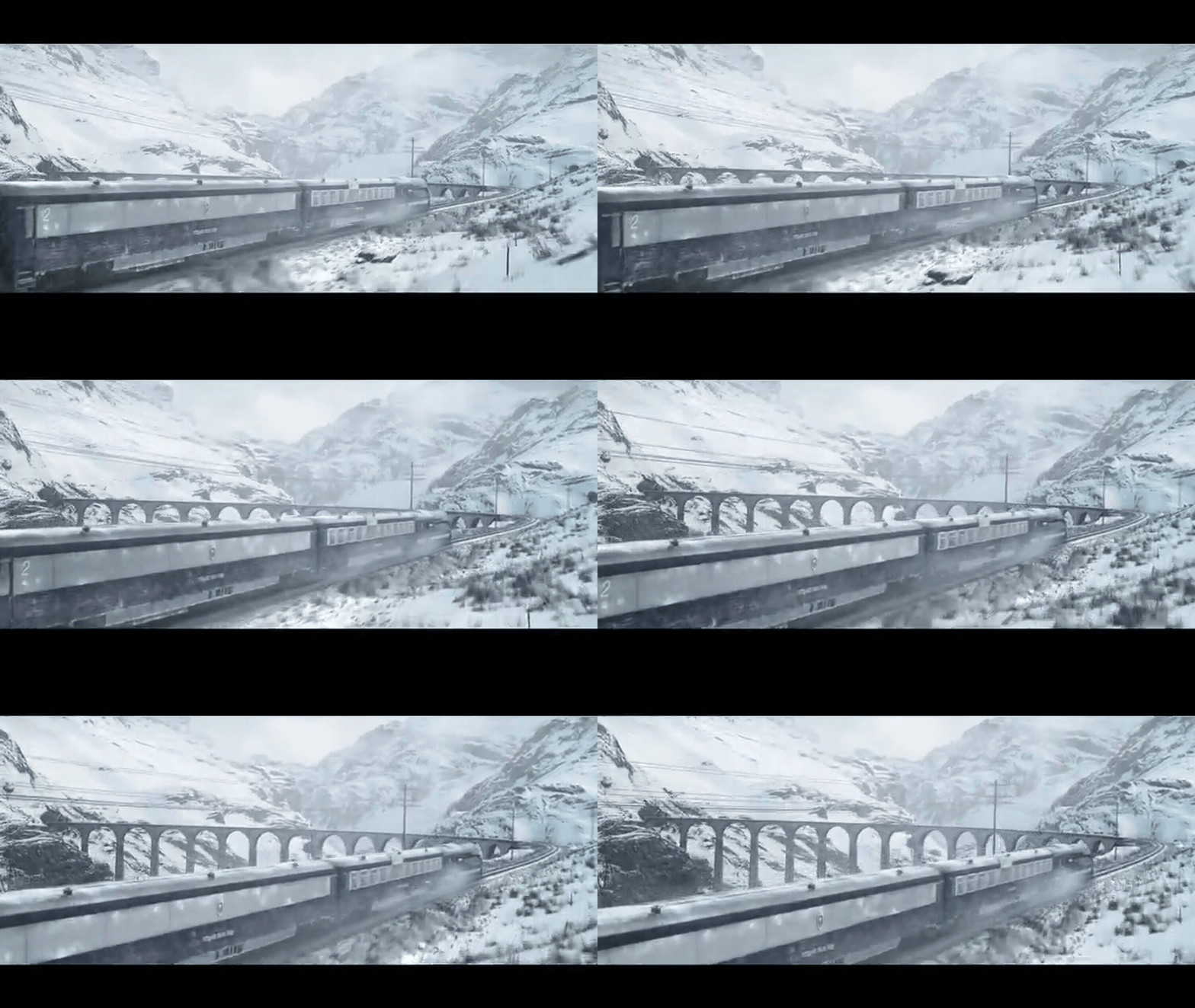
As normally happens when you have a mega-star on a commercial, be it a famous actor, footballer or personality, things tend to get really big and the logistics much more complicated really easily. As you can also imagine you can’t get Daniel Craig to be waiting hours for camera setups or VFX stuff so we orchestrated to keep the shoot to the most important and decided to scan his head and body just in case, which later proved valuable as we required a shot of Daniel Craig jumping off a train in movement, something that if we had to do rigging him would have taken the whole day to shoot.
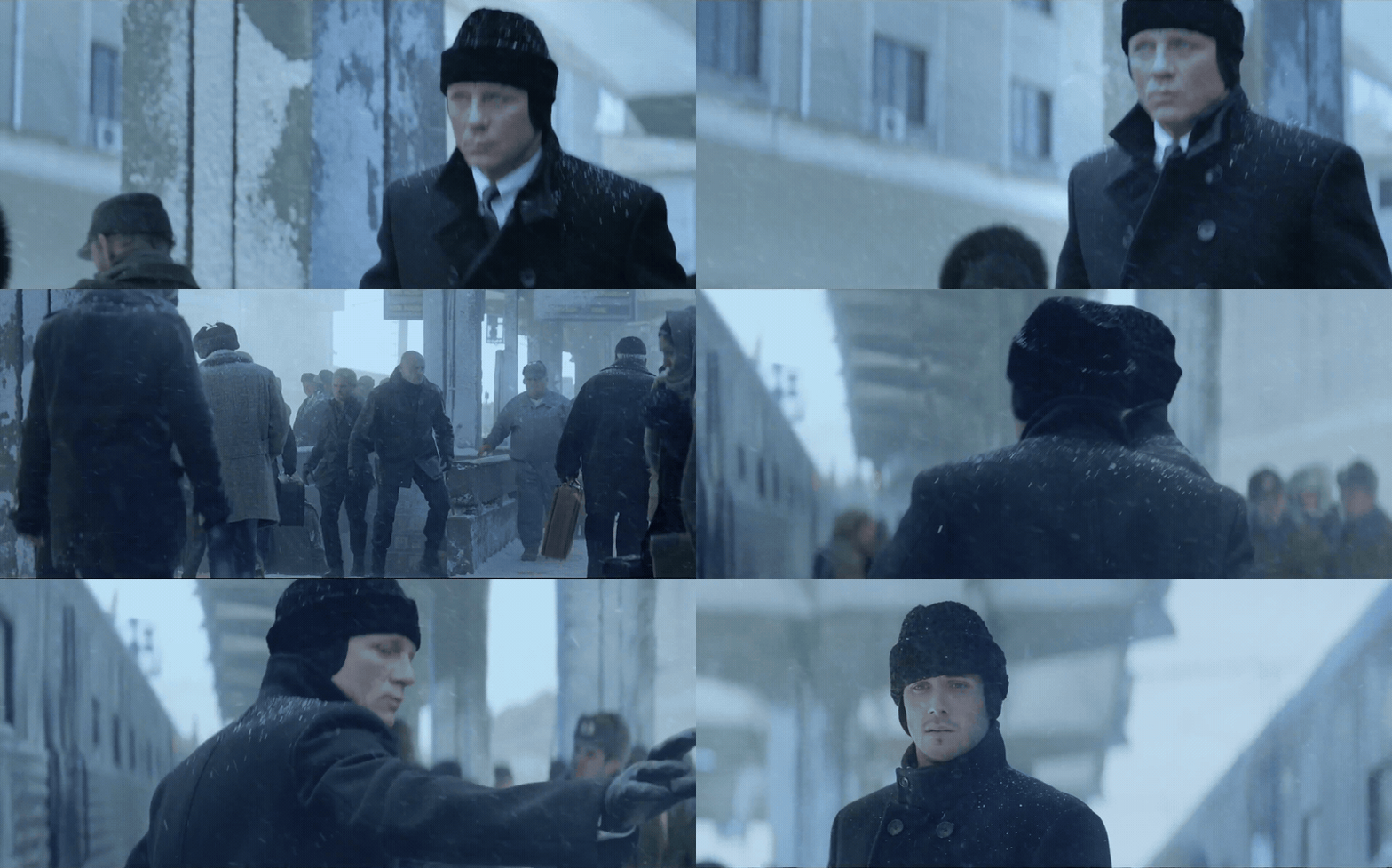
The scan was fixed of all typical imperfections and re-topologize for efficiency and his suit and textures projected so we had a digital stunt double for the job, of course you can take this so far until you kill the magic, these characters can only be so close to camera before you notice something strange, therefore we were careful to plan the shot in a way that made the story work as the director wanted and also put the effort in the simulation of his clothing and parachute opening.
We had two major elements being simulated in this job: the house of cards falling, which was done in Houdini, and the stability and flexibility gave us an edge. All card shots ended up being rendered in Houdini, given the setup was so nice, although the cards being thrown were simulated in Maya, given the speed and the great artists we had working on these.
Also, the storm, snow and all the particle work was done in Maya and exported as caches for Softimage and Houdini, so we could use them as assets. Given that once again the dynamic artist was so good, I had to take advantage of him.
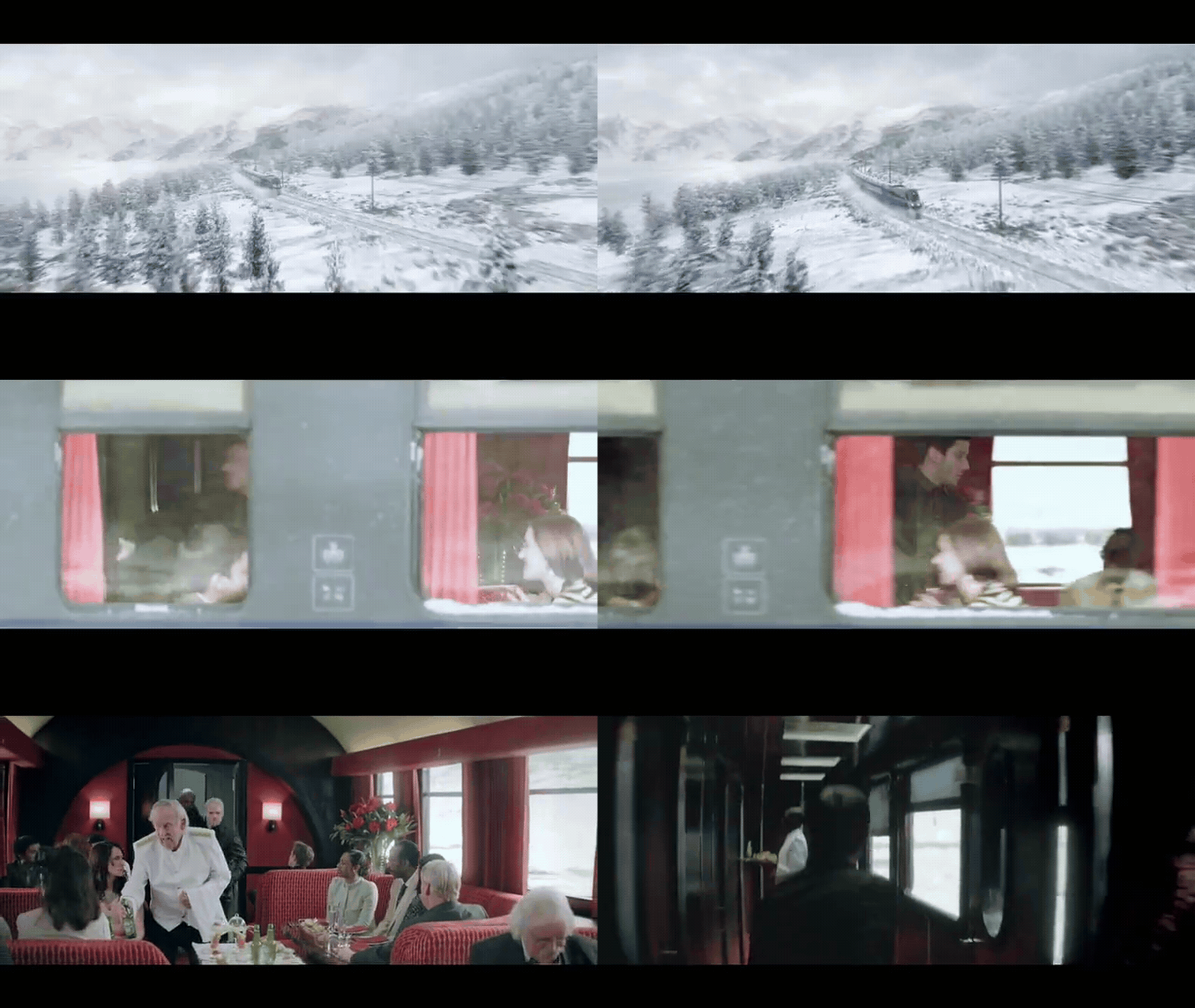
So the smoke coming out of the train, the dust, the snow being pushed away, the snow falling, all of it was simulated in Maya and rendered in Softimage using volumetrics, which were really fast.
The layout process was a pleasure as we were literally copy-pasting snow here and there and building the scene in a very creative, friendly way without worrying about anything other than the look.
For the lighting and rendering, we did find ourselves our estimations were right; we needed a bit more manpower, and the team grew a tiny bit to accommodate these shots that grew organically, so all the CG train shots, including the very close-up exterior, were actually a full CG setup. We had to put a ton of effort into selling the snow being attached to the carriage, so we put some senior artists on these shots.
A sophisticated Softimage ICE setup was created to paint where the show should be landing and accumulating. Part of it was texture, part geometry to give it a real dimension, and as comments from the clients kept coming, we carried on tweaking this paint information to relocate these elements. The renders were not that long, and once all layers were assembled, they looked really good out of the 3D pre-compositing stage.
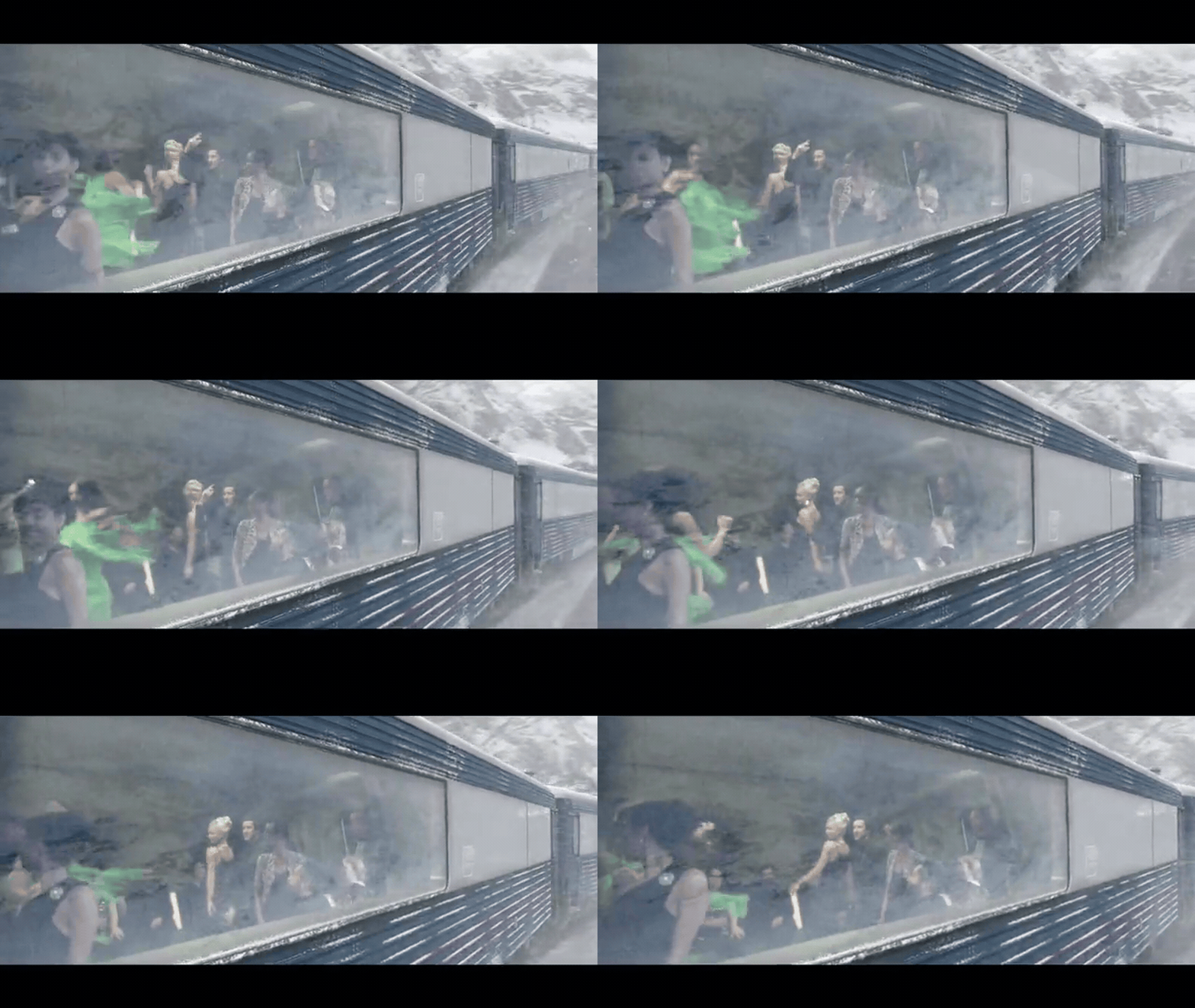
Of course, in parallel, the animation and timing kept changing as we were finessing the carriage's speed and motions to cut better, and these caches updated the shots, which were also reprocessed automatically, so the next day, more or less, we could see the results of big animation changes.
These jobs tend to be the most difficult ones because of what its at stake yet they are very satisfying when things go well and in this case I believe it went really well, specially considering how flexible we had to be to adapt to the extreme challenges the weather threw at us and how we used the available technology for the story rather than for the sake of it.