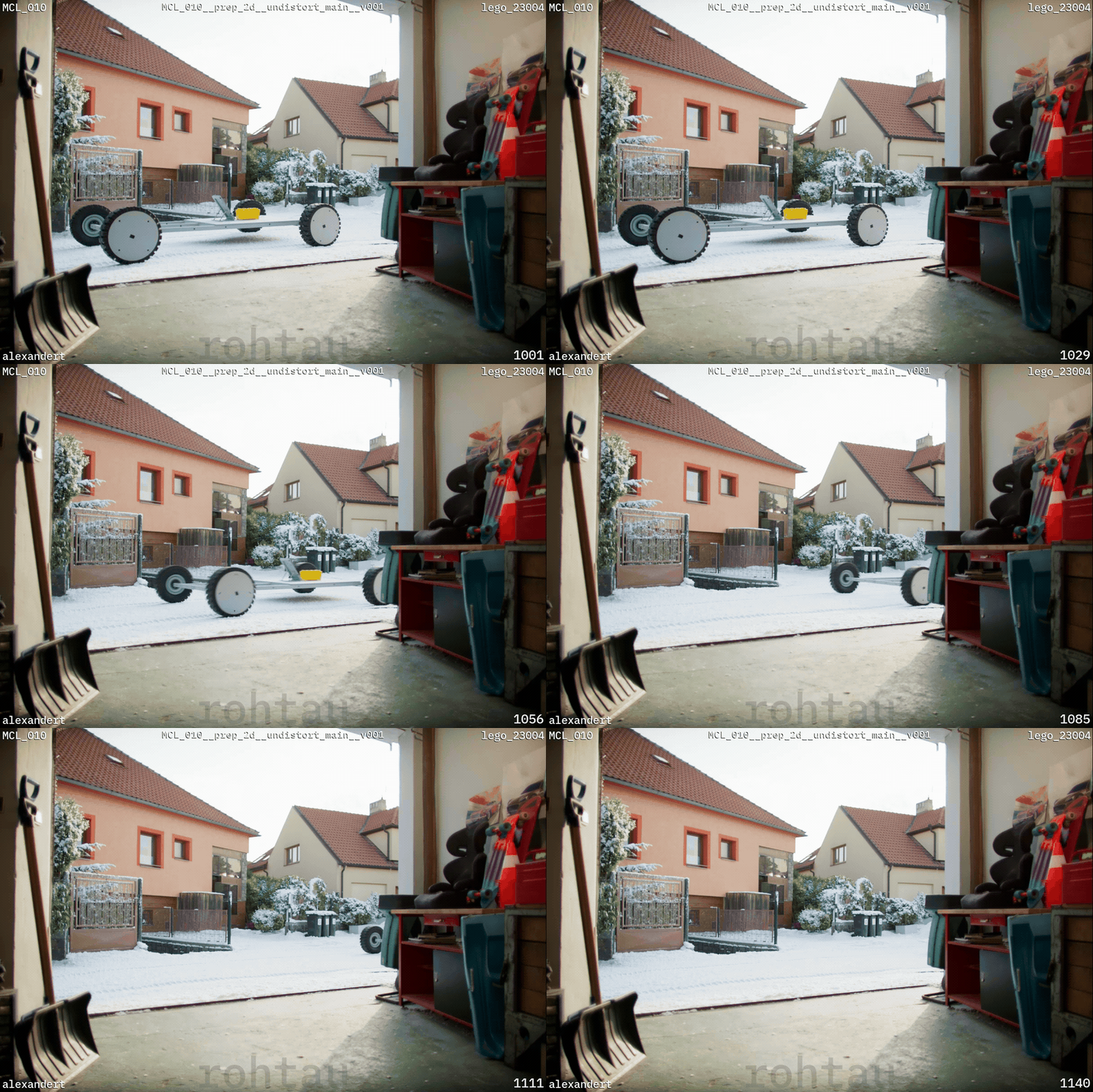
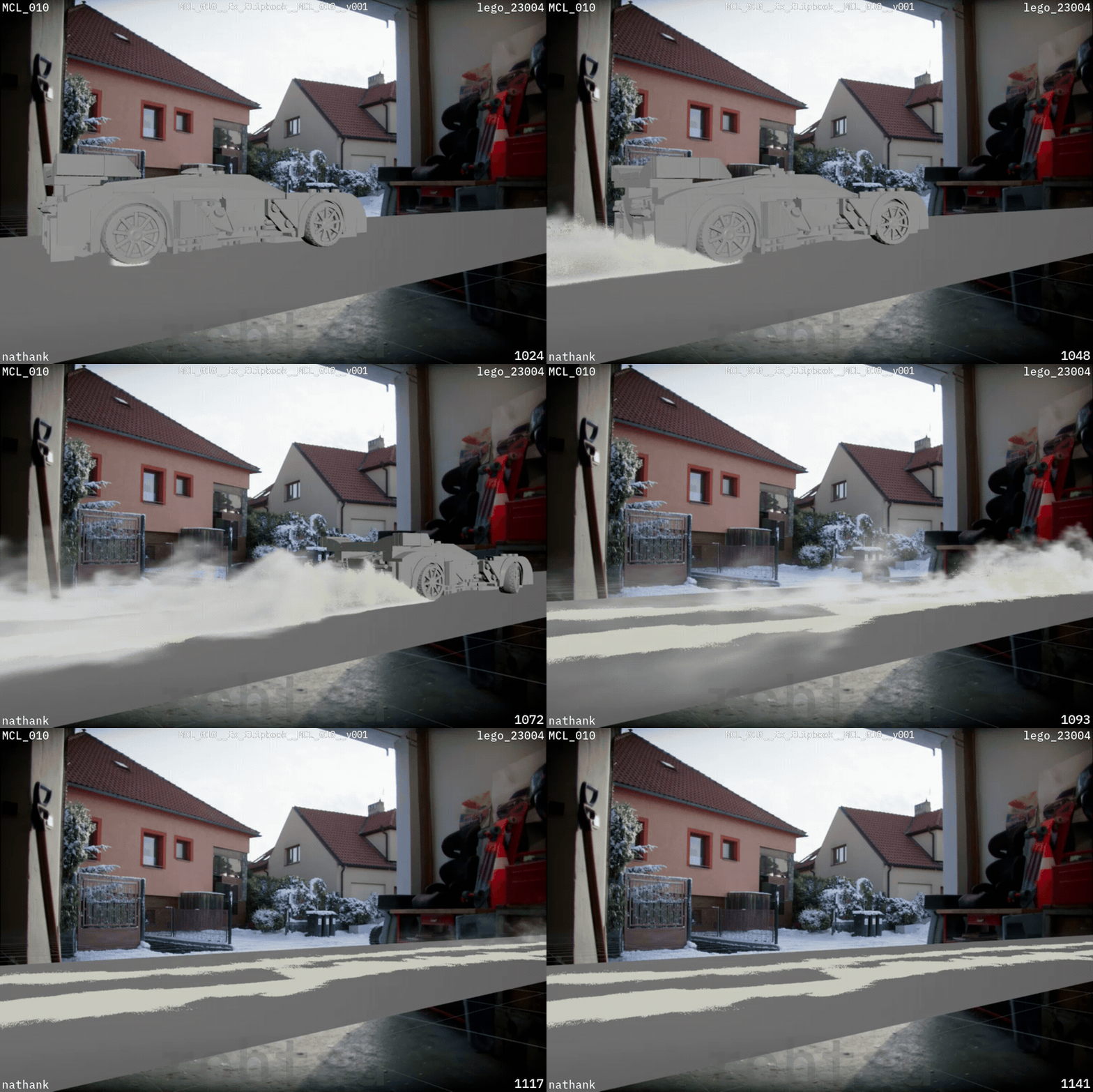
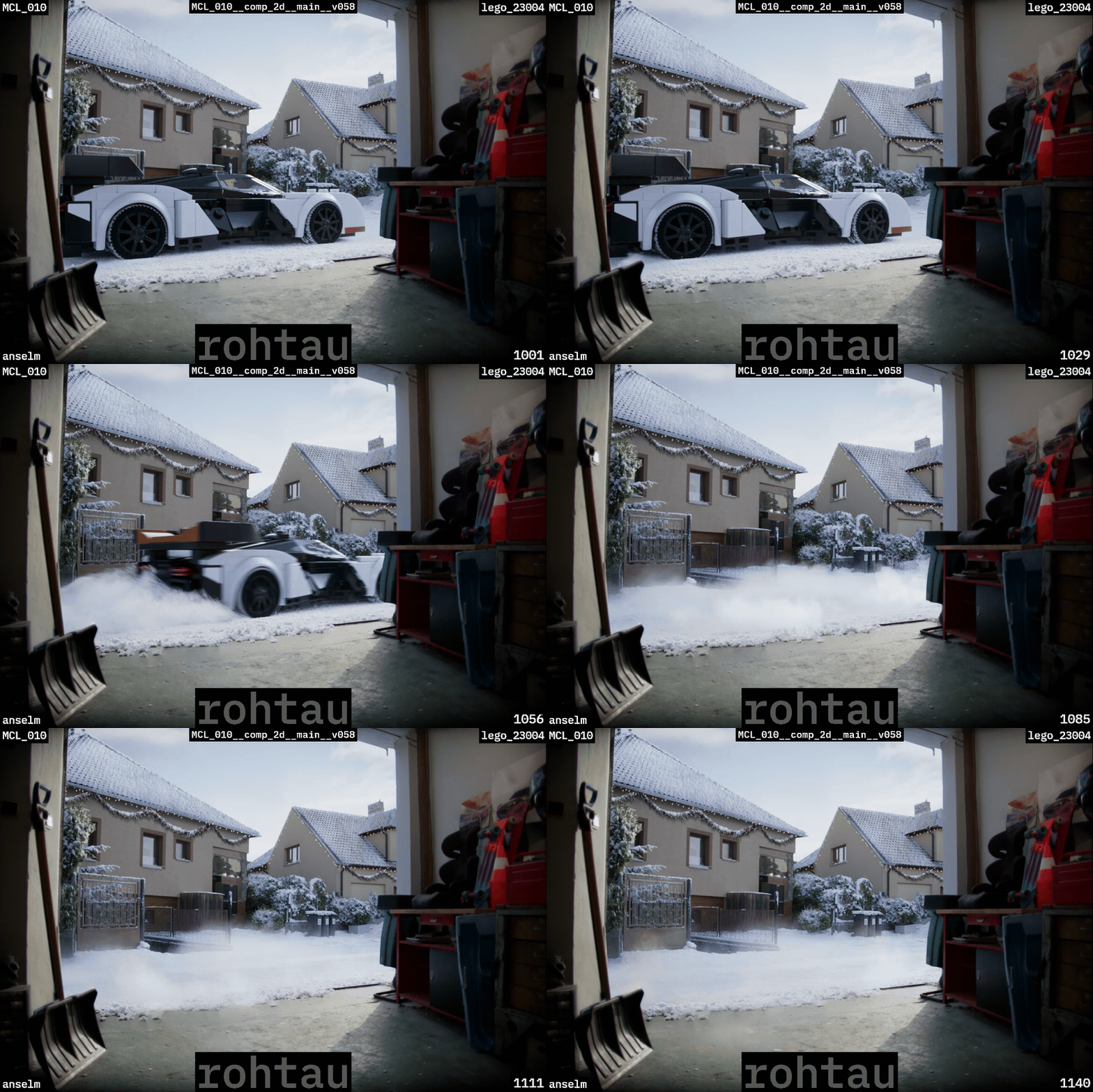
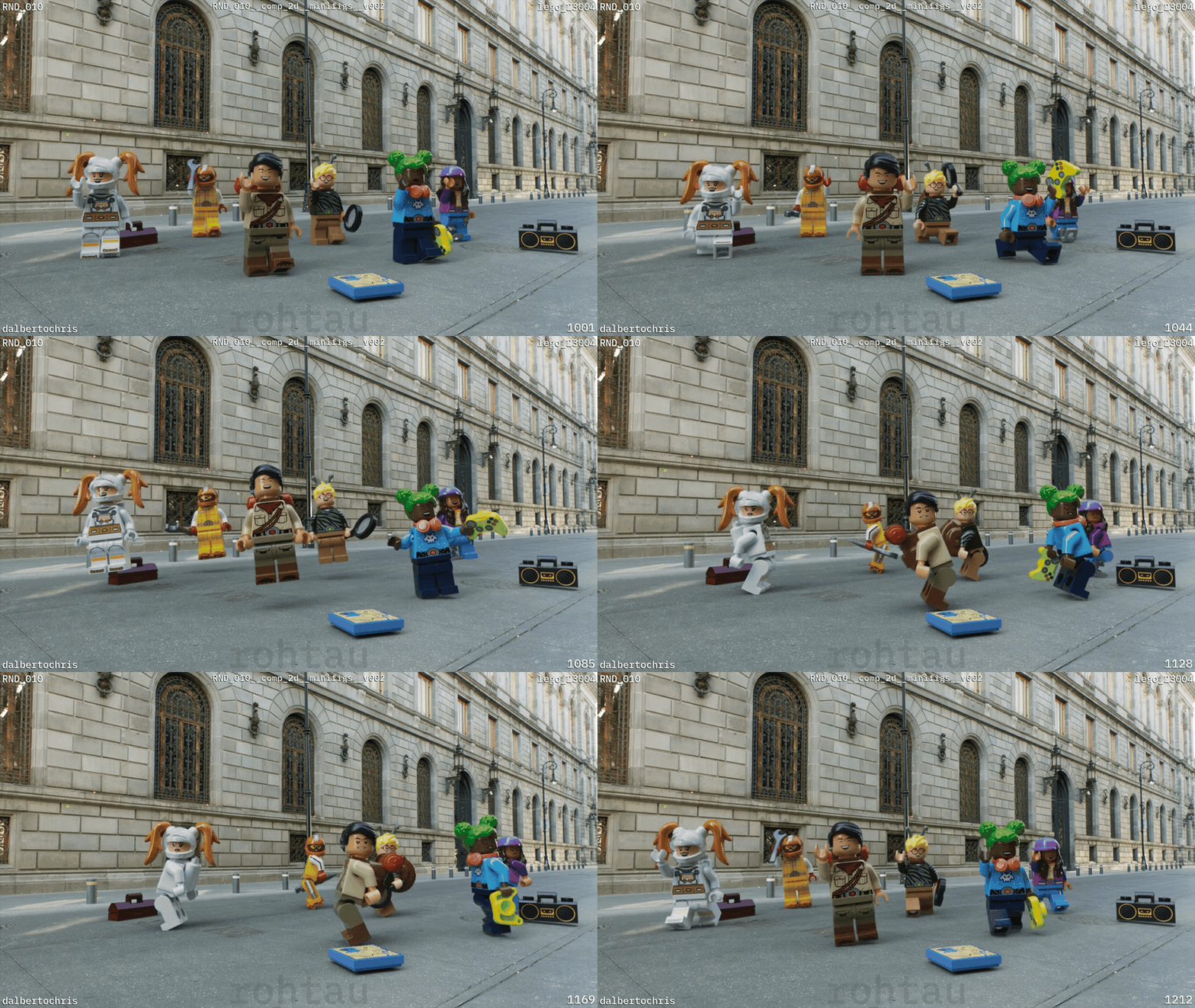
Director: Ellen Kuras
Prod. Company: The Corner Shop
Agency: Droga5 Dublin
Client: Lego
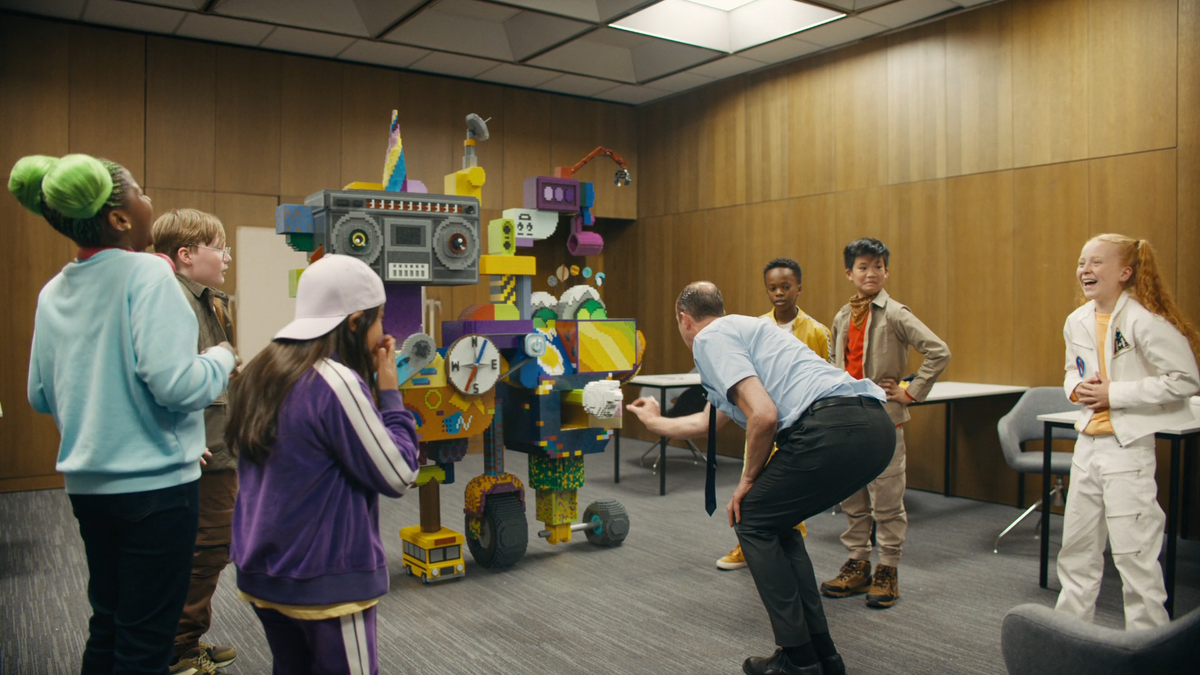
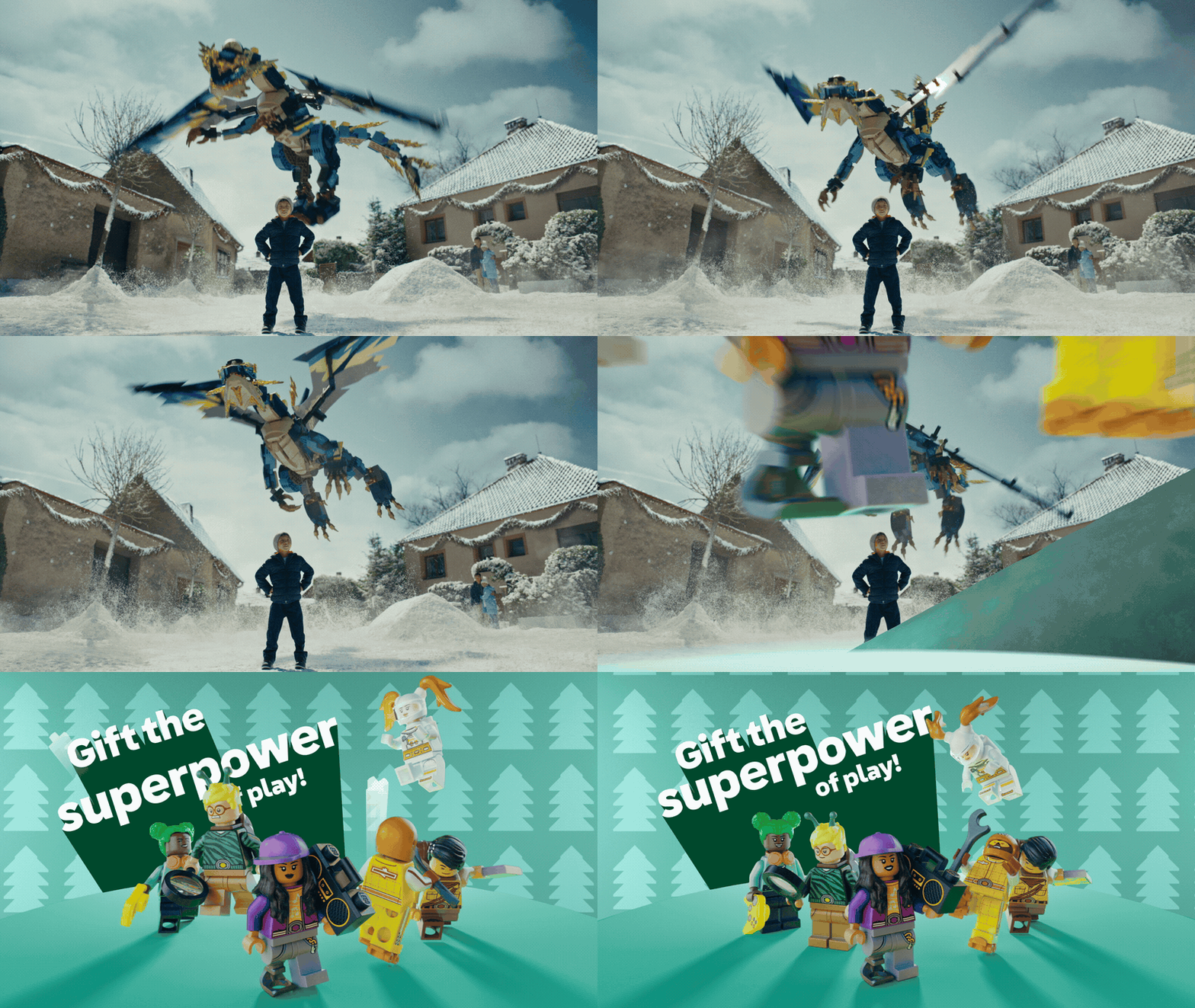
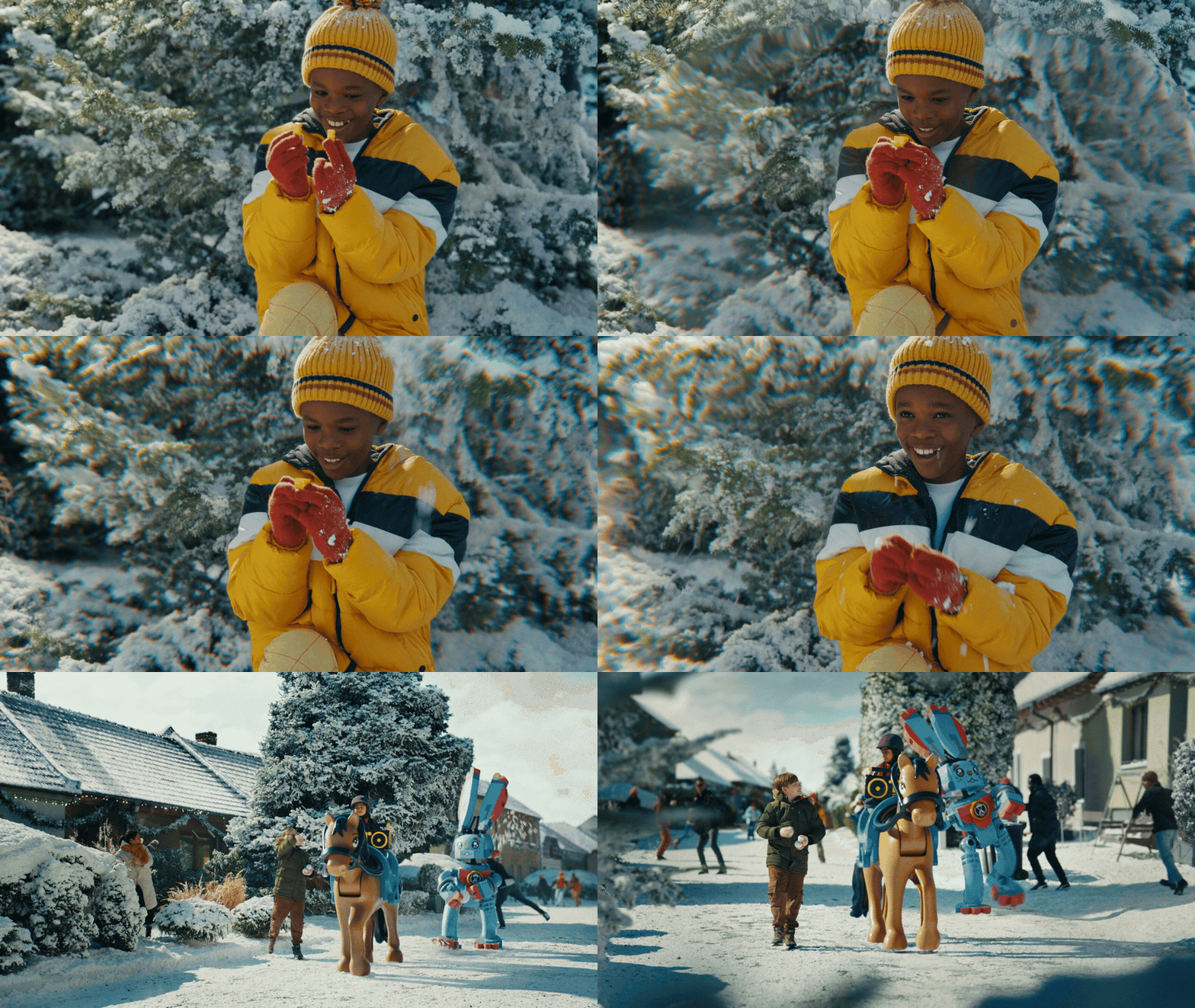
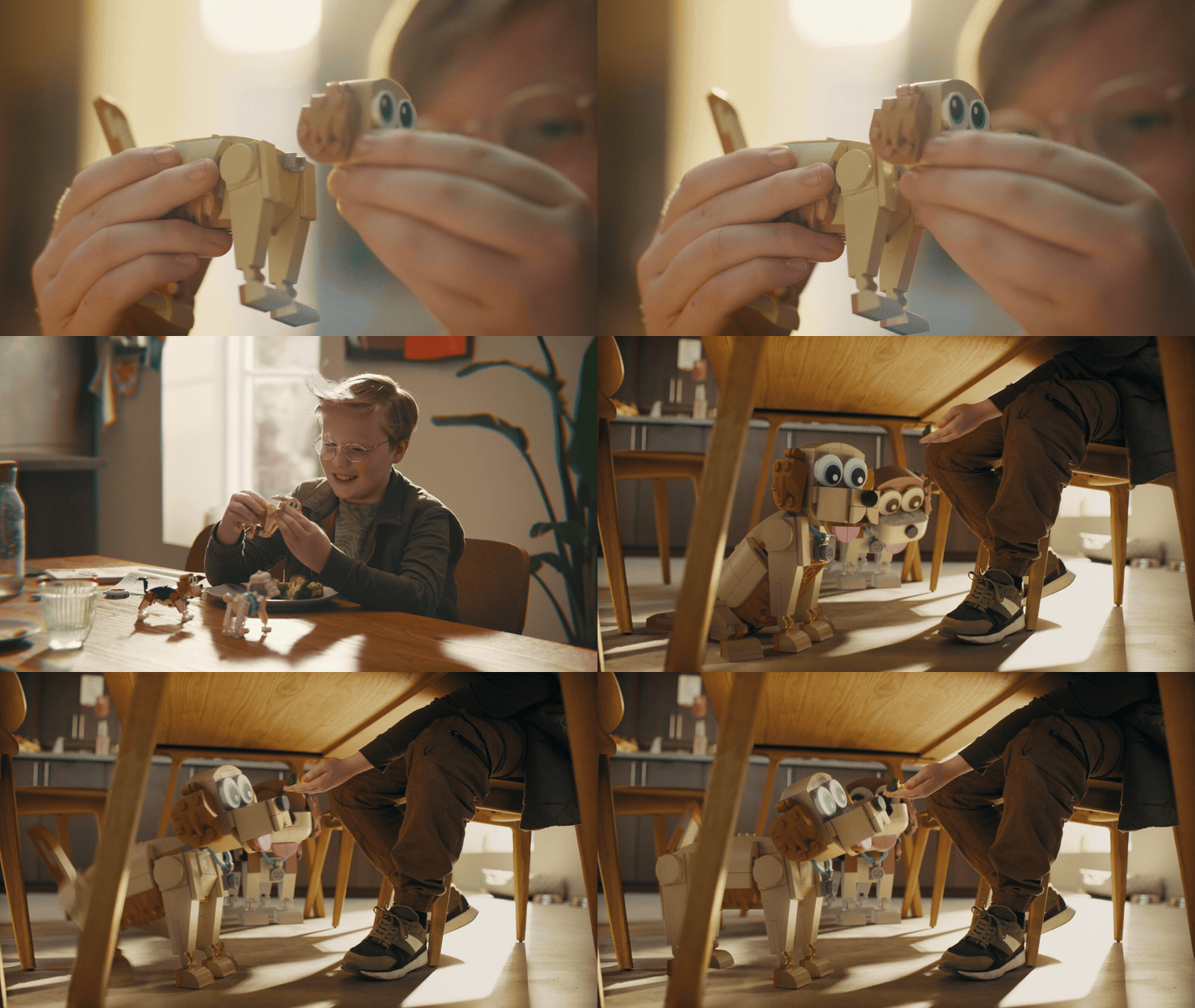
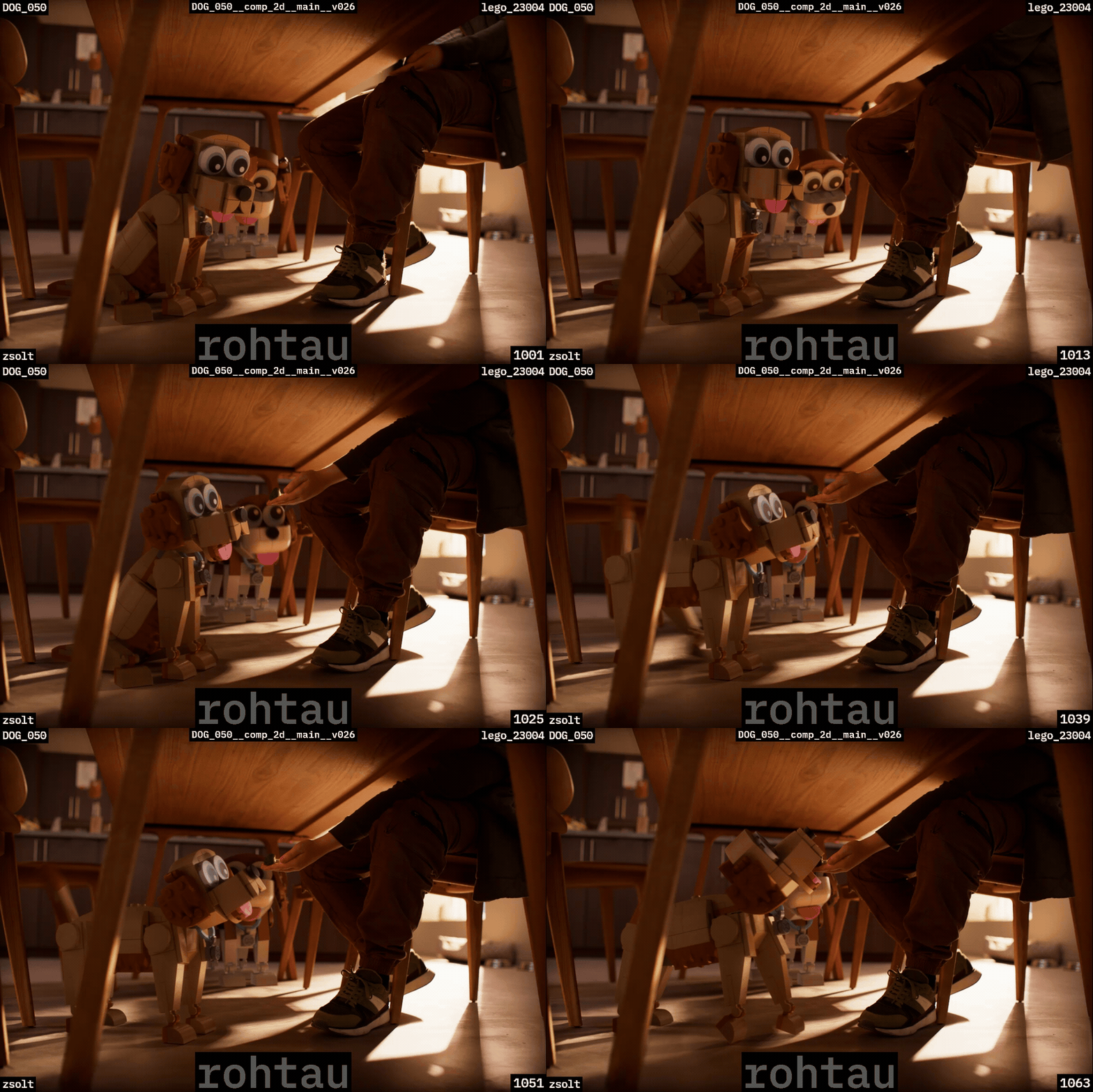
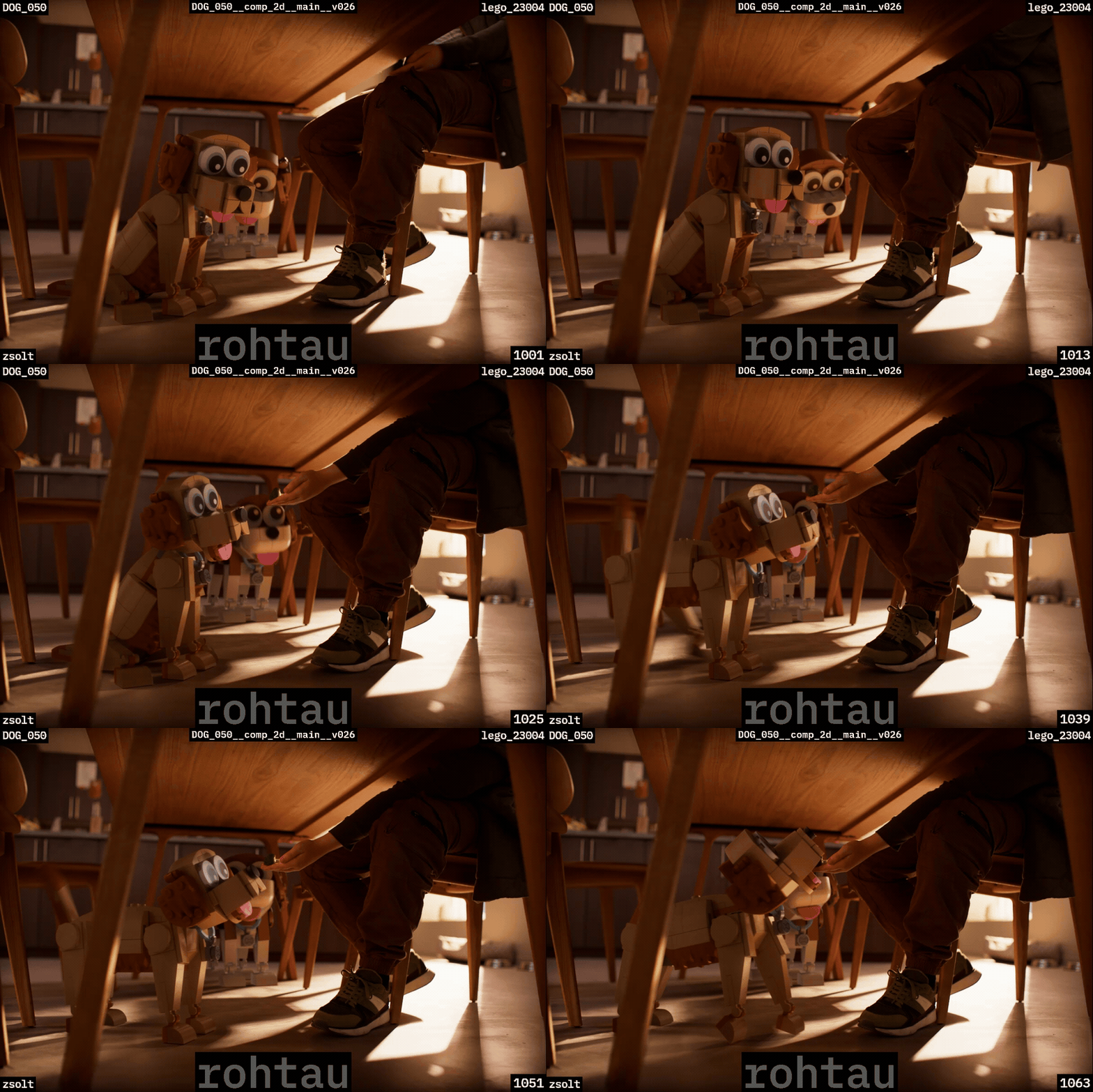
Some briefs remind you why you got into this industry. Six commercials for LEGO®, directed by the extraordinary Ellen Kuras, were one of those projects — a chance to do genuinely high-end CGI work for one of the most beloved brands in the world, and to do it properly.
The project came through our friends at Gabha Studios in Dublin, working with Droga5 Dublin. From the outset, the collaboration was structured thoughtfully: Rohtau led all CGI, while Gabha's compositing team worked in Nuke — running on our AWS infrastructure and pipeline and Flame for the project assembly and other comp needs. No file transfers, no round-trips, no friction. It's the kind of inter-studio setup that sounds simple but requires real trust and planning to pull off well.
On the ground in Prague
The shoot took place in Prague over a week in the height of summer, and the scope of work demanded serious on-set supervision. We assembled a team of specialists chosen not just for their craft, but for their fluency with LEGO® assets specifically — several had worked on The LEGO Movie, which meant the approval process moved faster and the output arrived at exactly the quality standard the brand required.
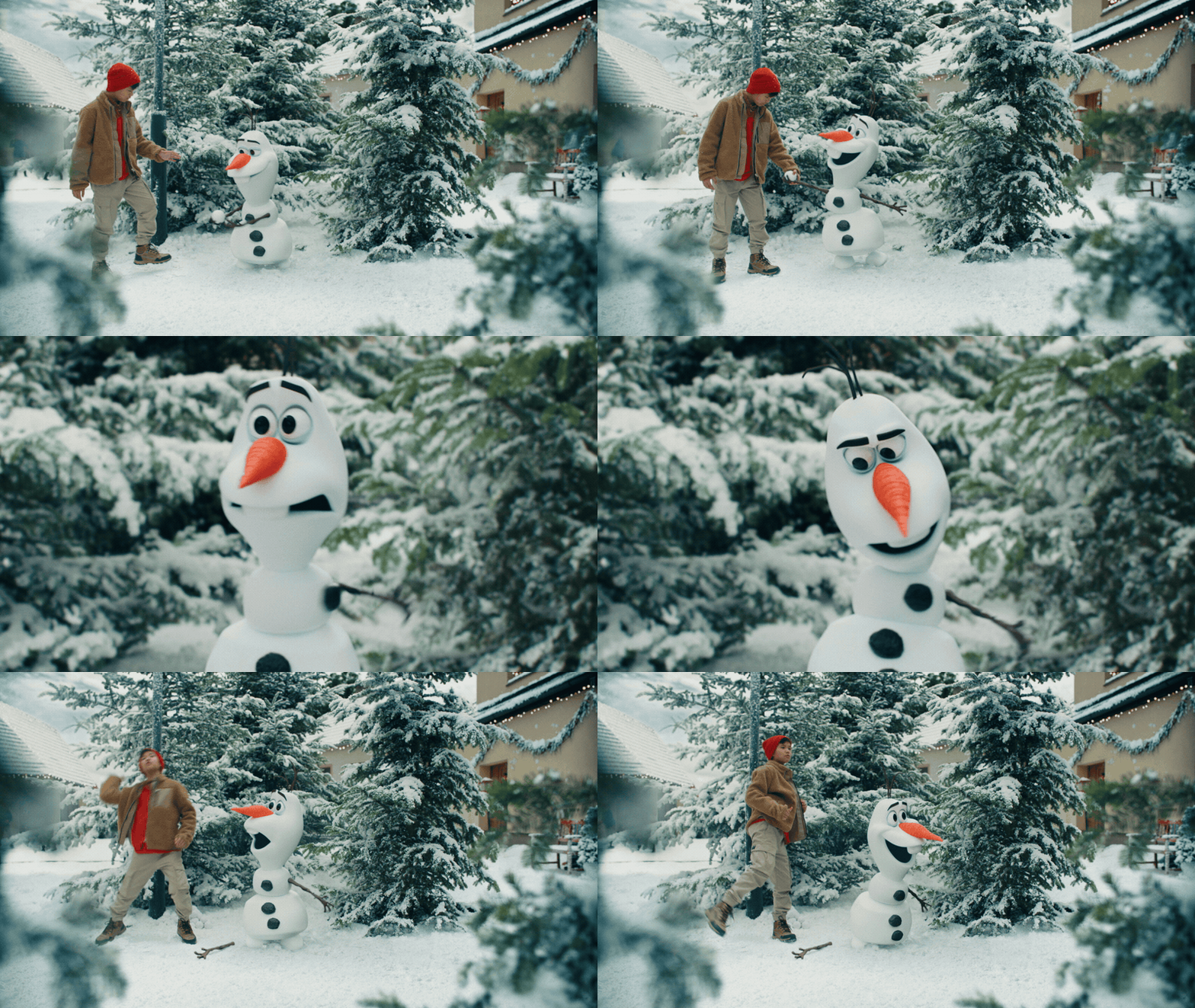
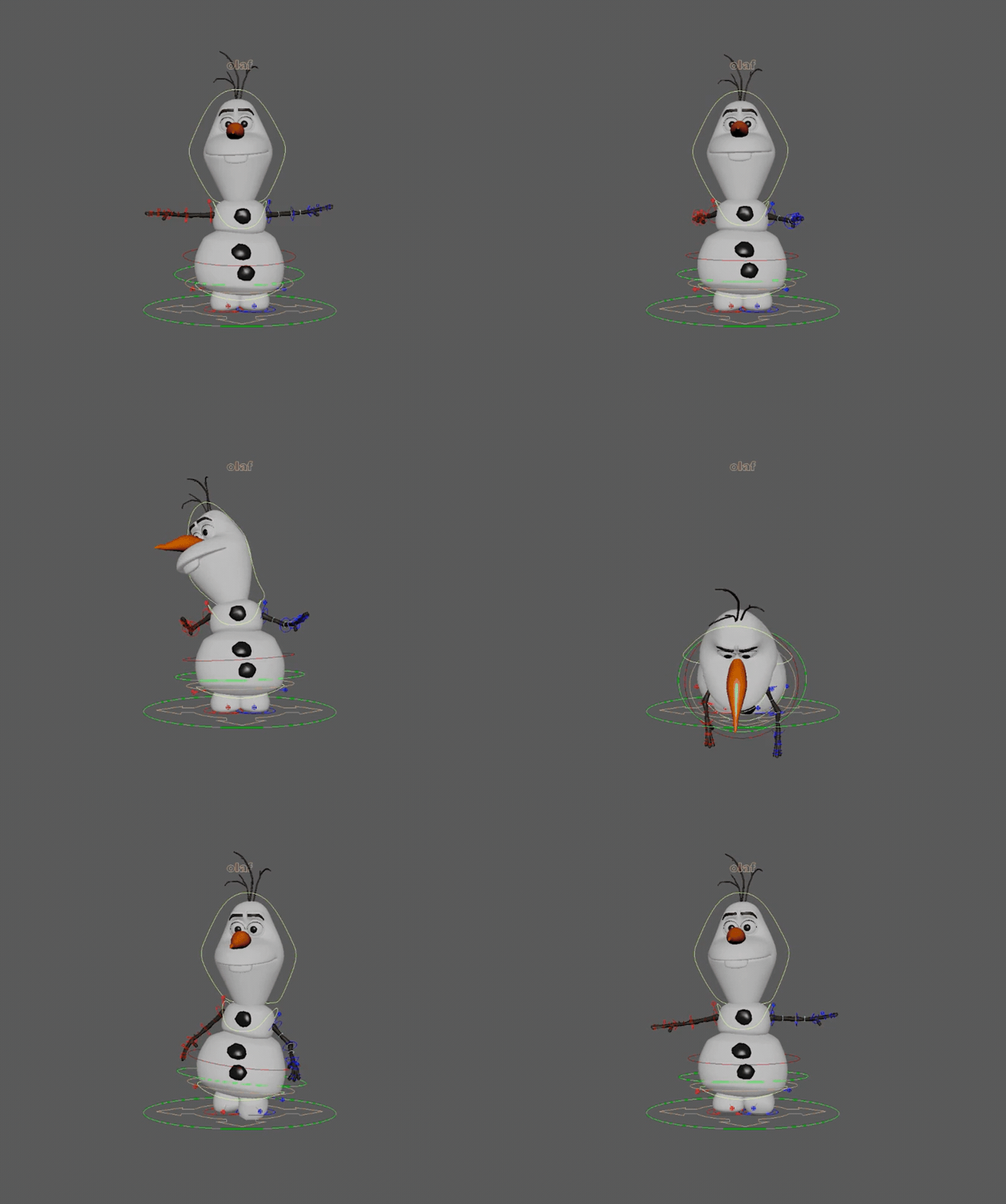
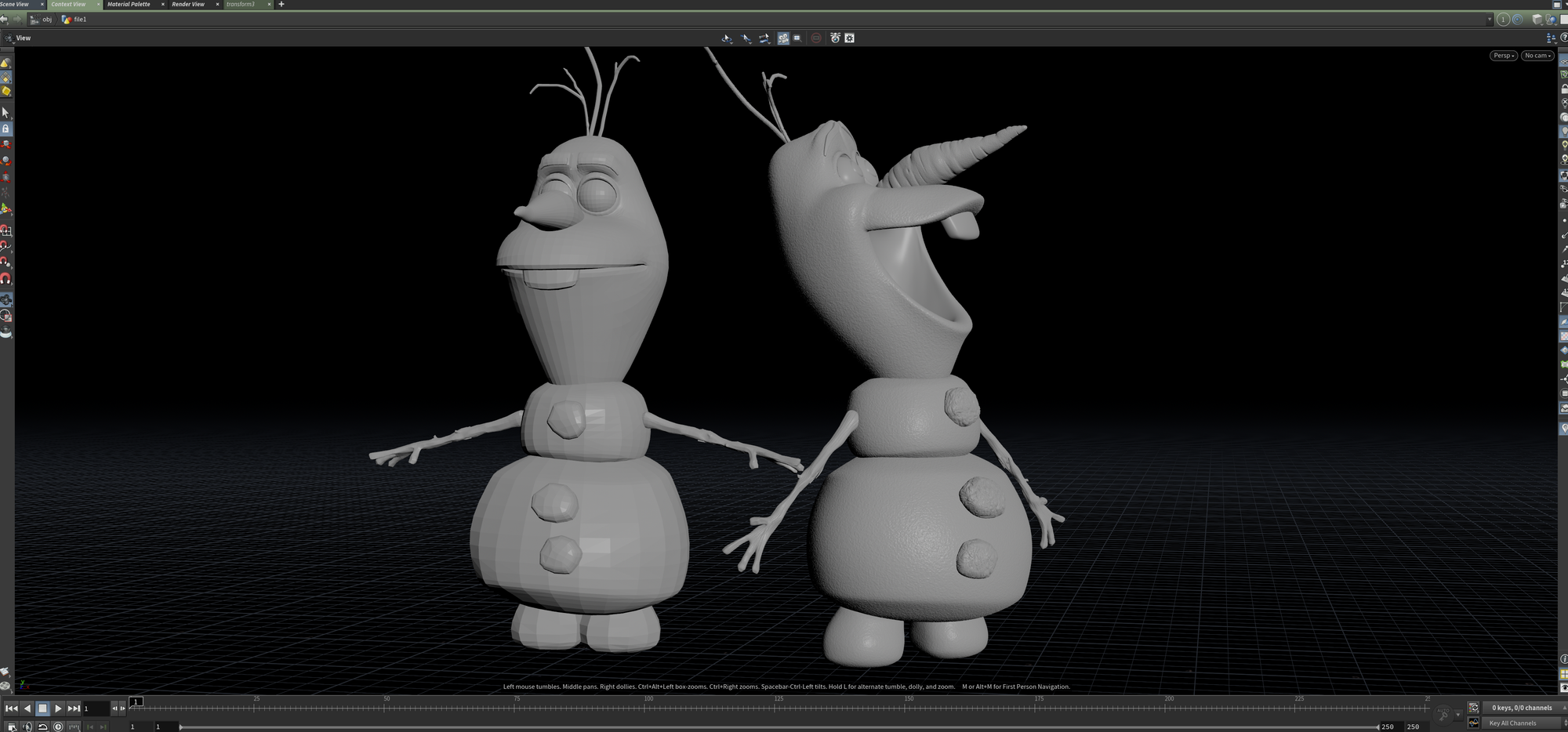
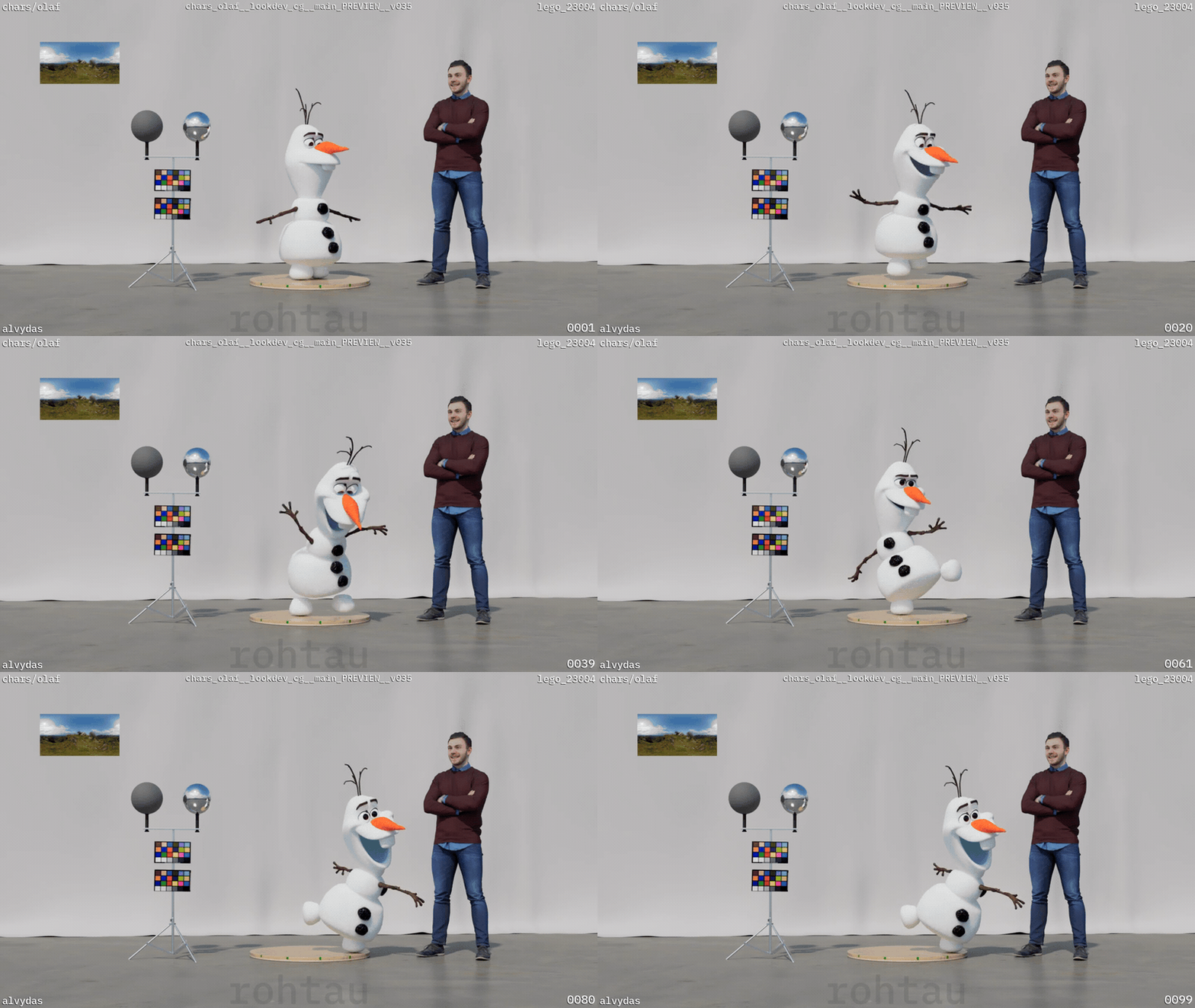
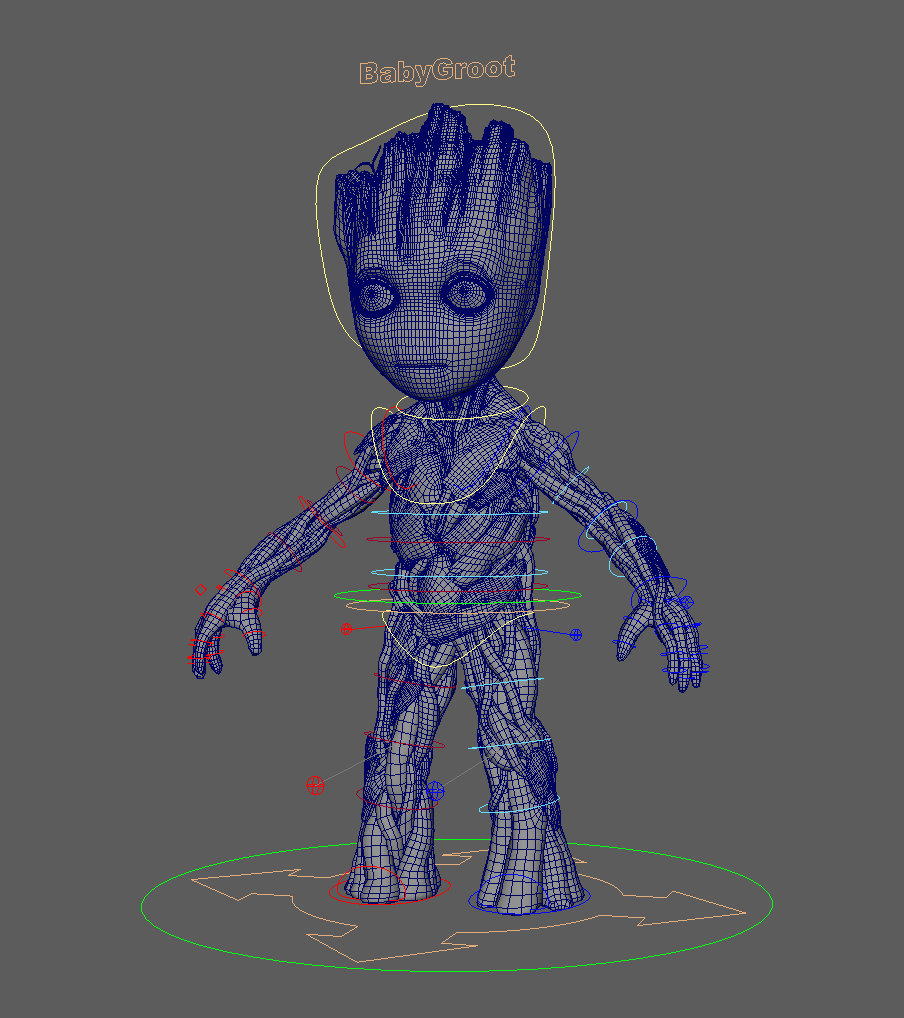
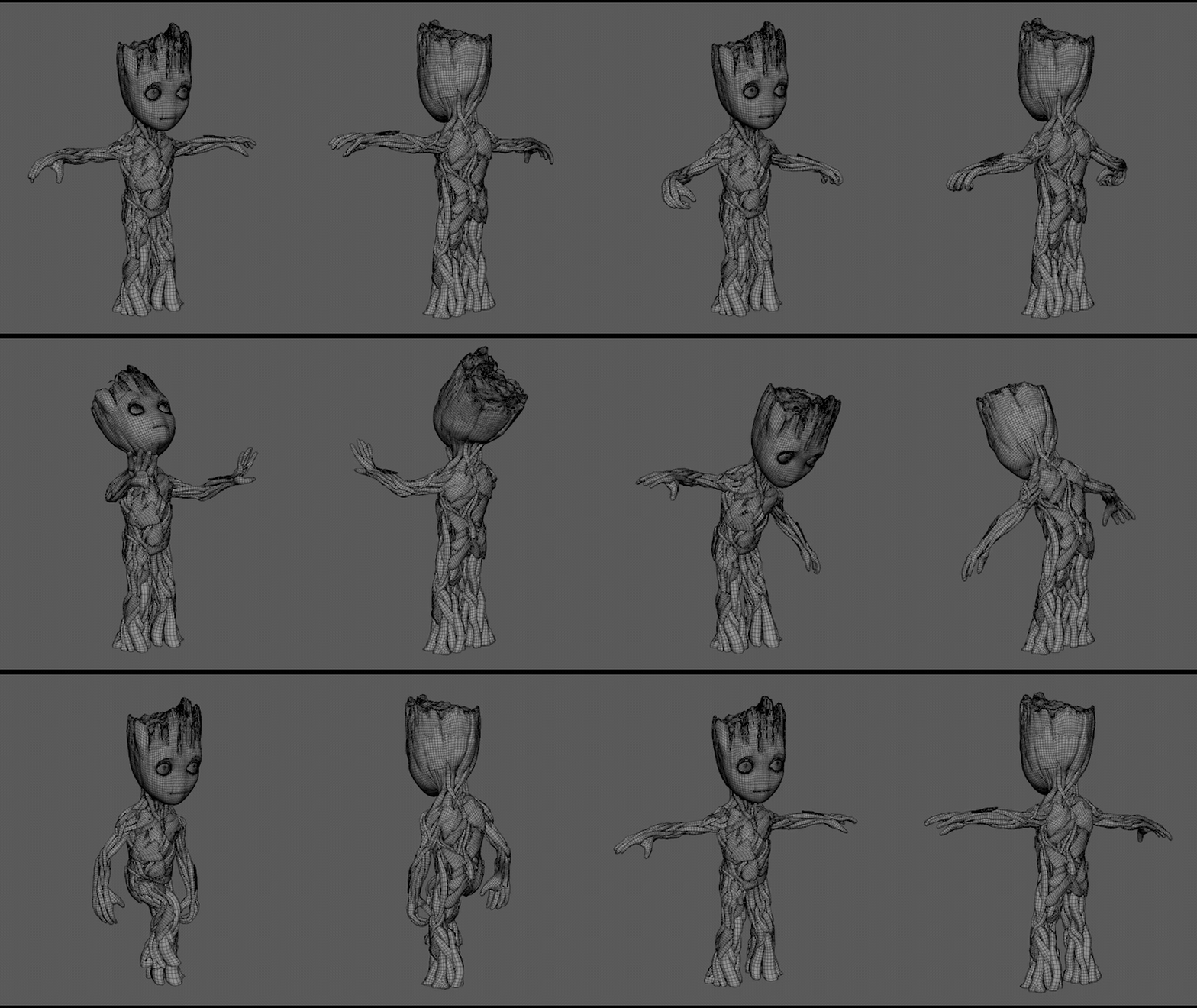
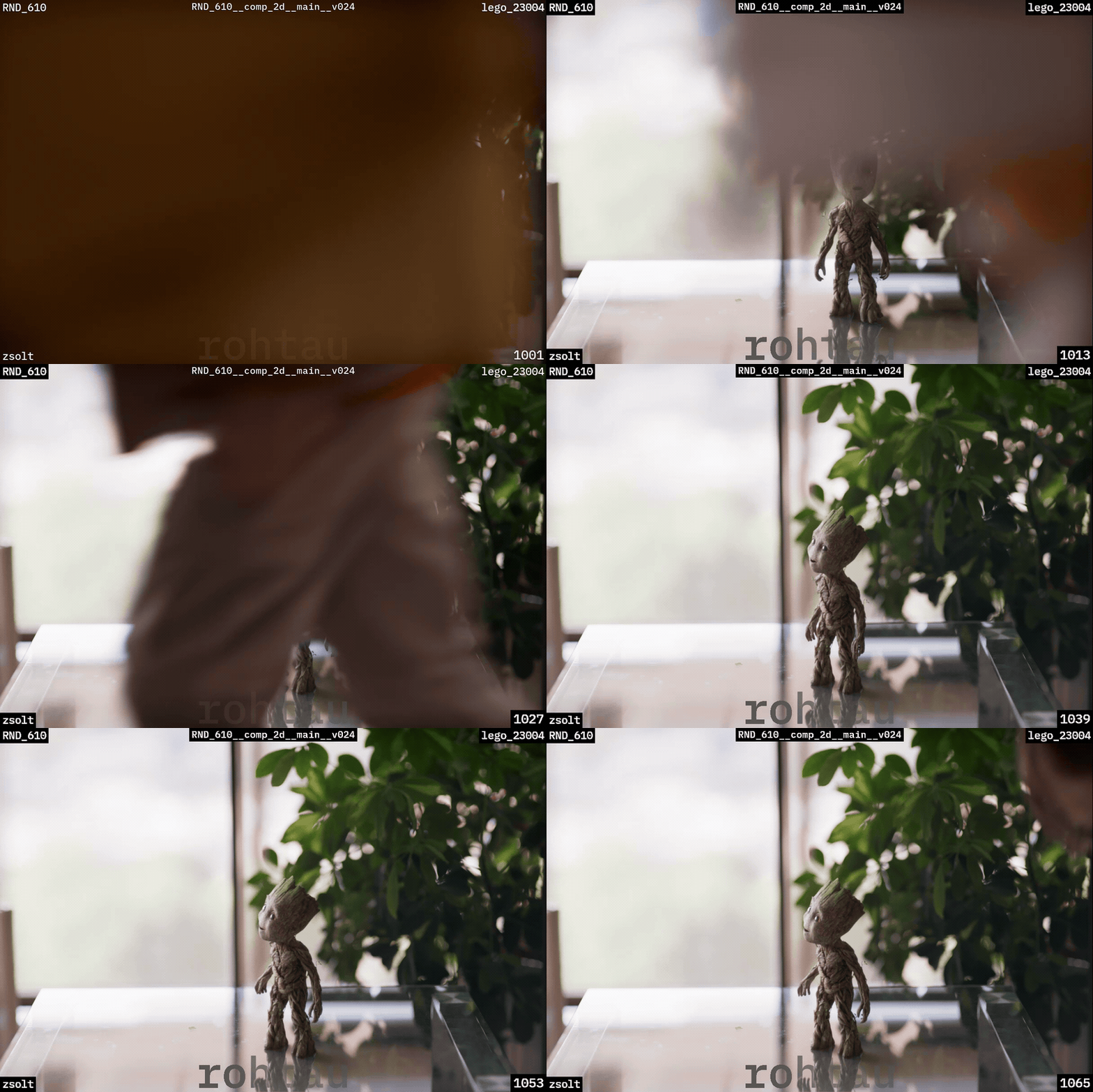
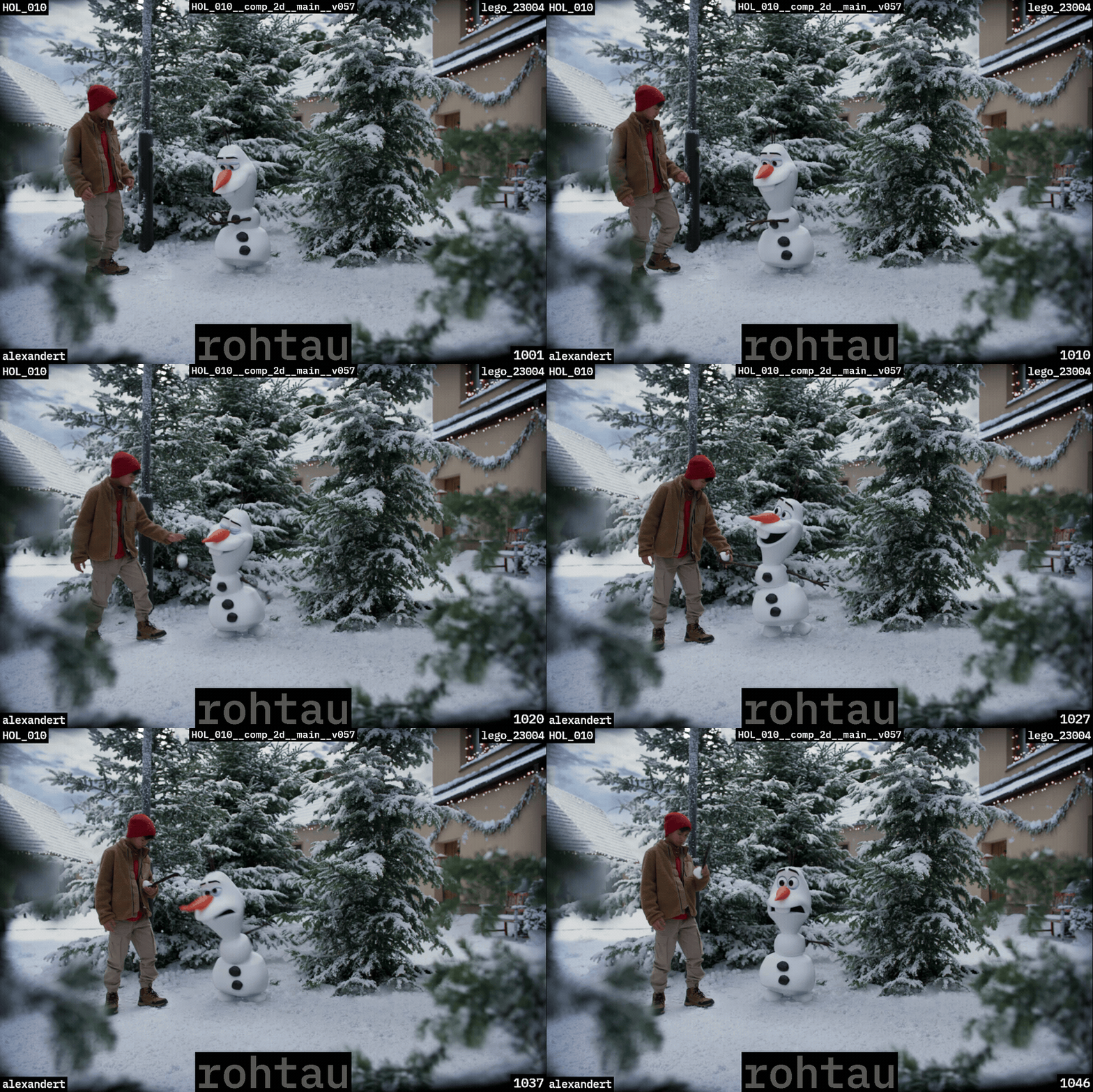
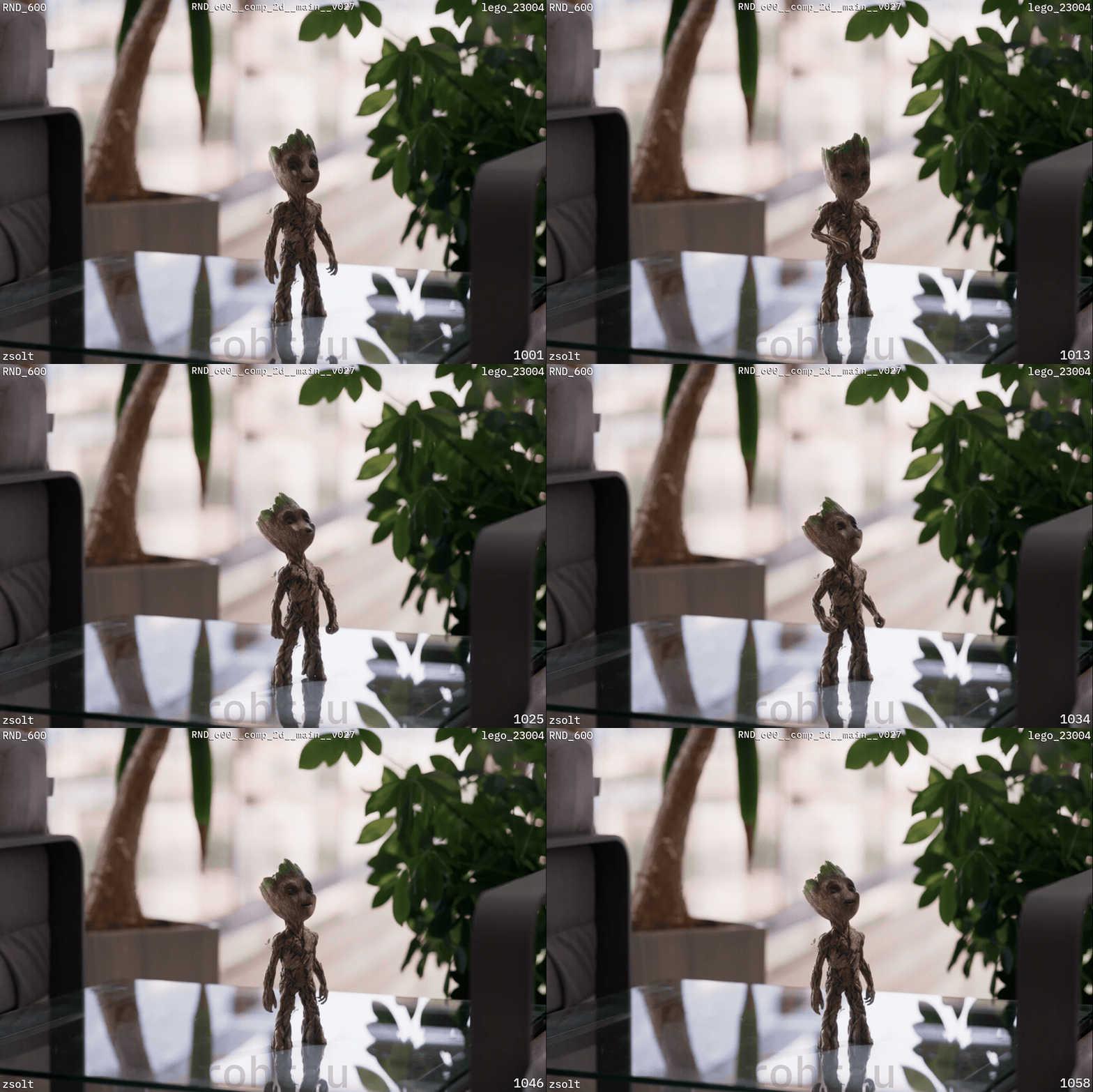
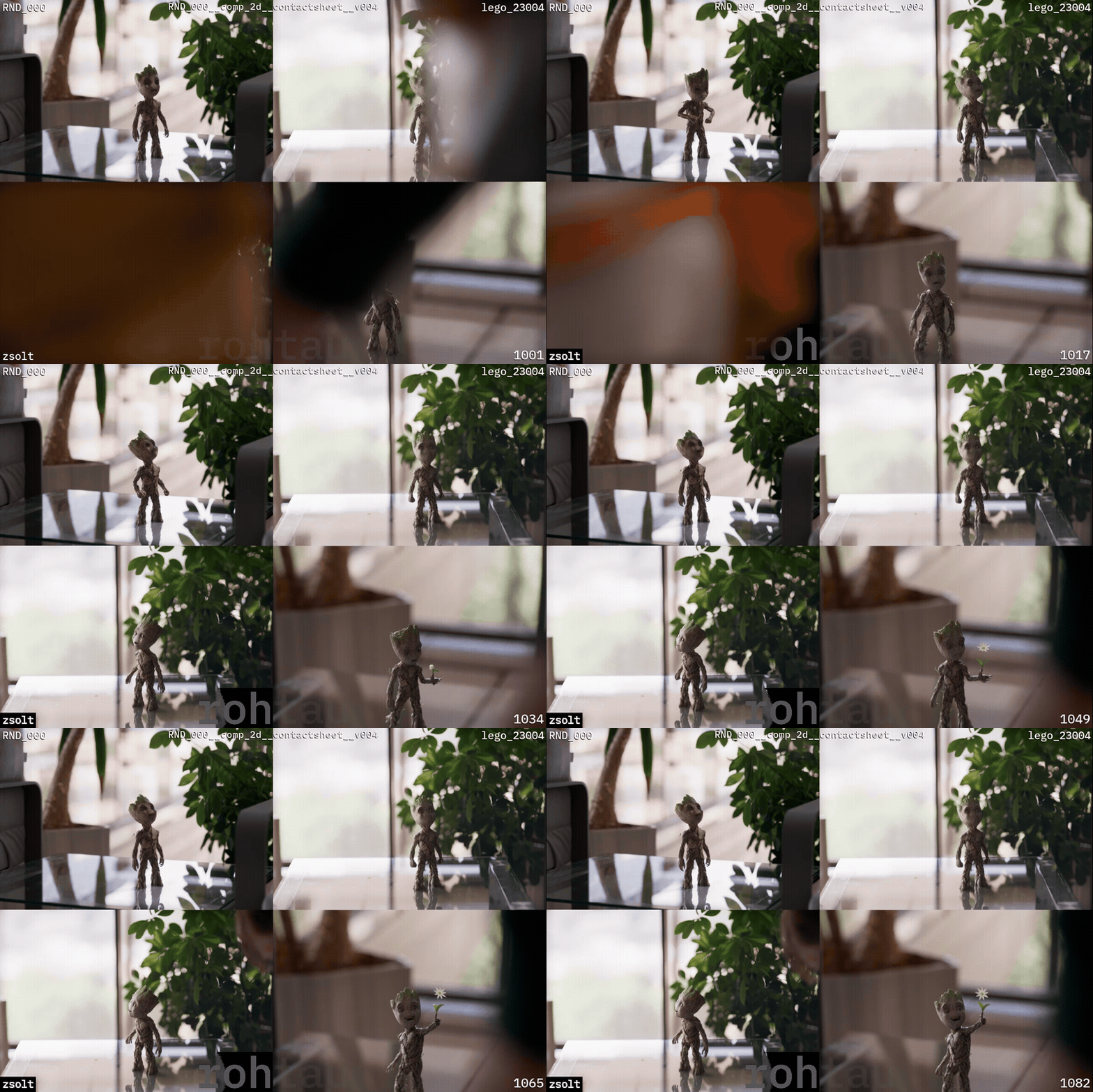
We were also fortunate to have support from Disney's team and Framestore's film division, who supplied mesh and asset libraries for Olaf and Groot, respectively. Adapting assets of that calibre — optimising rigs, lookdev and shaders for commercial rather than feature rendering — was genuinely illuminating. The craft that goes into those builds is remarkable.
Build: Modelling, Texturing and Look Development
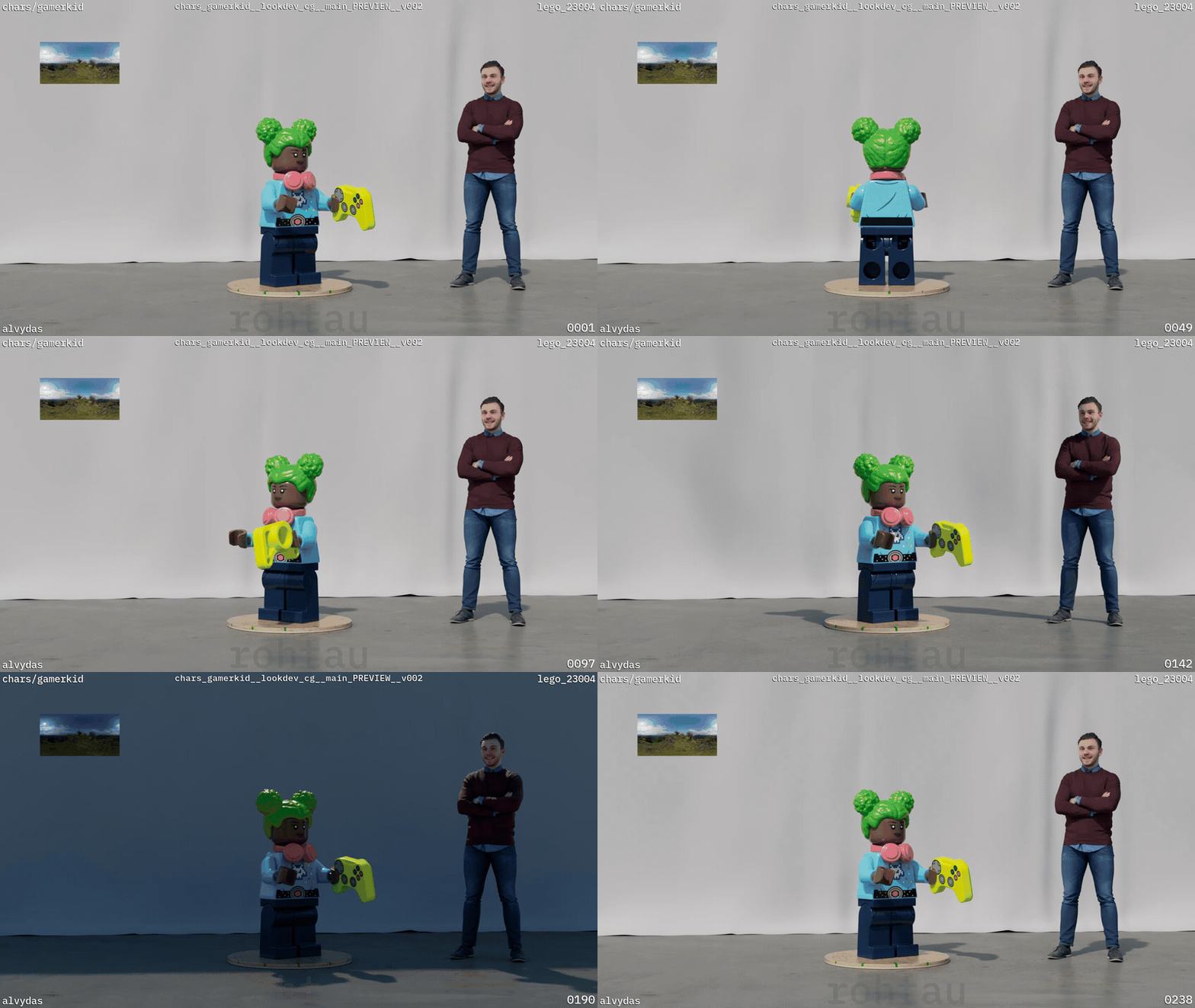
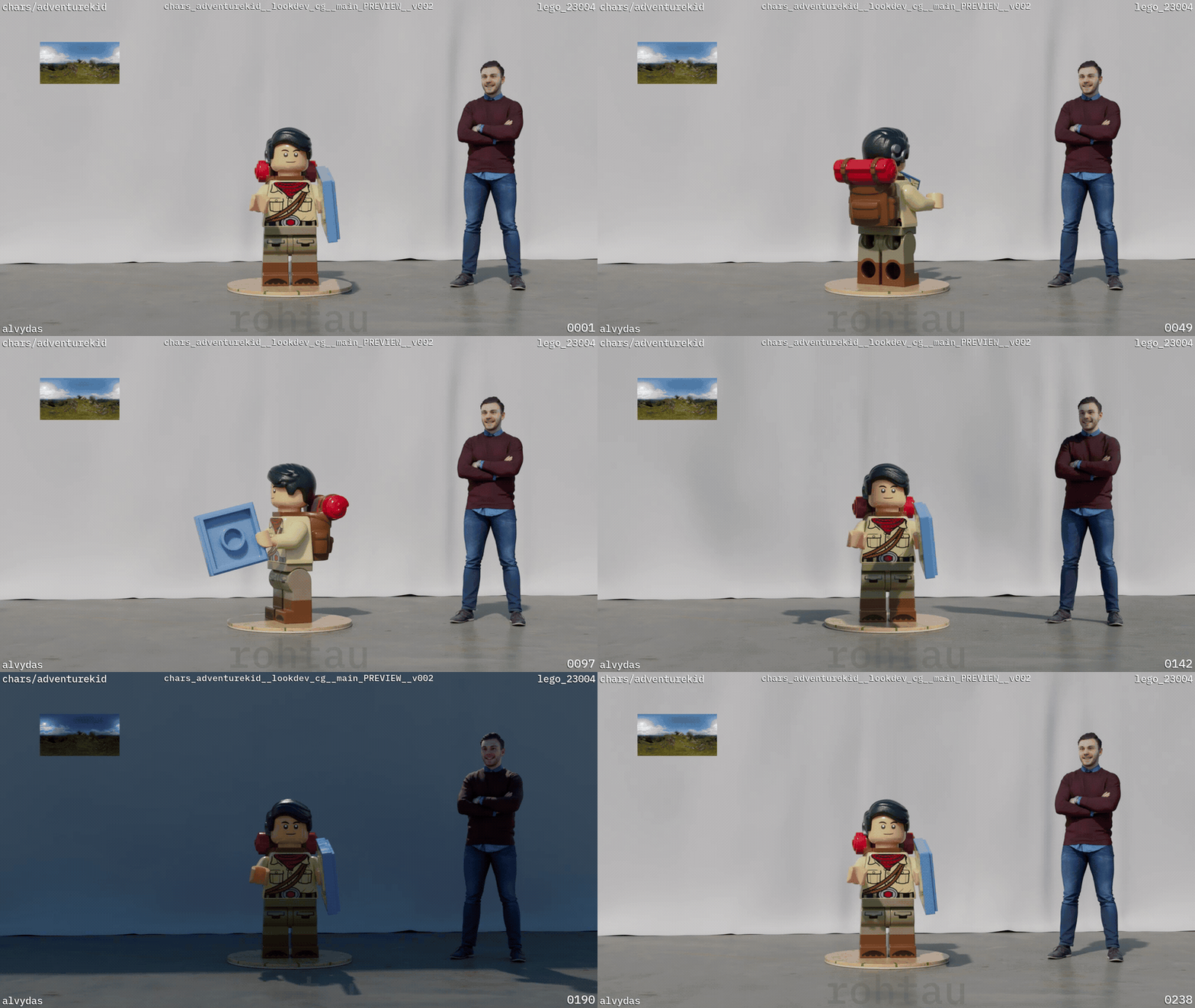
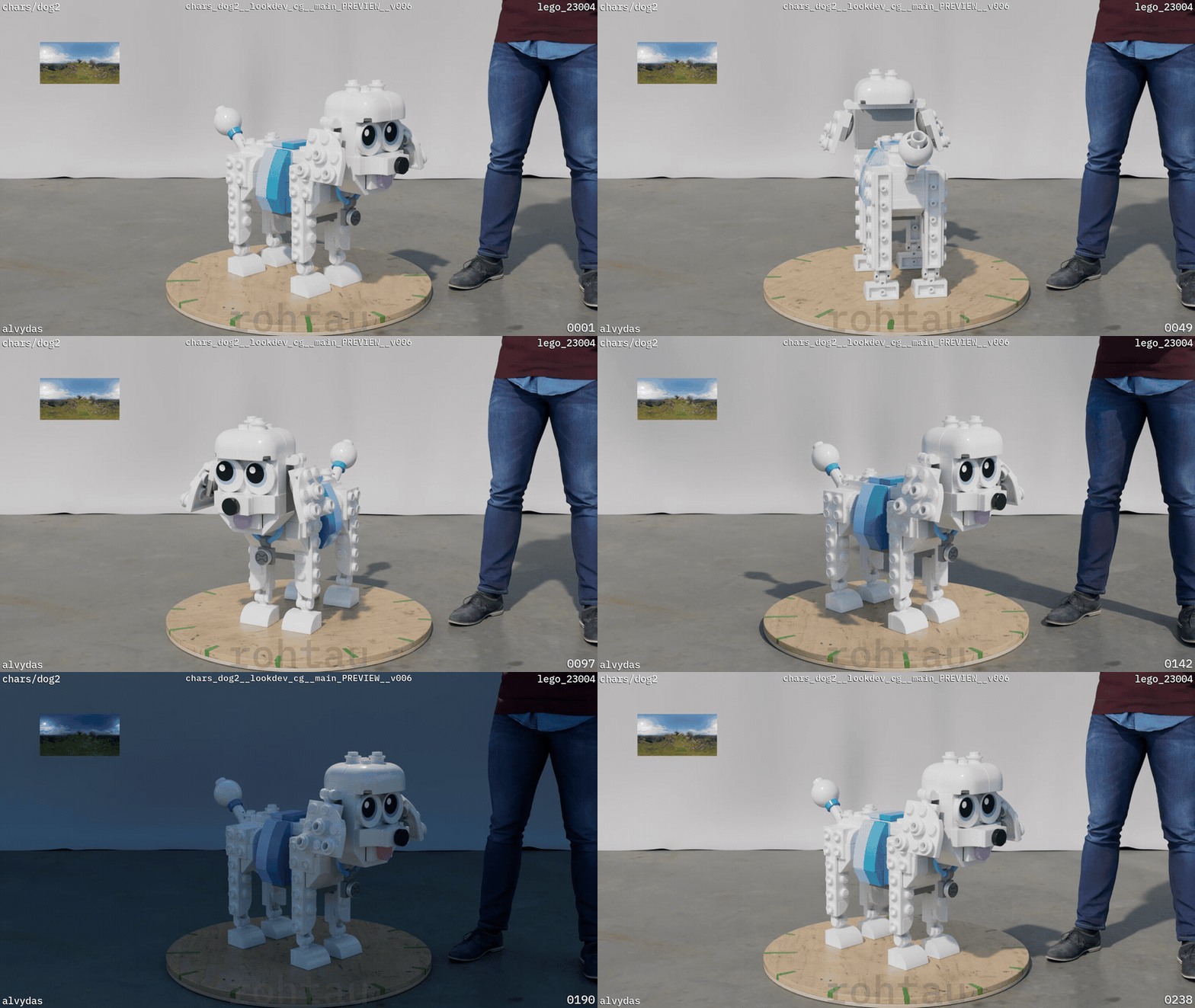
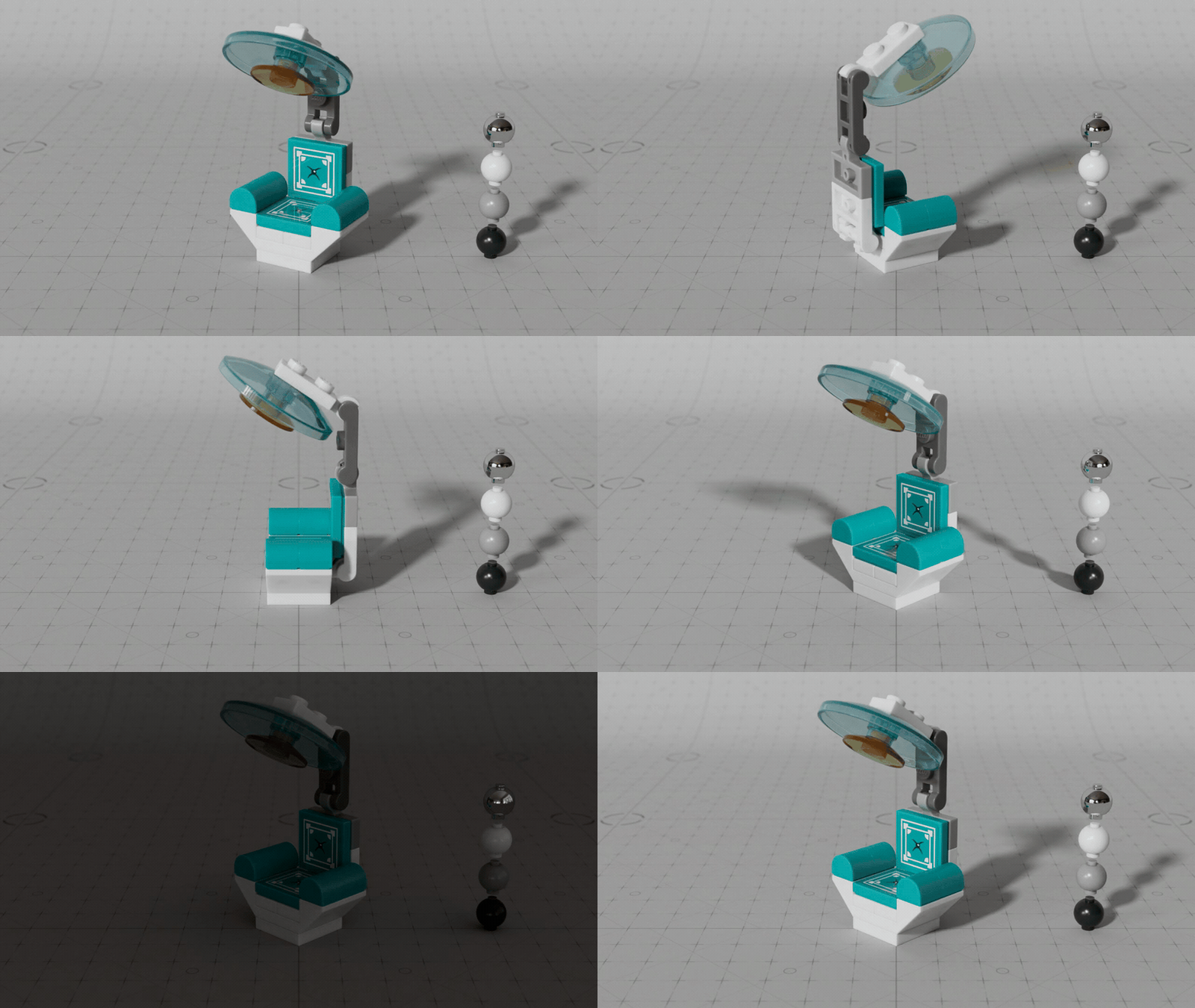
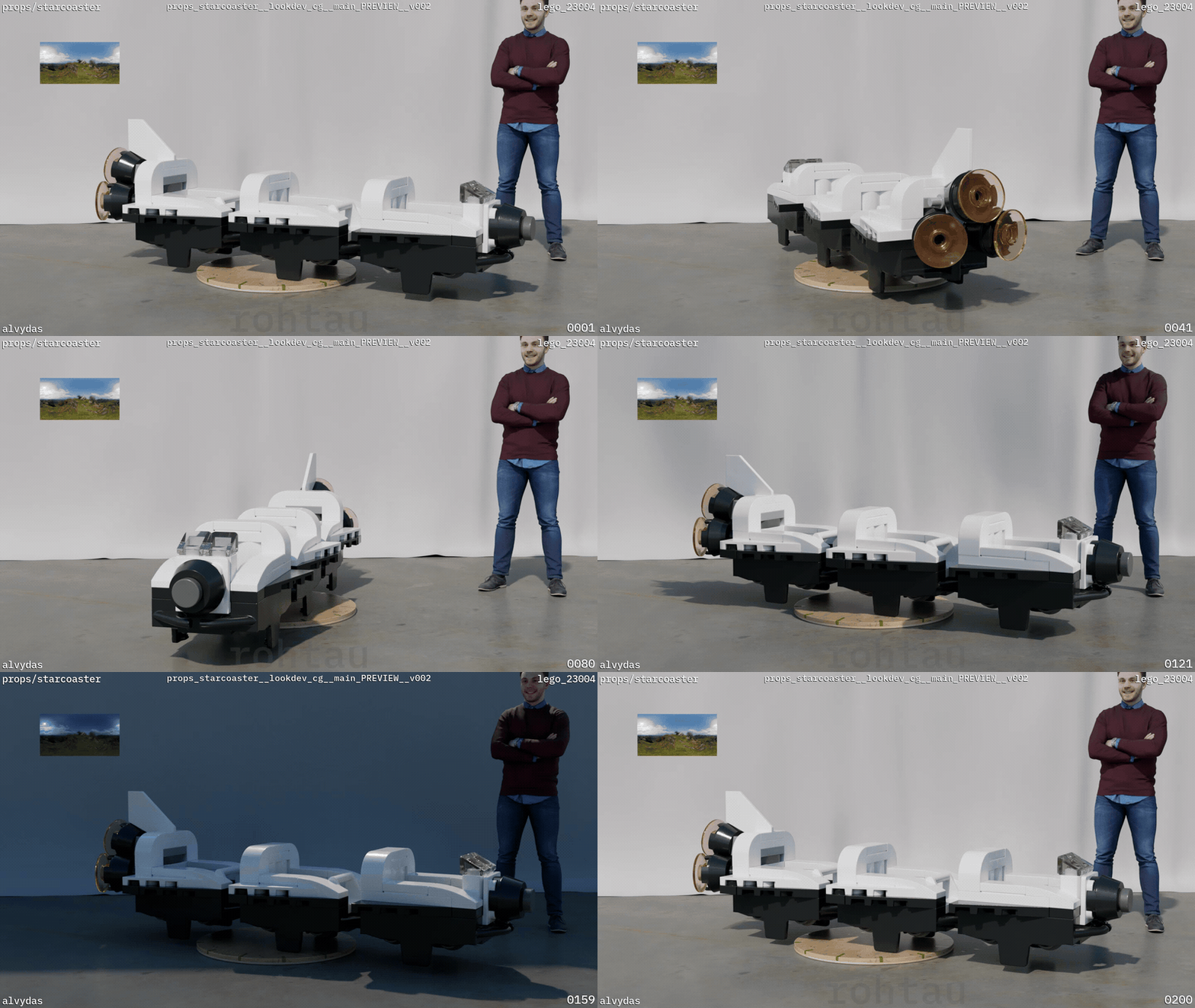
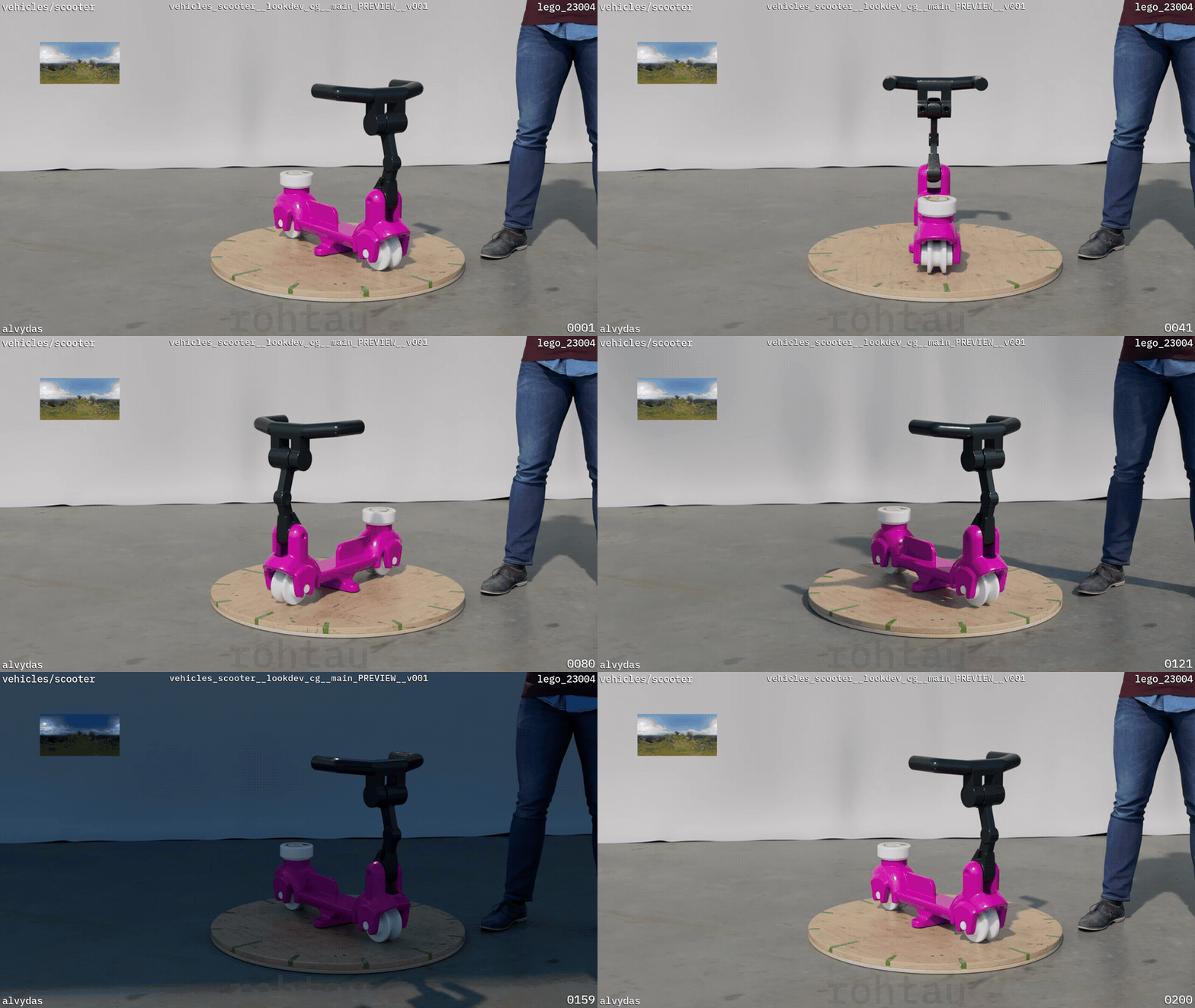
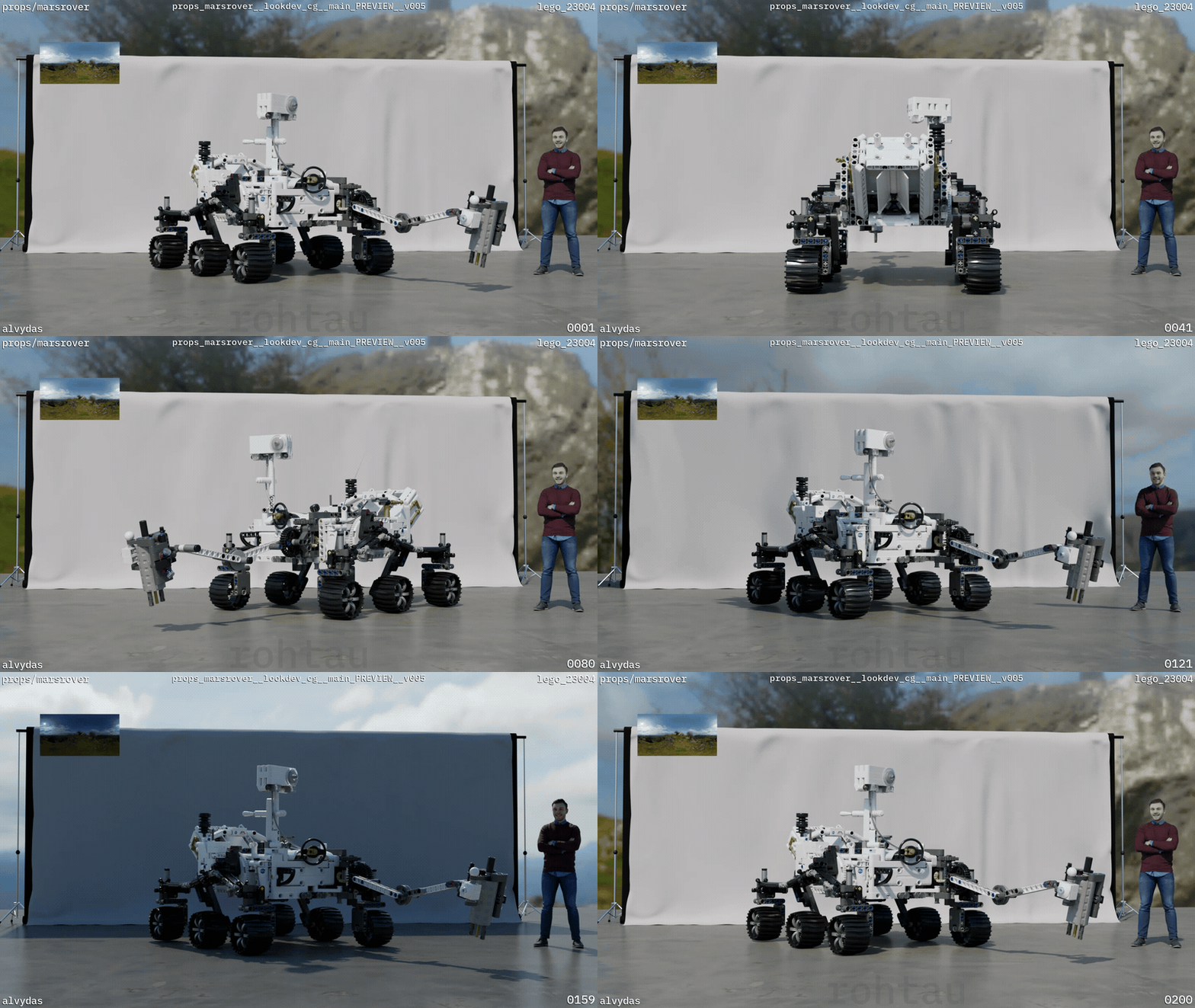
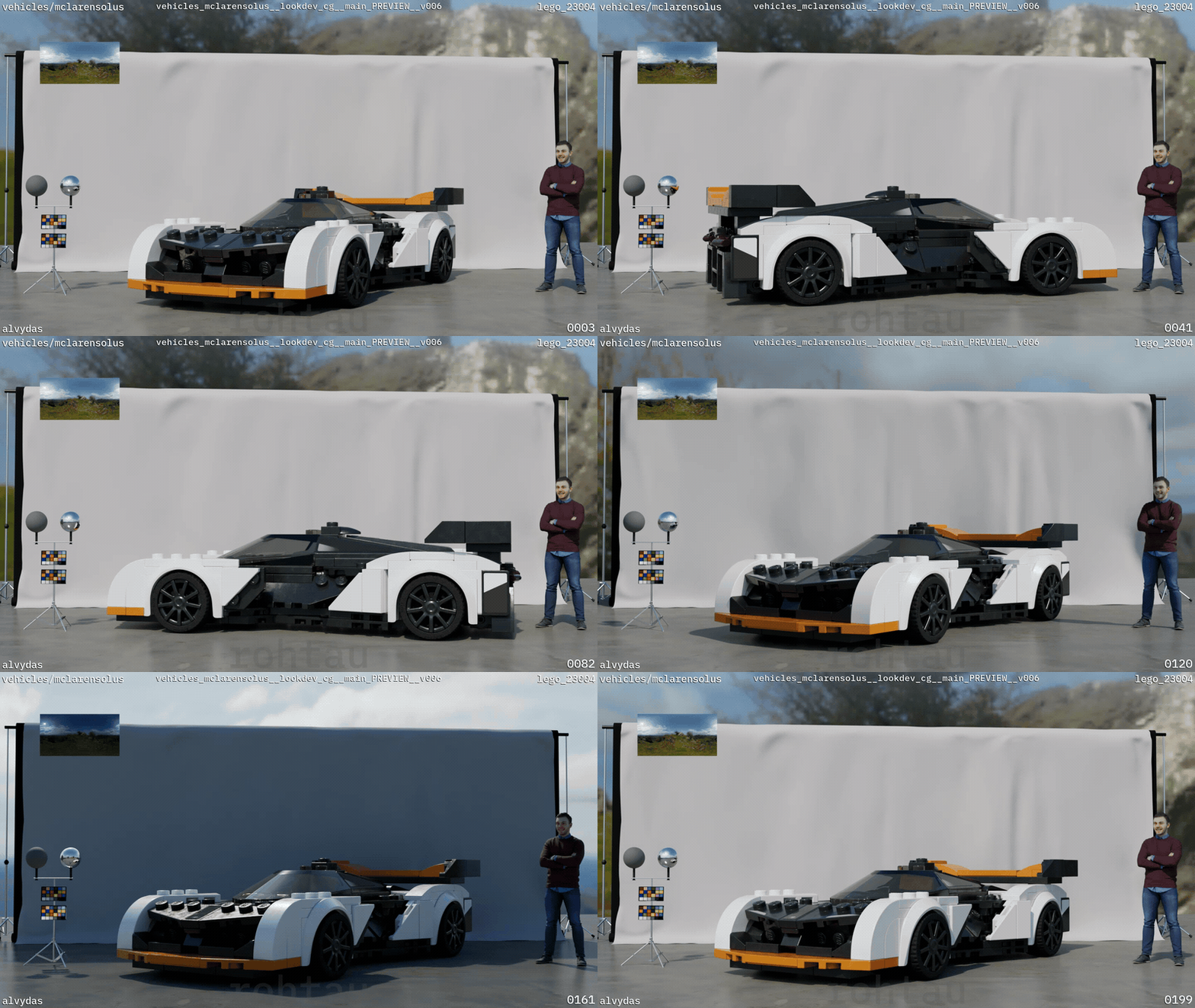
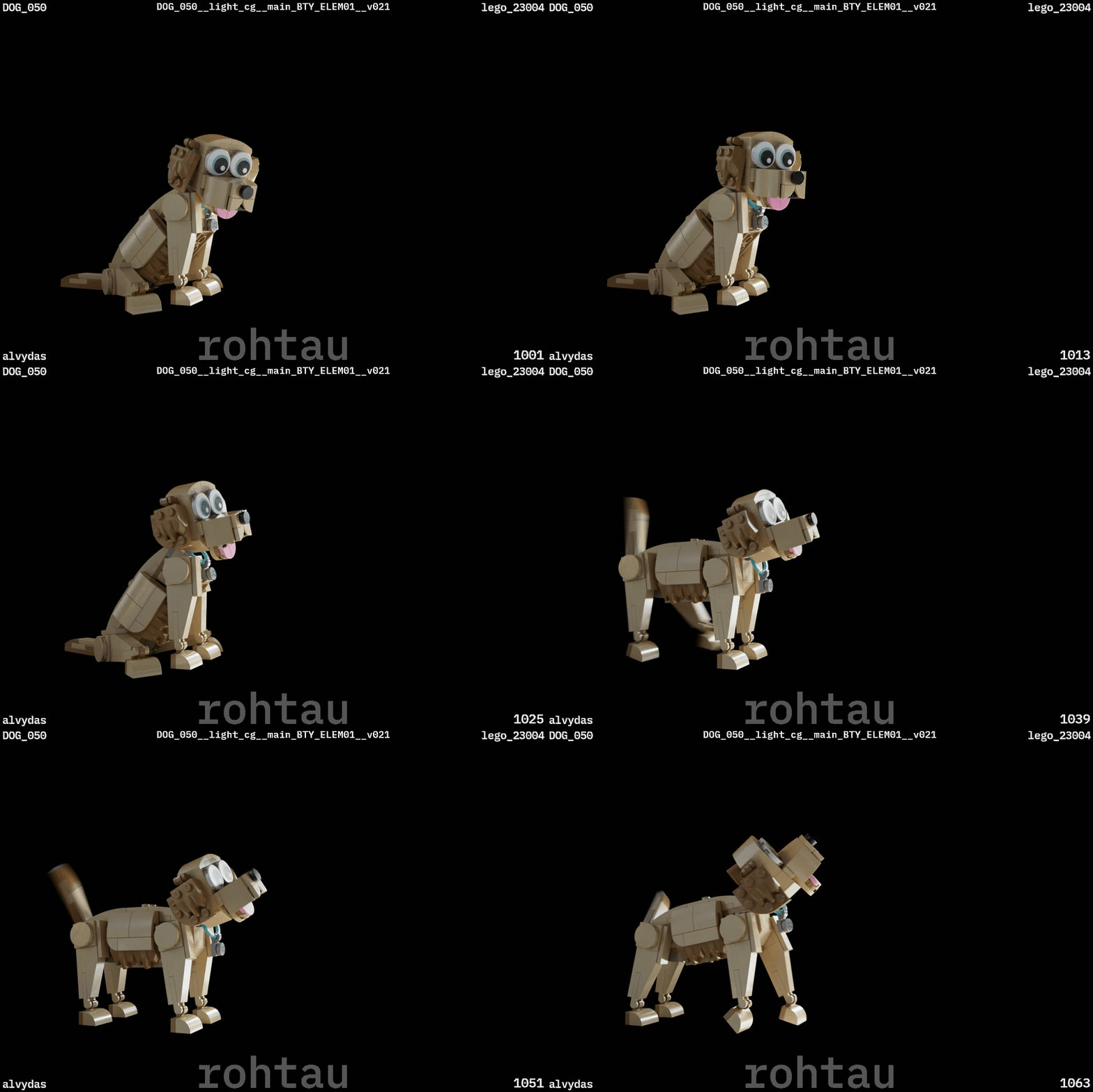
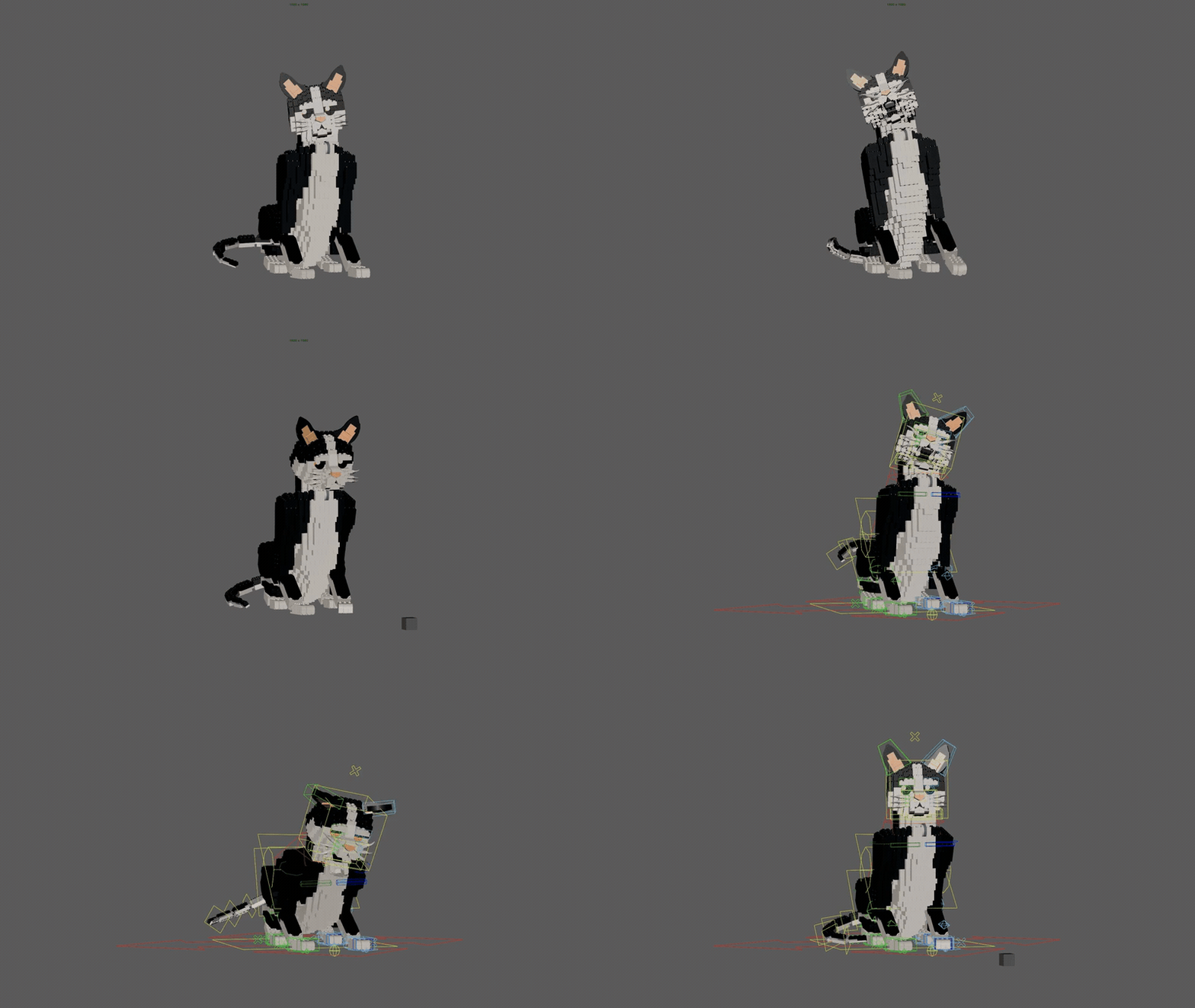
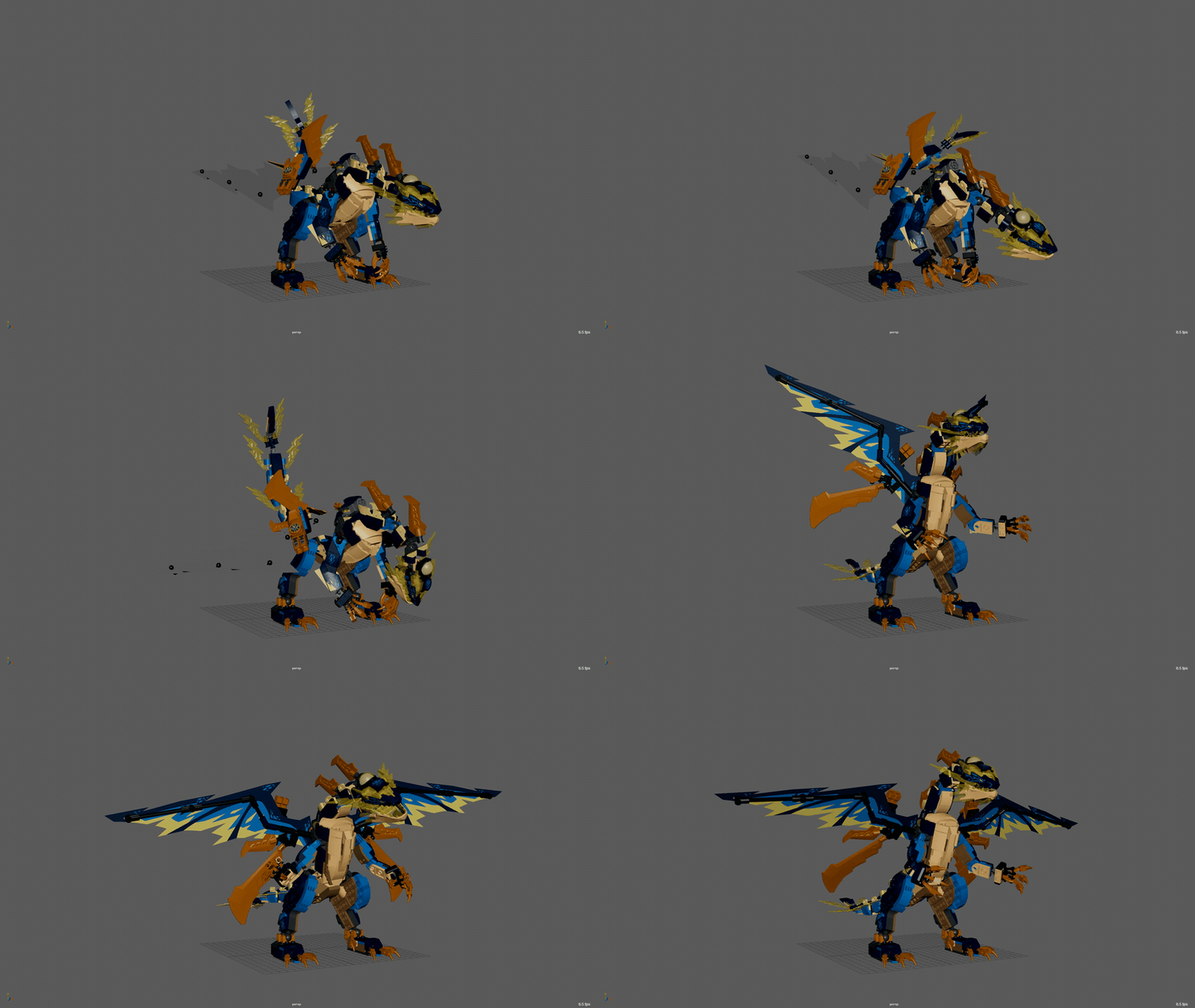
We modelled dozens of characters and props across the six spots, including complex assets like a dragon with sophisticated procedural shaders — built as an OTL in Houdini so materials could be shared and standardised across every piece of LEGO® geometry. That standardisation was one of the key decisions of the project: it meant lookdev became a process of balancing and refinement rather than rebuilding from scratch each time.
On the surface detail side, we built a texture library of imperfections — fingerprints, smudges, micro-dents, subtle surface variation — to give the bricks a tactile, photographic quality.
The goal was plausibility: LEGO® that felt handled, loved, real.
Animation
Needless to say, we had to follow the language of animation defined by Lego and, in particular, The Lego Movie was a constant reference.
Given that our animation team were well-versed in it, this didn't turn out to be hard at all, and we could focus on finessing the animation as it should be, something I was very proud of.
Pipeline and Automation
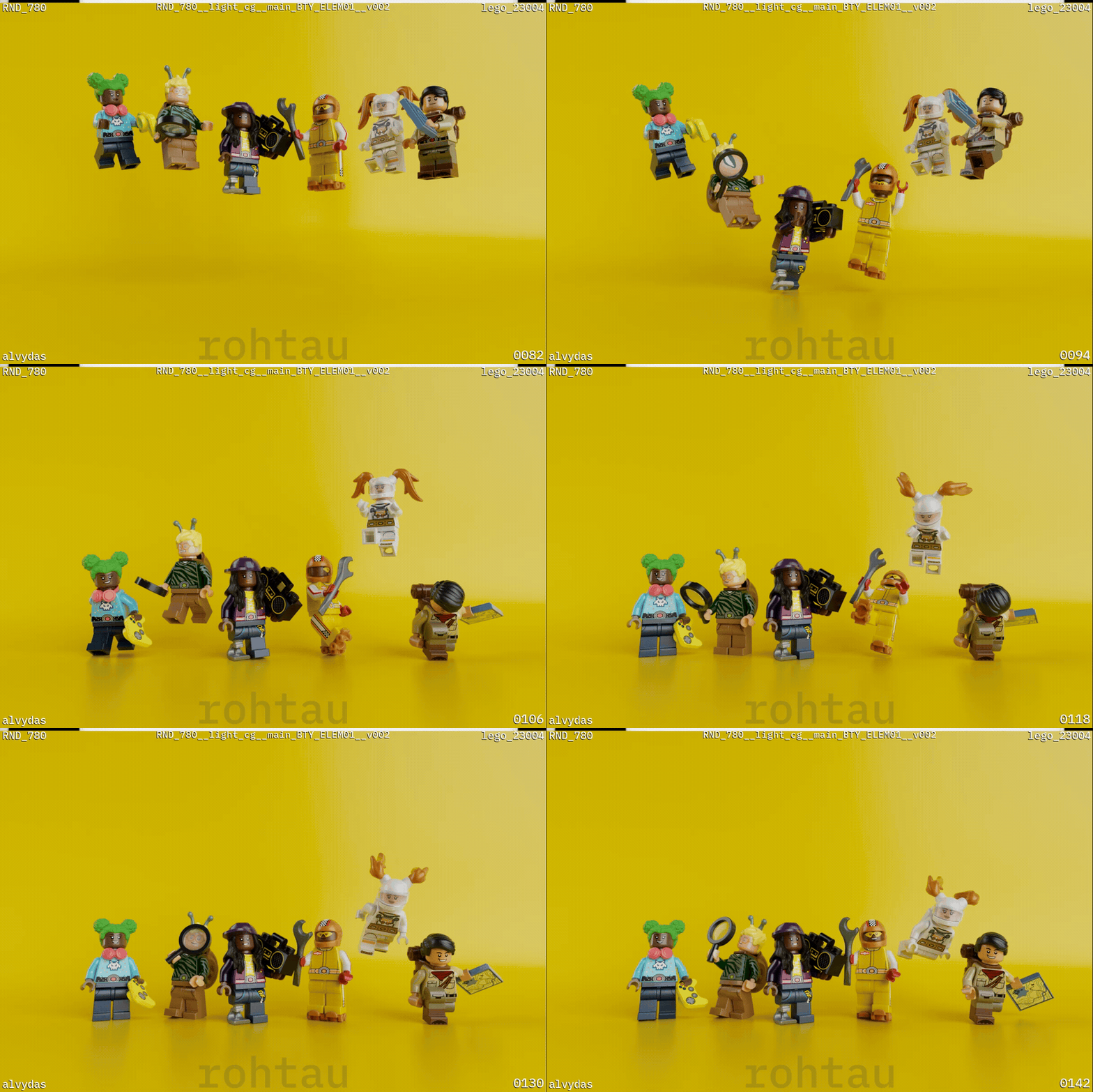
The compositing team — coming largely from a feature film background — built a set of tools on top of our existing pipeline to automate and quality-check at scale: timecode verification, depth-of-field validation, distortion grid checks and more.
As each commercial progressed, we developed CGI templates and Nuke comp sequences that could travel fast across shots. Completed sequences were automatically synchronised with Gabha's Flame team, who assembled the final pieces alongside their design department.
It was a genuinely collaborative production — not just between the two studios, but across disciplines, time zones and workflows. And the results show it.
Working with a brand as iconic as LEGO® is a privilege. Working on six films with Ellen Kuras makes it something else entirely.
The link has been copied!
Your link has expired. Please request a new one.
Your link has expired. Please request a new one.
Your link has expired. Please request a new one.
Great! You've successfully signed up.
Great! You've successfully signed up.
Welcome back! You've successfully signed in.
Success! You now have access to additional content.