Miracle-Gro 'The Glovers'
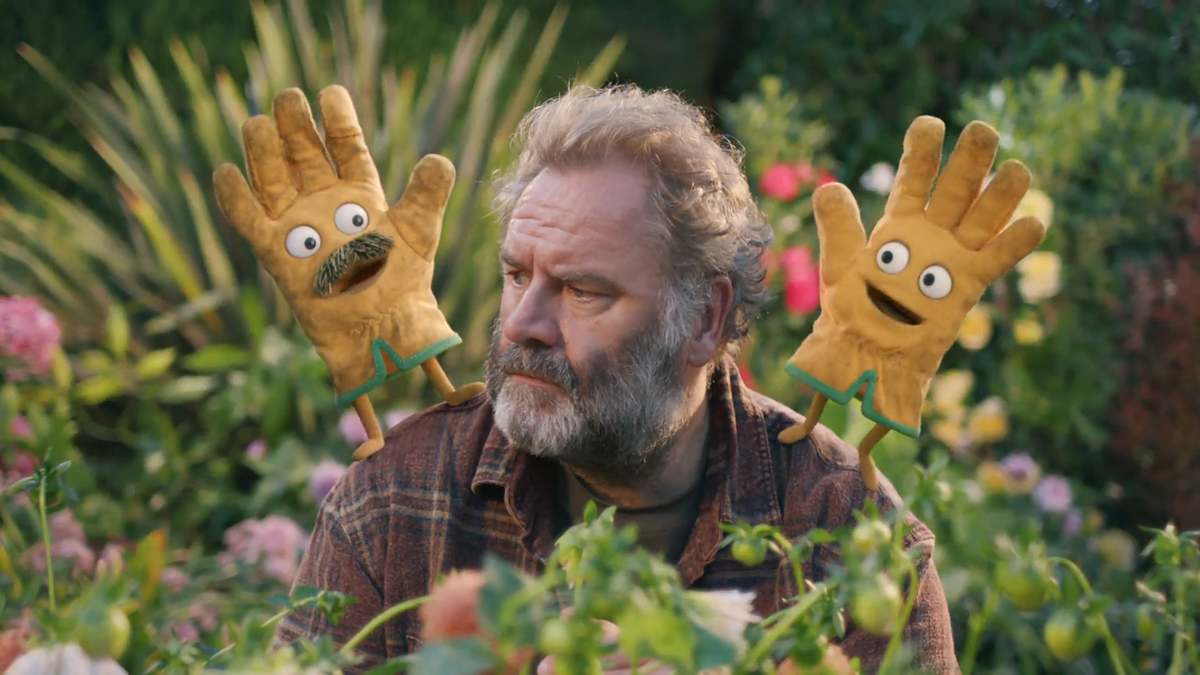
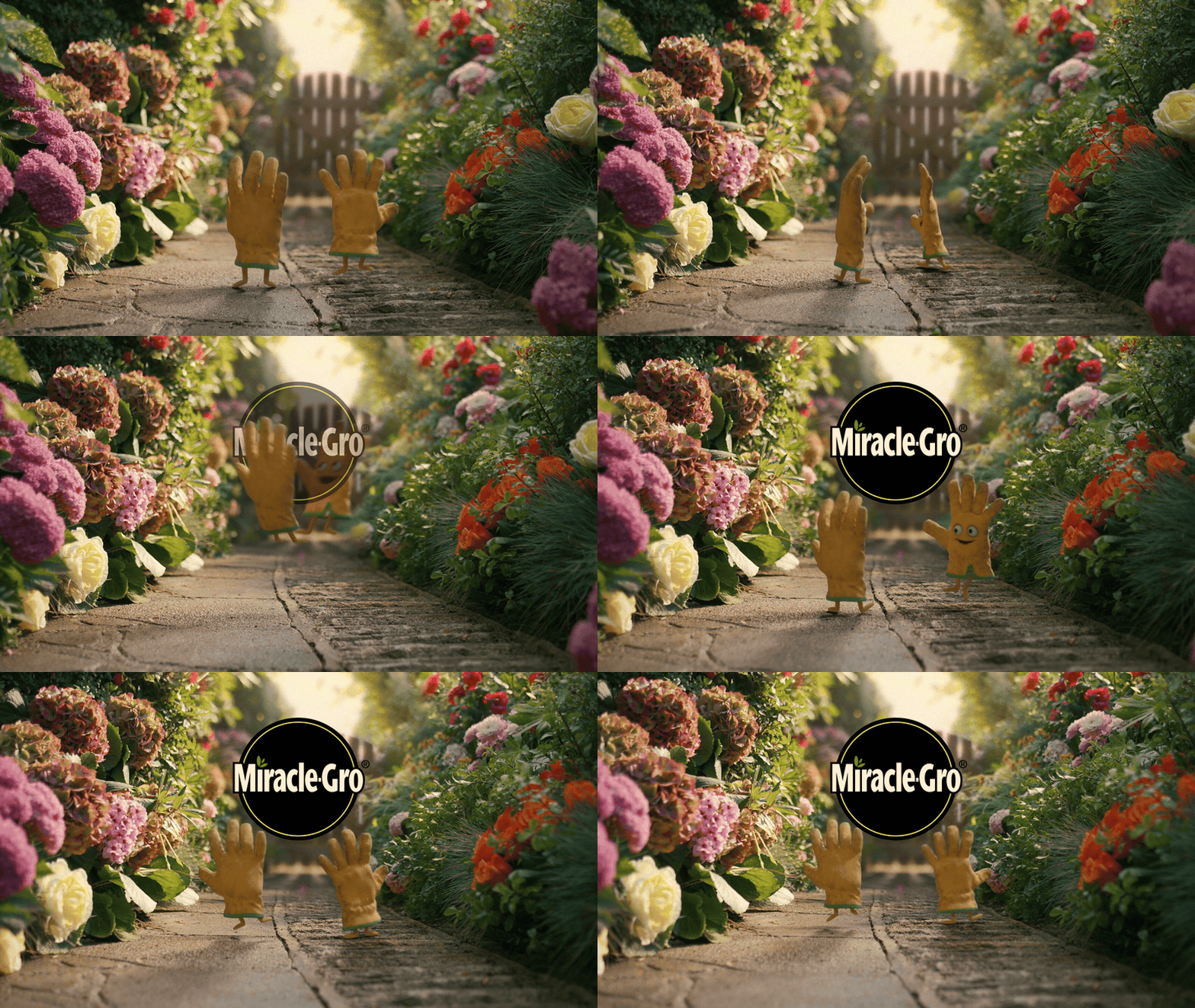
What does it take to make a CG character forget it's CG? For this Miracle-Gro campaign, directed by Alex Boudin through Rogue for agency Girl & Bear. One of the most rewarding projects we've had the pleasure of building.
What does it take to make a CG character forget it's CG? For this Miracle-Gro campaign, directed by Alex Boudin through Rogue for agency Girl & Bear. One of the most rewarding projects we've had the pleasure of building.

Director: Alex Boudin
Prod. Company: Rogue
Agency: Girl & Bear
Client: Miracle-Gro
There's a particular kind of project that reminds you why character work is so rewarding — and this is one of them. From the earliest conversations with the agency, this wasn't simply a brief to animate two characters; it was an invitation to build them from the ground up. Their personalities, their physicality, the way they relate to each other — all of it developed collaboratively, in close creative dialogue with the agency team.
The result is Mo and Gaz, a father-and-son duo navigating one of summer's most quietly joyful rituals: a day in the garden. Shot against the backdrop of a genuinely beautiful English garden, the world they inhabit has real warmth and texture to it — and that sense of place became a guiding reference throughout production.
The central animation challenge was one that will resonate with any character TD or animator who has wrestled with the uncanny valley in a CG context: how do you make fully digital characters feel present? The answer, here, was to look sideways — toward the physical. Glove puppeteering became a key reference, informing not just the broader movement language but the granular decisions around weight, resistance, and the slight imprecision that makes a performance feel alive rather than calculated.
Lip-sync followed the same philosophy. Rather than driving dialogue with frame-accurate precision, the approach leaned into a looser, more puppet-inspired read — close enough to be legible, loose enough to feel handmade. The eyes were treated as an entirely separate system. Blinking was used sparingly and deliberately; the characteristic CGI tendency for eyes to dart and scan was actively suppressed in favour of something steadier and more considered.
Director Alex brought a strong point of view to the dynamic between the two characters that shaped the final performances significantly. Rather than playing Mo and Gas as a straightforward comedic duo, he framed their relationship around continuous discovery — a father and son perpetually finding the world interesting together. It's a subtle shift, but it's what gives the spot its particular gentleness.
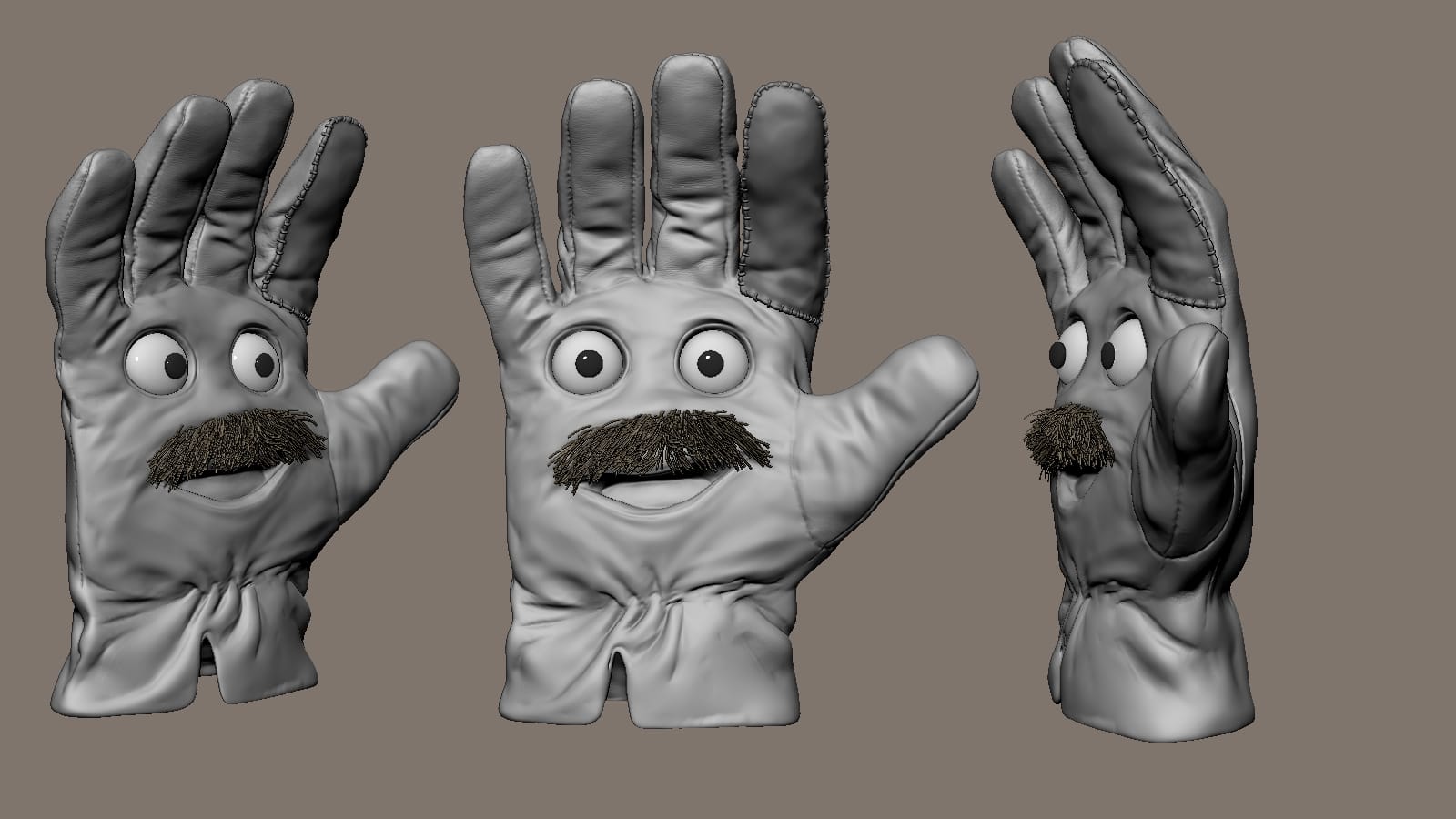
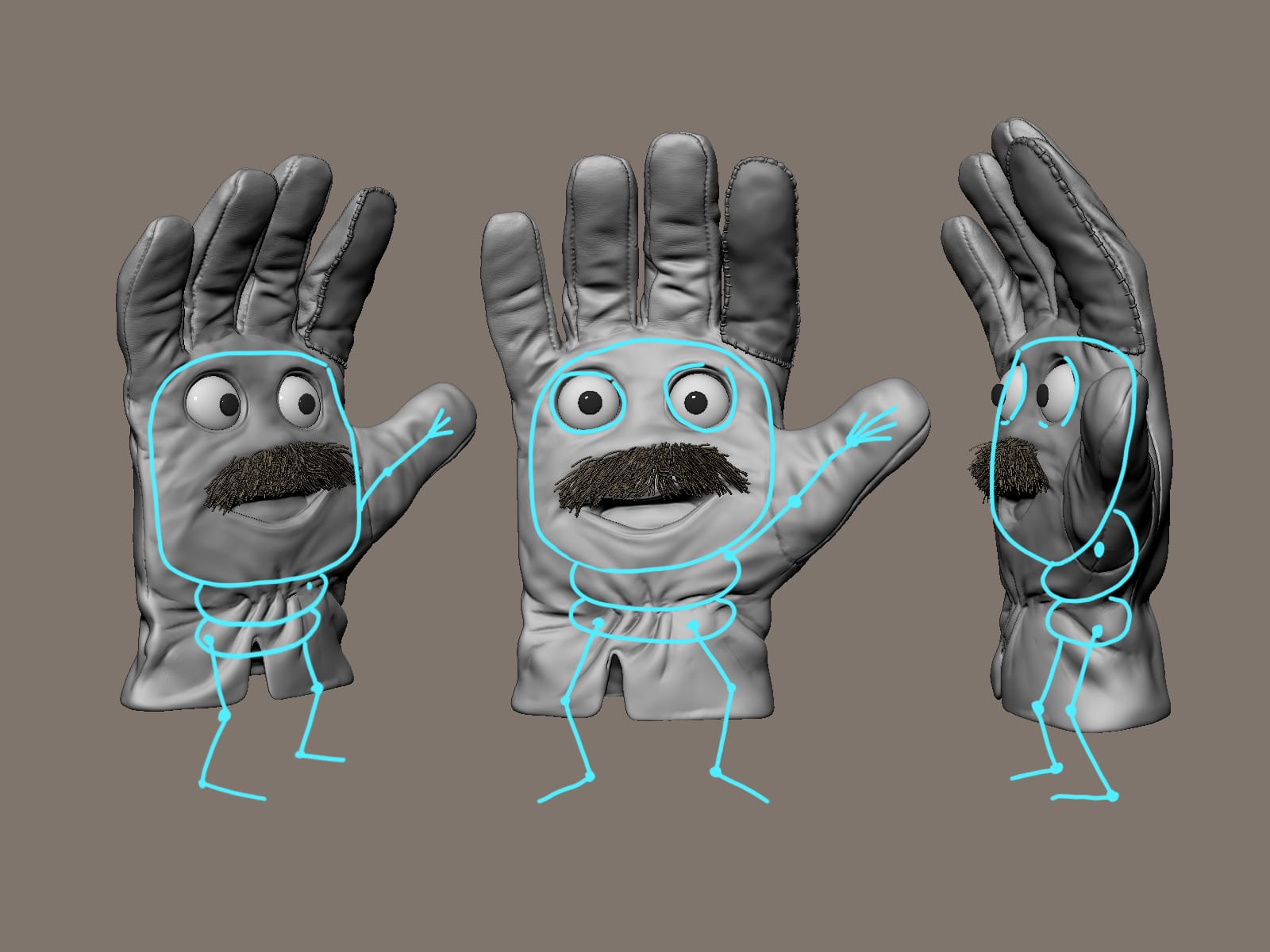
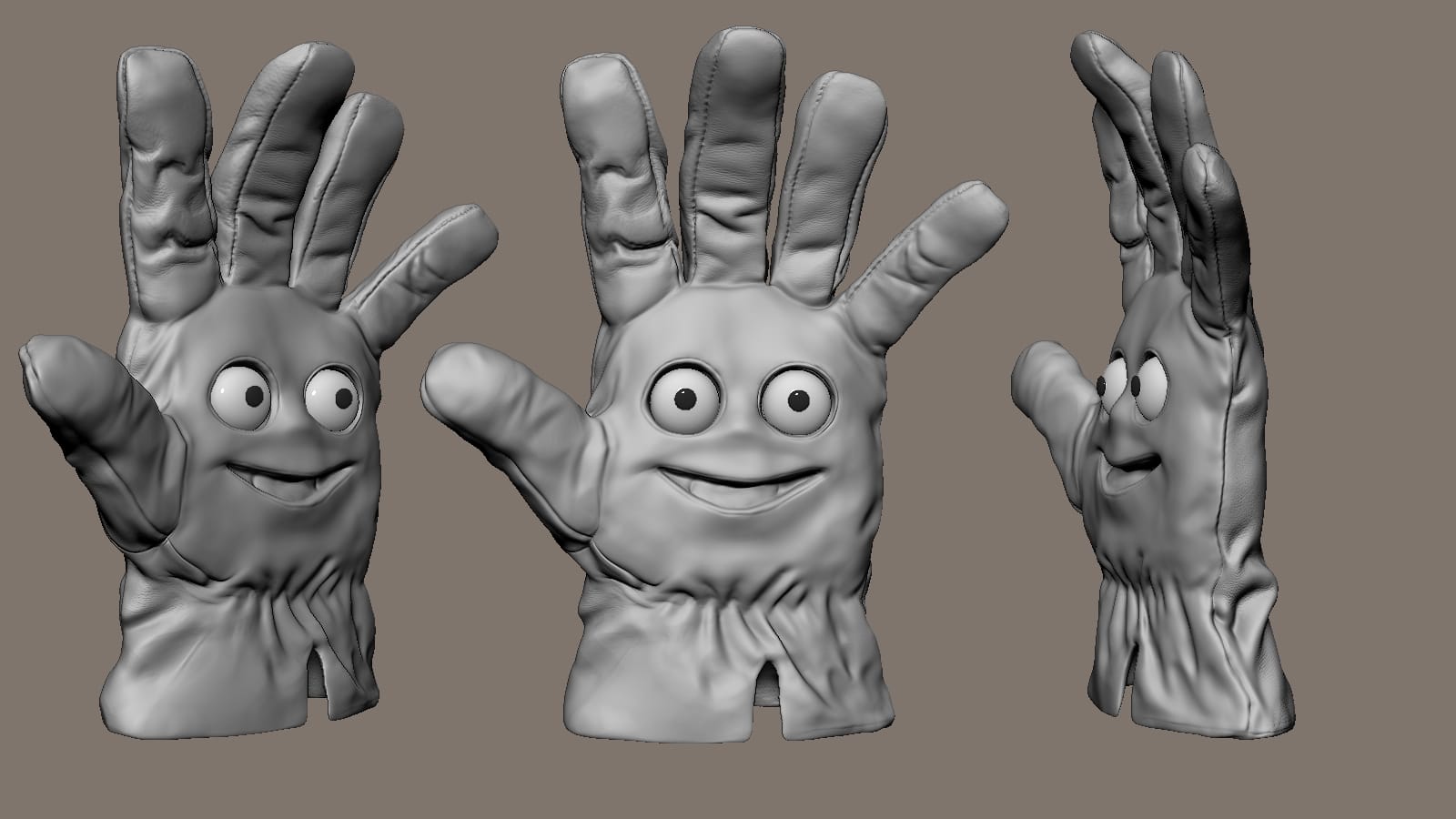
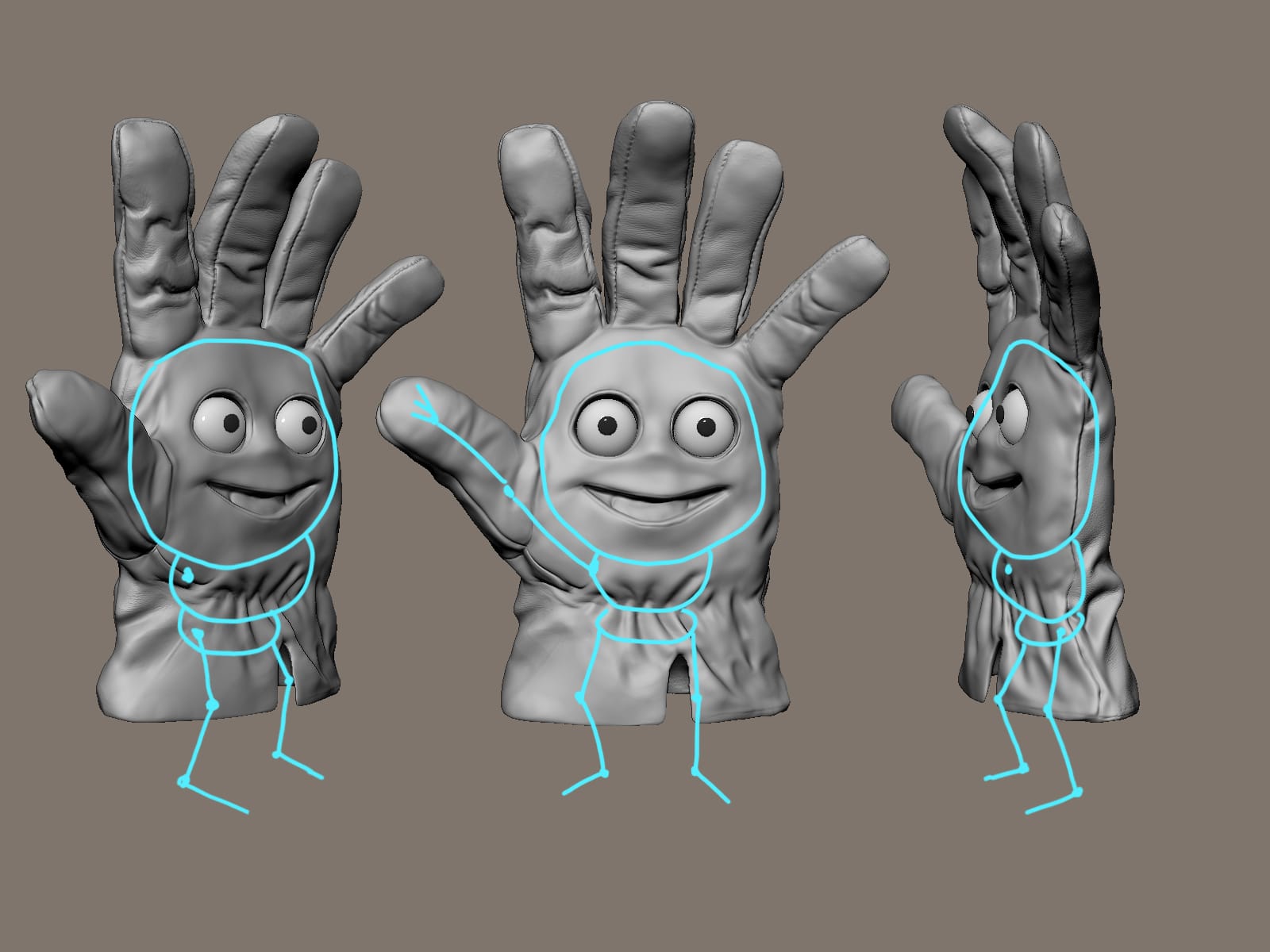
Based on the design brief and references from the director, we built a few sketches to quickly test options and understand the design language the client, agency, and director wanted to pursue.
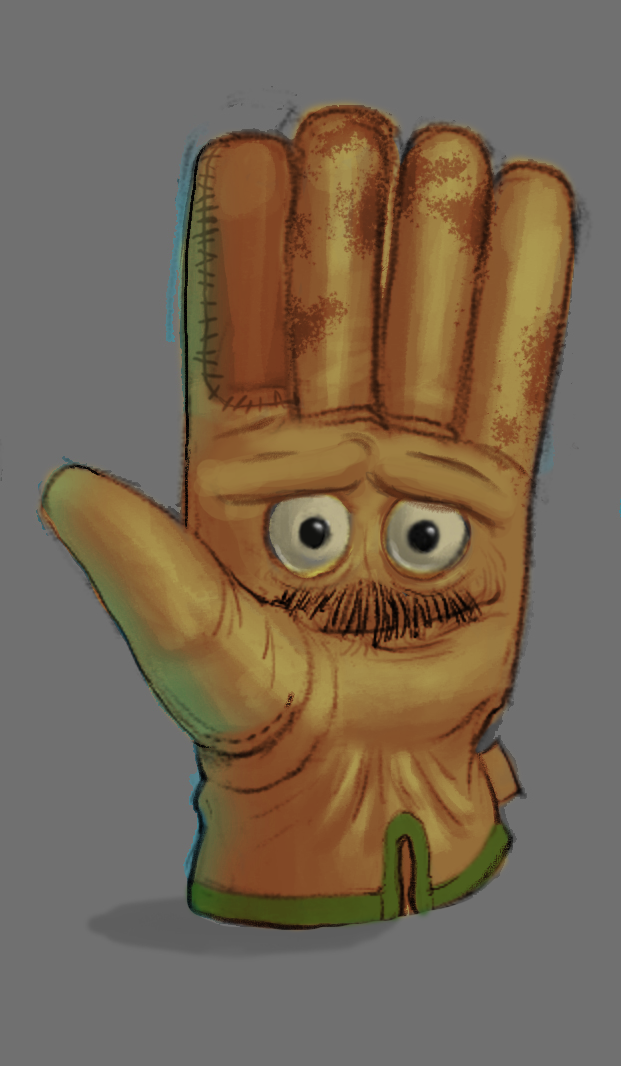
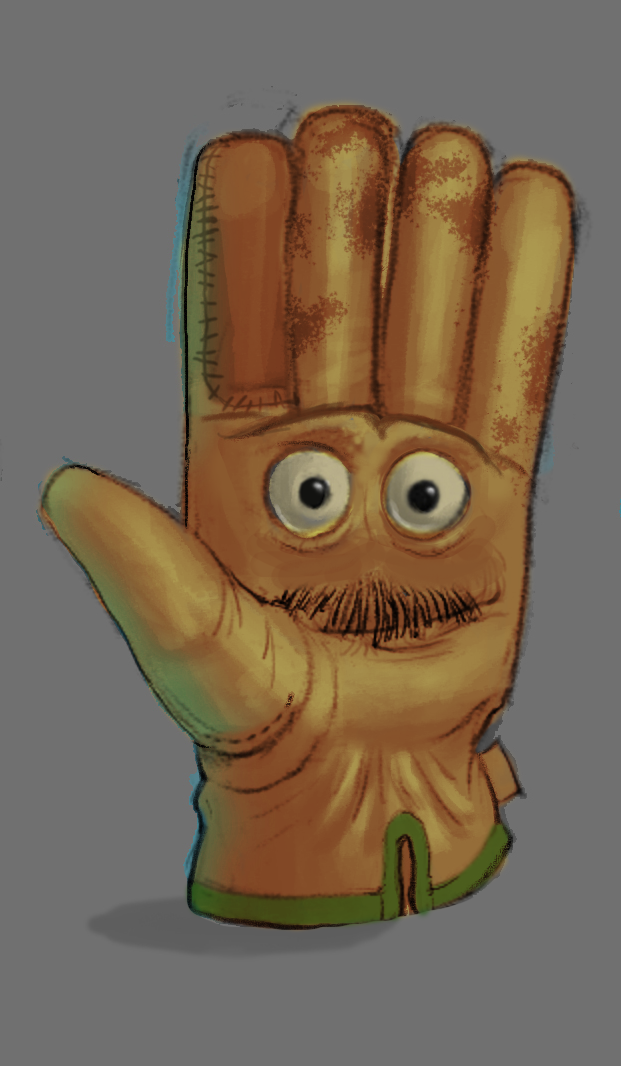
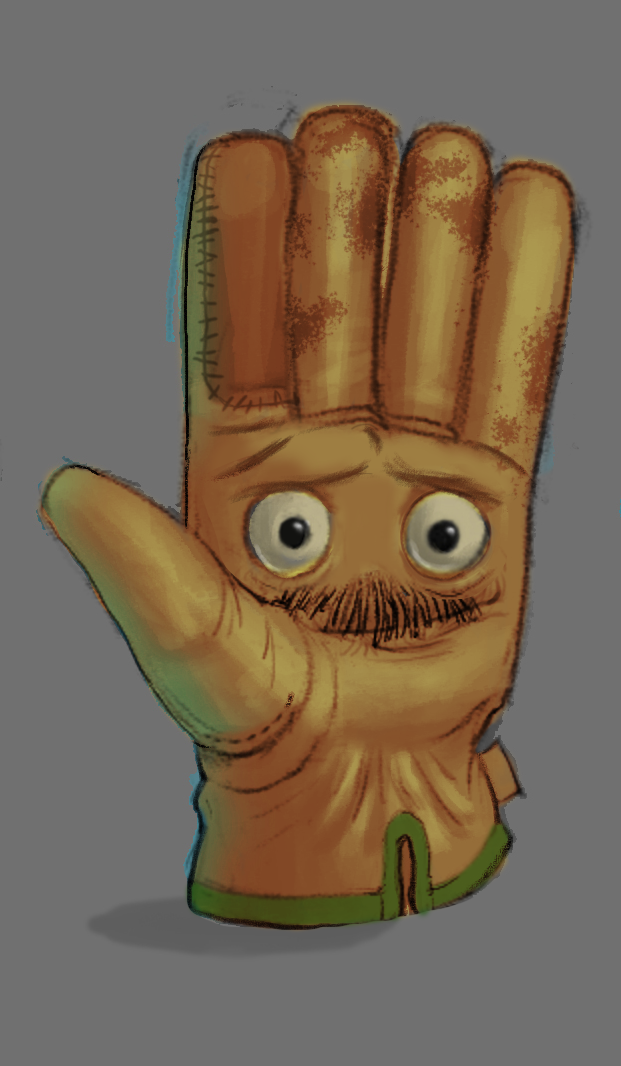
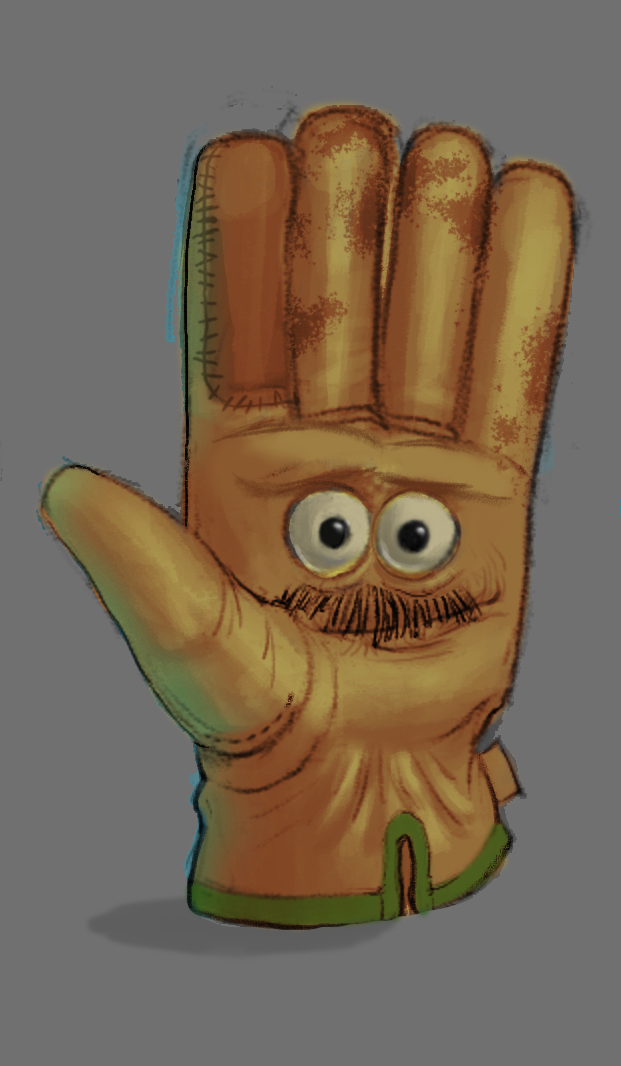
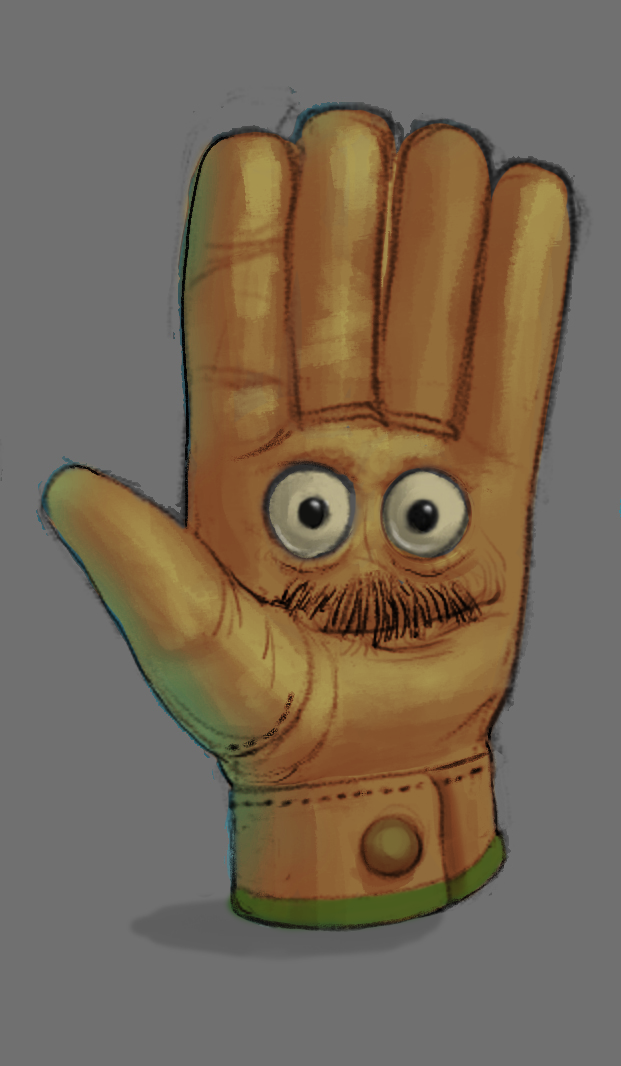
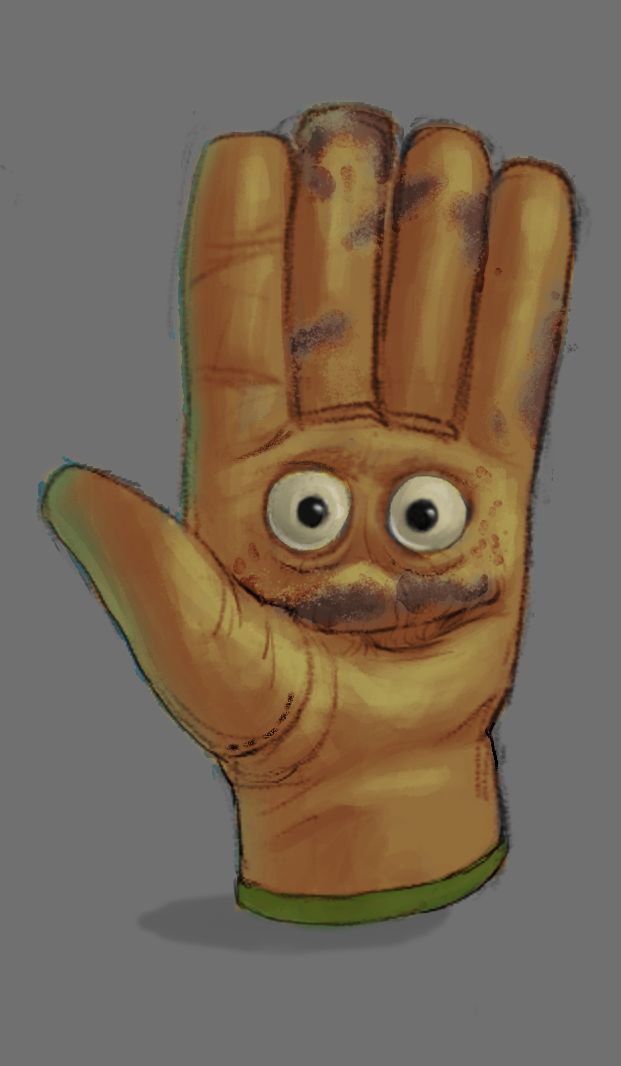
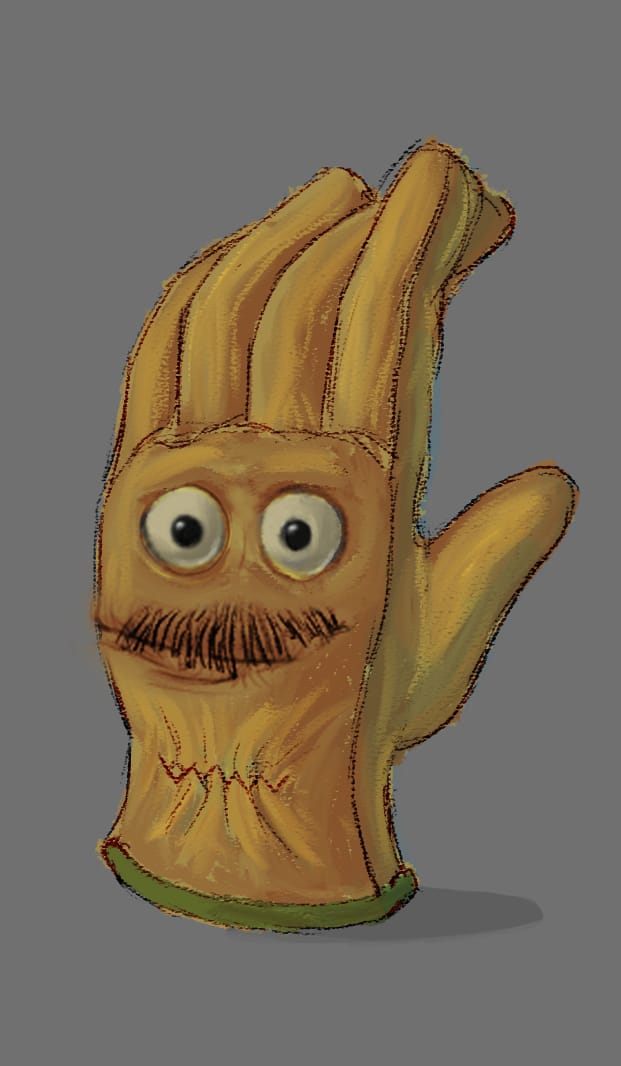
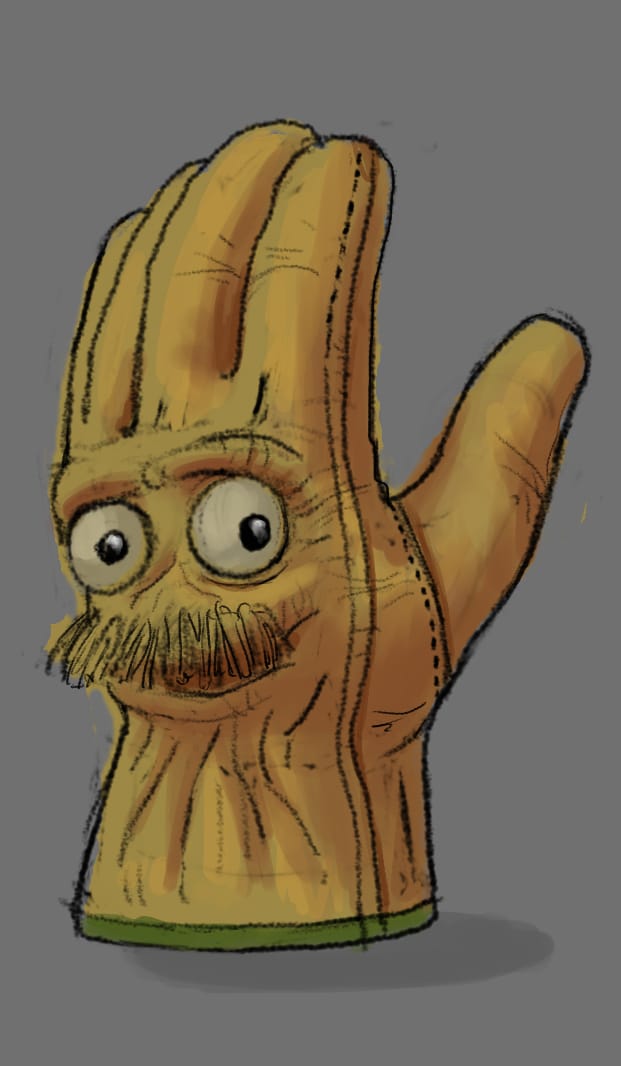
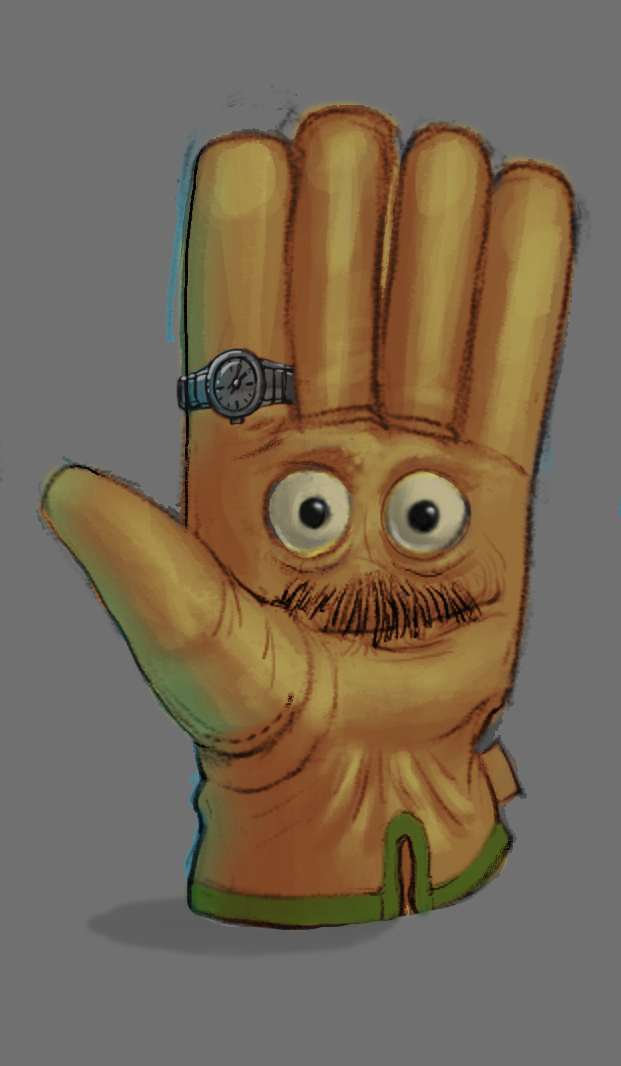
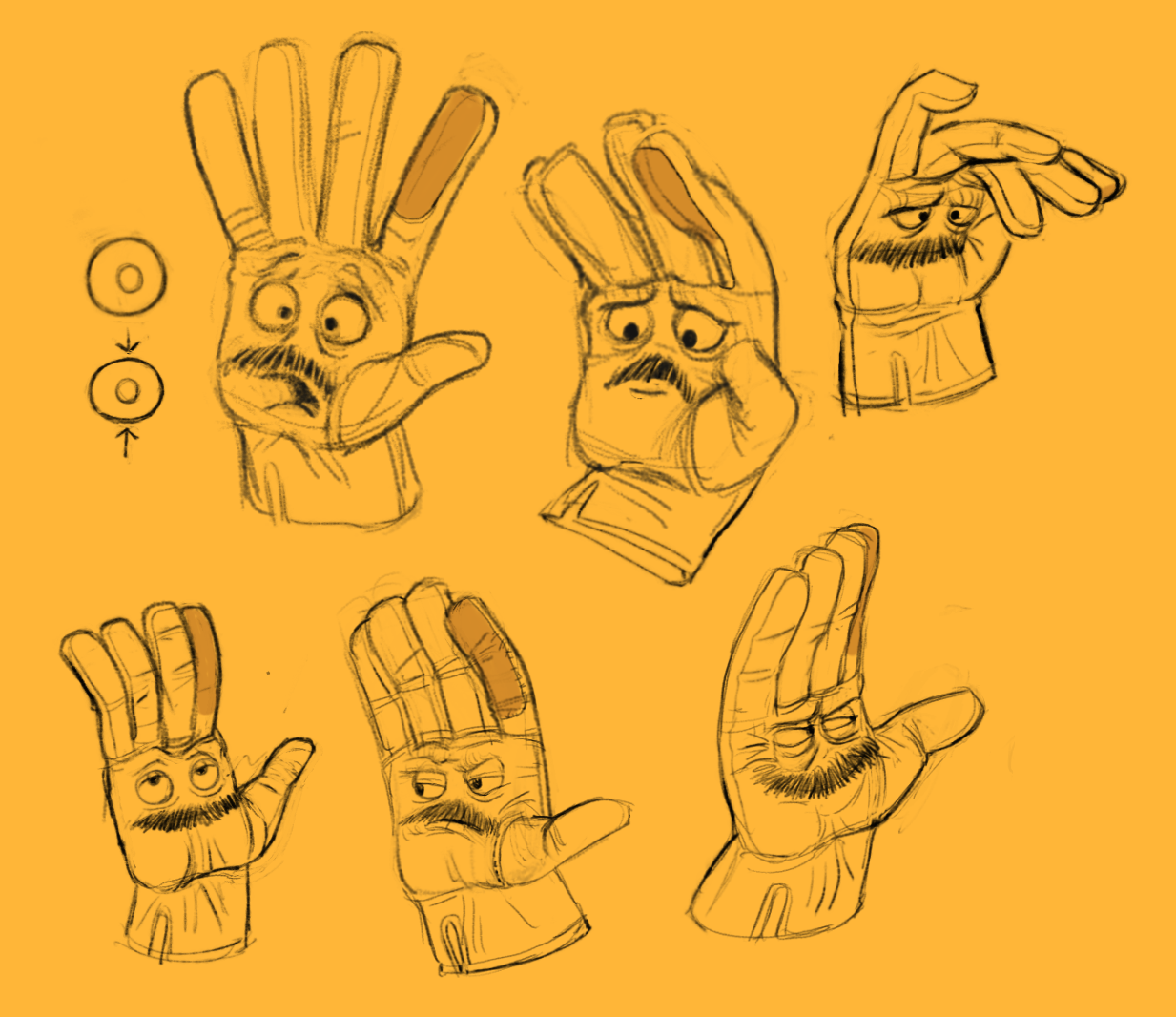
And did a bit of an expression study, making sure we tested how far we could push the flexibility of the face, eyes and hands.
The characters themselves began with a material decision. Before any rigging or animation conversations, the question was: What kind of glove are these? Alex's references made it clear early on that authenticity mattered here — not a stylised or cartoonish prop, but the kind of sturdy, leather-based gardening glove that serious gardeners in England actually reach for. That specificity became the foundation for everything else.
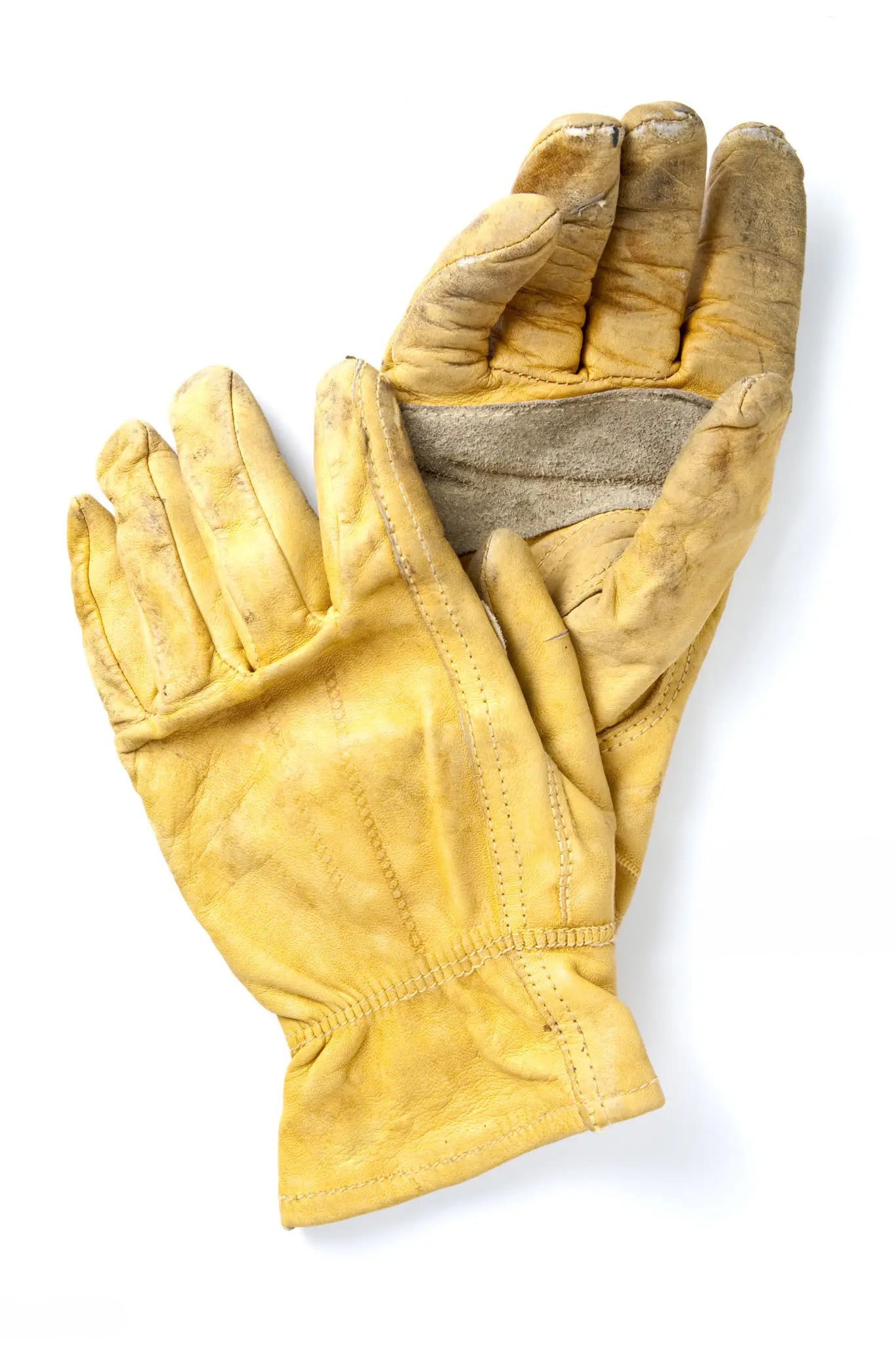
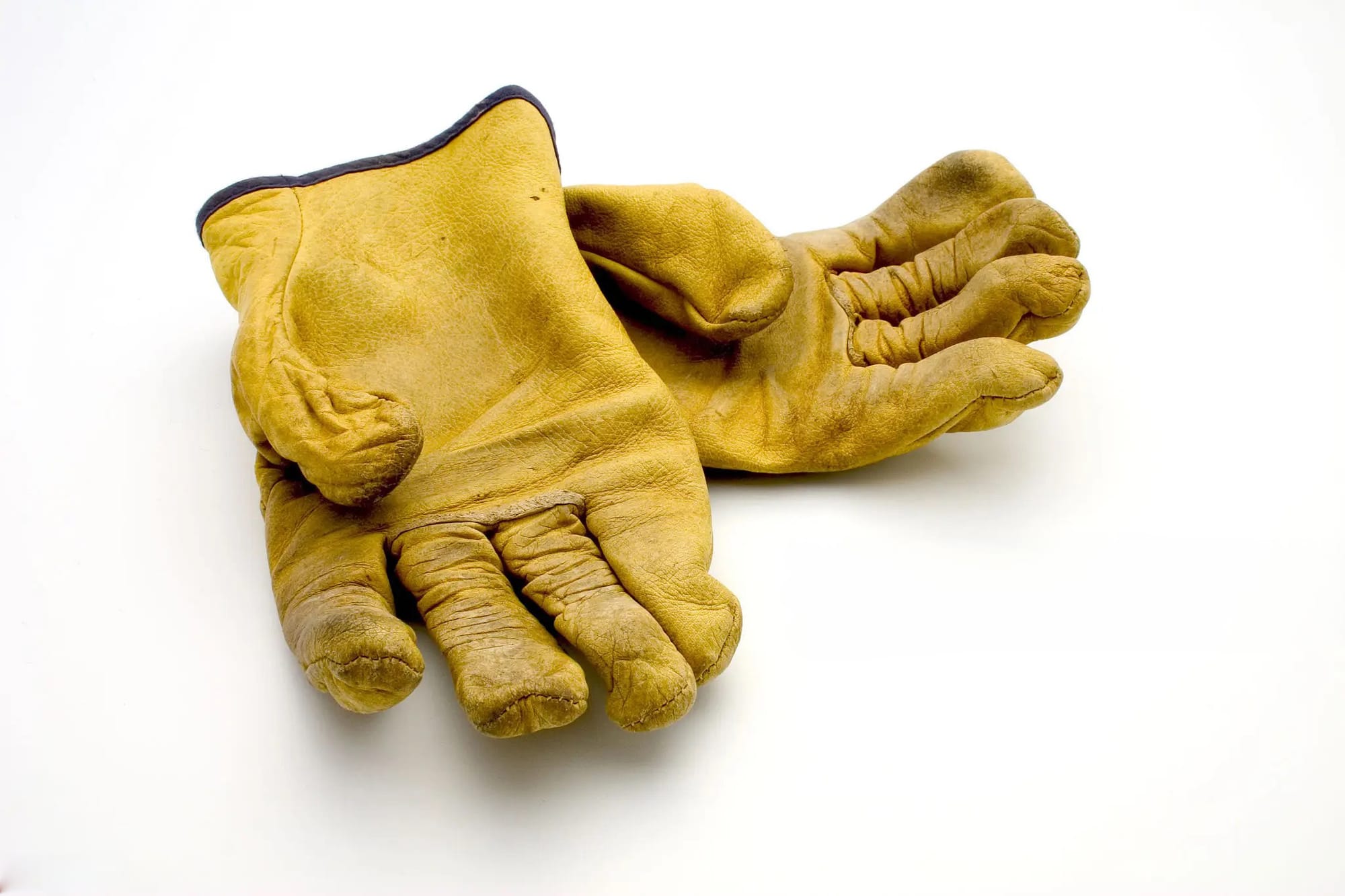
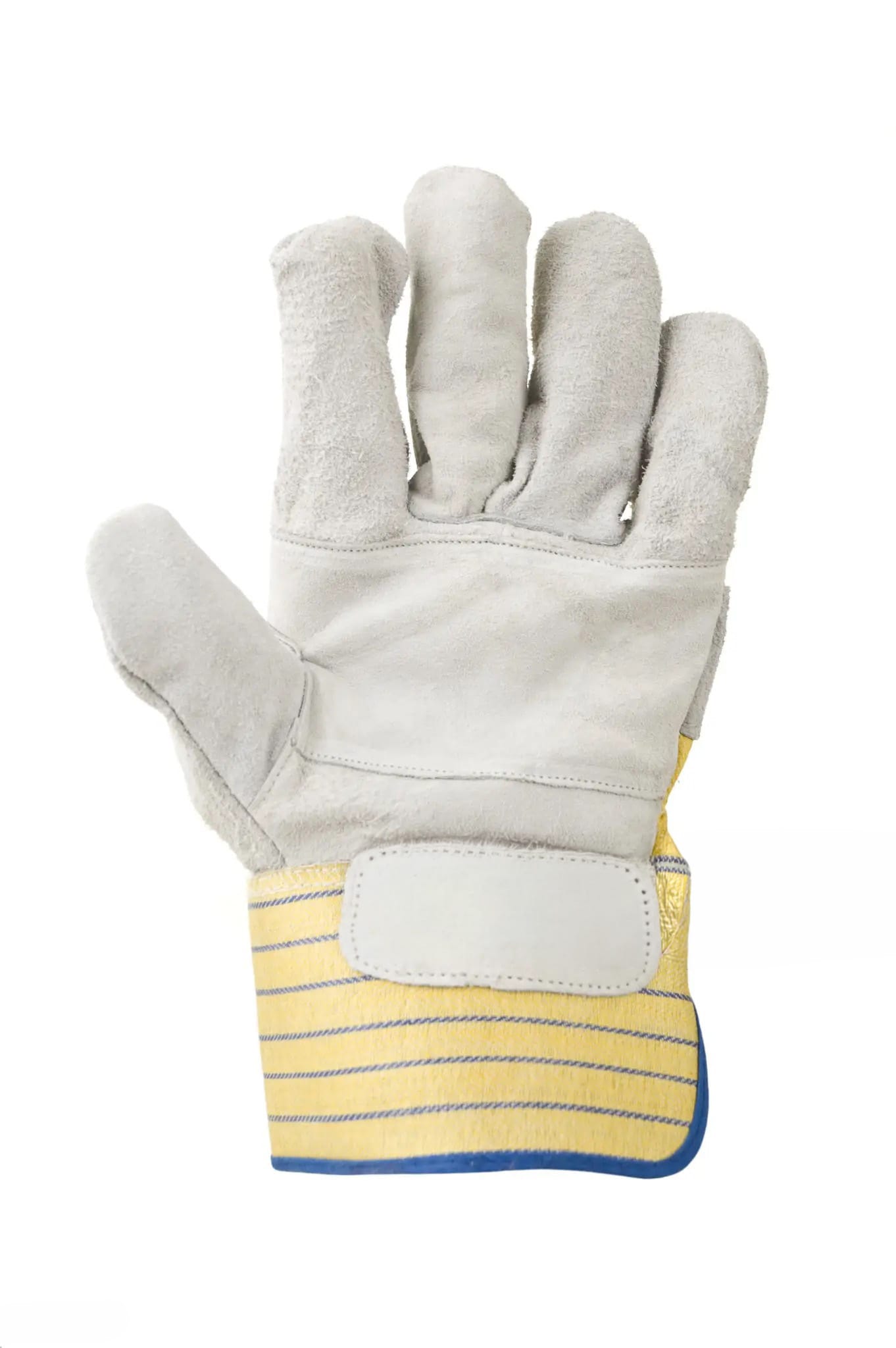
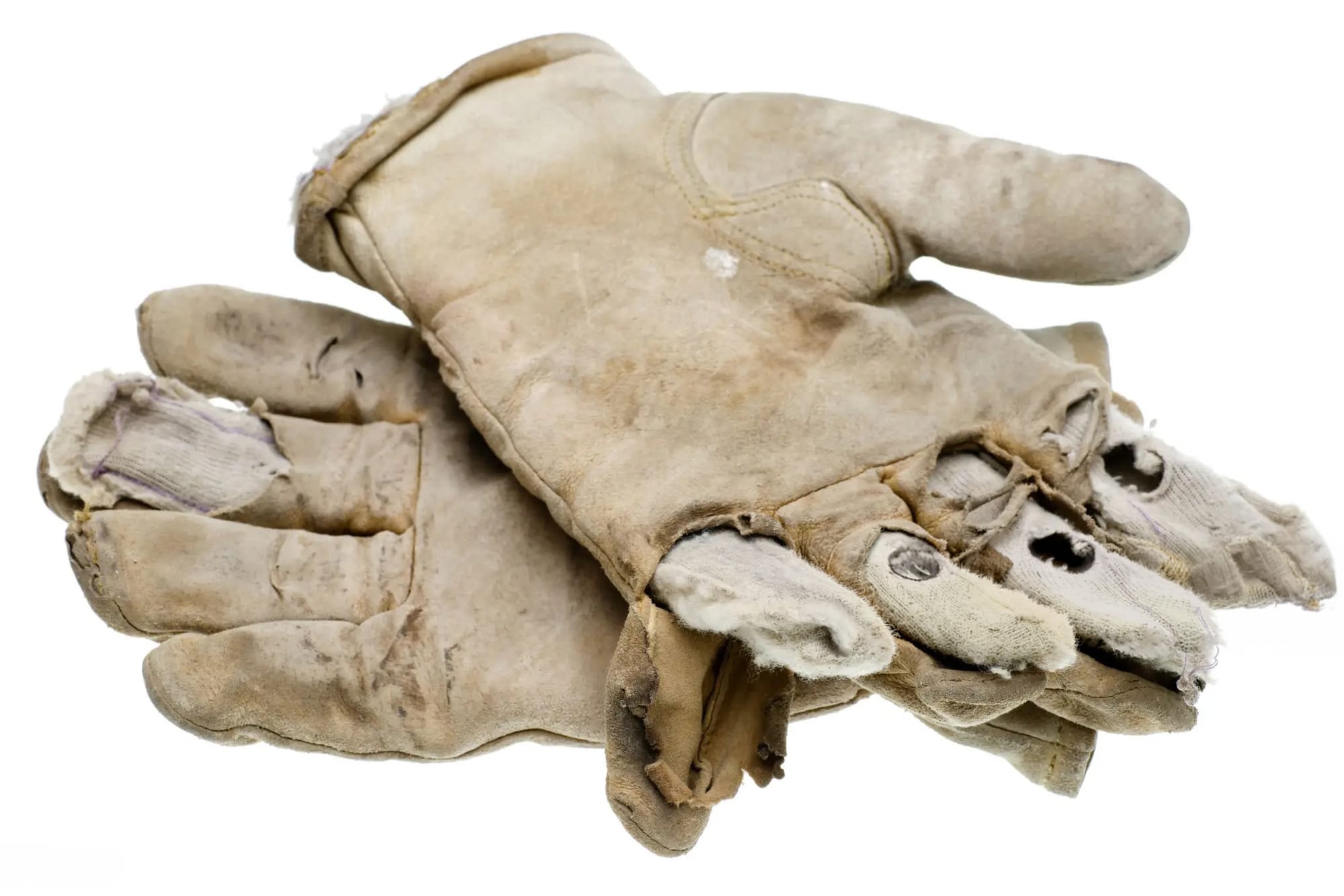
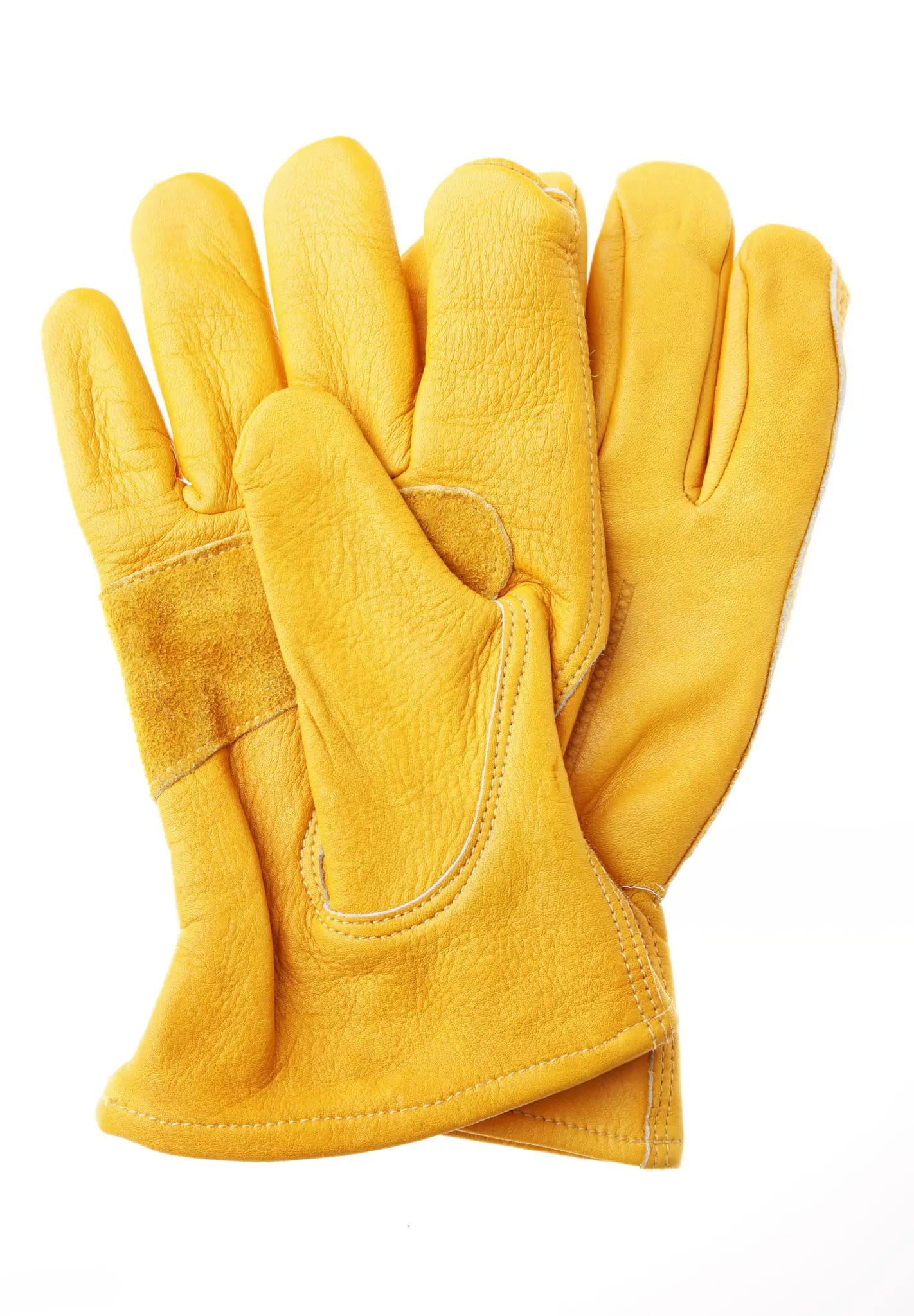
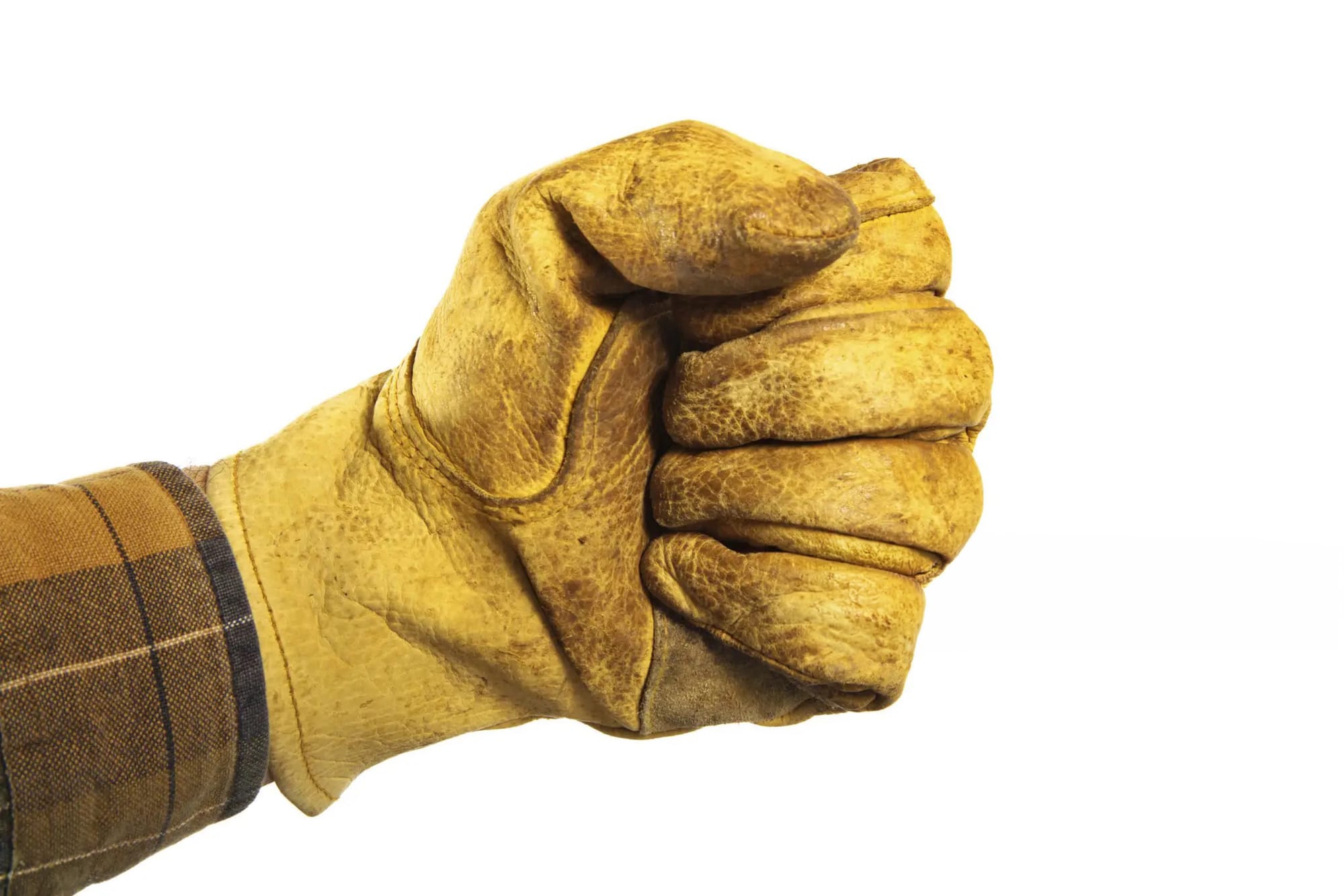
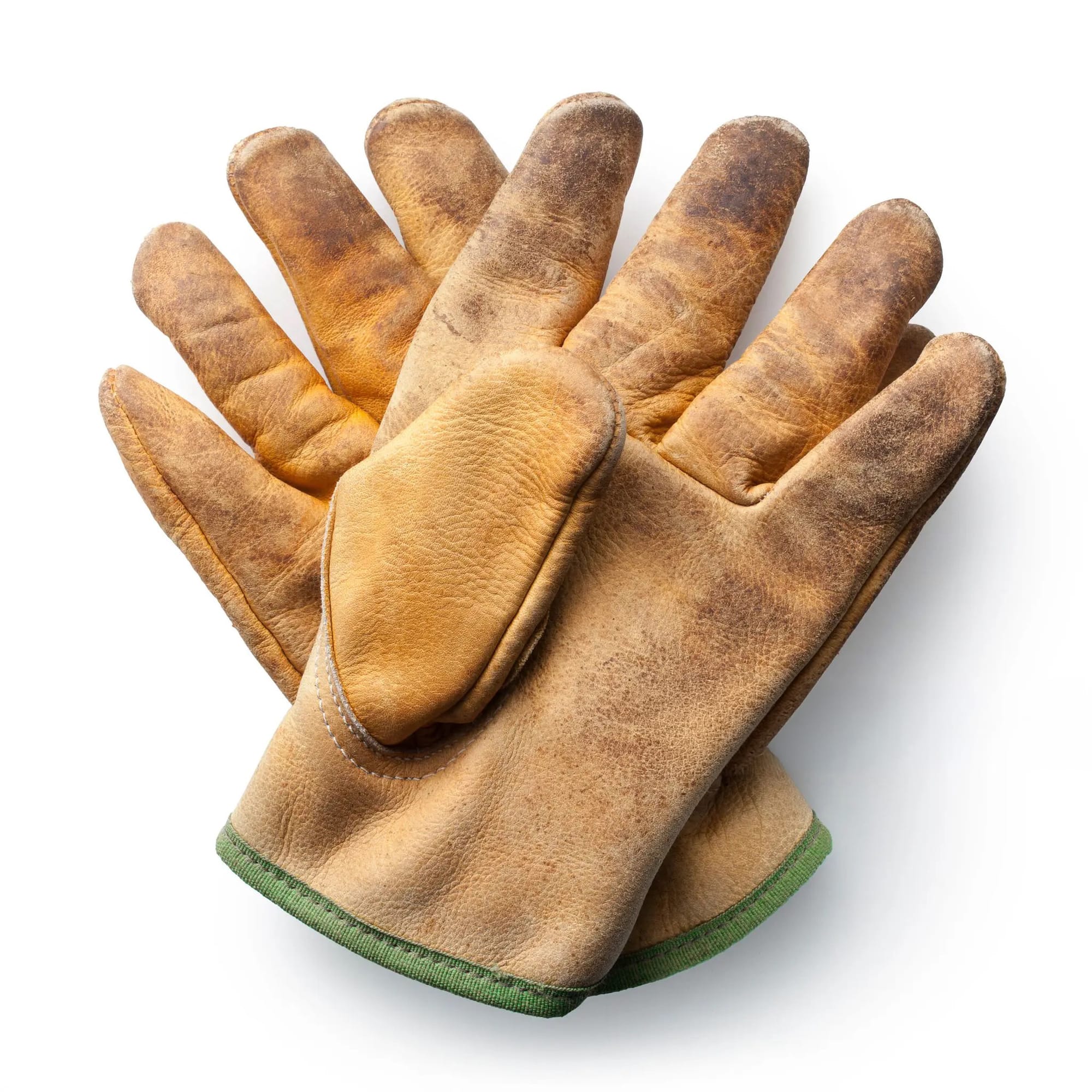
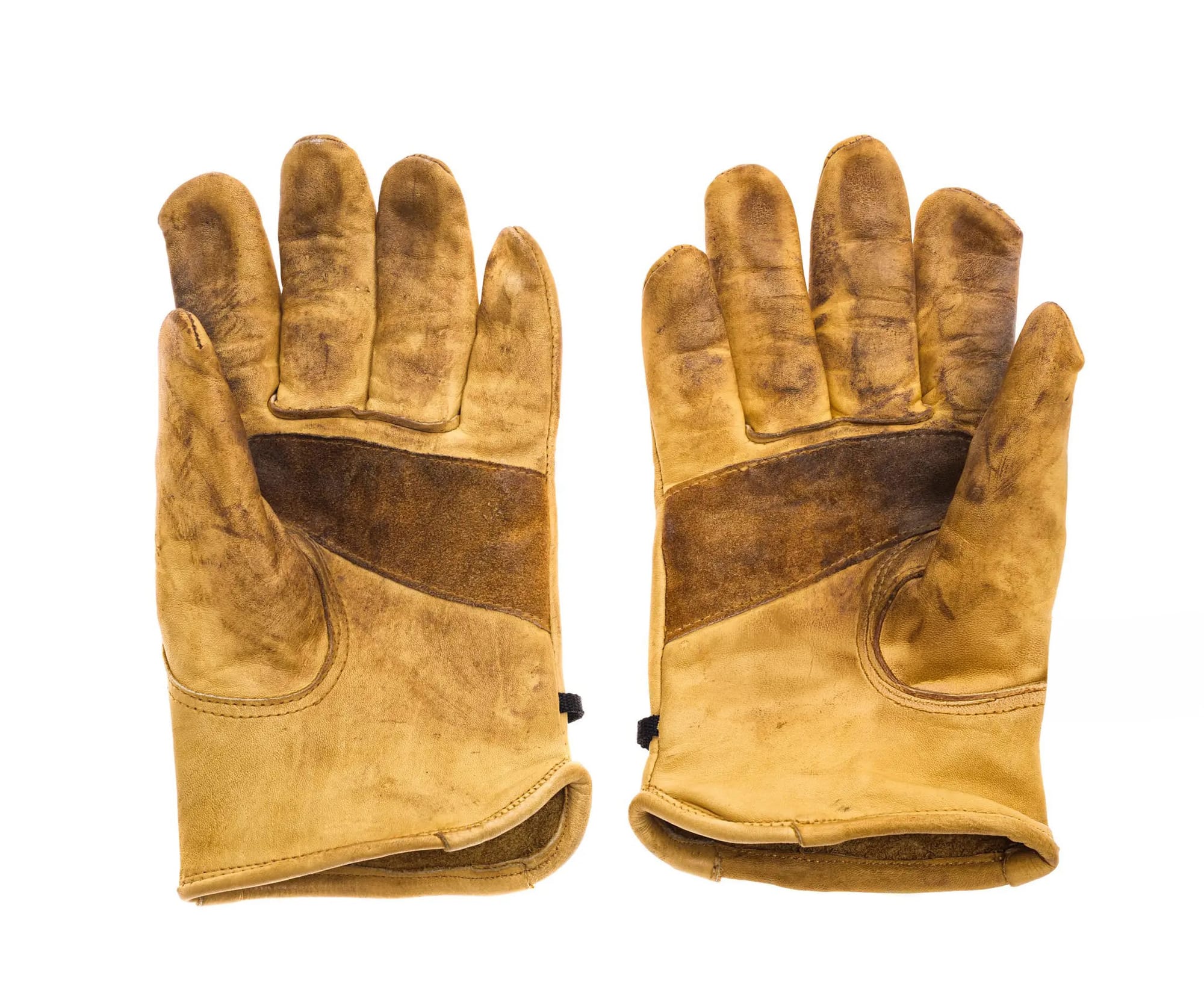
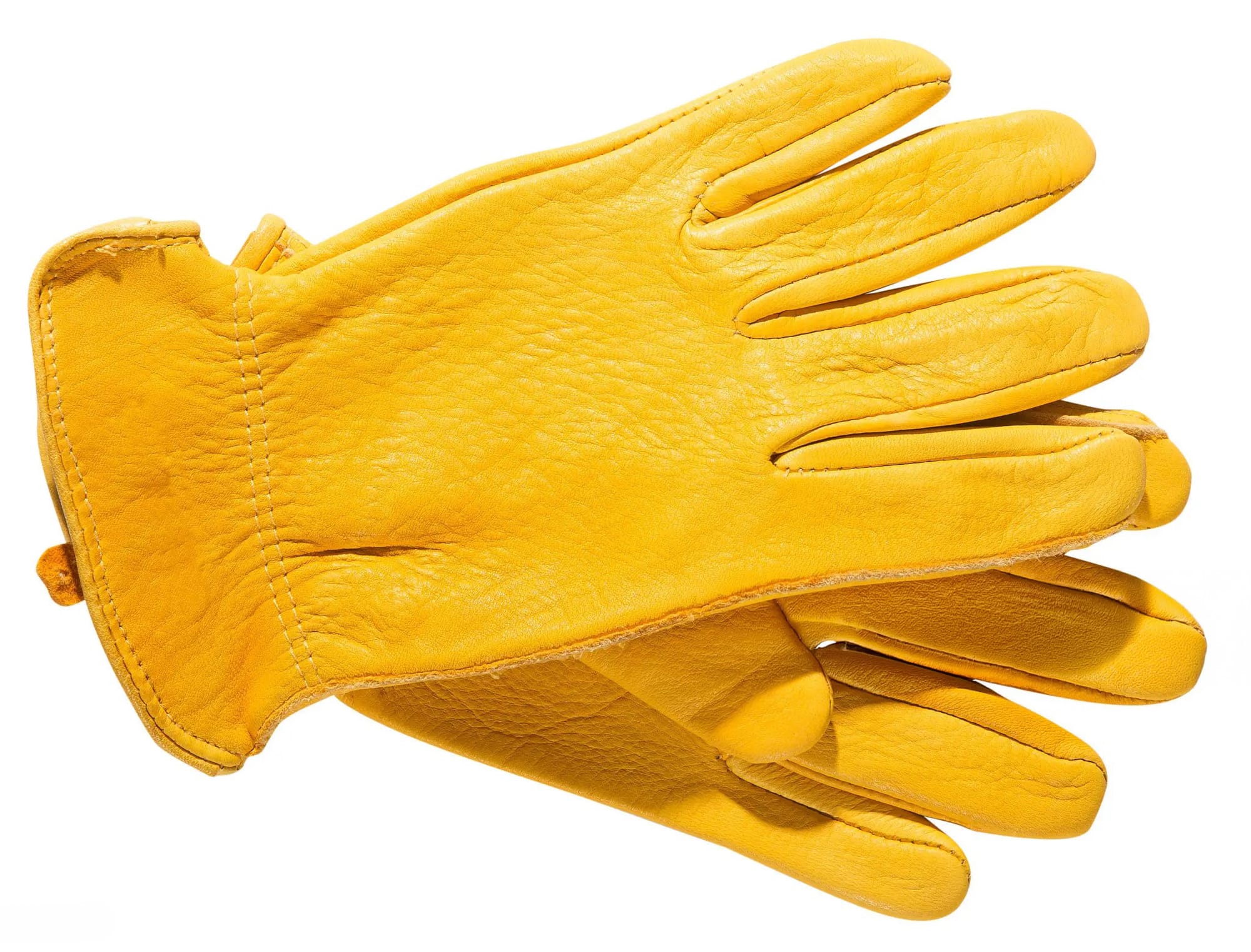
From there, the work was about earning believability through detail. A pristine glove is a CG glove. So the team focused on the kind of wear that comes from genuine use — accumulated debris, stressed stitching, fingers that have been repaired and put back to work. The damage isn't decorative; it's narrative. These are gloves that belong to people who actually care about their garden.
The same logic extends to how Mo and Gaz move. The eyes and mouth operate within deliberately constrained ranges — limits that were defined and defended throughout production. It's a counterintuitive discipline in CG character work: the more you restrict what a face can do, the more convincing it becomes. Overreach, and the illusion collapses. Stay within the bounds of what a physical glove puppet could plausibly express, and something interesting happens — the audience stops thinking about the medium and starts watching the characters.
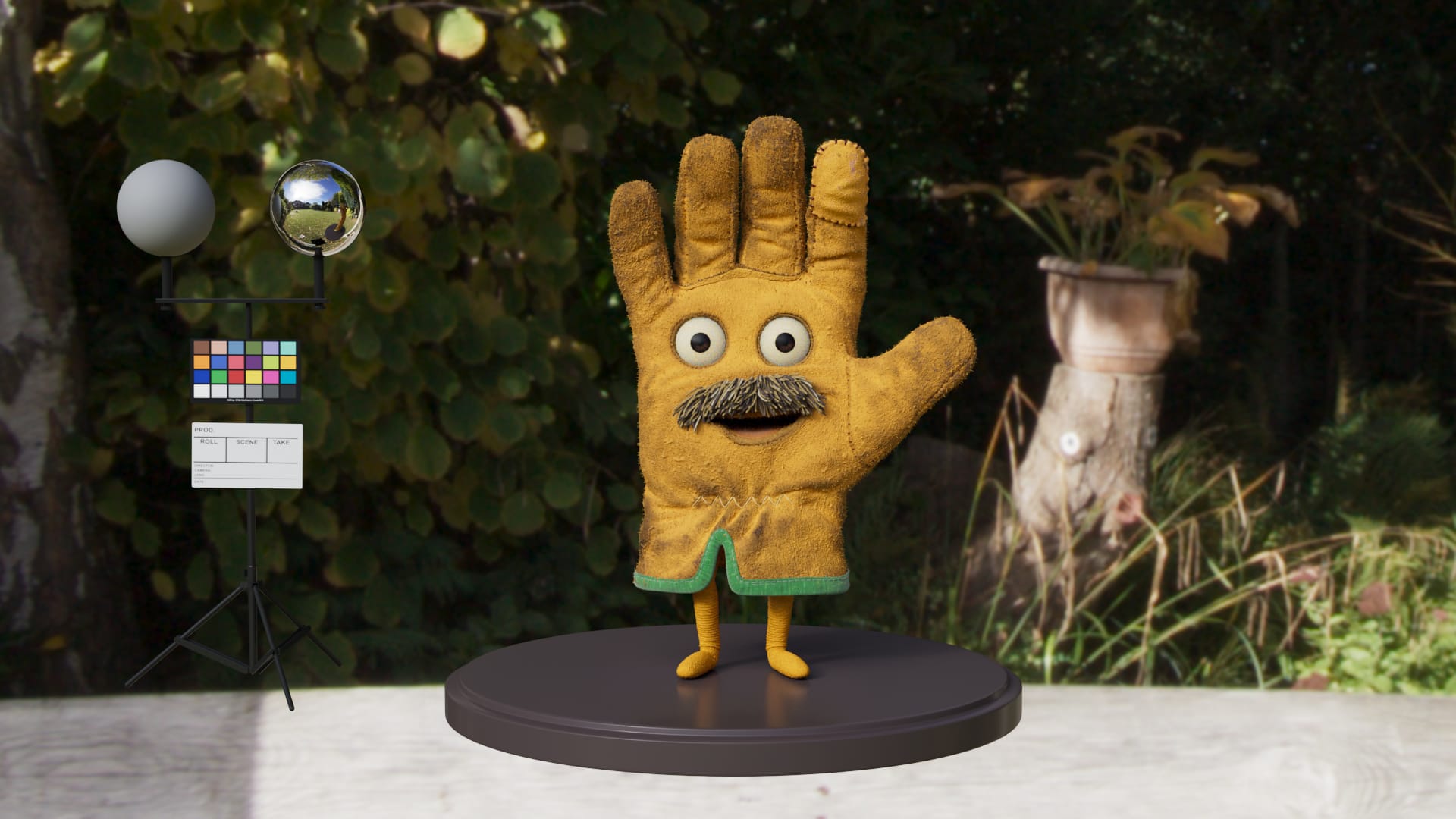
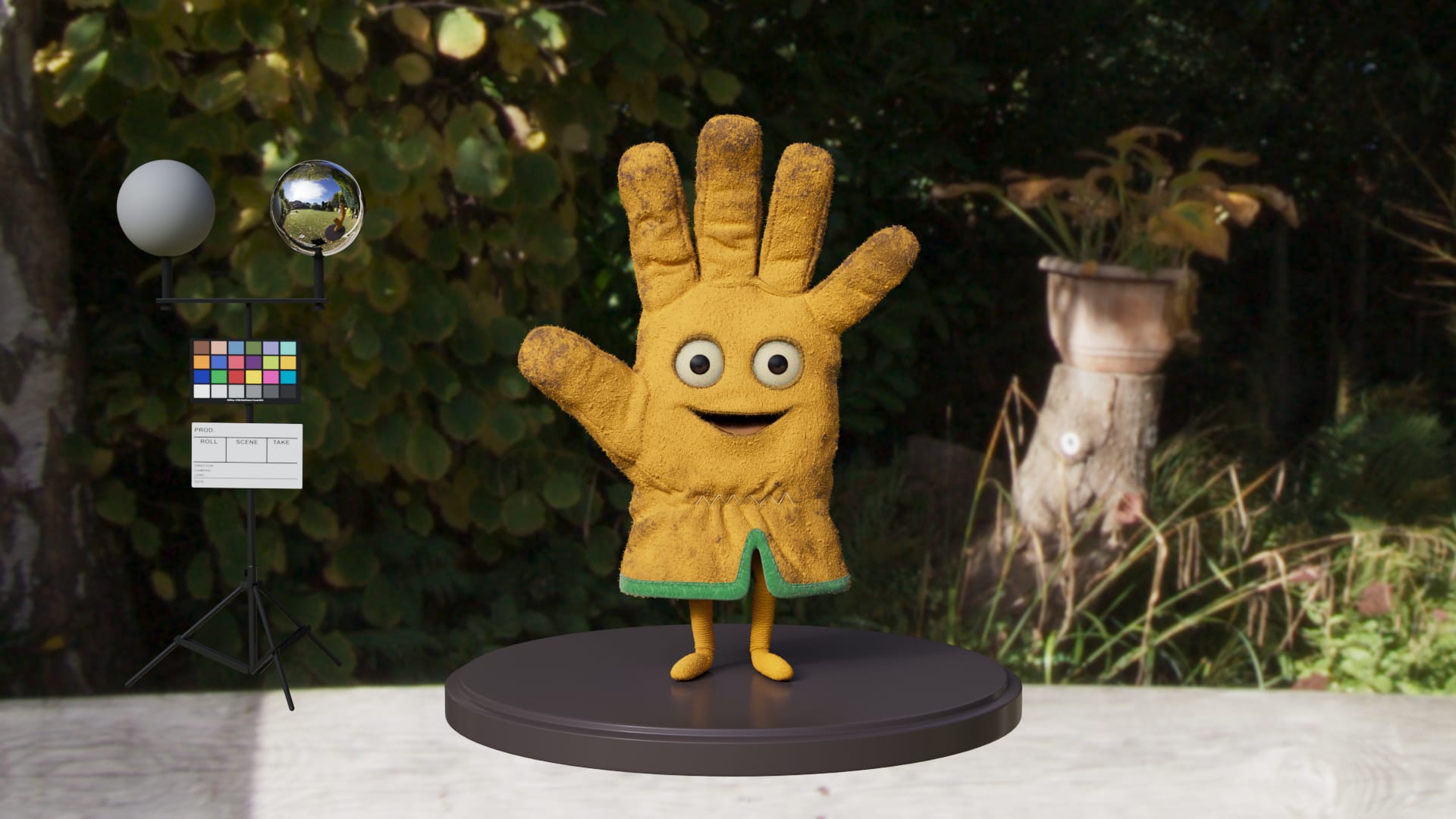
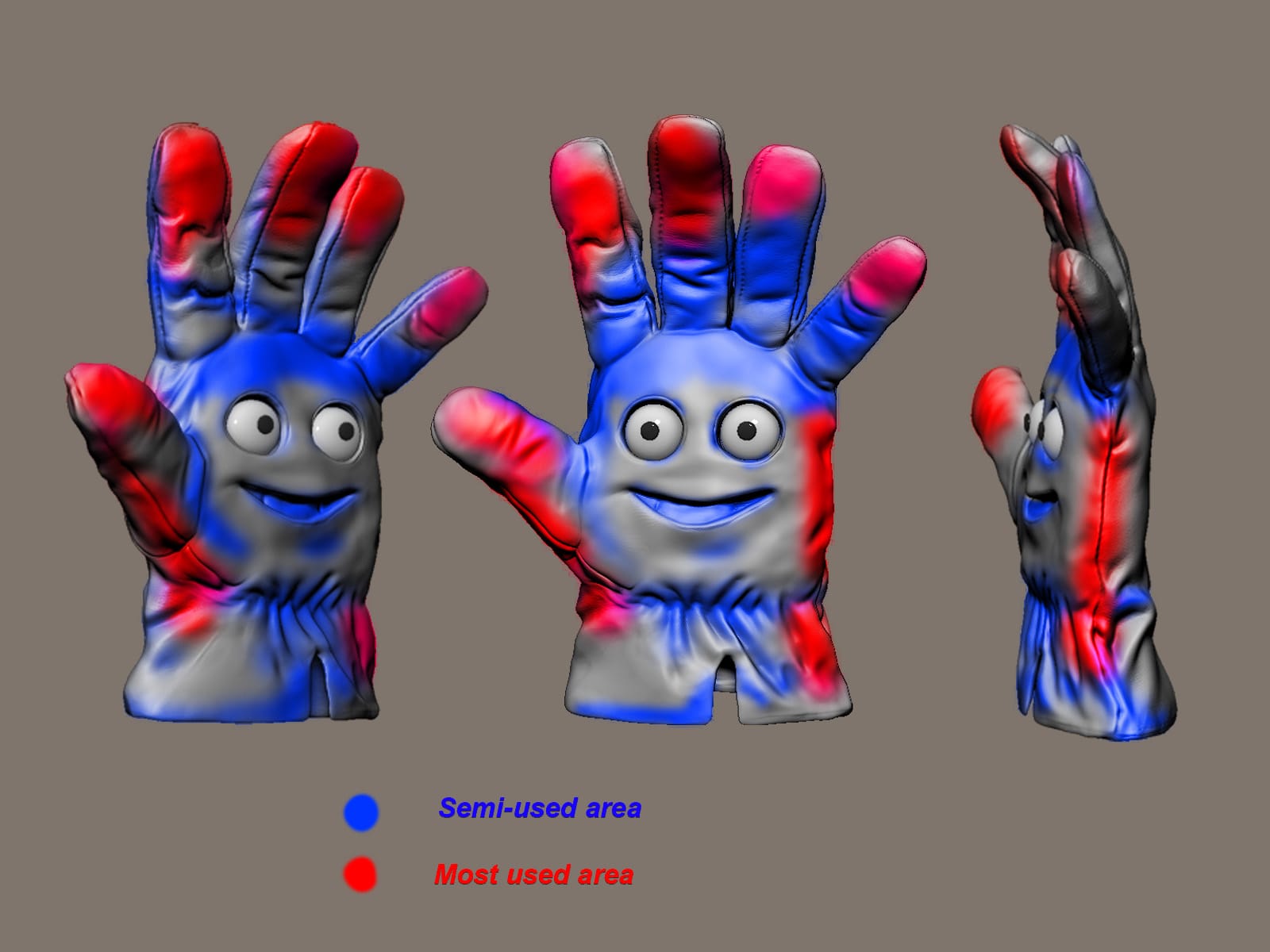
The texture phase was where the research paid off. Everything gathered on leather behaviour, stitching patterns, and fabric wear was consolidated into influence maps that didn't just describe surface detail — they told a story about who these characters are and how they live.
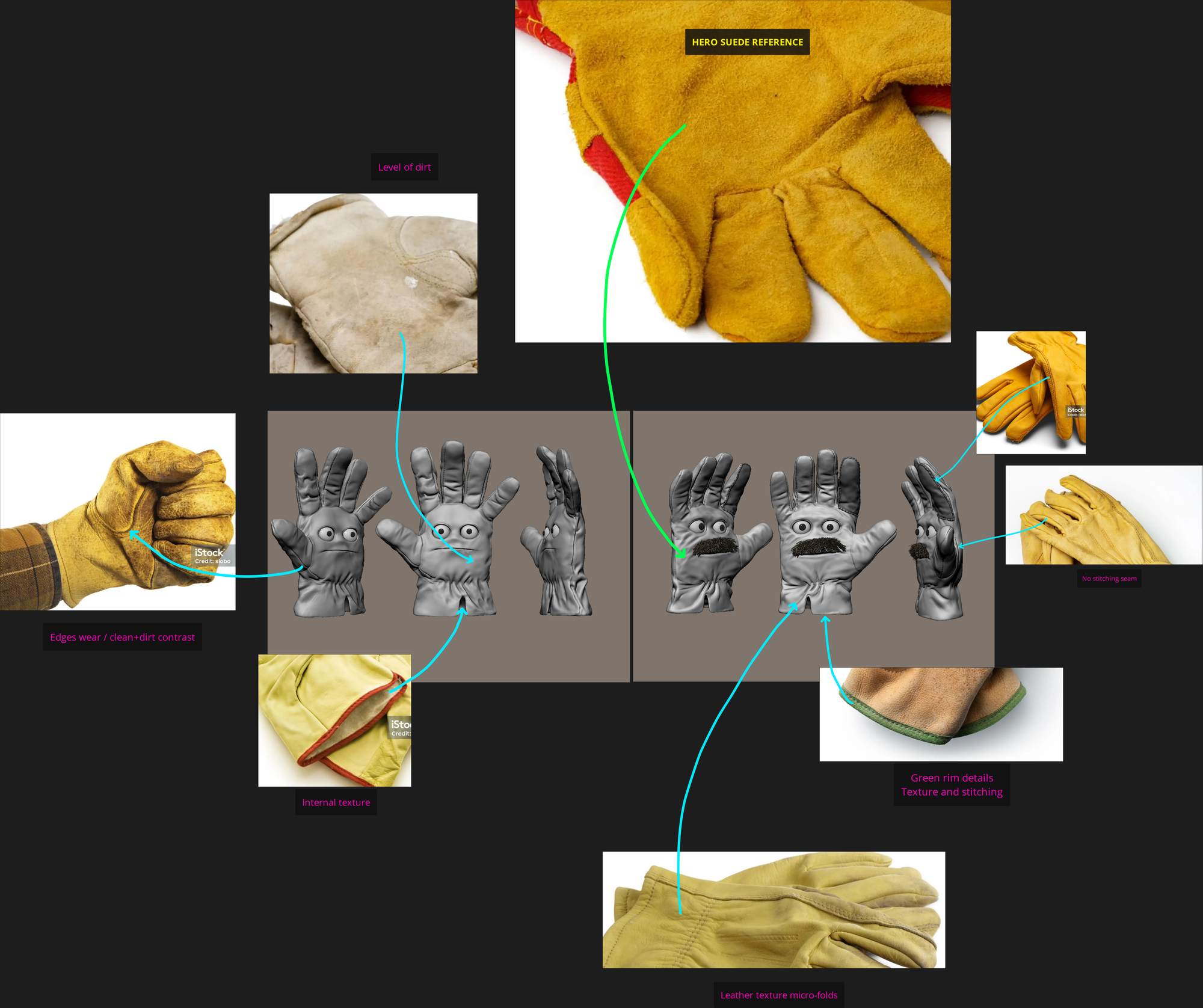
Texture materials study
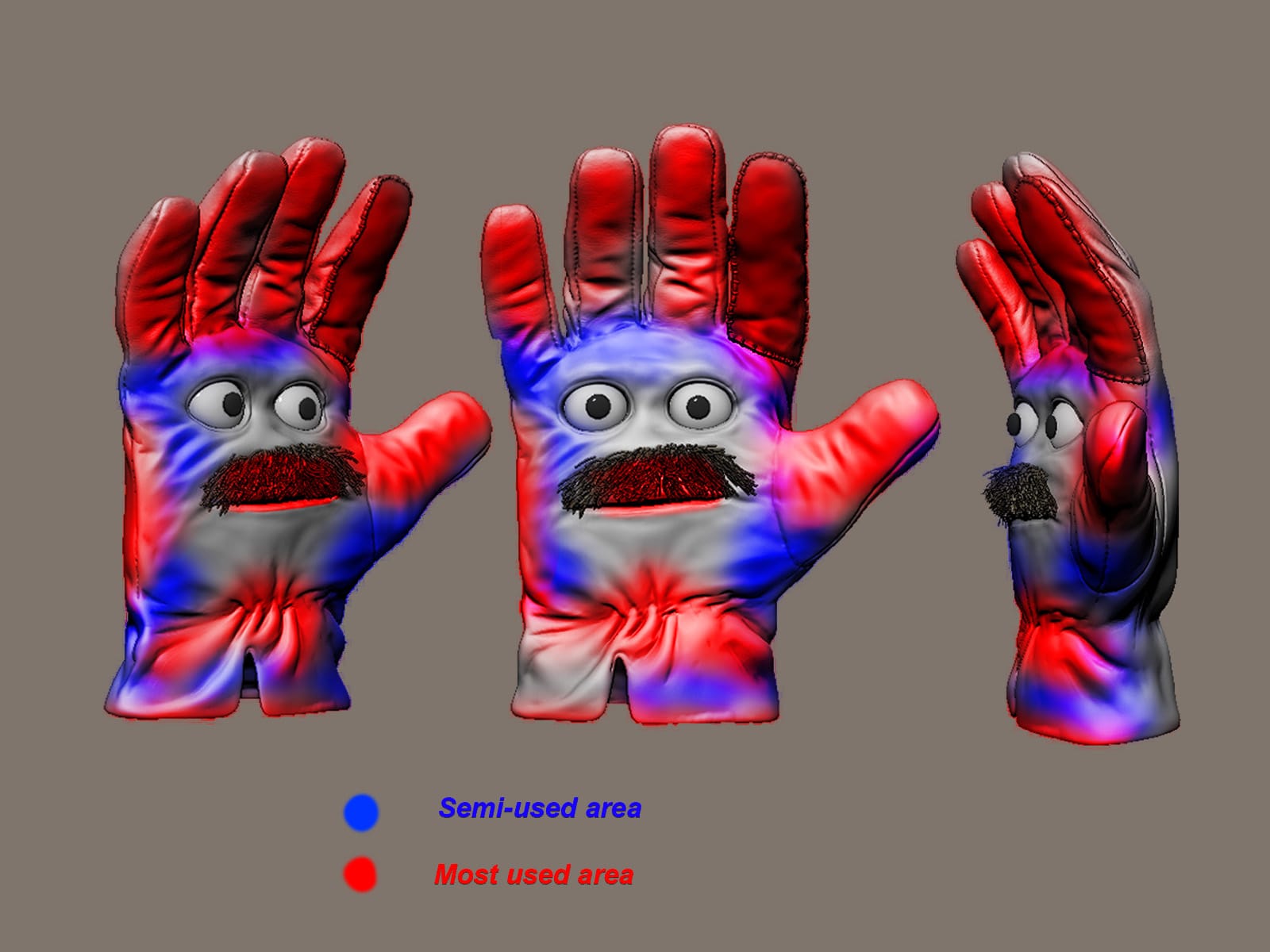
Take the colouration of Mo's fingers: deeper reds, more pronounced wear, blue, medium level wear, no colour, almost new. We focused on the kind of damage that accumulates over years of use. Gaz's hands, by contrast, are fresher — his index fingers noticeably less worked-in. It's a small thing, easy to miss consciously, but it does exactly what good character work should do: communicate backstory without a word of dialogue. A father who has spent decades in the garden, a son still finding his way in it.
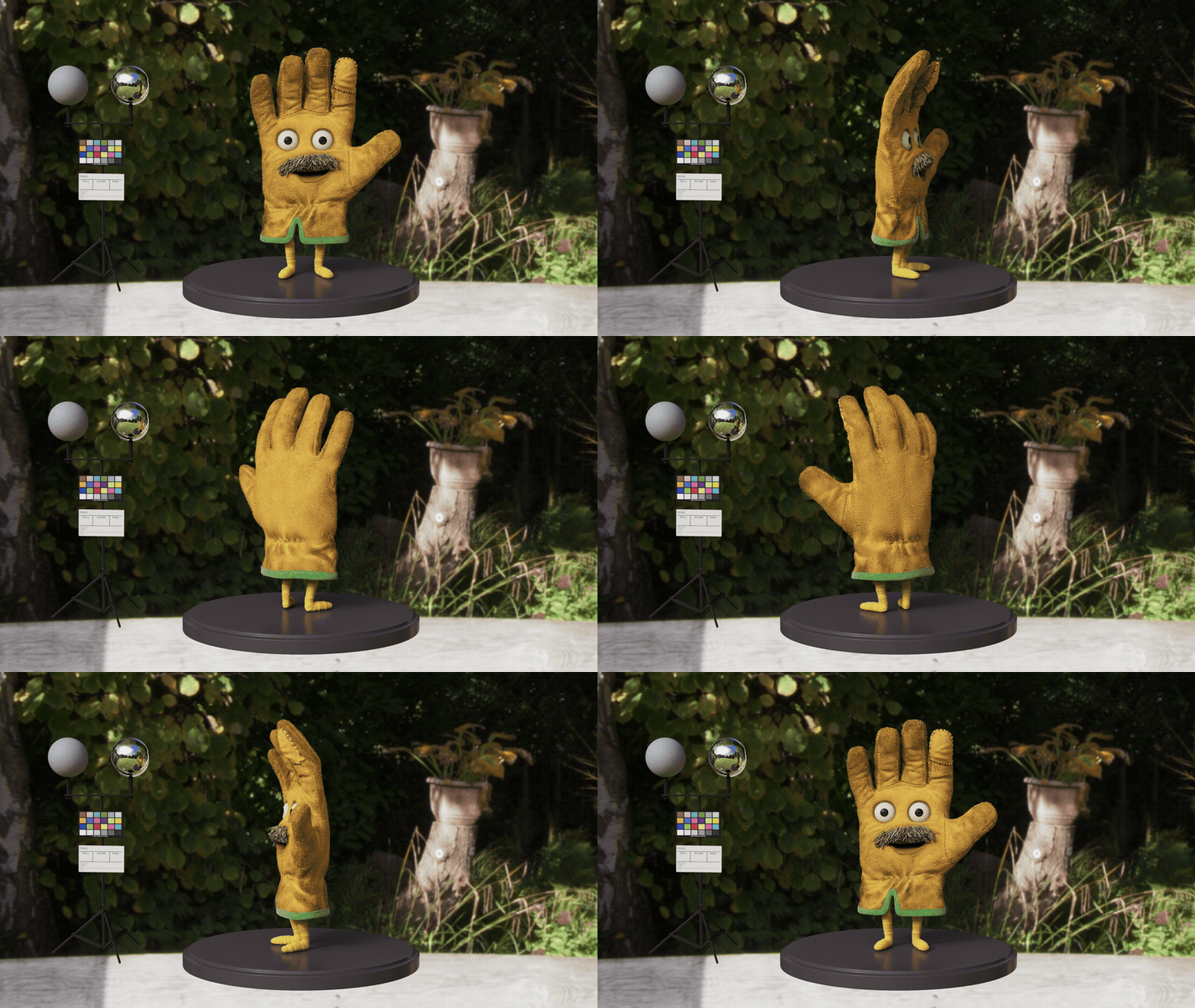
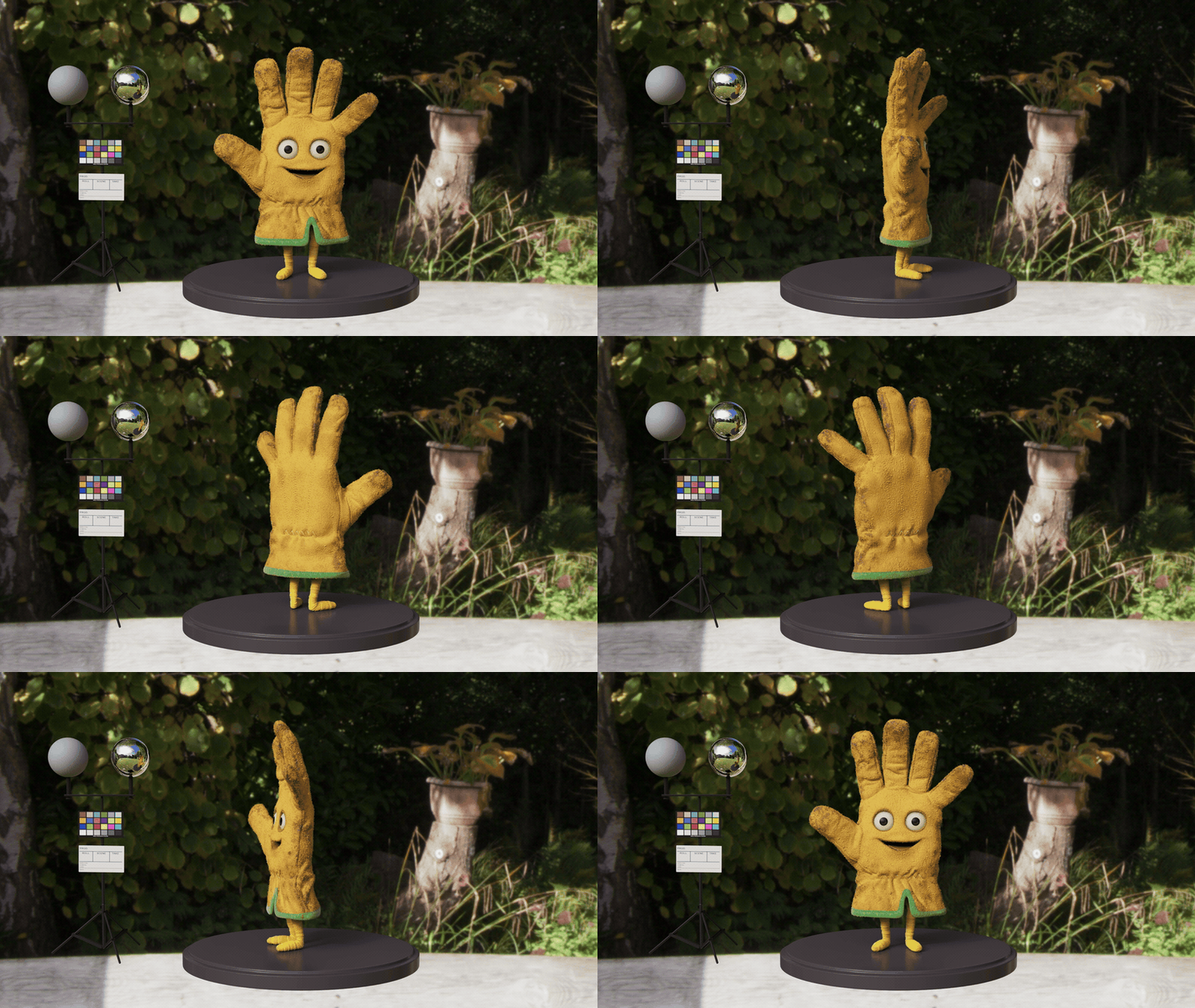
With the surface detail established, attention shifted to look development — the process of defining how each material responds to light. Roughness, specularity, the way a scratch scatters light differently from clean leather, the dull opacity of embedded dirt — each element was treated as its own distinct problem to solve.
The goal was readability. An audience shouldn't need to consciously analyse what they're looking at; they should simply recognise it. Fabric reads as fabric, leather as leather, grime as grime. Getting there required separating out every surface component and working through its optical properties individually before bringing them back together into a coherent whole.
What follows is the result of that process.
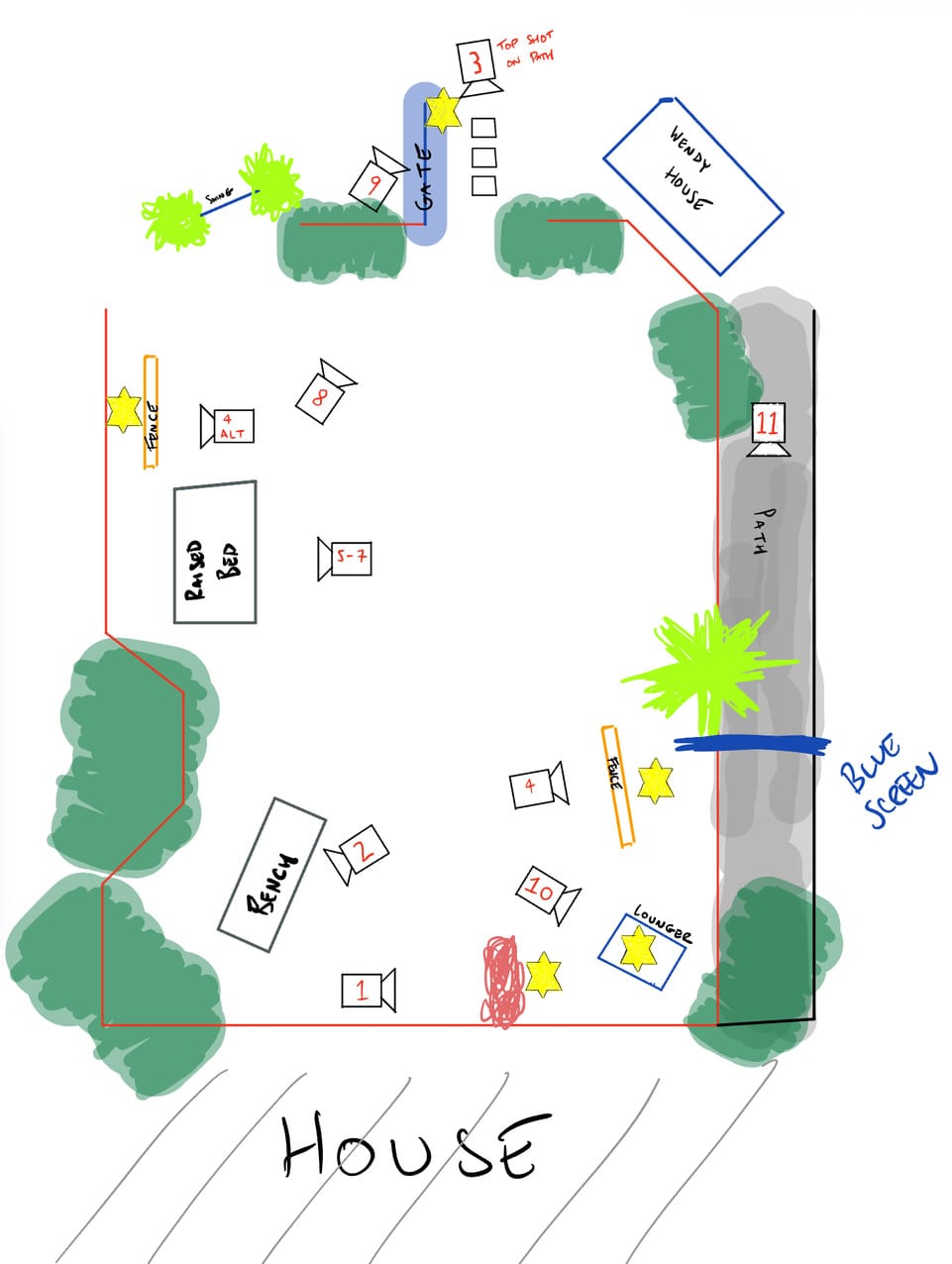
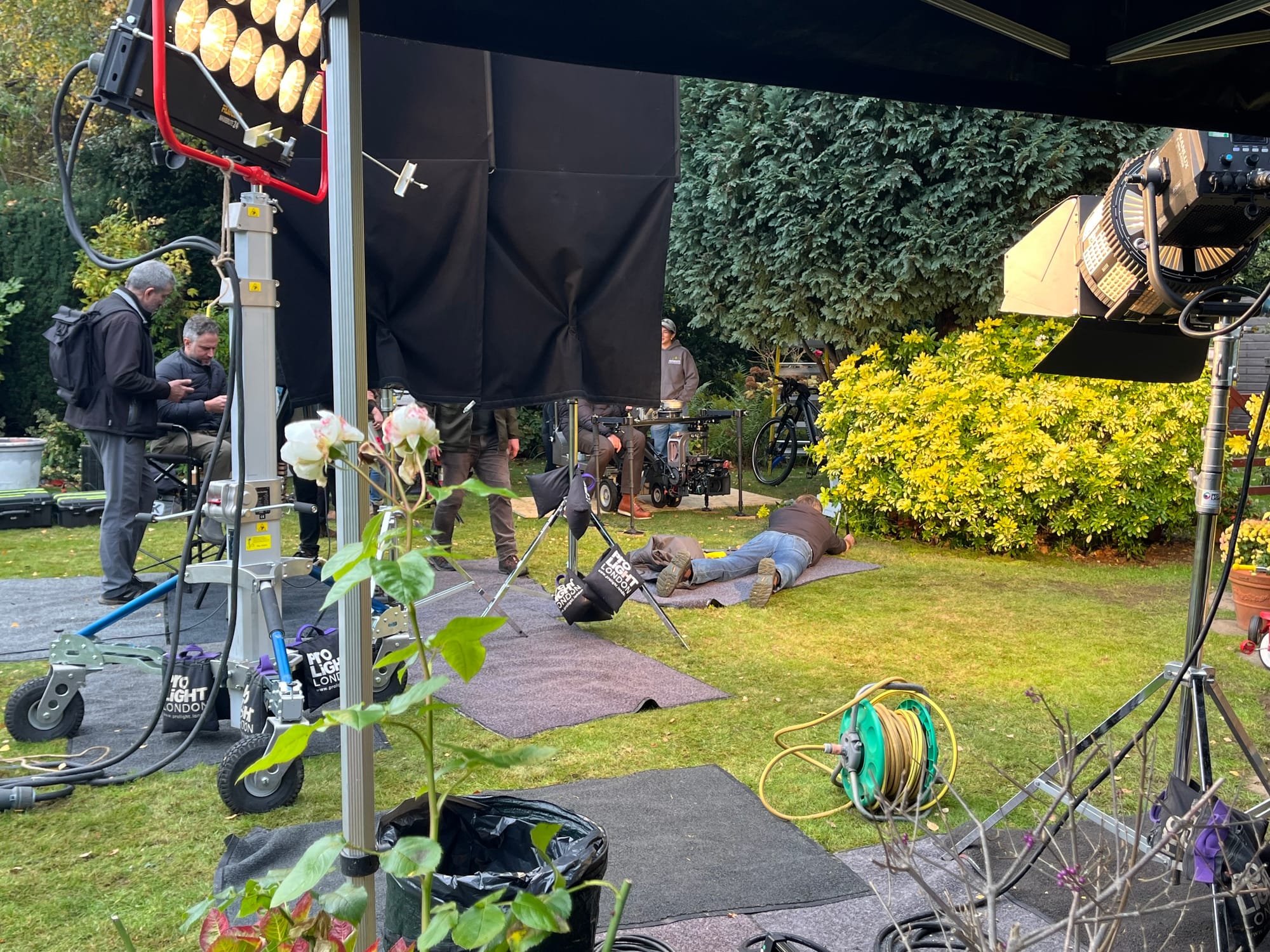
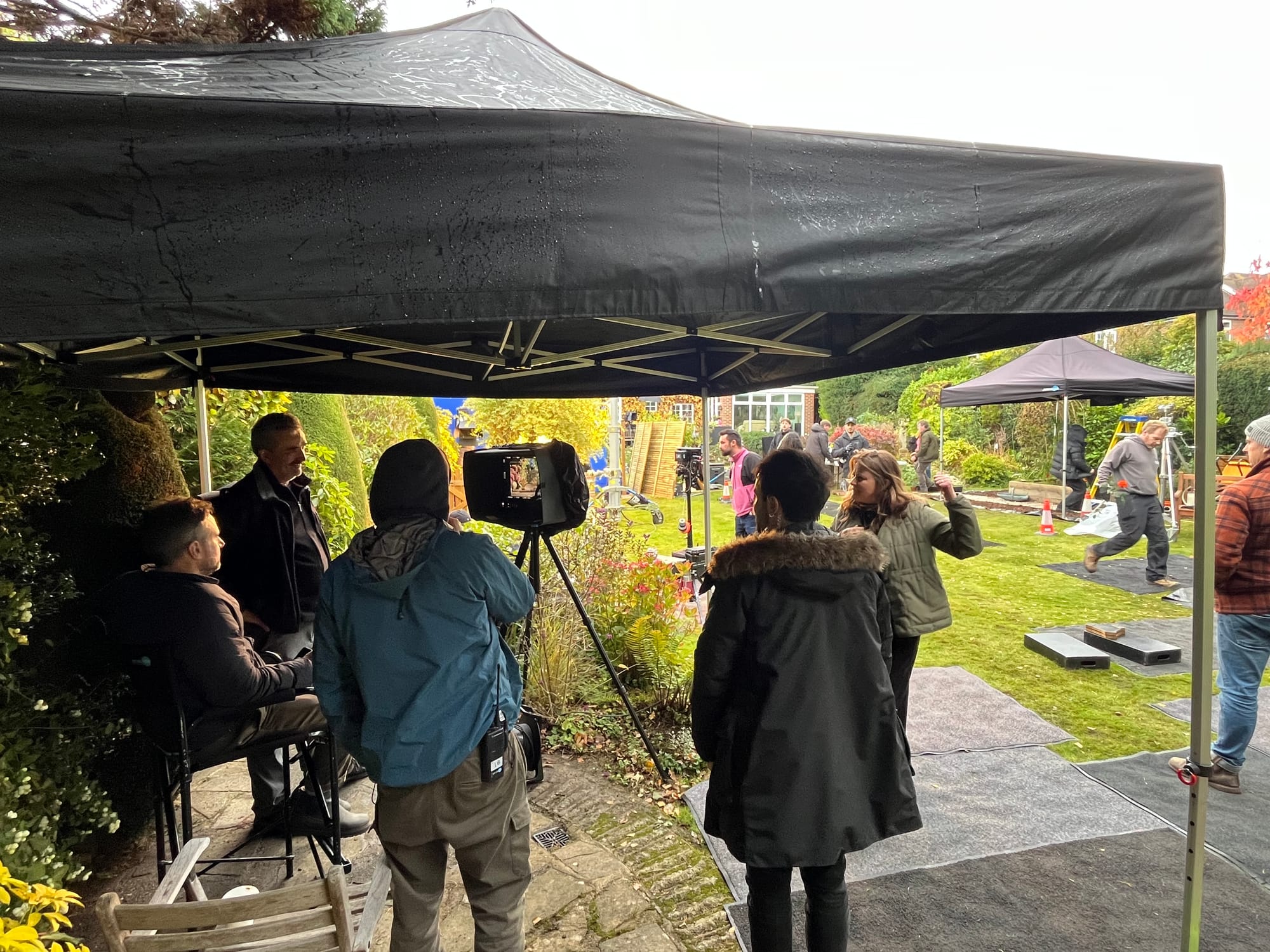
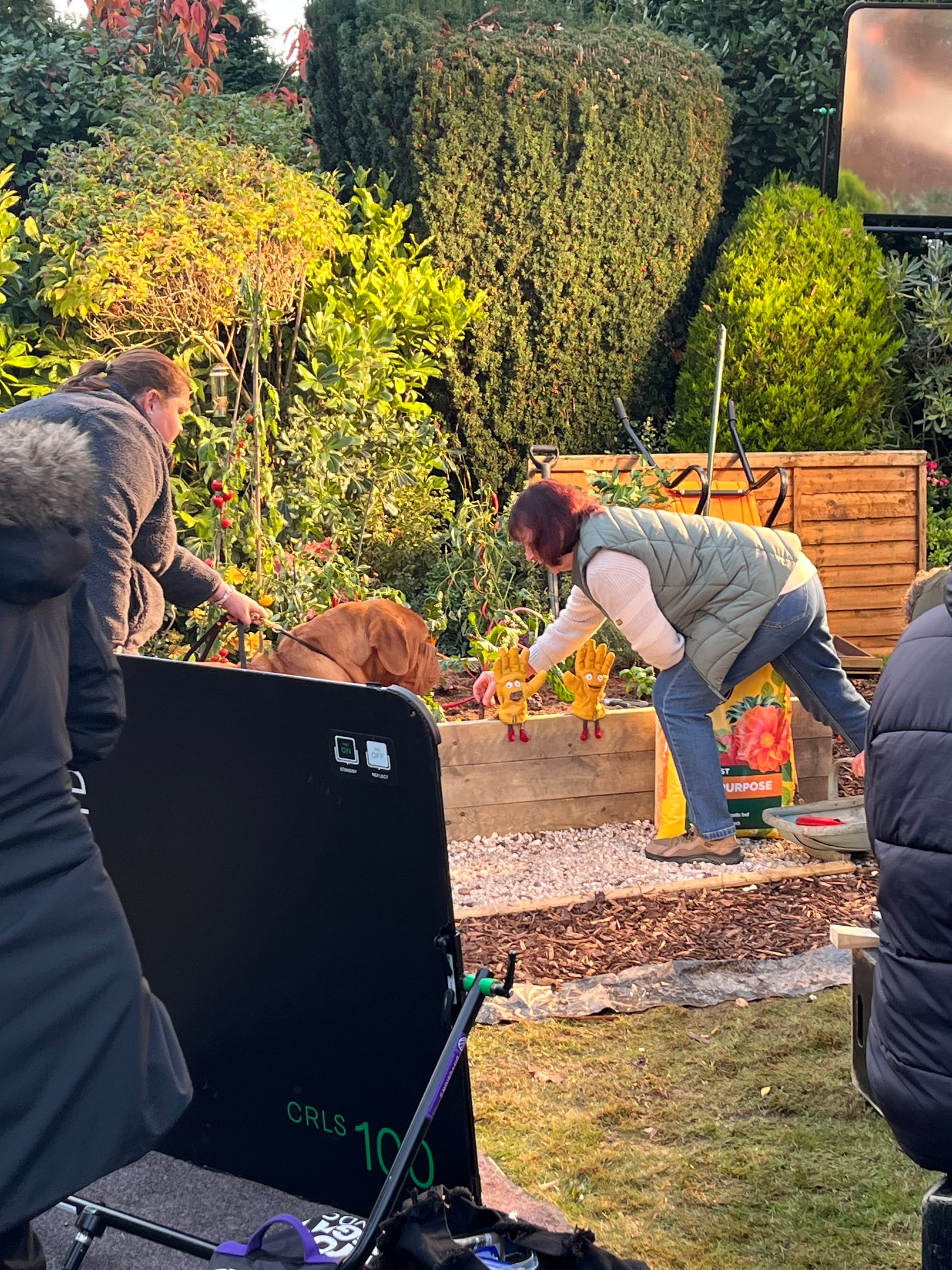
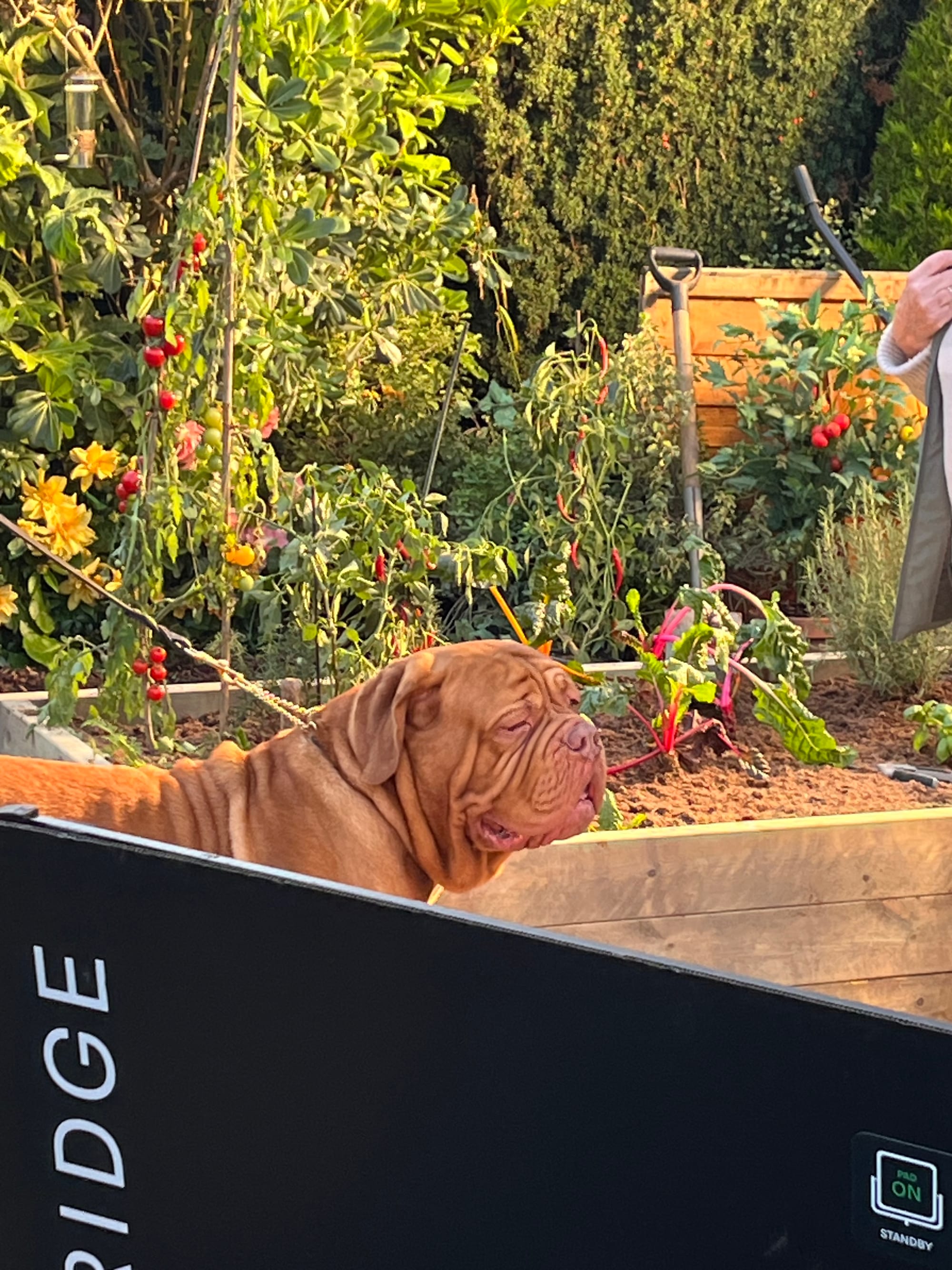
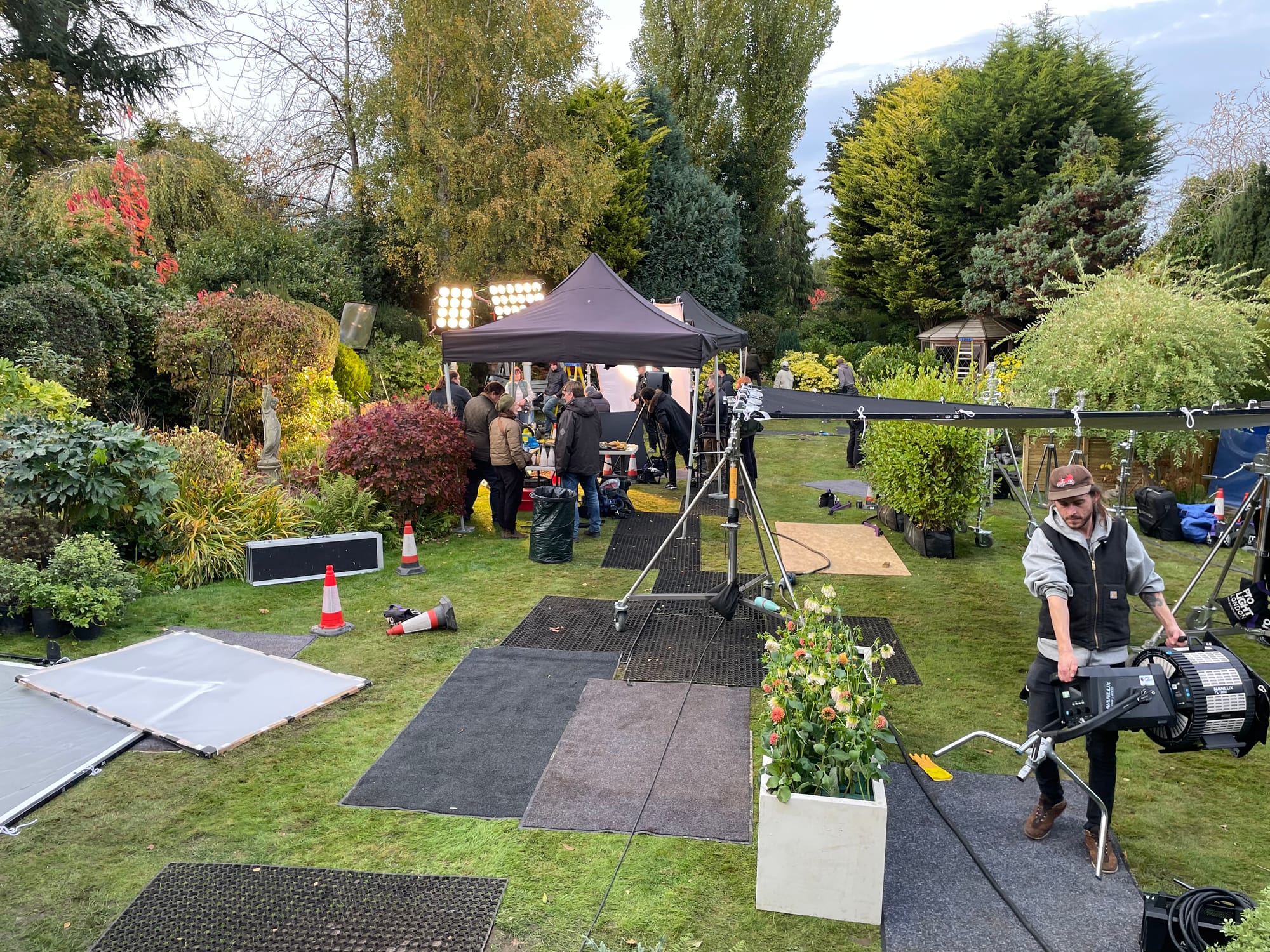
On set, the priority was reference — and lots of it.
Physical props were built for both gloves and mounted on rods, giving the team the ability to choreograph placement and capture motion reference directly on location. Having the actual characters — or the closest physical approximation of them — in the scene was essential for two things: lighting continuity and editorial planning. You can't reliably match CG to a plate you don't fully understand, and the props made that understanding concrete.
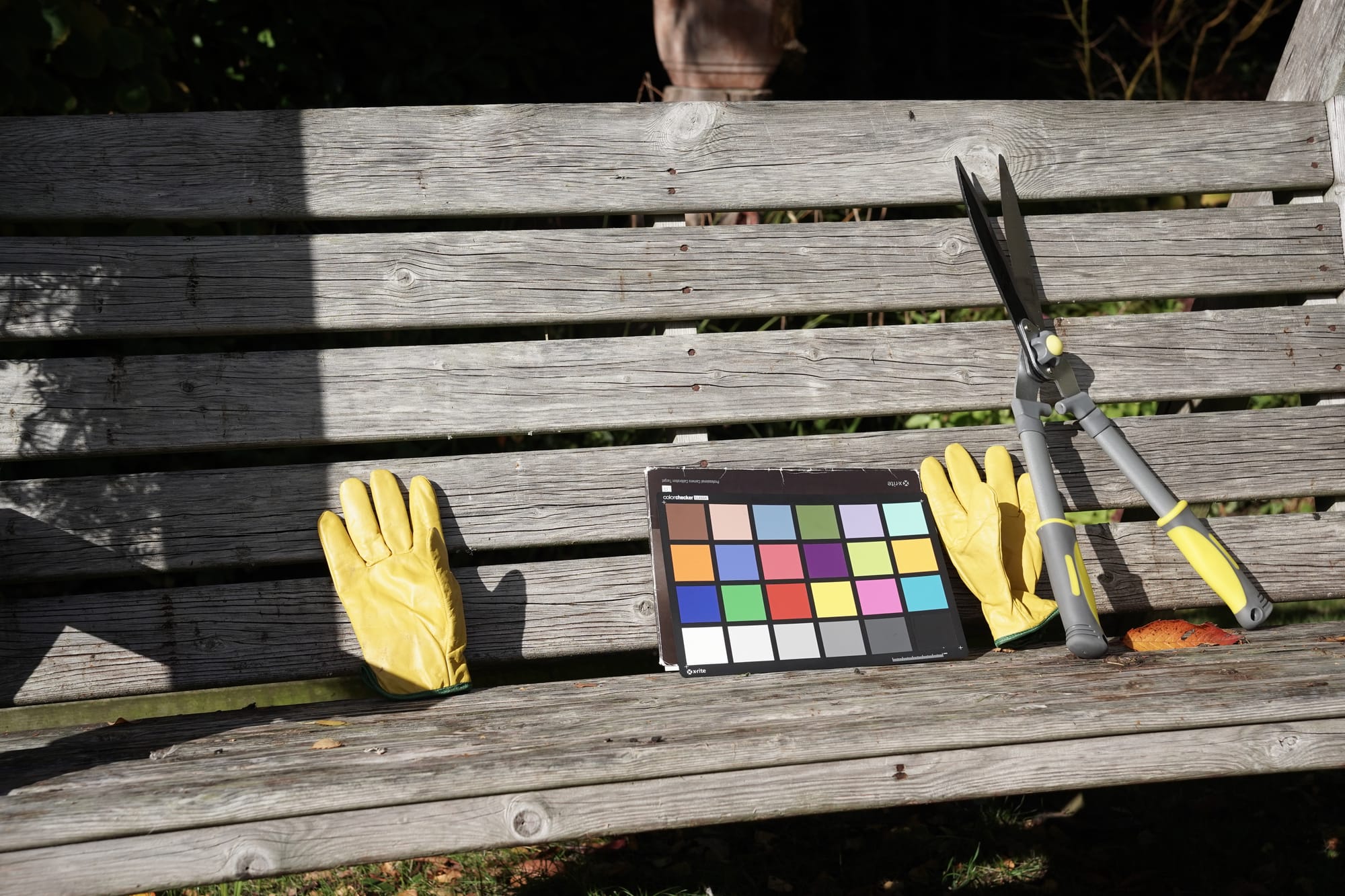
HDRI capture followed standard practice: measurements, grey balls, chrome balls, the full complement of data needed to reconstruct the lighting environment with accuracy.
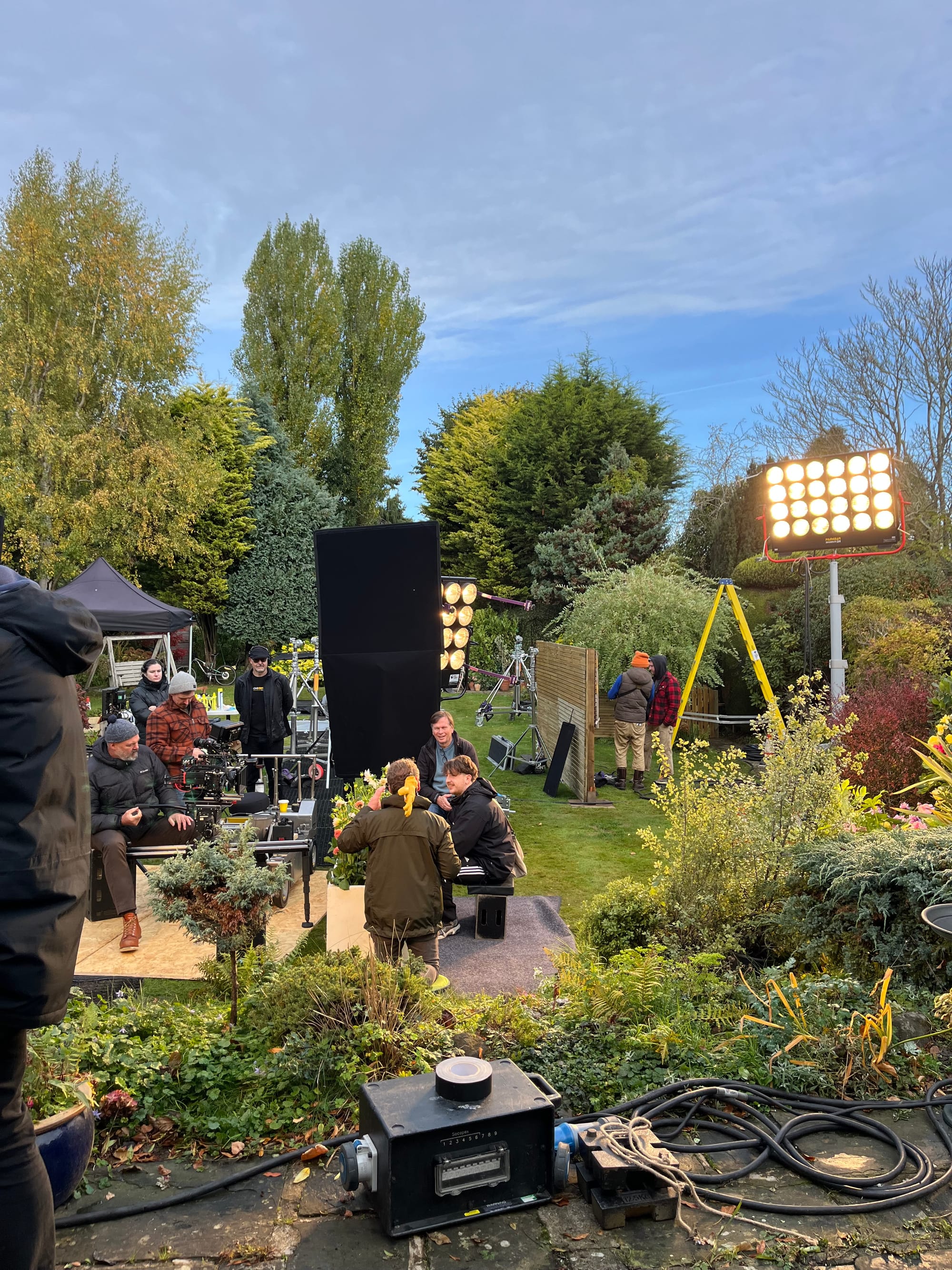
Where the shoot got more interesting was in the geometry capture. Alongside the photogrammetry work, the team ran LiDAR scans using an iPhone — a lightweight, fast way to get a rough read on the spatial geometry of the garden environment. Neither dataset is complete on its own: photogrammetry delivers the resolution and surface detail; the LiDAR provides structural depth information that photogrammetry can struggle with in complex organic environments. Combined, the two produced a reconstruction with significantly more fidelity than either would have yielded alone.
Animation began with a set of constraints — and those constraints were the biggest part of the work.
The guiding question throughout was a physical one: if these characters were being performed by hand, where would the puppeteers be sitting, and what could they actually reach? That hypothetical became a practical framework. Every motion was tested against it. If a movement fell outside what a person crouching behind a garden bed could plausibly execute, it came out.
The harder problem was the face. CG gives animators an almost unlimited expressive range, and the discipline required here was in refusing most of it. The tension between what the software could do and what the character should do had to be actively managed at every stage. Eyes that darted too readily, a mouth that bent too far, anticipation frames that were just a beat too long — any of these, in isolation, read as CG. The glove illusion is fragile in precisely that way: it holds until it doesn't, and the moment it breaks, it's very difficult to recover.
So the process became one of constant calibration. Push the performance far enough to feel alive; pull back the instant it starts to feel digital. That line was different for every shot, and finding it — and staying on the right side of it — was where most of the creative energy went.
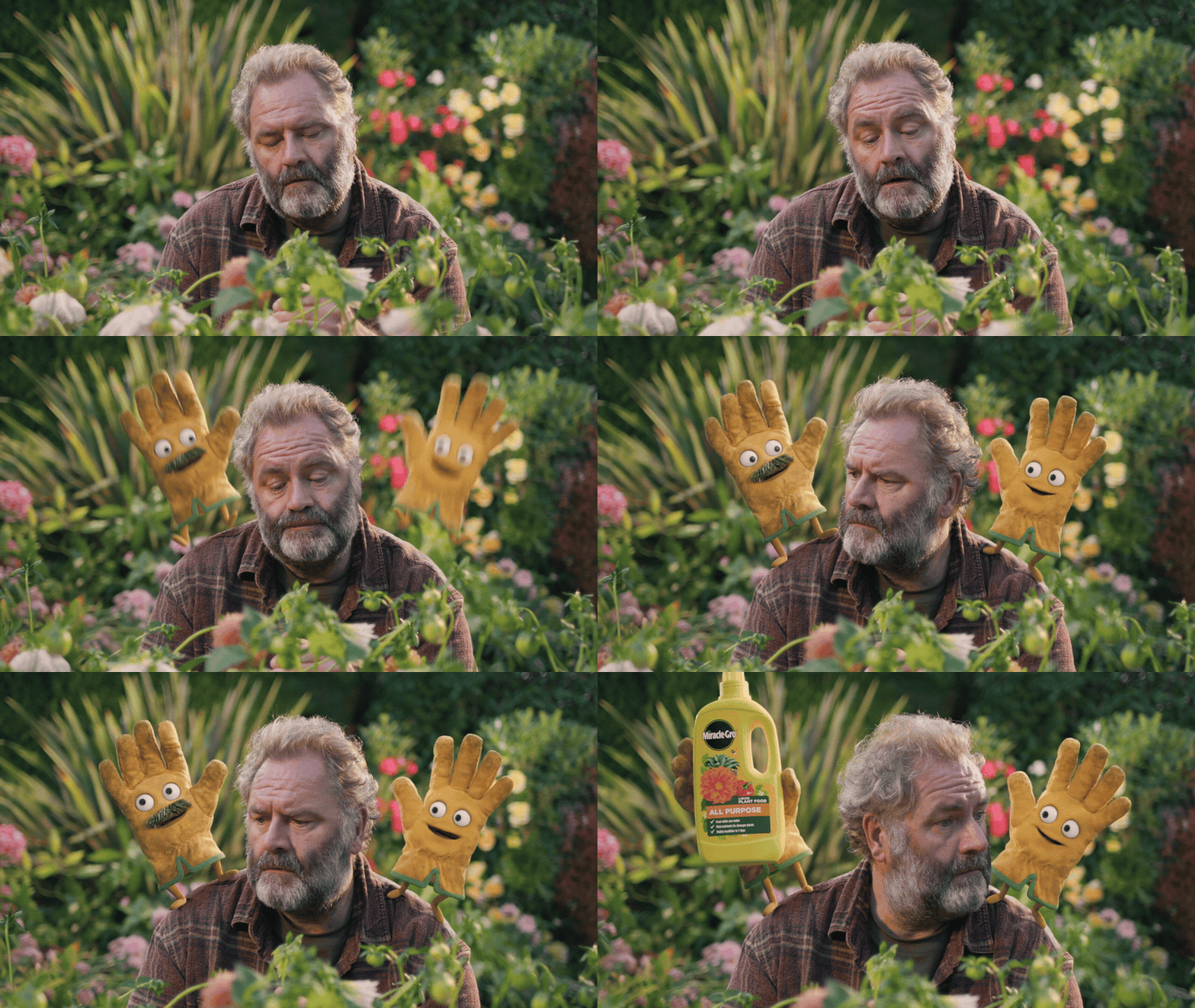
Notice how we keep certain areas frozen while they find their feet
One of the more instructive lessons from this project came from the pipeline itself.
Animation and rendering lived in two separate applications — Maya for the performance work, Houdini for everything downstream. The problem with that split is that animation can't be properly evaluated in isolation. A movement that reads cleanly in a grey-shaded viewport can reveal itself as unmistakably CG the moment textures are applied and light hits the surface. Texture distortions that were invisible in Maya became obvious. Which meant going back to Maya, correcting blind, and cycling through Houdini again to check the result.
It worked, but it added length to every feedback loop and introduced a degree of guesswork that ideally shouldn't be there at this stage of a project.
The fix is straightforward, and it's already shaping how we'll approach the next character project: animate entirely within Houdini, with textures, effects, and lighting live in the viewport from the start. Assessing performance in the same environment it will be rendered in isn't a luxury — on a project where the margin between convincing and unconvincing is this narrow, it's a necessity.
Of course, one may argue that it would be better to simply put the textures in Maya so the animators could see the effect. It is true, but setting the character into different packages is quite an involved task as well.
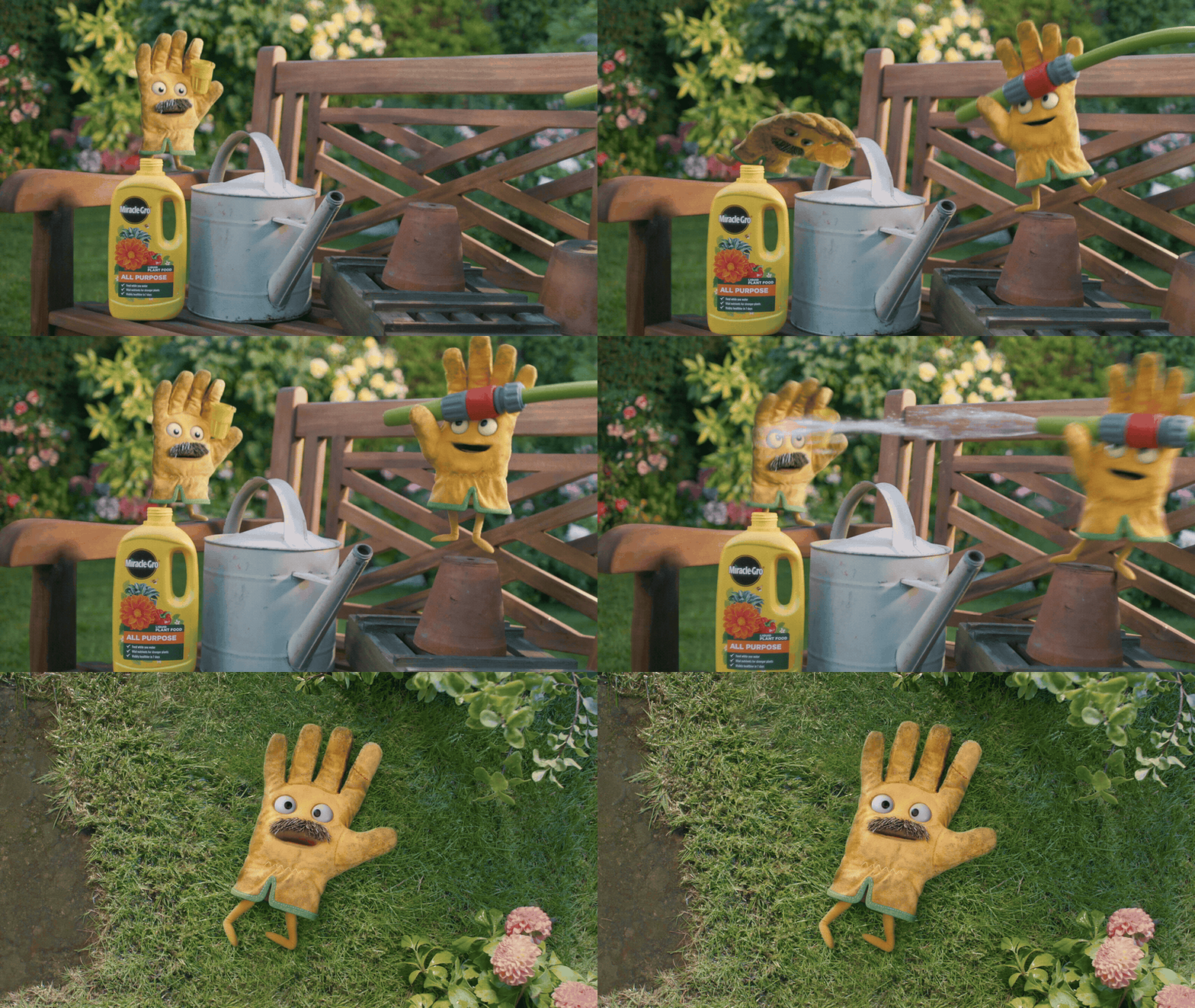
Hose vs Gaz physics
The relationship between Gaz and the hose presented its own specific problem: is he controlling it, or is it controlling him?
The answer, deliberately, is both — and it shifts throughout the sequence. There are moments where Gaz is clearly driving the hose, purposeful and in command. Others where the hose has the upper hand and he's essentially hanging off it, feet barely finding the ground, trying to assert some influence over something that has other ideas. That ambiguity was a creative choice, not an oversight. It reinforces the same physical logic that runs through the whole project: these are small characters navigating a world that is slightly too large and too unruly for them.
The water presented a different kind of decision. Simulation was the obvious technical route — and the one we chose not to take. Simulated water, however well executed, carries a particular quality that can read as CG in exactly the way this project was trying to avoid. Instead, the water was captured as a practical element, filmed against black, and brought into Nuke as a comp element. The result is water that behaves like water, because it is water — just placed, rather than calculated.
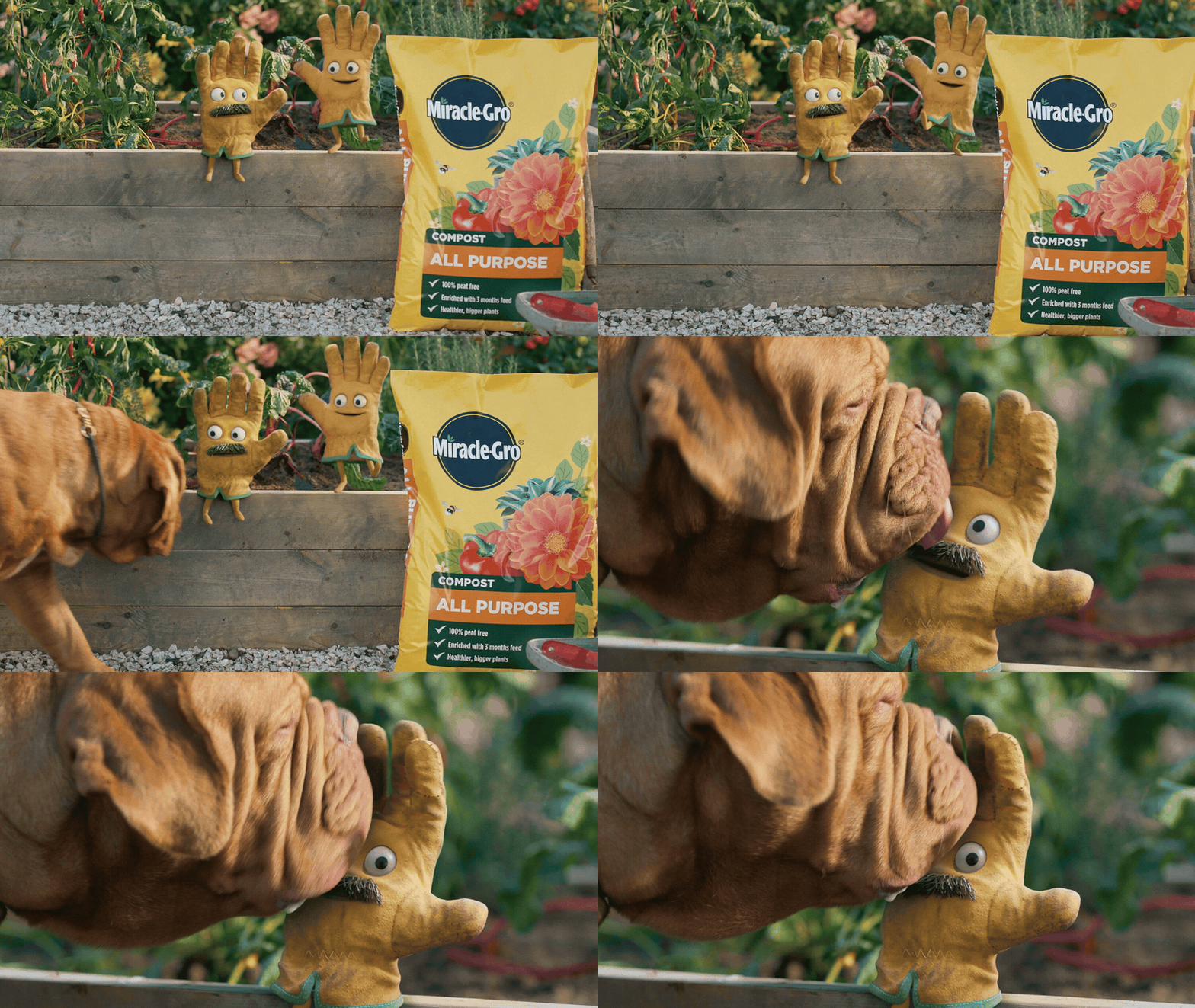
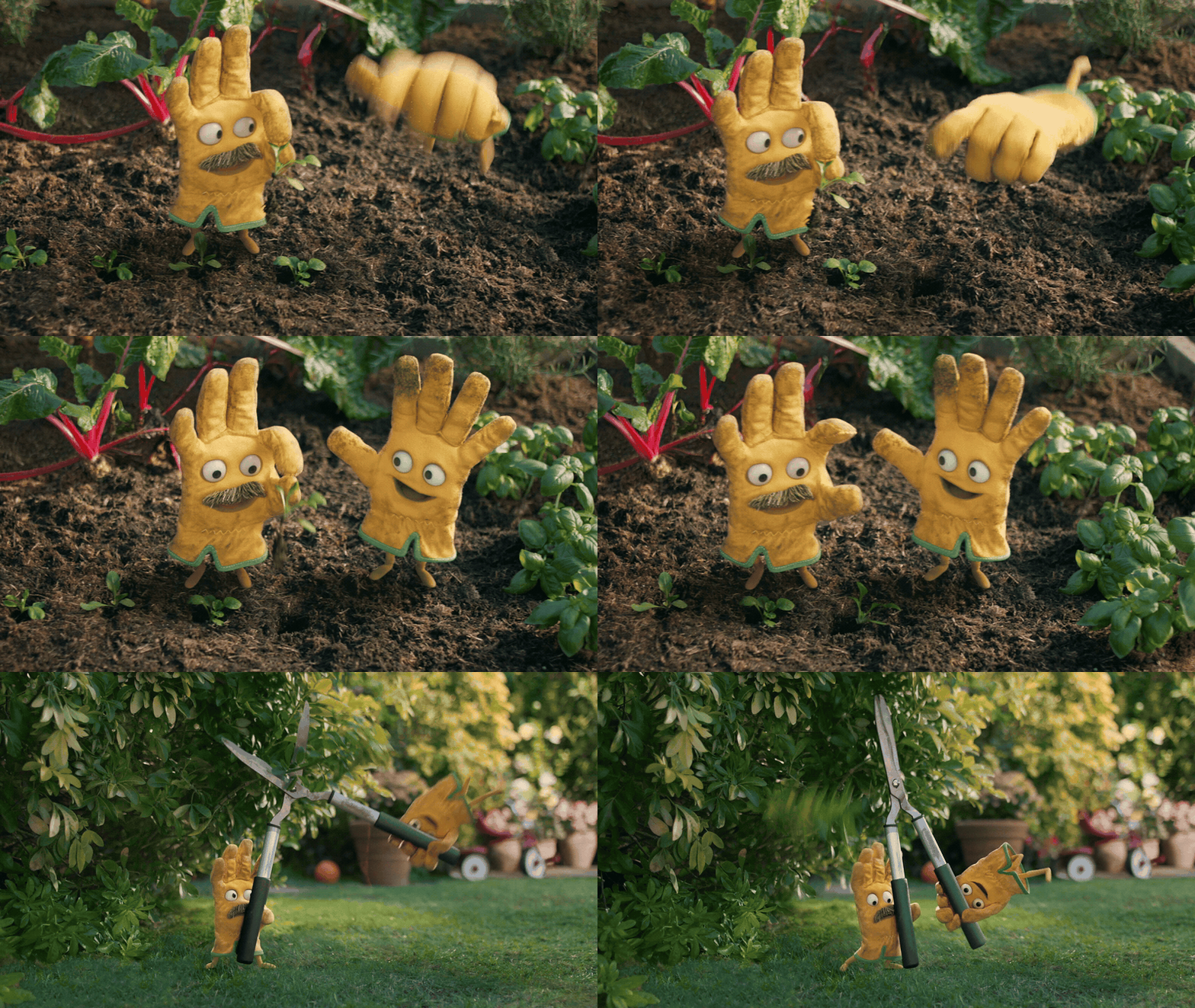
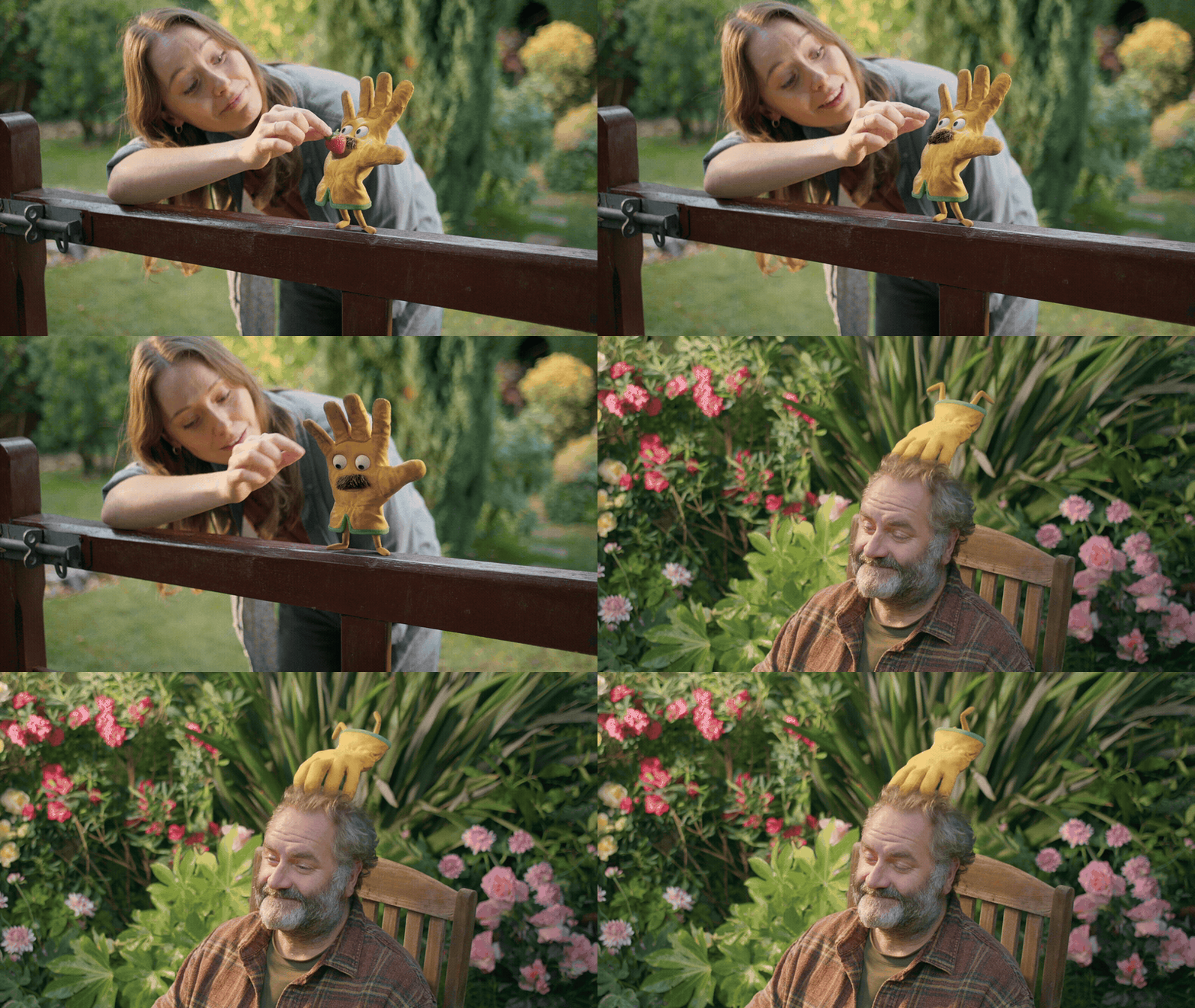
Getting to design these characters from scratch — to be part of giving them a look, a personality, a way of moving through the world — is exactly the kind of work this studio exists to do.
Mo and Gas feel like characters with a life beyond this spot. There's enough personality in the dynamic, enough warmth in the world they inhabit, that it's hard not to hope this is the beginning of a longer story. For now, we're enjoying spending time with them. What comes next is anyone's guess.
To everyone involved — client, agency, production, the full creative team — thank you. Projects like this don't come together without a genuine collective effort, and the challenges along the way only made the result more satisfying. We're proud of this one.