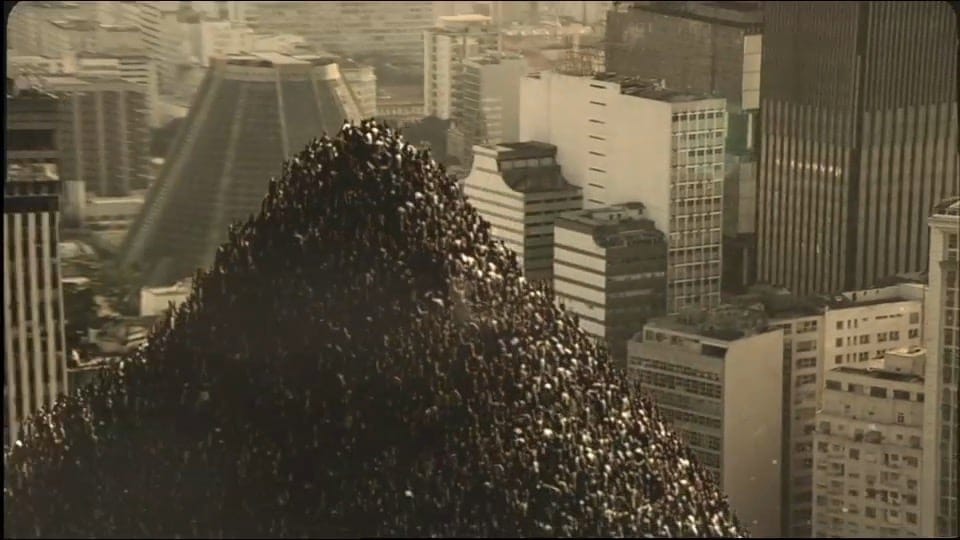
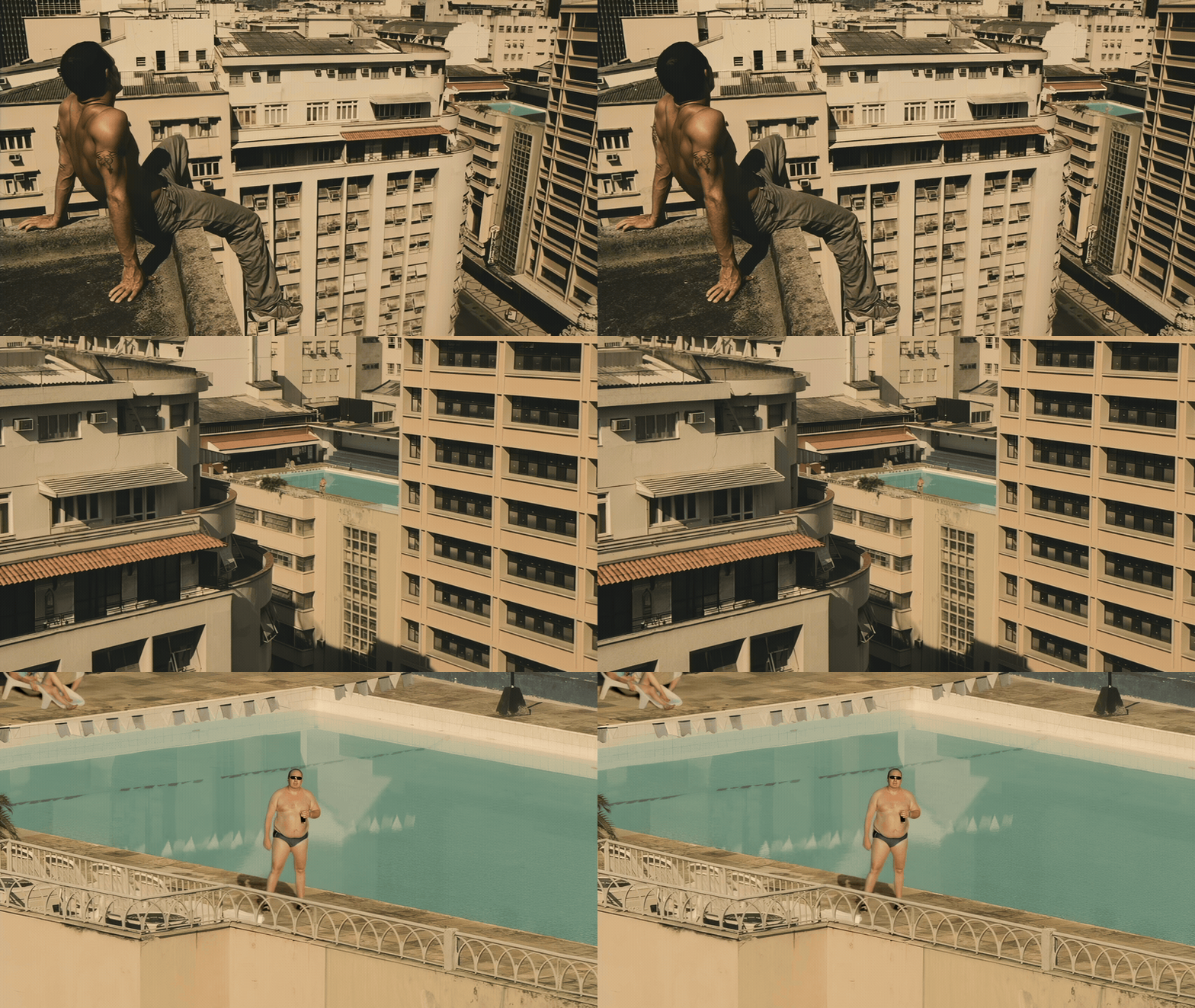
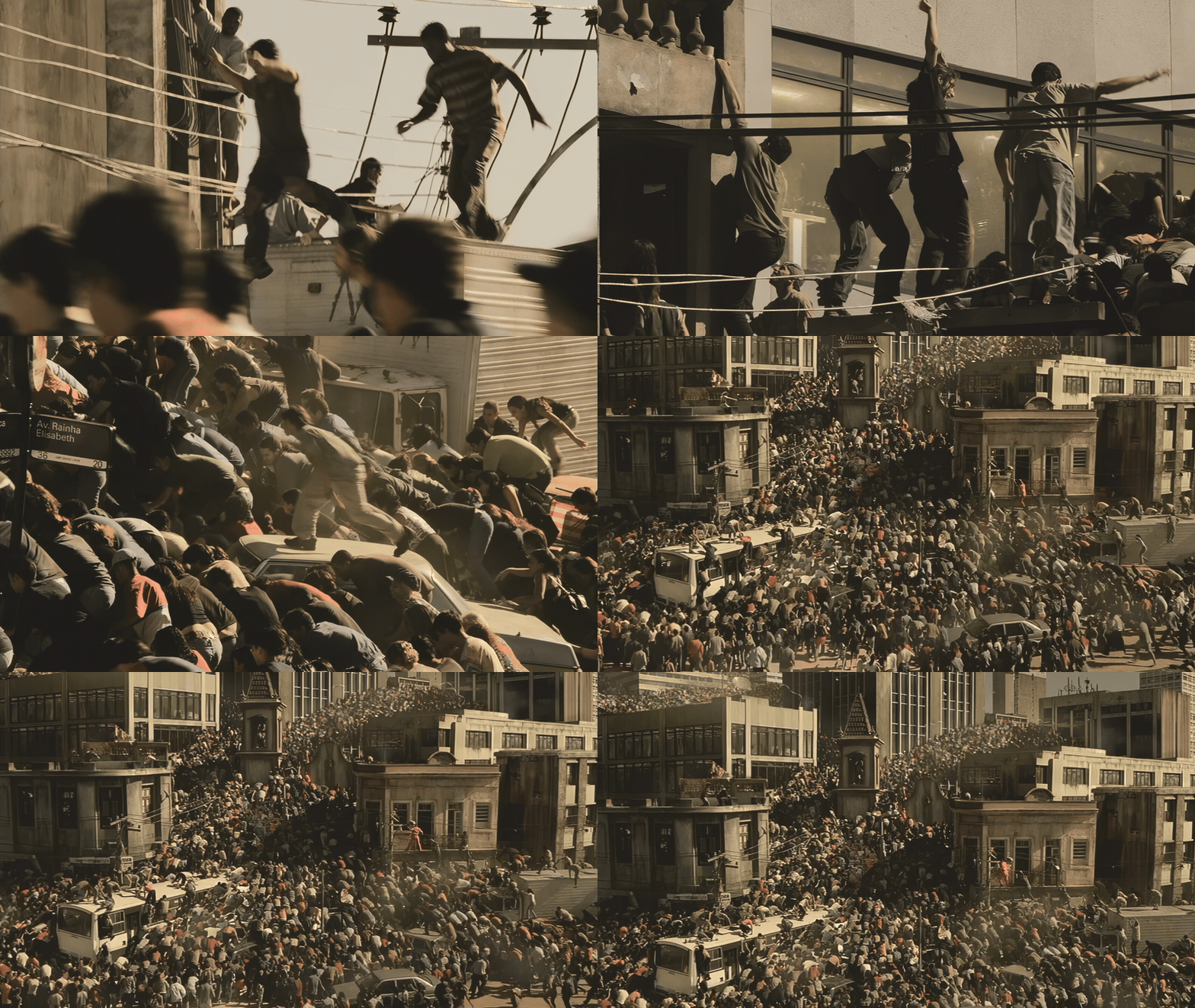
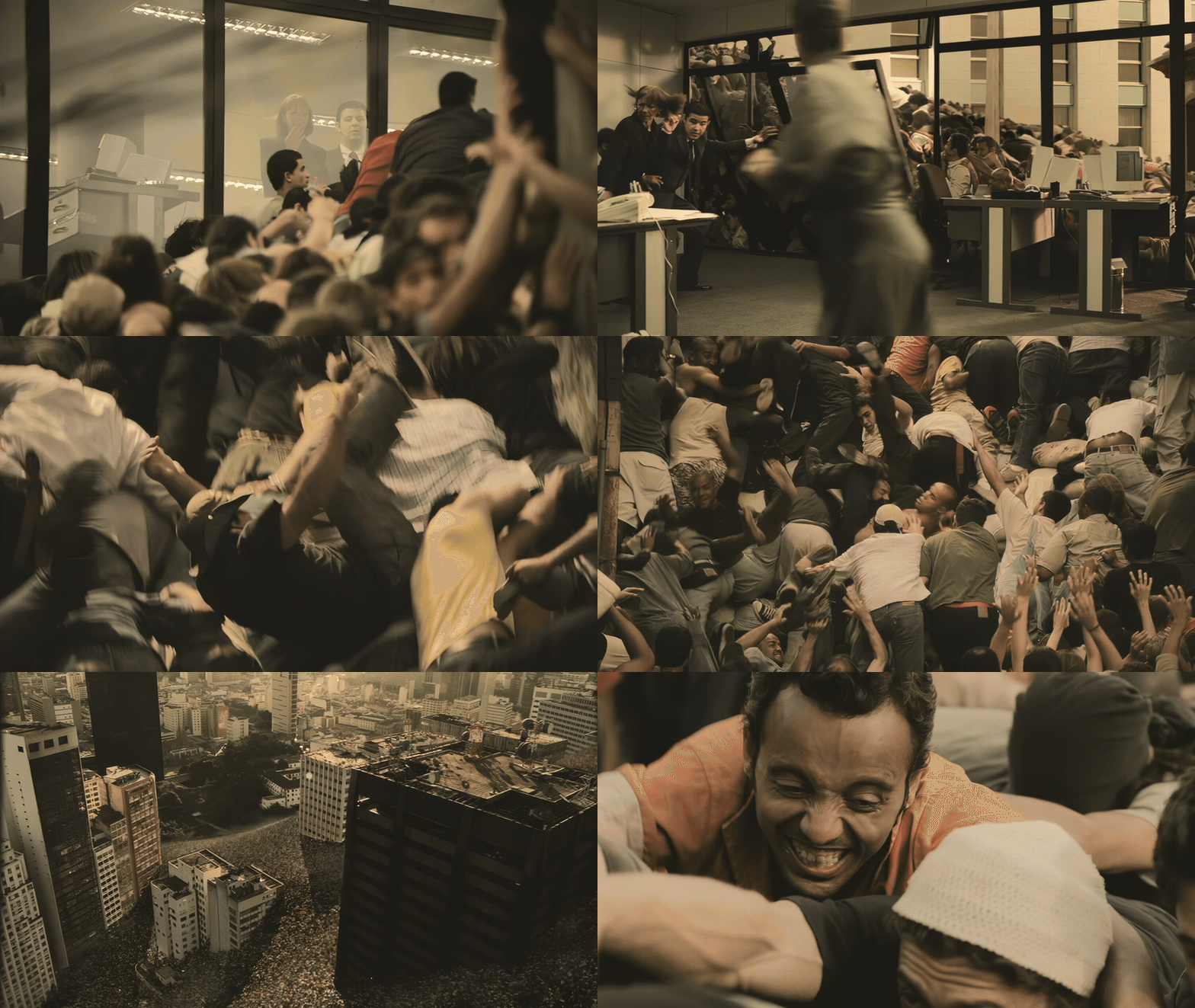
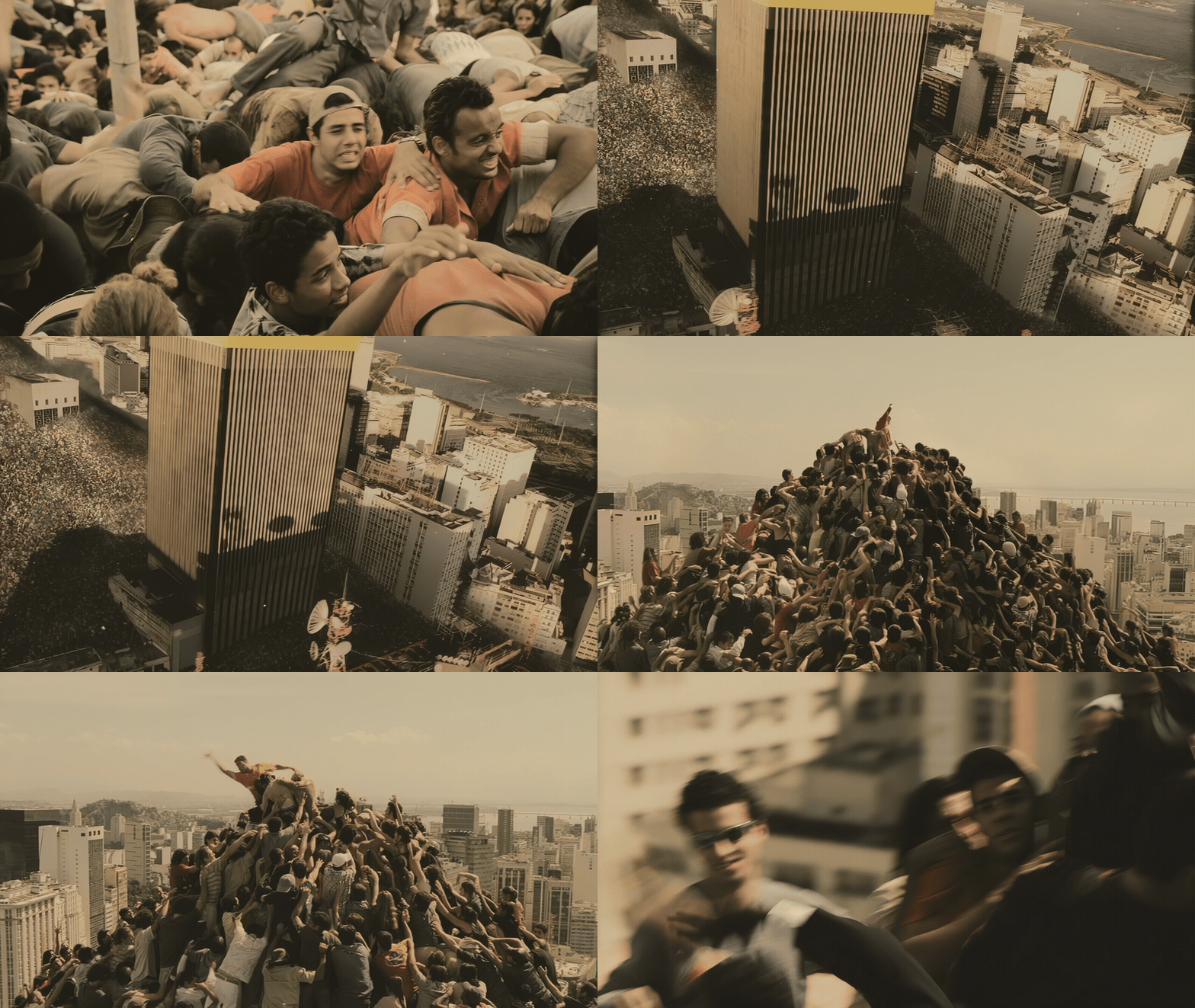
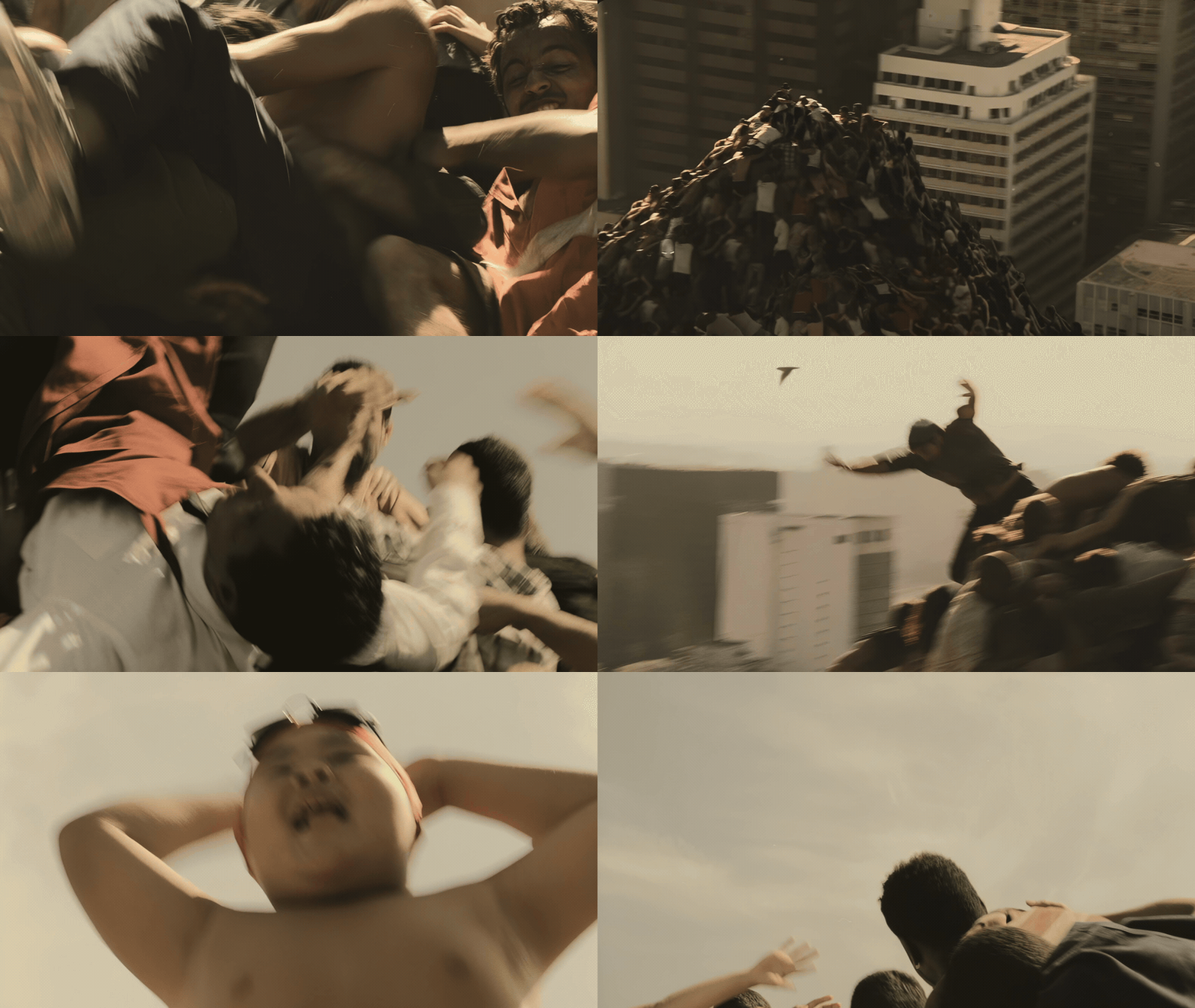
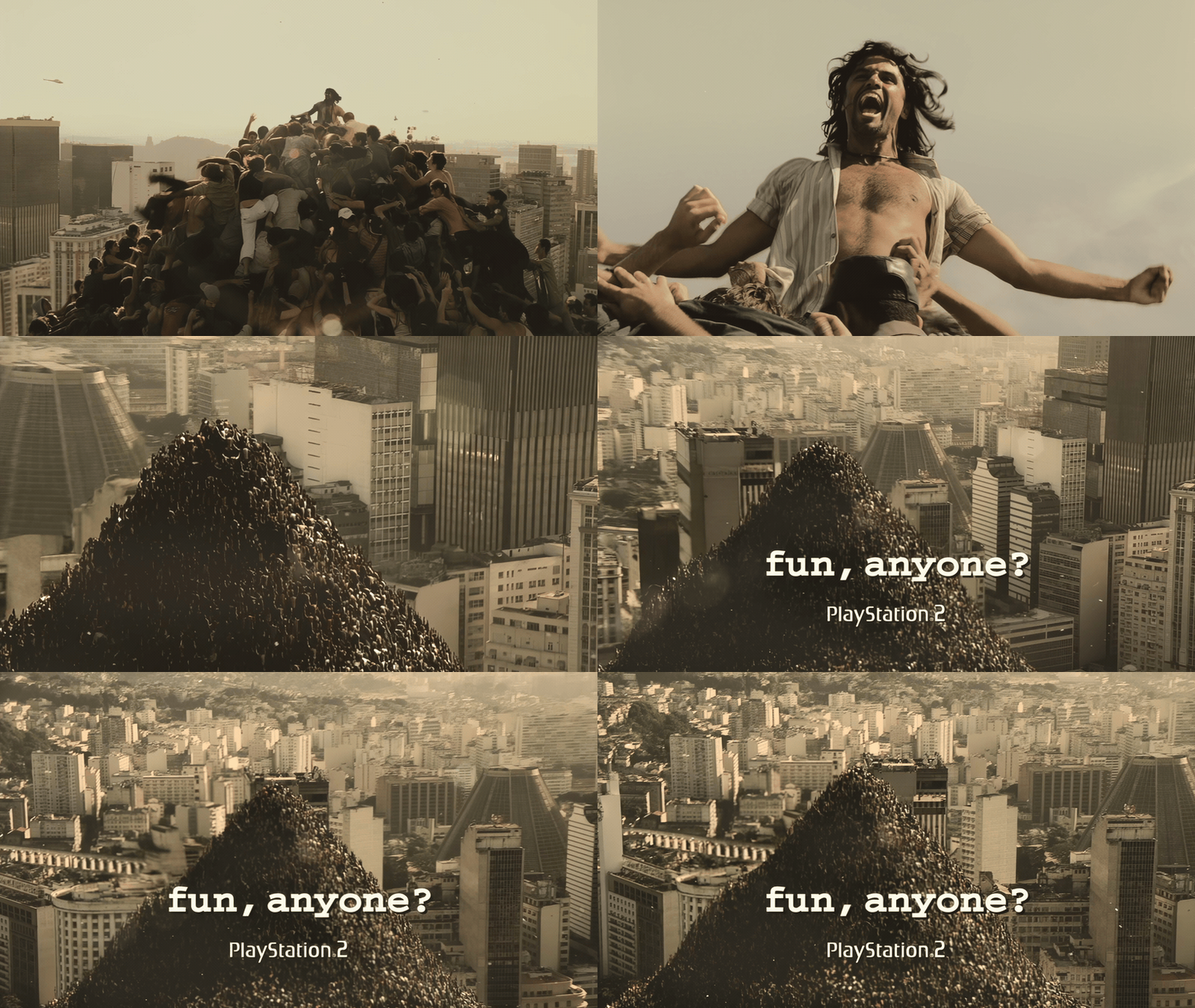
A total game-changing commercial in every single sense and a clear showcase of technology to the service of a great idea. Probably this is one of the most radical commercials ever, not only in the idea but in the making as well.
Director: Frank Budgen Agency: TWBA London Production: Gorgeous Client: PlayStation
I look at this job as the highlight (so far) of my career because I believe we actually changed something, there was clearly a before and after due to a qualitative change in computer graphics technology in which believable crowds could be modelled, managed and rendered, something that till the was simply a bunch of simplifications that looked cheap and wrong.
At the time really I didn’t expect how many awards would get, how long would survive as the facto reference for crowds and sure enough I was not aware what we just did, now I see it clearly, we have changed cinematography forever, directors and directors of photography now are free again as they were in the times in which the production of films like Spartacus, Cleopatra and the like were possible.
Approach
To take you through the history of crowds after that golden period in which it was feasible to do it for real the whole problem was one of money, paying five thousand extras for two days was simply out of the table at some point, then with the advances of digital compositing we made possible those kind of projects only if the camera was static, motion control then took the lead to further improve the result but allowing moving the camera at the cost of huge setup times and lack of freedom so the options were three; no crowds, no camera move or no freedom to explore nothing but the preprogrammed camera moves.
Then massive software, as a result of a huge development effort at the hands of Stephen Regelous, opened the doors to realistic crowds that were used on the three famous trilogy The Lord of the Rings, from which at some point at Siggraph I visited him and after a very nice chat, got an alpha version to play around.
At this moment, The Lord of the Rings and the technology behind it were already in the spotlight, winning best effects and, for Stephen, a technology award from the Academy (an Oscar for actually doing something), but it was an internal development. To our surprise, they allowed Massive Software to grow as a completely independent company and take control of the software while we were using it on a Radiohead promo in an experimental manner.
Then, after that job and a lot of learned lessons, many hours in front of the computer and the invaluable help of Jan Walter, a senior R&D artist helping me put together everything, from a RIB exporter to parsers to the actual shader writing, we landed this job in which we were about to extend a crowd. Of course, the job grew to a point where we took over some shots, and after a proof of concept shot, the director, agency and client seemed happy to go ahead and push till there is no end to achieve this.
On the way, we created a brand new agent with amazing capabilities, cloth variations, a sociable brain that took into account much more than just terrain and proximity of other agents, but was indeed modelled through the observation of real events in the London tube entrance, which seems very similar to the project’s goal. All in all, we didn’t realise at the moment we were just pioneering realistic crowds in realistic times for everyday projects and on the way to liberating the crew, director, and cinematographer from all our previous constraints.
Since then, we have not looked back ever, and for the last few years, it has been a wonderful journey in which our agents do more and more, get even more clever and sociable, and we manage to make better advertising.
The link has been copied!
Your link has expired. Please request a new one.
Your link has expired. Please request a new one.
Your link has expired. Please request a new one.
Great! You've successfully signed up.
Great! You've successfully signed up.
Welcome back! You've successfully signed in.
Success! You now have access to additional content.