Take That 'Sweet July'
An awfully great project with one of my heroes, Vaughan Arnell, a phenomenal director with whom collaborating was the very definition of the word.
An awfully great project with one of my heroes, Vaughan Arnell, a phenomenal director with whom collaborating was the very definition of the word.

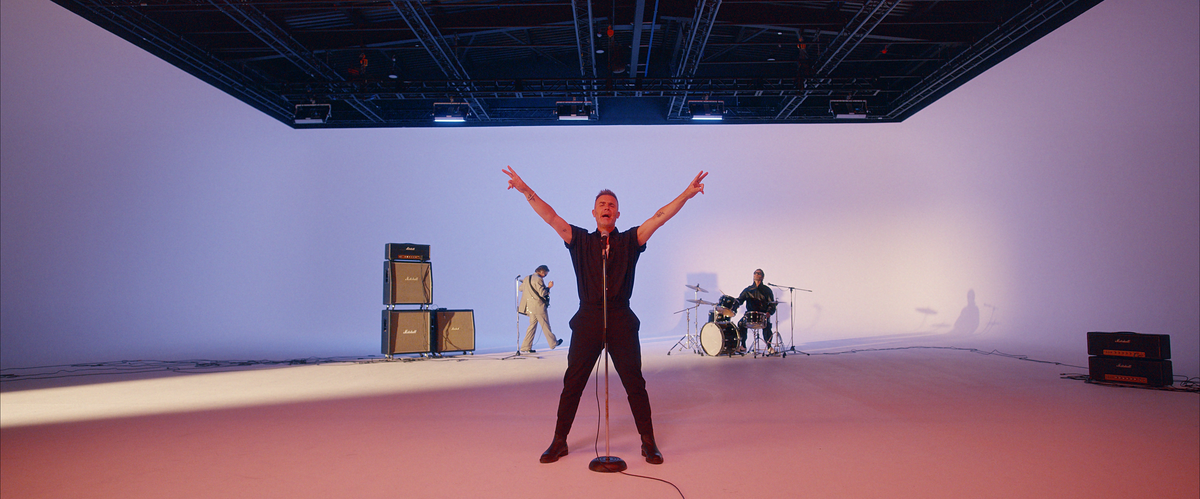
Director: Vaughan Arnell
Prod. Company: Merman
Musician: Take That
Client: Polydor Records
A wonderful opportunity to work with Take That and Vaughan Arnell on the new official video for the track "Sweet July", wow.
After a series of conversations with director Vaughan Arnell, the idea of applying a graphic treatment to the footage, inspired by the works of A-ha's "Take on me", Inxs "Need You Tonight" and Peter Gabriel's "Sledgehammer" made us think we could leverage these new AI tools to help us craft the look and create a new piece that is both fresh and pays homage to these classics.
So, I went and analysed the work done on those three and, it was clear the craft of those pieces was the key: no computer-generated anything, but stop-motion, pure pencil animation, rotoscoping talent and cut-out animations.
Therefore, I created a series of tests with refreshed reinterpretations of an existing shot from a previous video Take That did. The mindset was to generate these styles in a hand-crafted way: first by guiding the AI system with Photoshop drawings, then letting it generate the cleaner outline and textural quality I wanted; finally, I further manipulated it in After Effects to produce a more hand-crafted look.
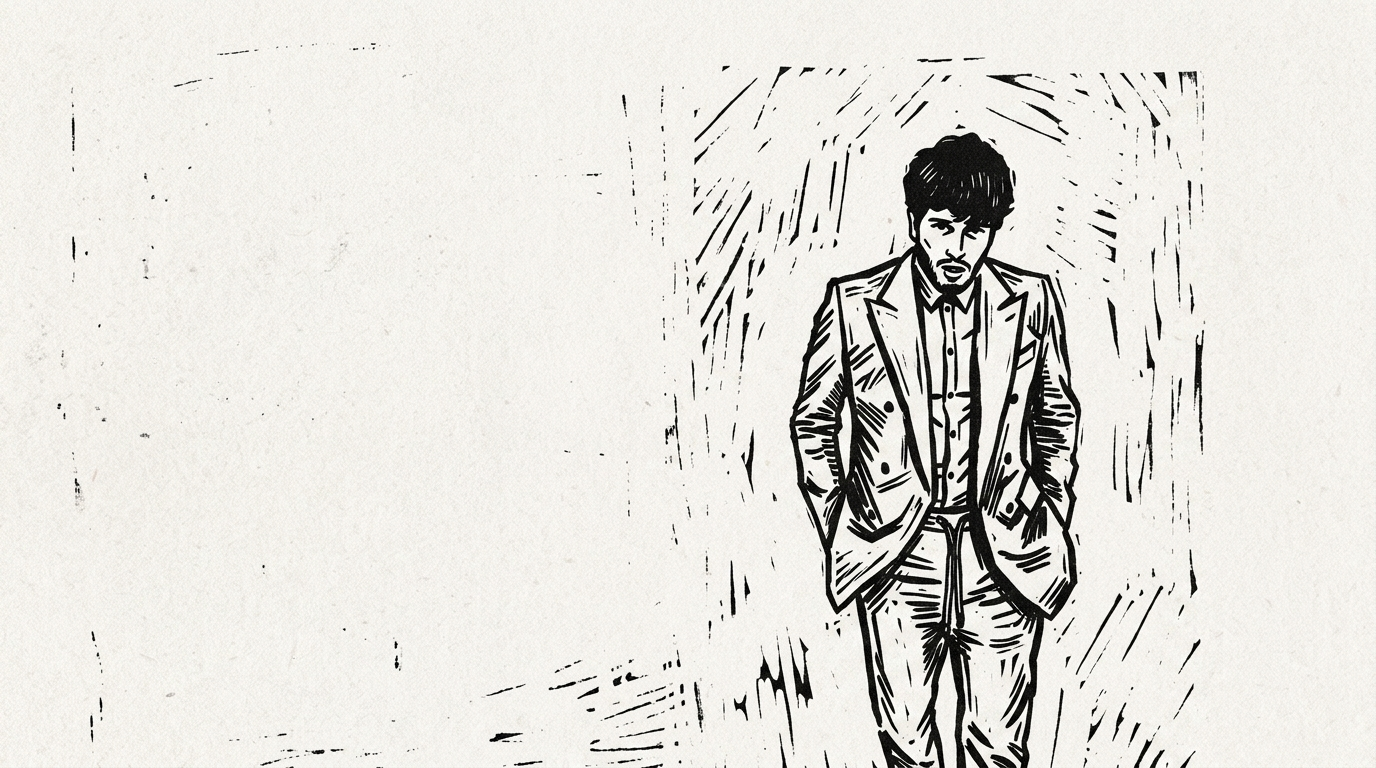
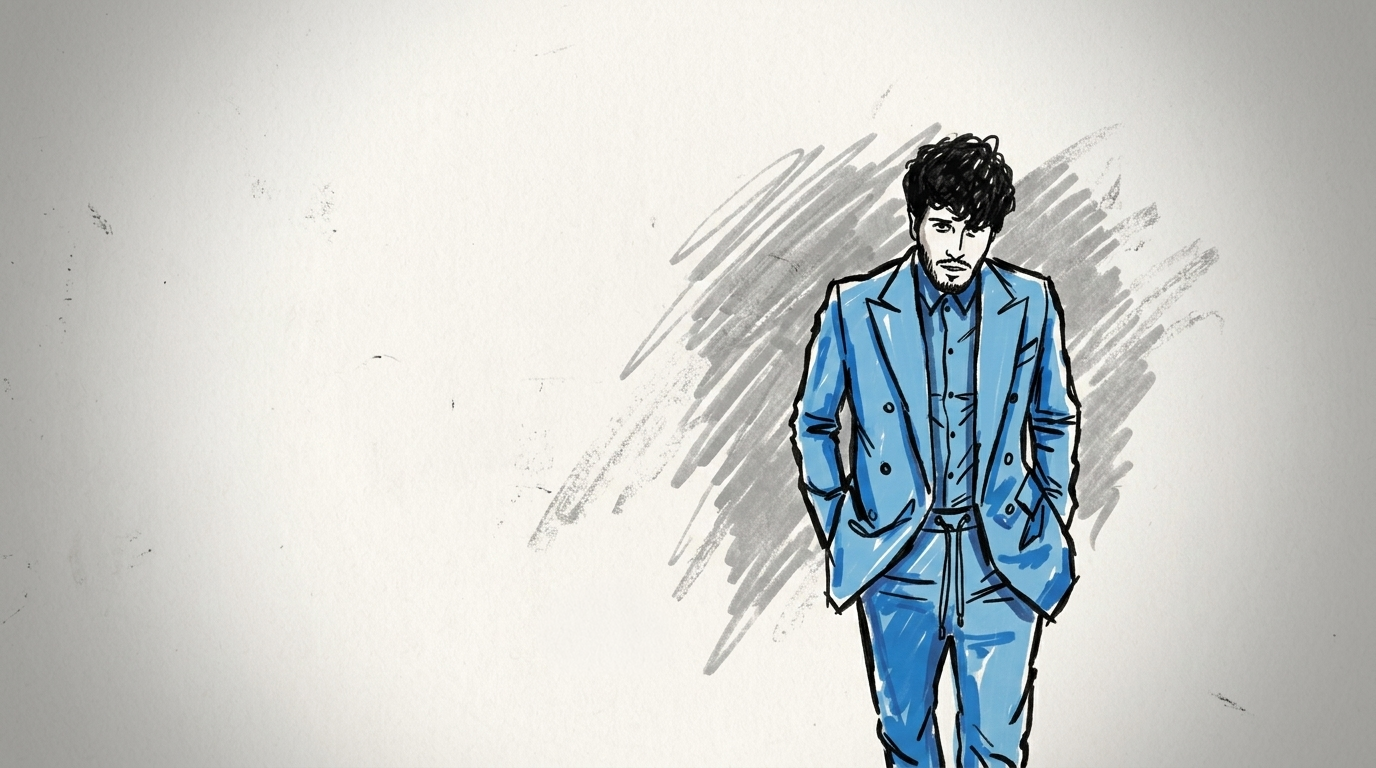
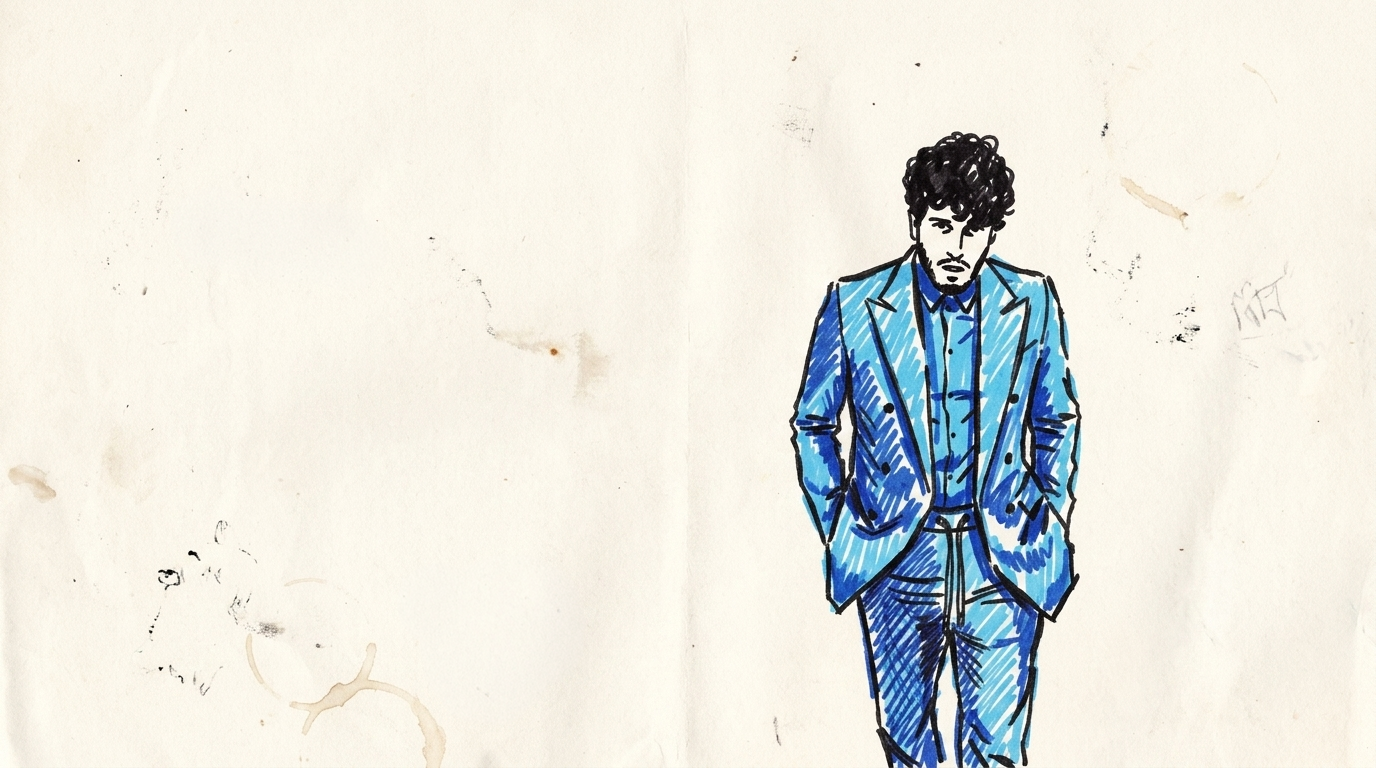
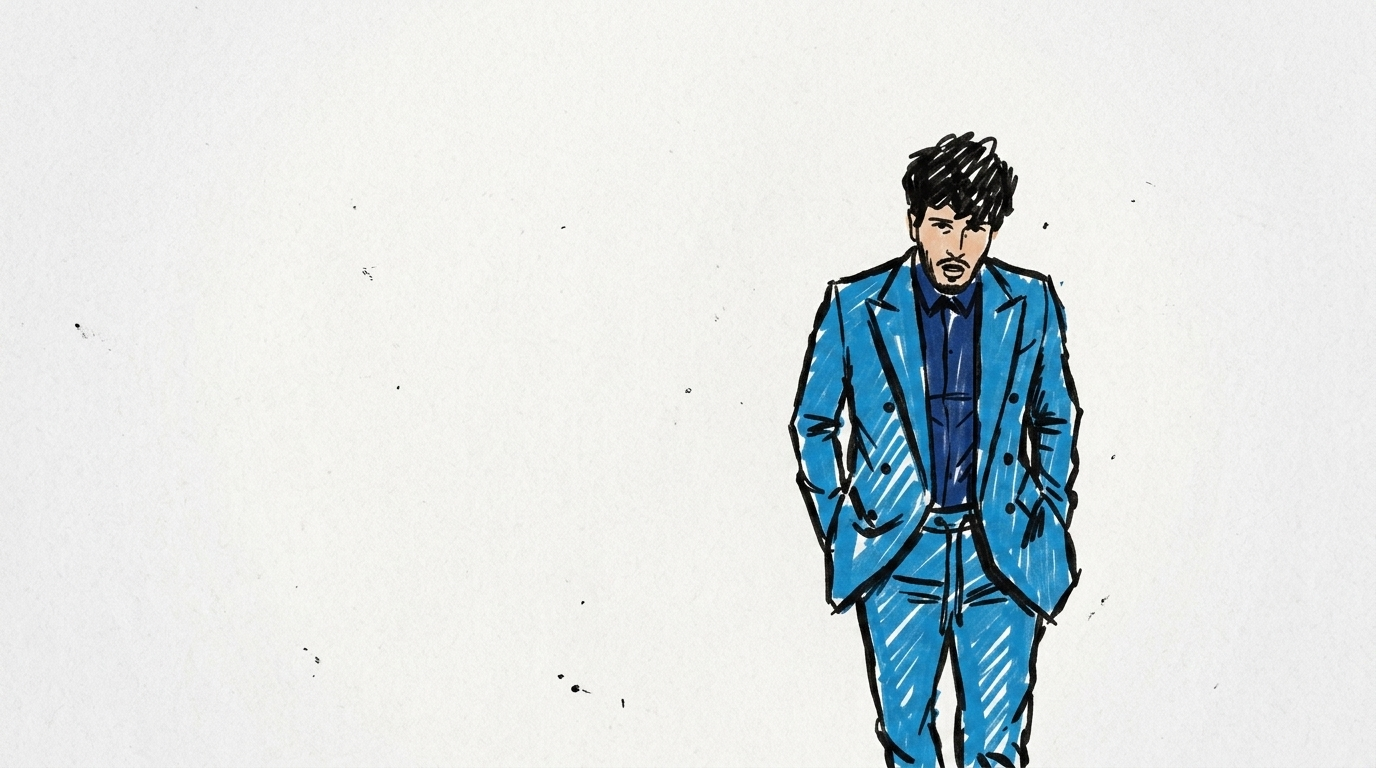
Different graphic treatments
The results were simple, but we all saw the potential, so we tried some simple animation tricks to get it to move in a non-computer-controlled way and bring back a bit of the magic of animation, albeit in a simulated manner, to make it work.
And those didn't work at all... the motion transfer from AI systems was awful and totally contrary to what we wanted to accomplish. The motion was too perfect, the volumes too correct, the evolution of the lines looked done by a robot rather than a human and at that point, I remembered A-ha's creators surely found themselves in a similar situation, as they used rotoscoping for everything.
So, going down the A-ha's route meant we had to make the drawings evolve from frame to frame, it meant we had to pre-process the footage before giving it to the AI system and that we should guide it to generate artwork that was human in its interpretation.
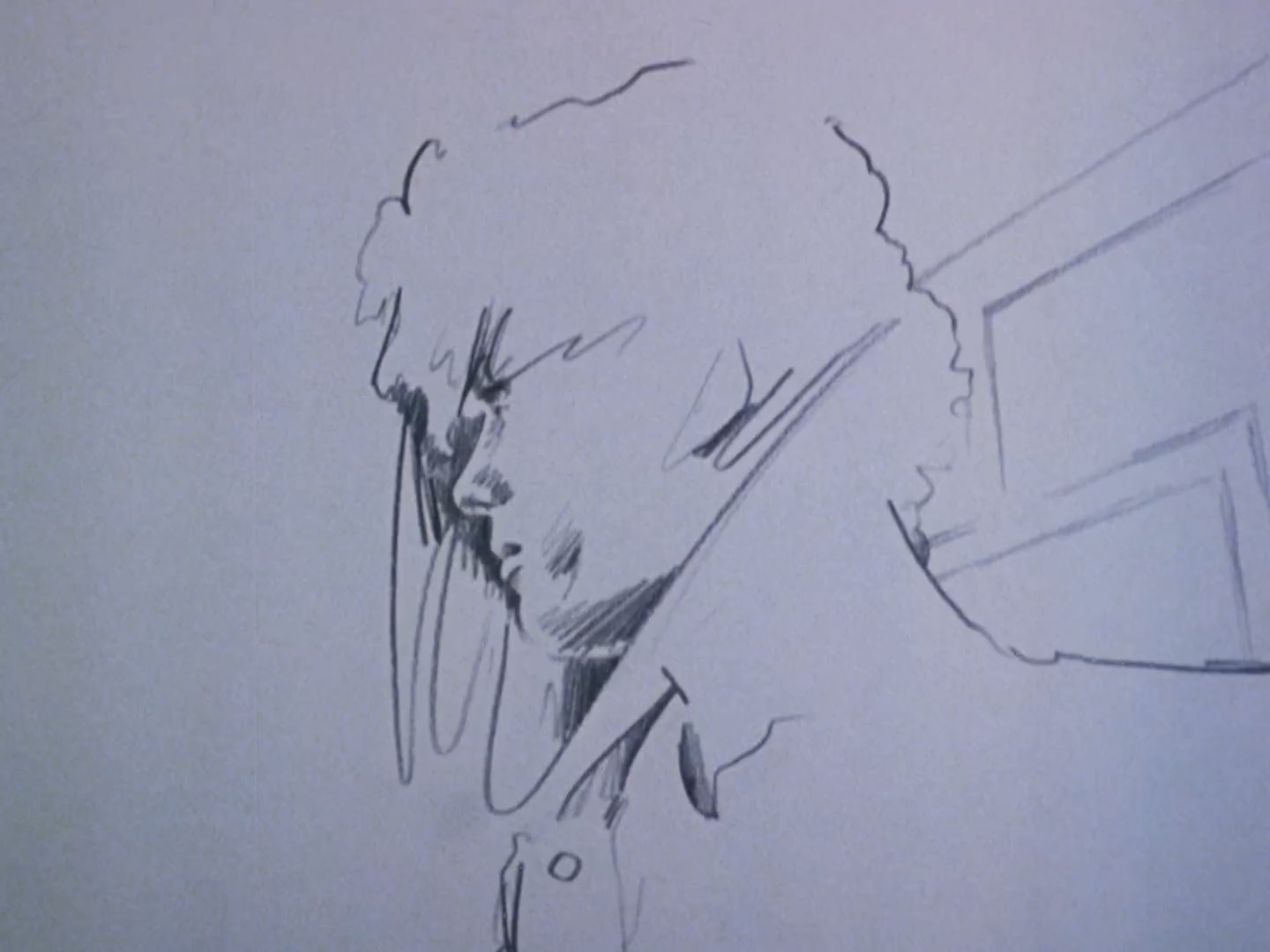
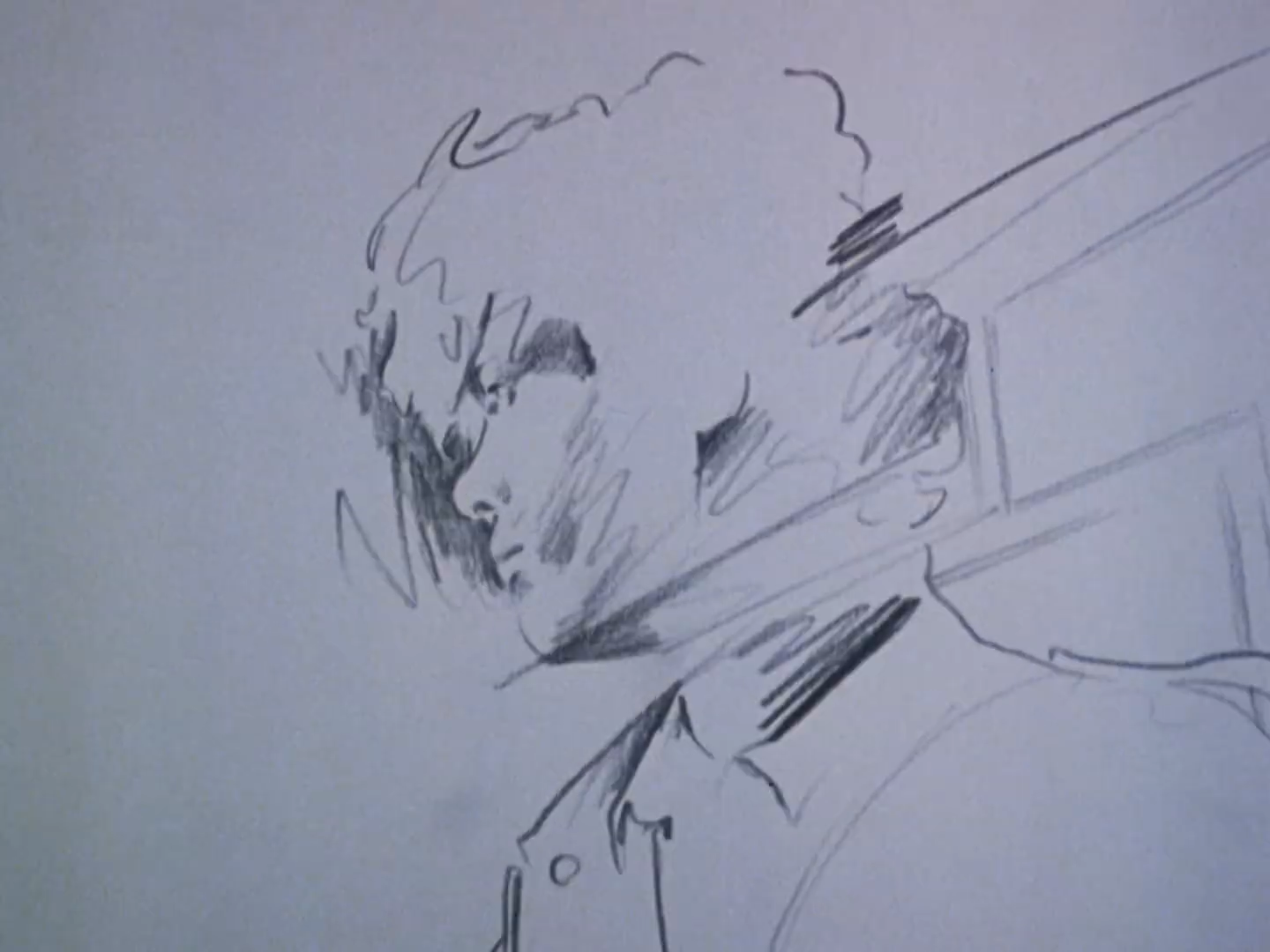
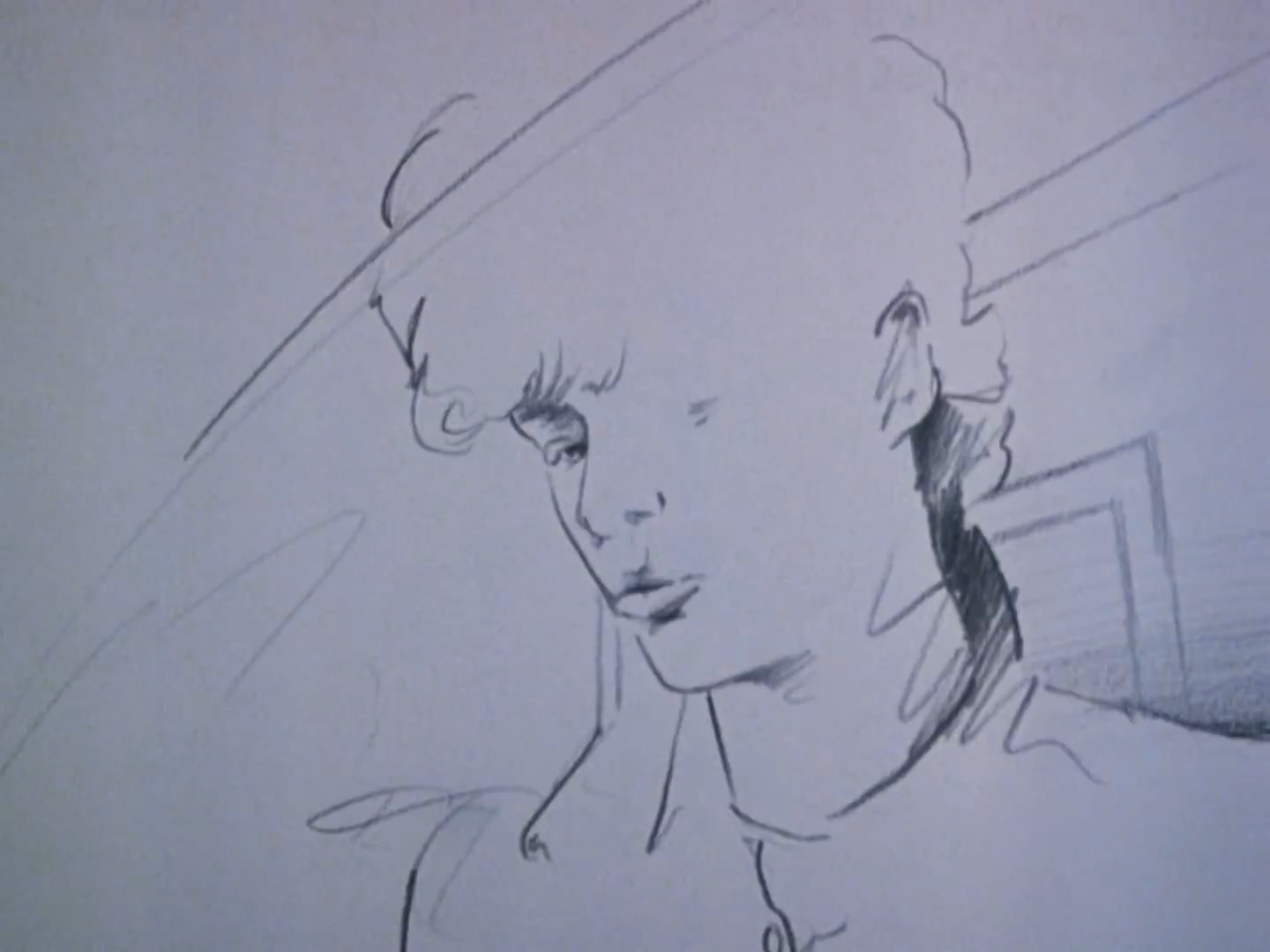
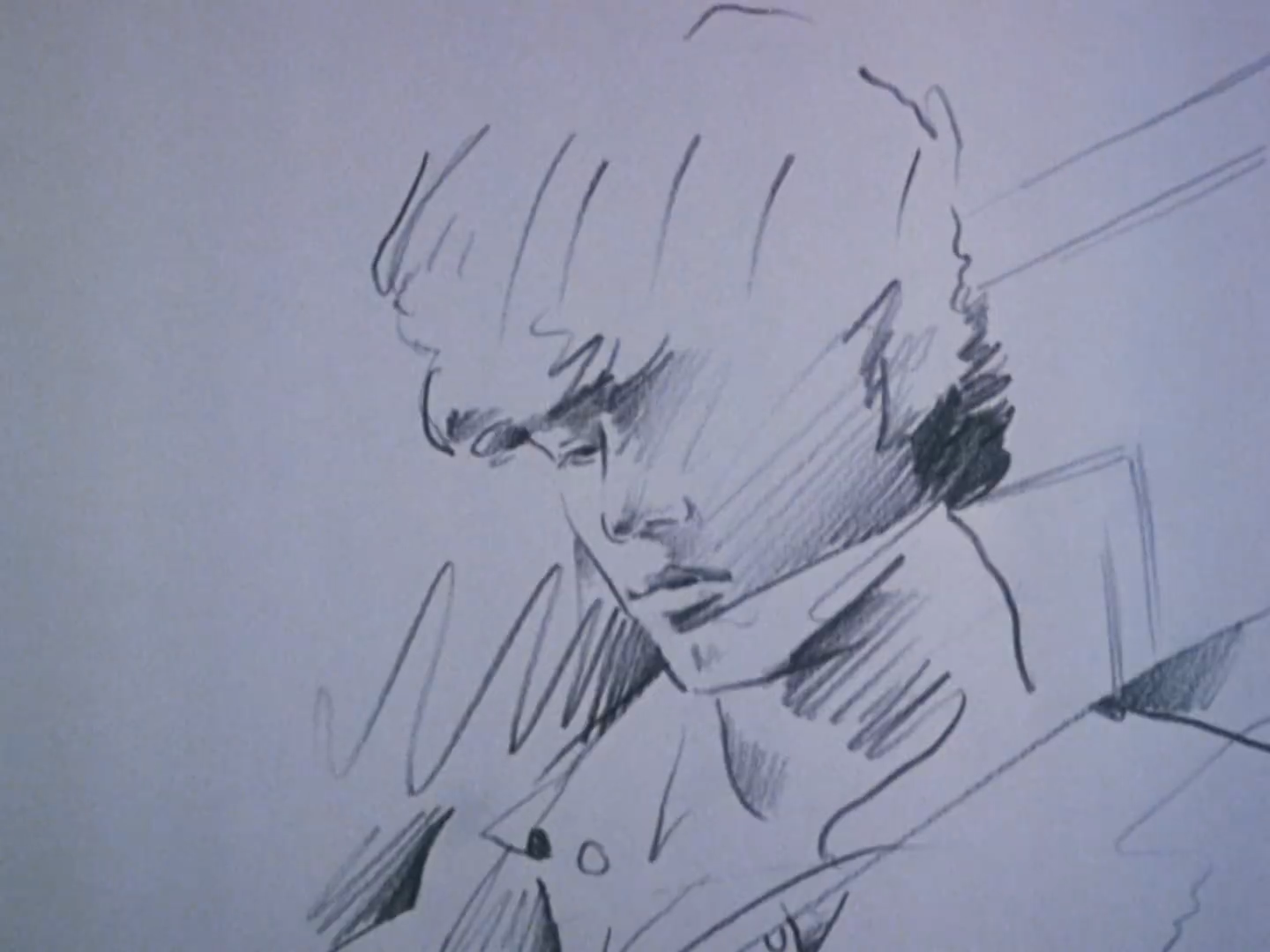
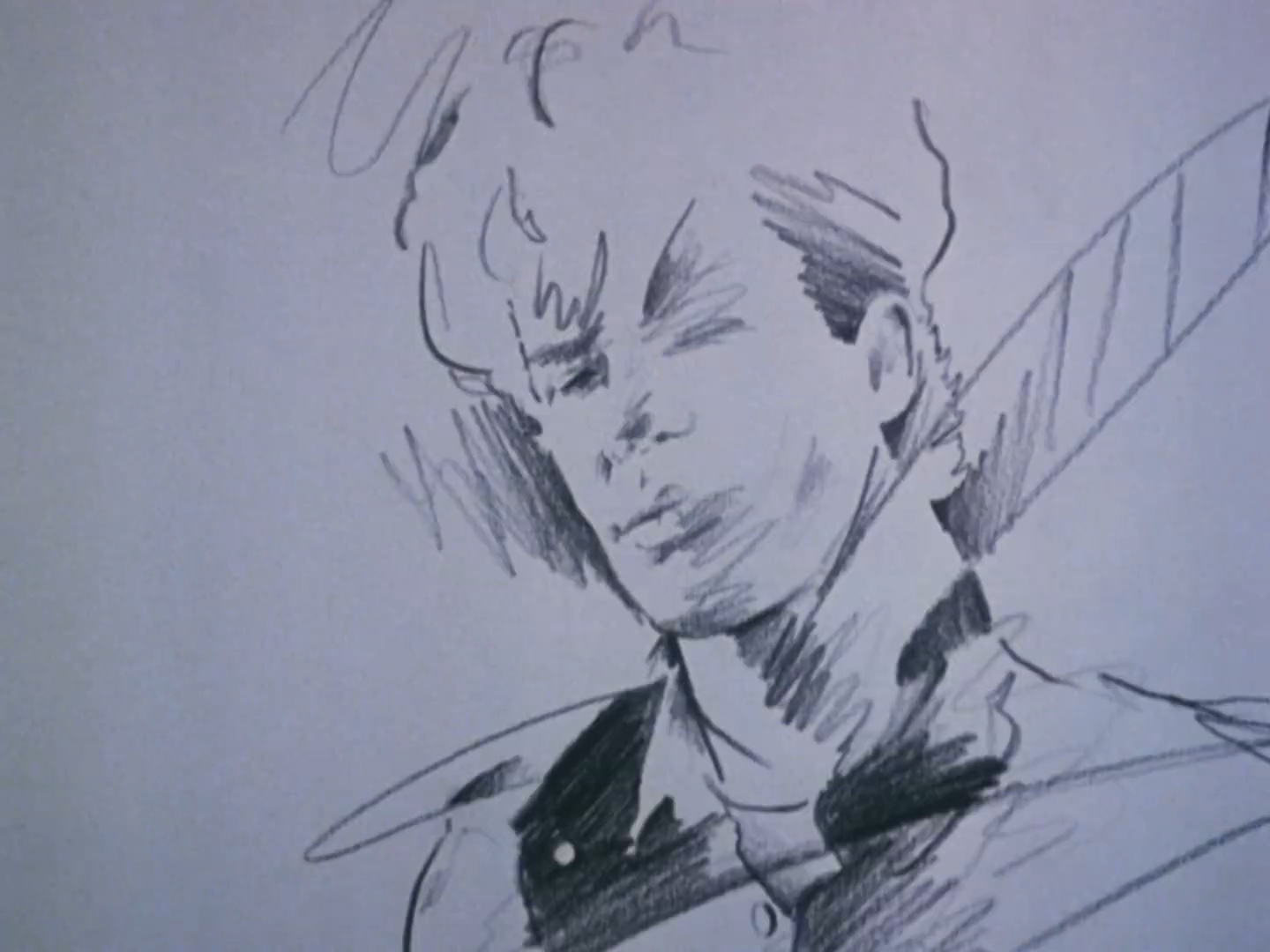
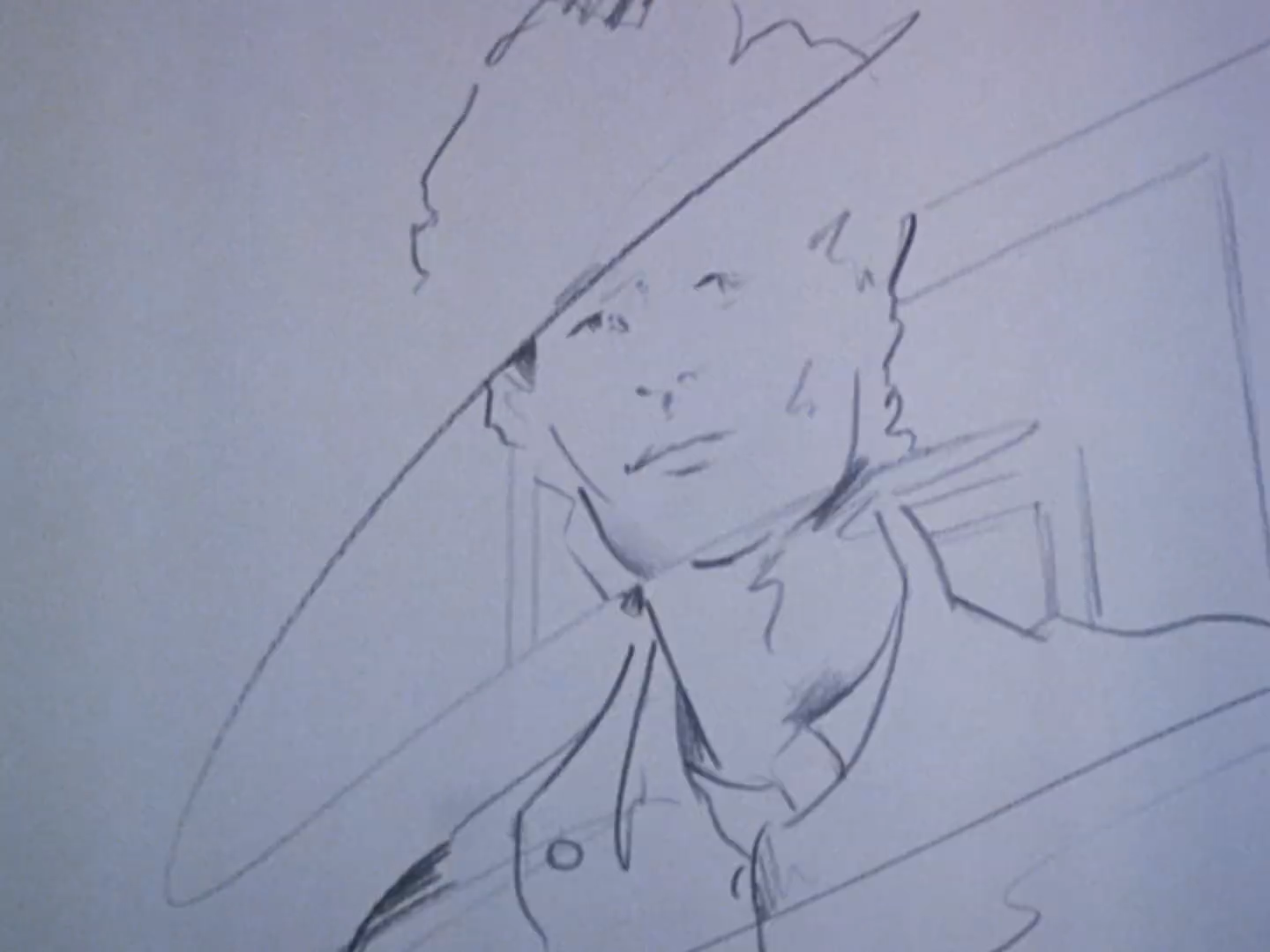
A-ha's "Take on me" video thumbnails referenced.
Armed with these examples and various embryonic animations I am too shy to show, it was now a matter of art directing it and presenting it to the band for their approval.
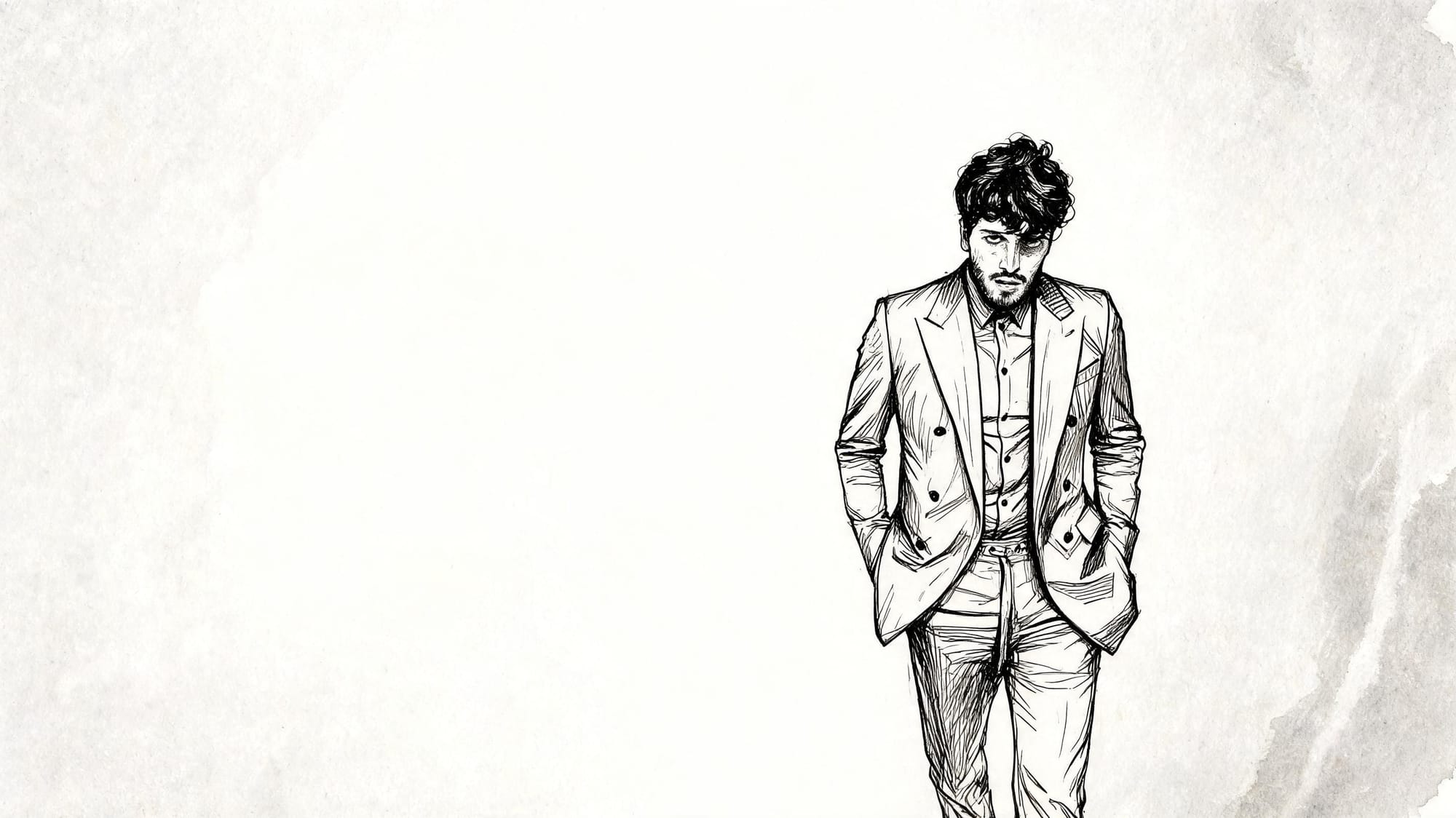
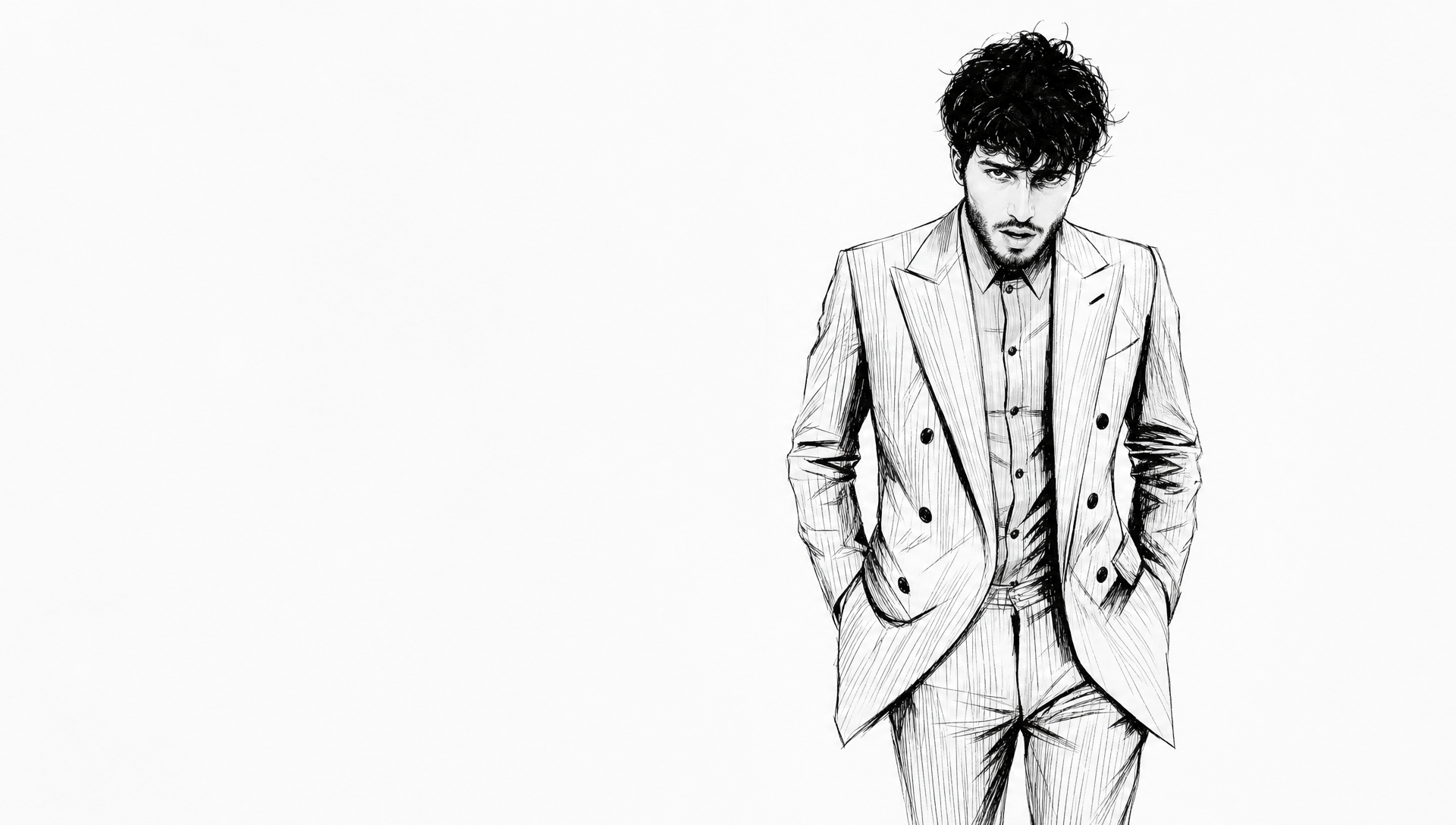
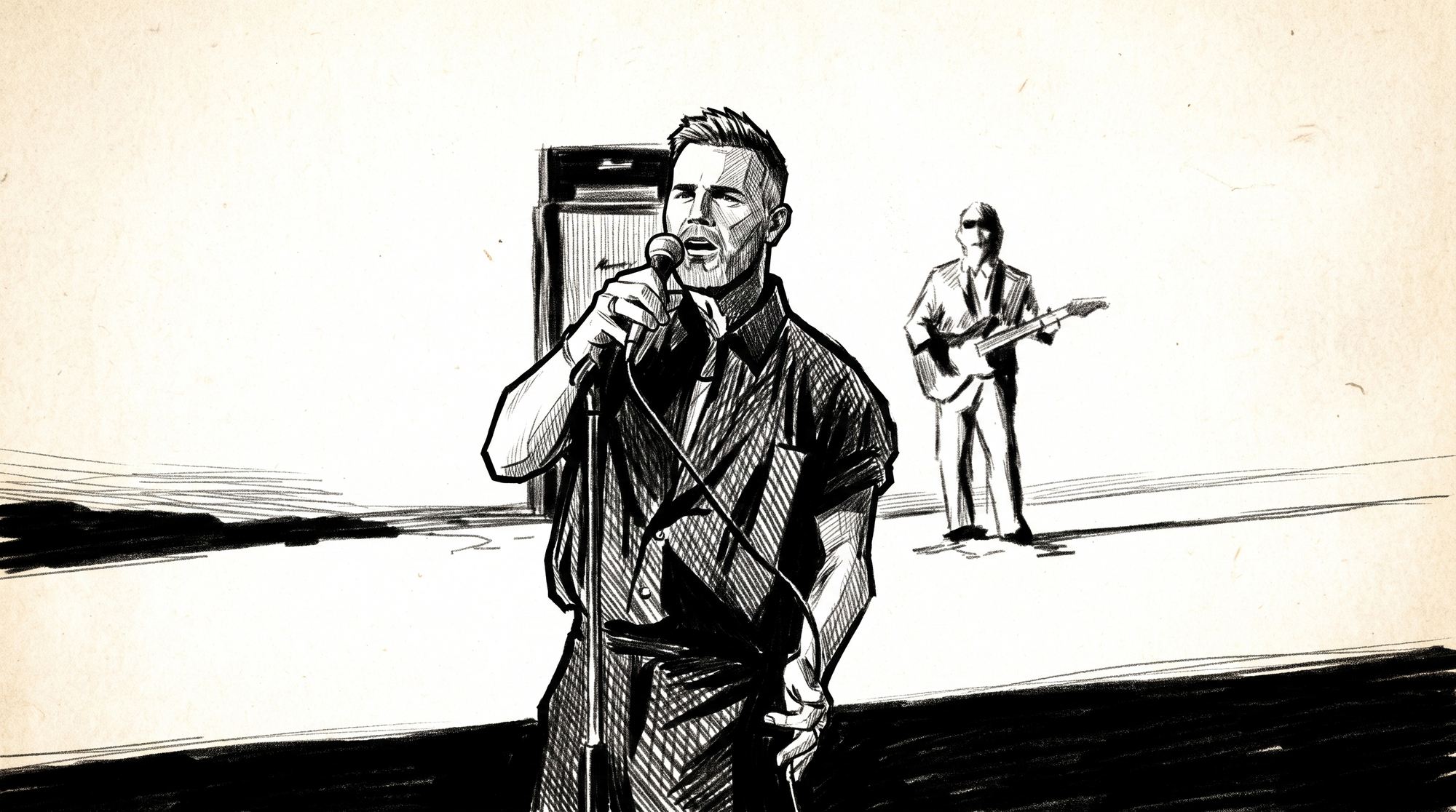
Pencil style renders.
They liked it a lot, so here we are, getting the project greenlit and assembling the right team of artists to help us.
At Rohtau, we offer a custom-tailored team of true experts in their field on every project, so that is exactly what we did: we dug deep, scouted a select group of forums, and identified 5 incredible artists, from which 3 were ultimately selected. And I couldn't be happier with the team; it was truly a 10 out of 10.
We found Sebastien Daniel, Zed Zara and Linus Konetschnig, whose visual tests truly blew us away. All of them were technically super-strong, artistically unique, and you could tell they saw the same things as me. This was one of those projects where this incredible director was open to exploring with us this new world we were designing together- the perfect project if you are not just an execution team, but a real artist.
From this point onwards, we moved at lightspeed producing hundreds of variations and radical reinterpretations for Vaughan to evaluate and we went over a full day live session to outline the hero images we were taking seriously.
From these hundreds of looks, a few really stuck and helped define the shape of the final piece, a 2 minute video where we travel through four or five visual worlds that, as the video goes further, keeps evolving.
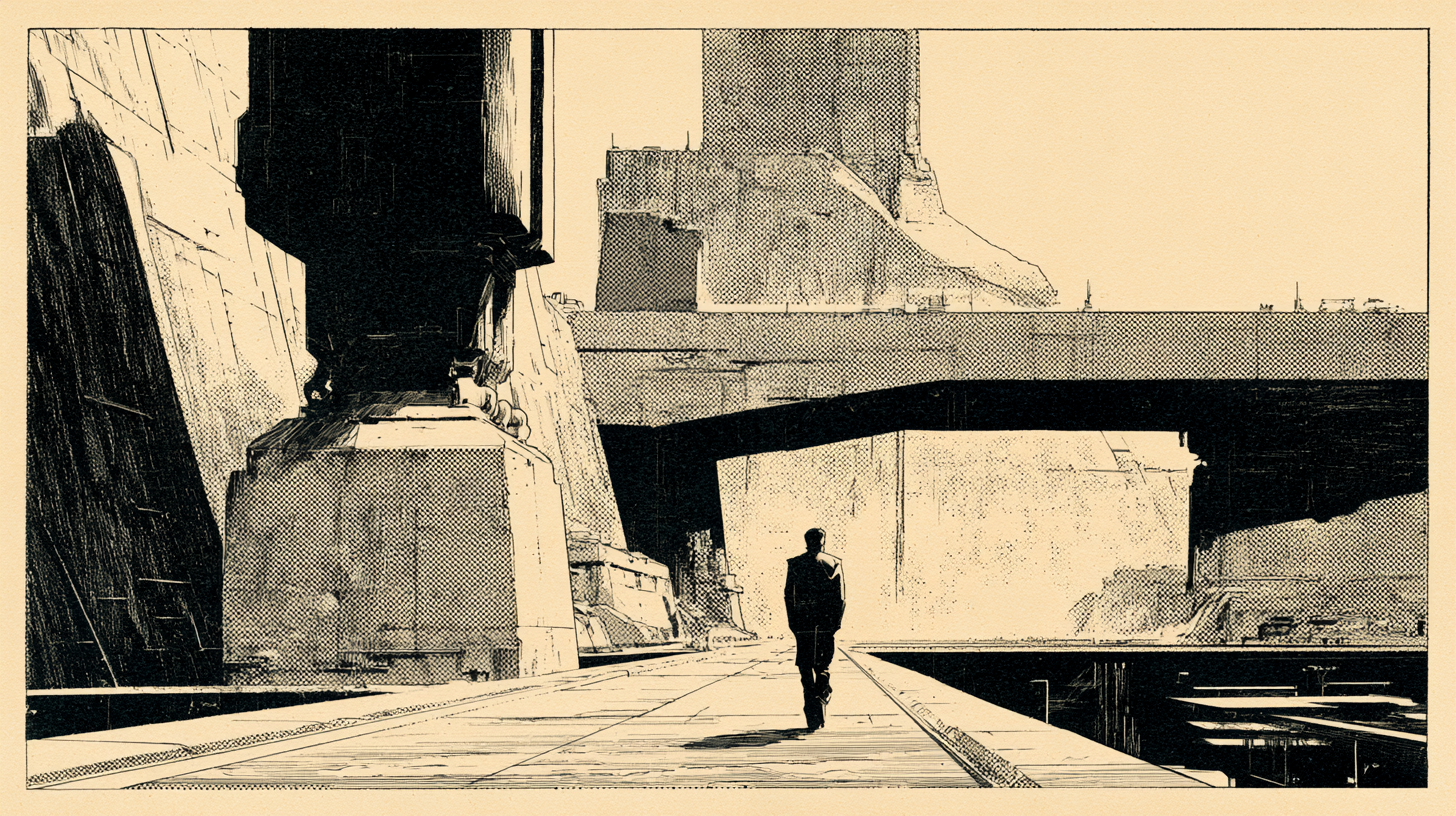
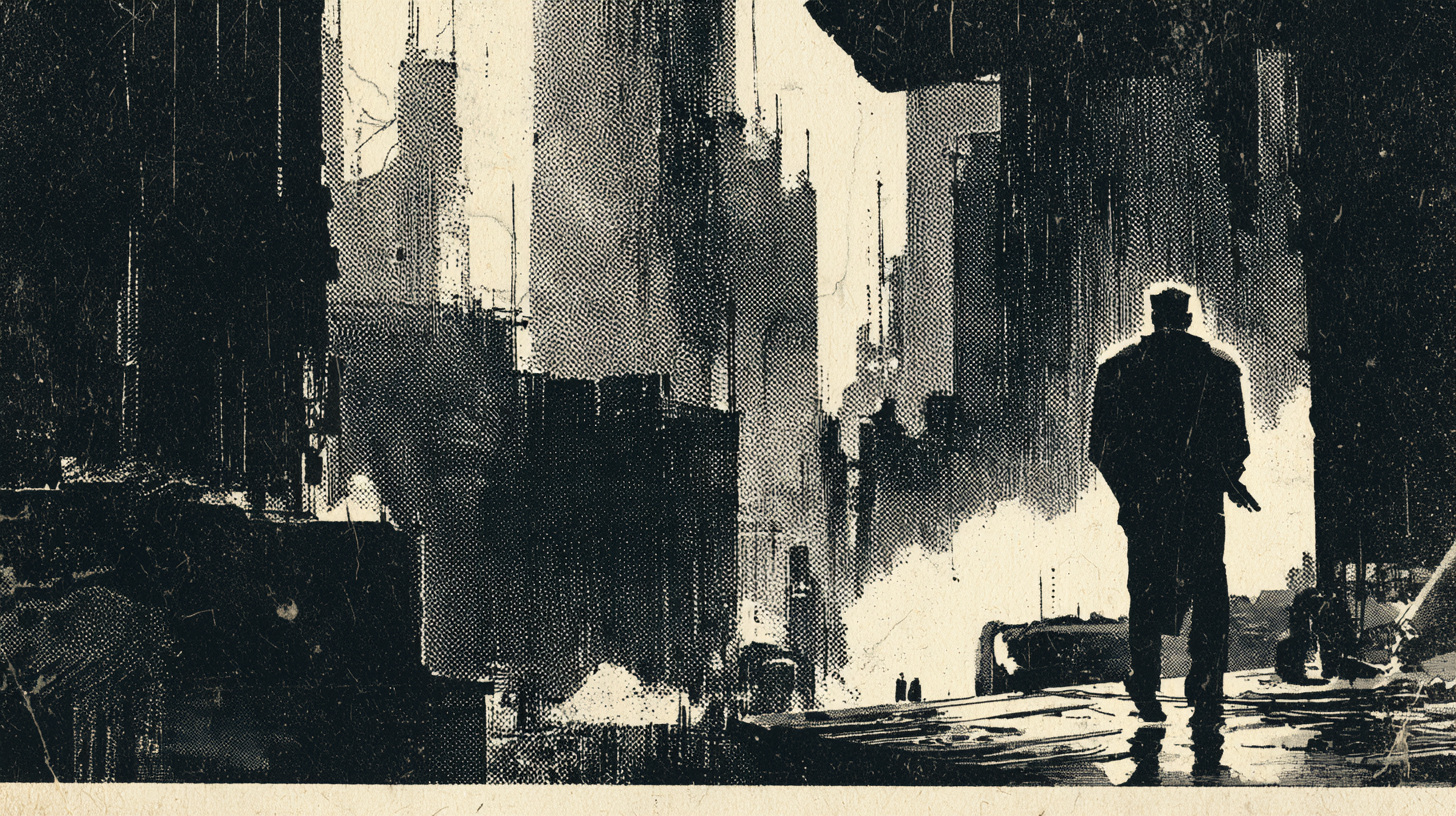
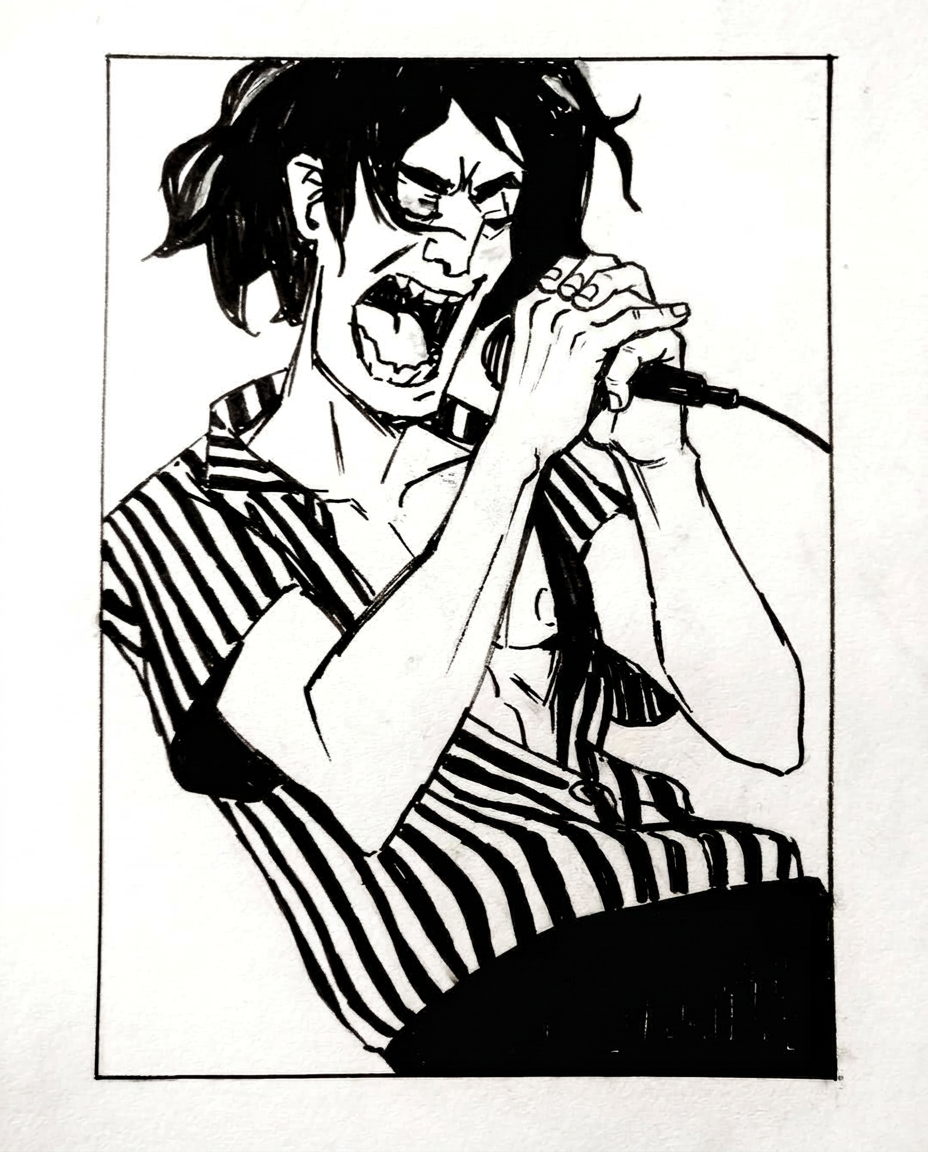
Hero Styles
Of course, this is where a top director makes the difference and can simplify rather than confuse the audience; they can see through the mist and understand what's really important. Moreover, some are genuinely open and understand that it is a two-way street: if you recognise the value and make it your own, the team is only going to give you more because, in the end, we don't do this for money; we do this because we love it and seeing your work being recognised is truly important.
With that done, we went to the shoot and brought a number of images that remained our "north".
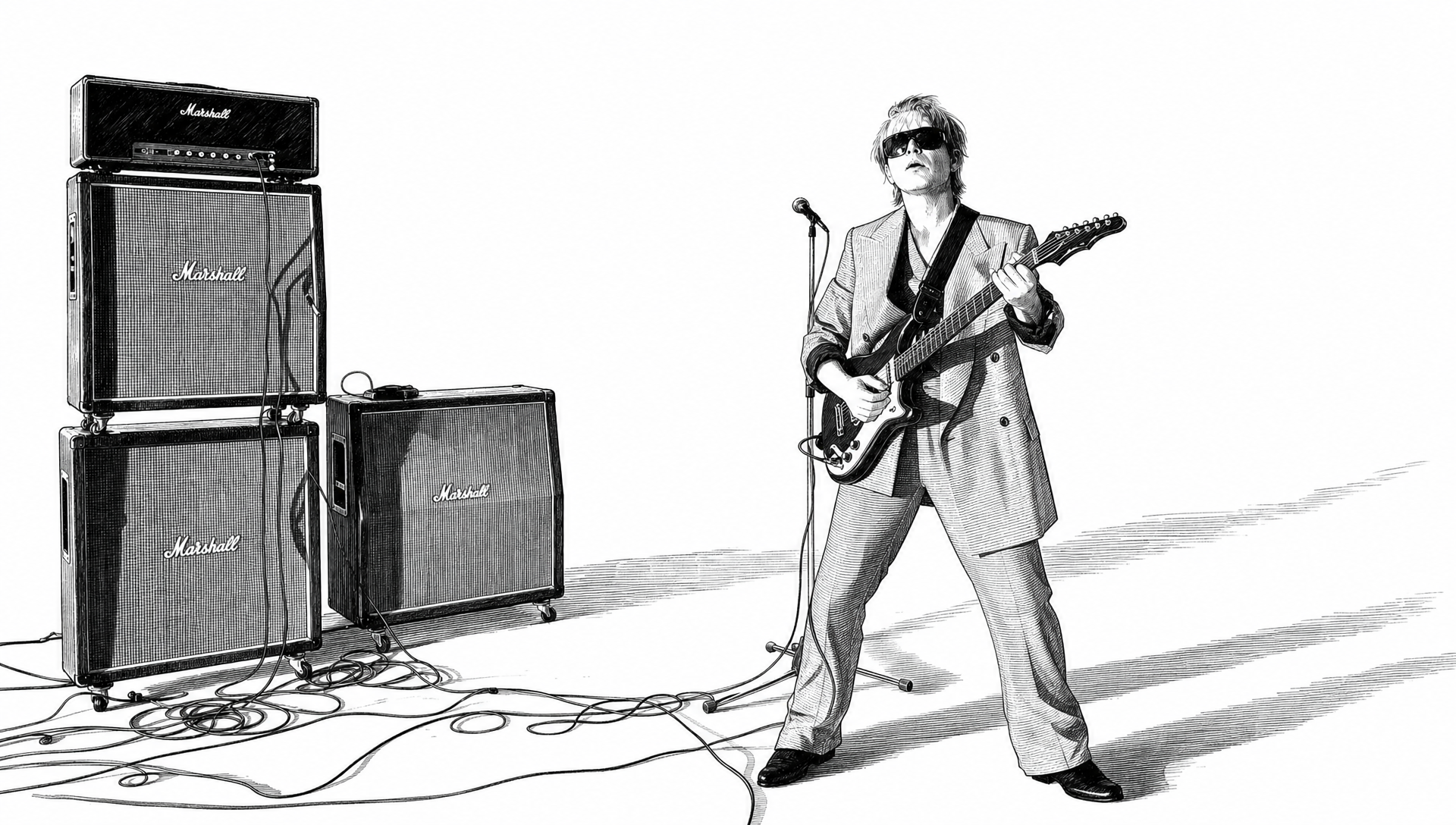
Vaughan brought to me a key question: how would this frame look if it was processed to look like a comic book from the late 80s? So right there, I devised a way to feed the video signal to my laptop and do interactive renders that would showcase the potential look in that style.
Of course, in his hands and those of the DoP, it took a completely new direction and they started to do something I would not have imagined, they changed the lighting, opened the studio doors and voila, they managed to capture the texture they really were after!
Genius, they were abusing my previsualization system to design the lighting and even the wardrobe choices!
The day progressed; the talent were simply uber-professional. They nailed every take with the kind of youthful energy you have come to expect from them- not fake, just pure focus and delight in what they were doing. Massive respect; they performed the song countless times, too many photos, wardrobe changes and whatnot with ease... In the end, I got the sense that they were in love with their craft and their fans, and willing to work their asses off to put out the best possible version of themselves.
So, with the edit done, we moved to the actual craft, and after some conversations, we mapped out the various scene beats, styles, and what he wanted to convey with Vaughan.
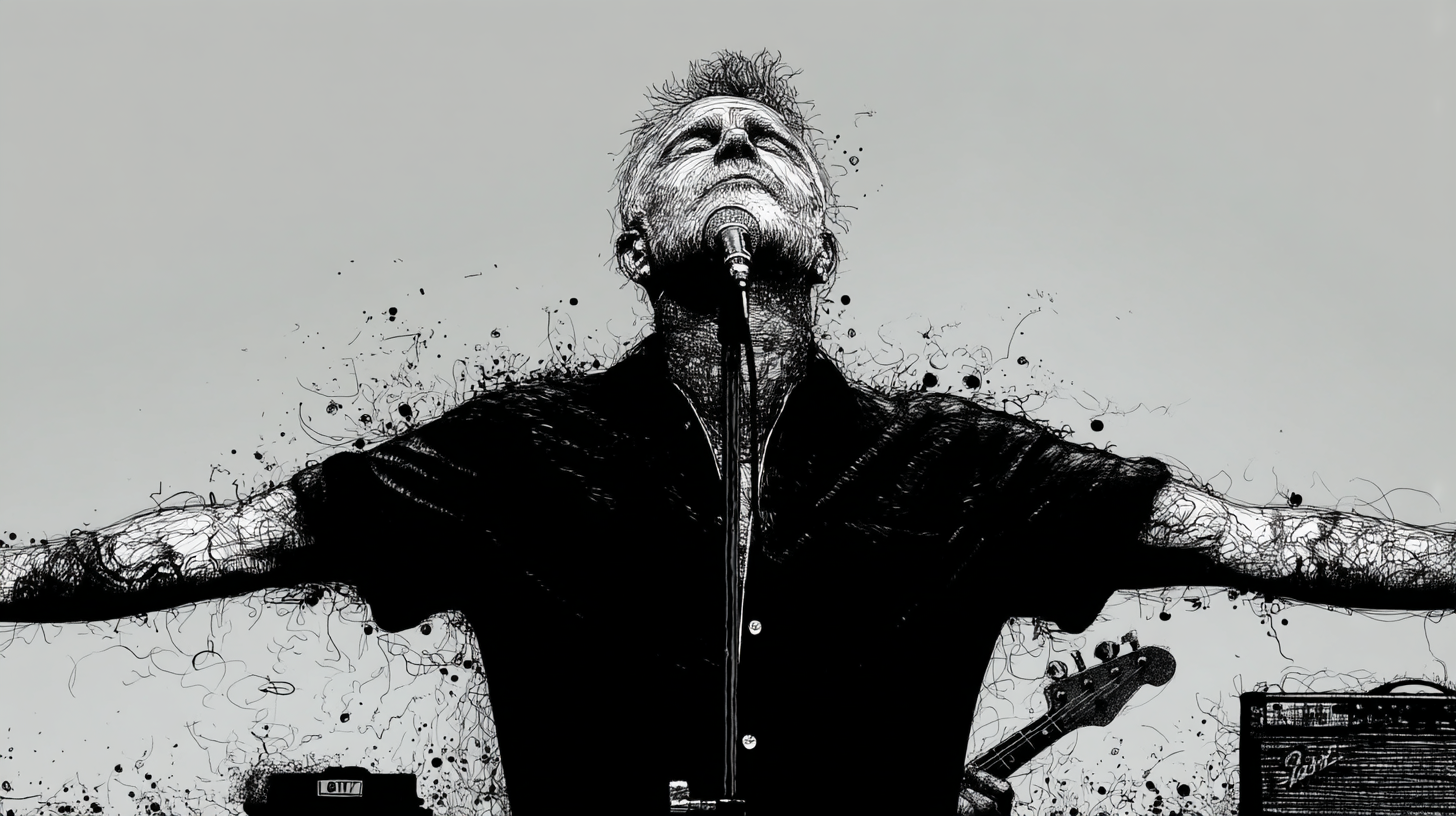
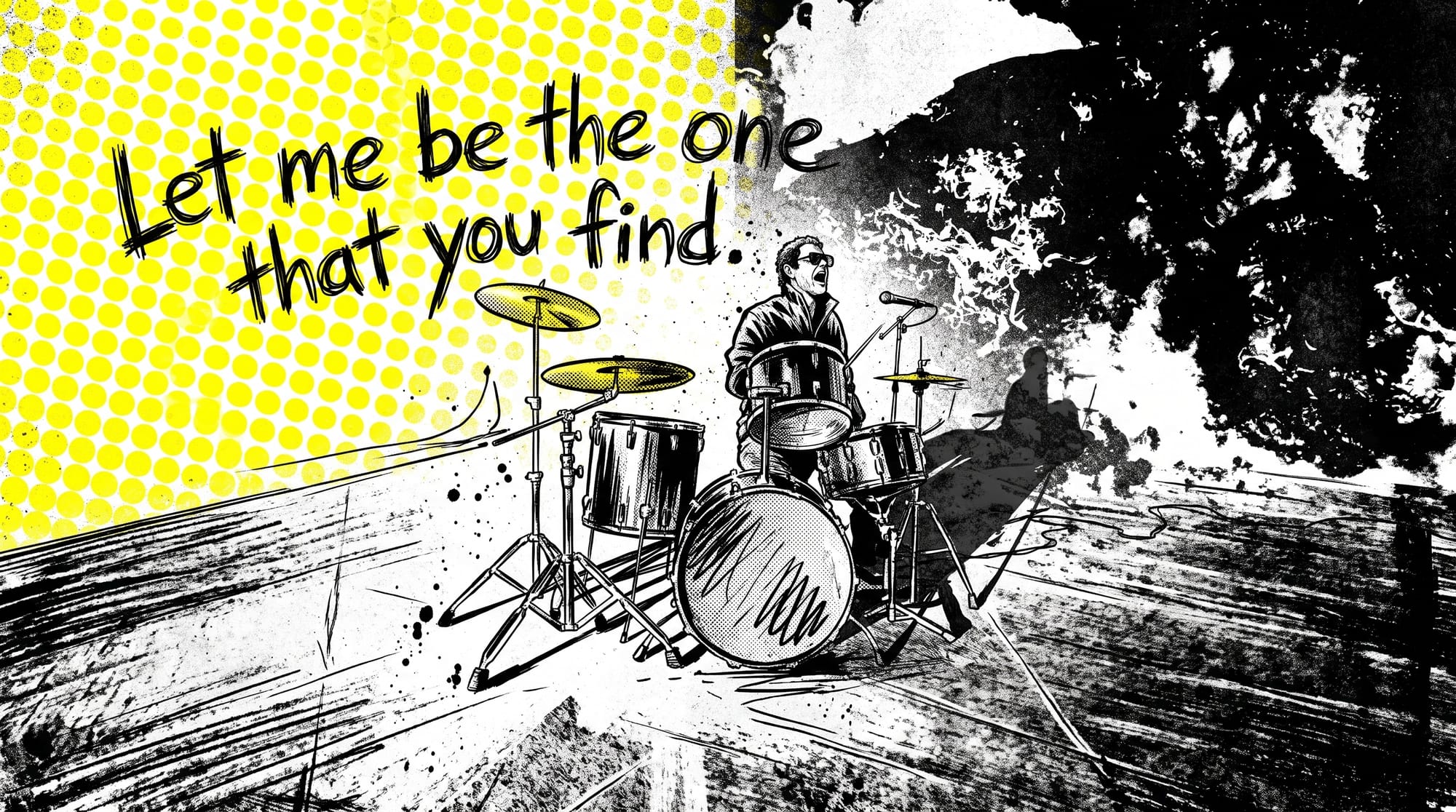
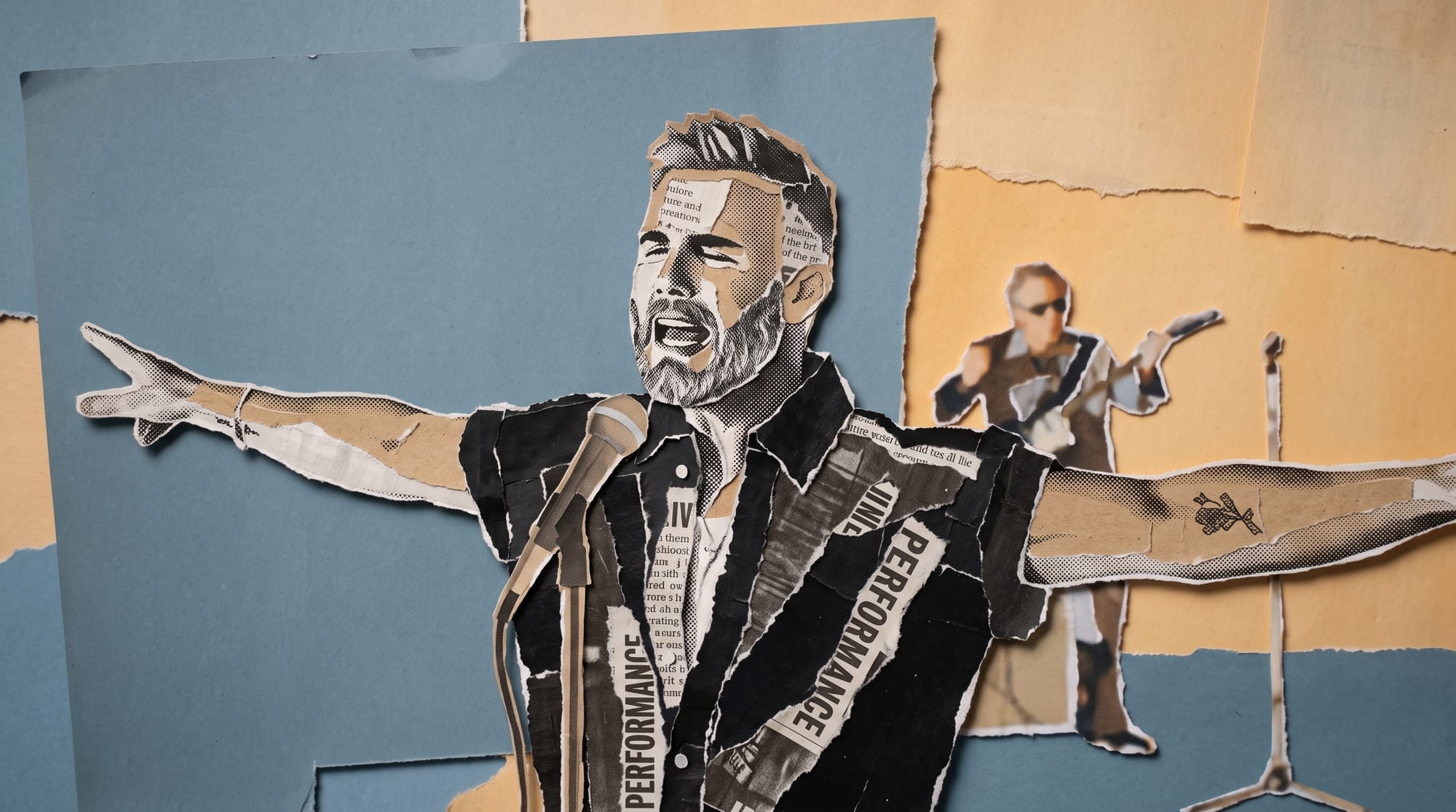
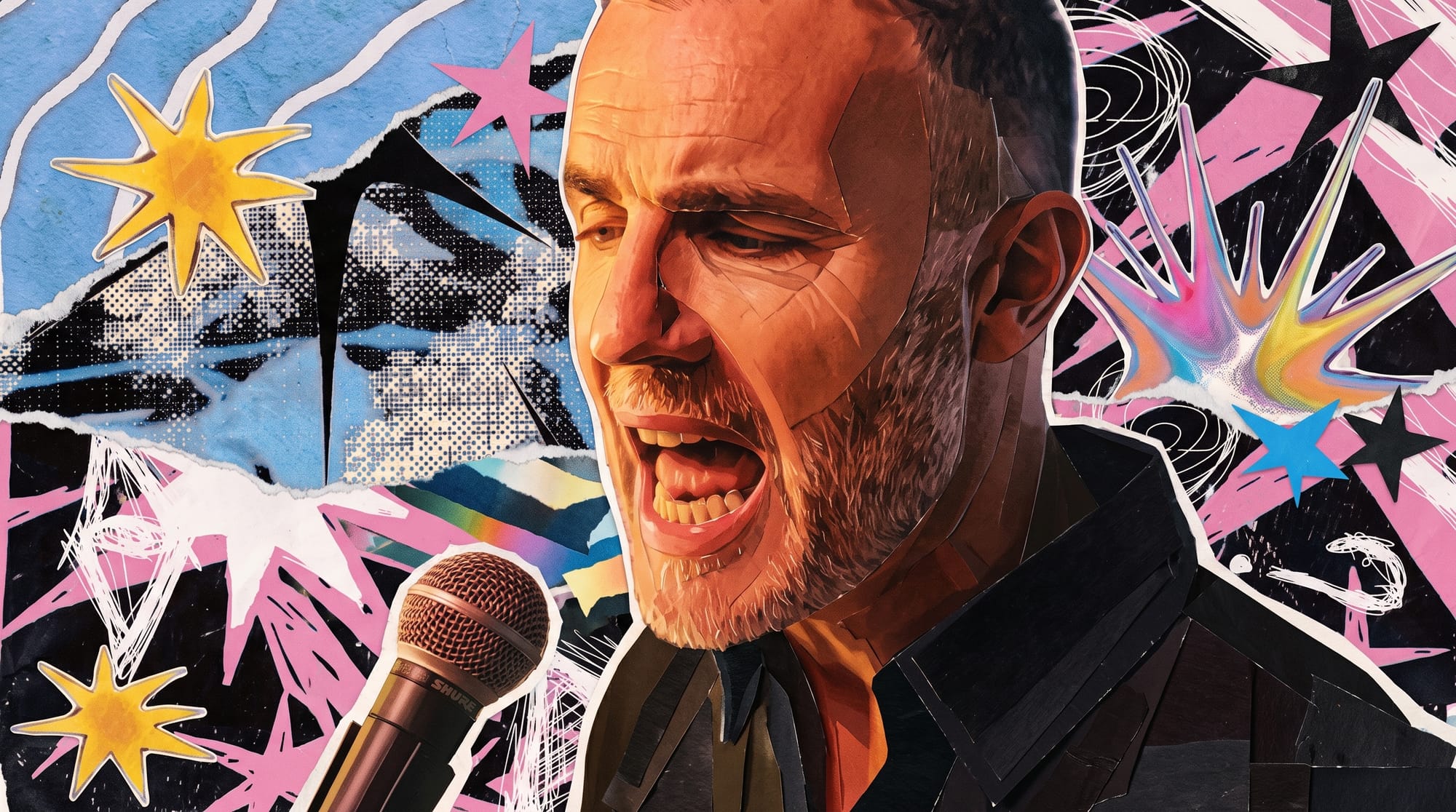
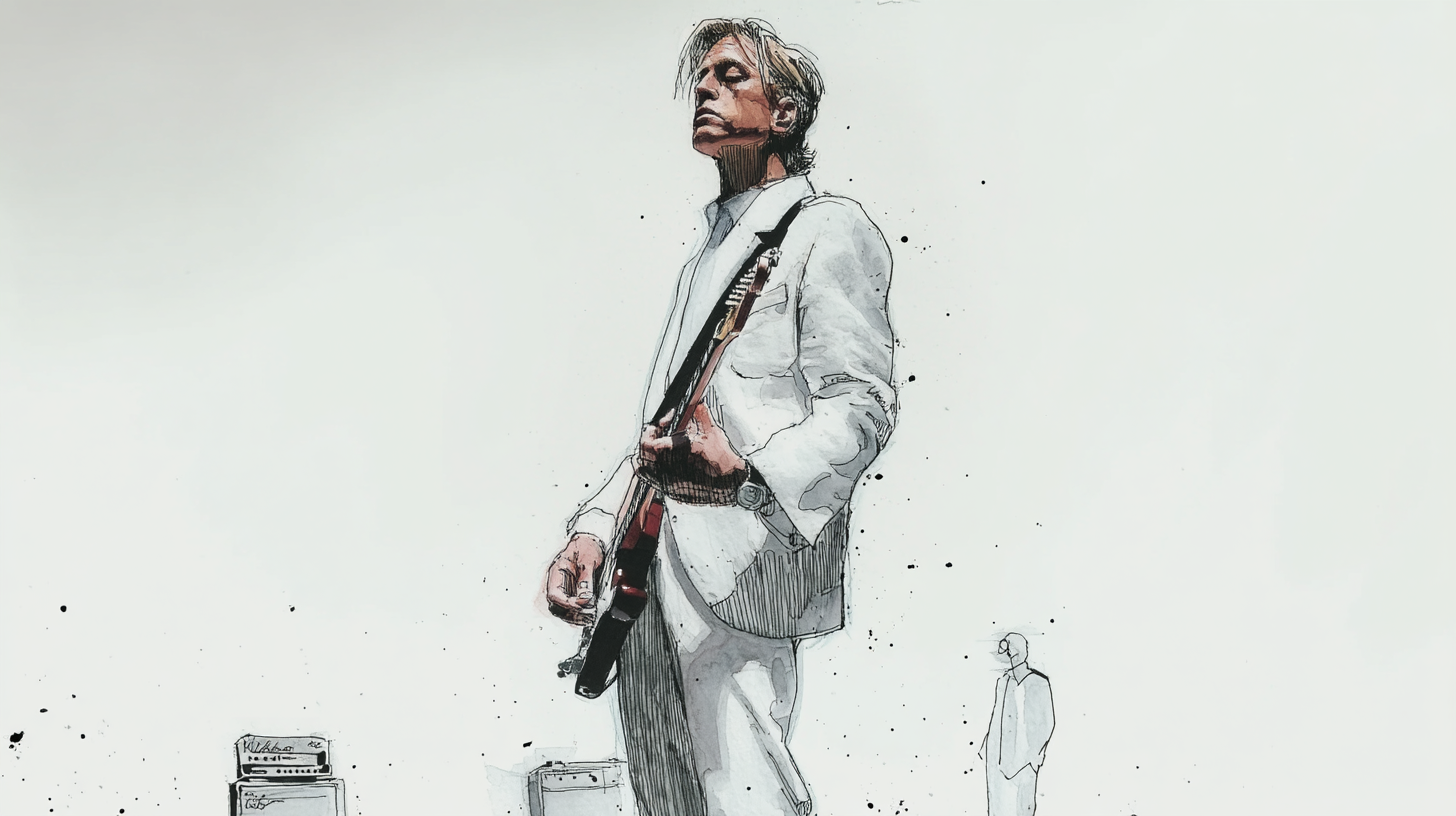
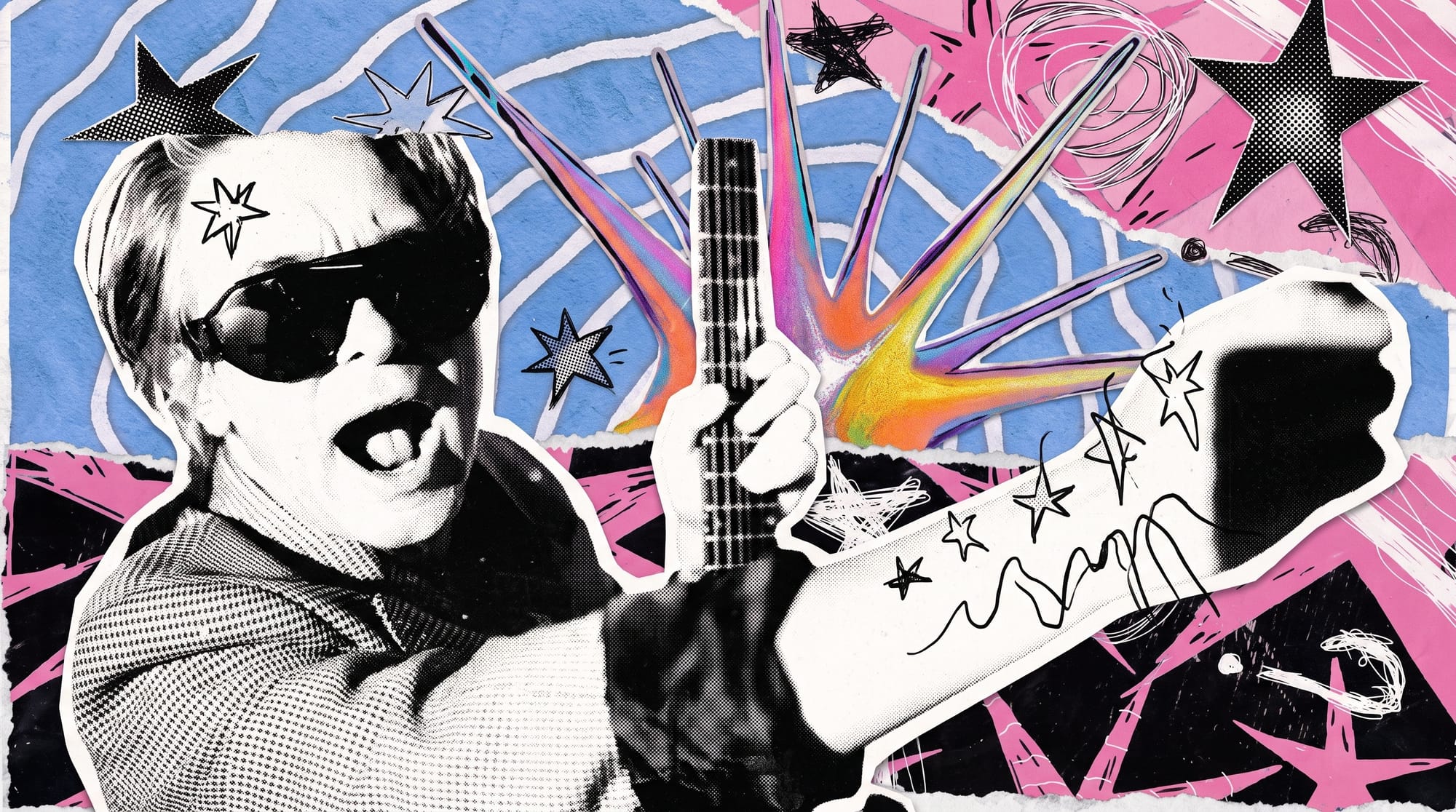
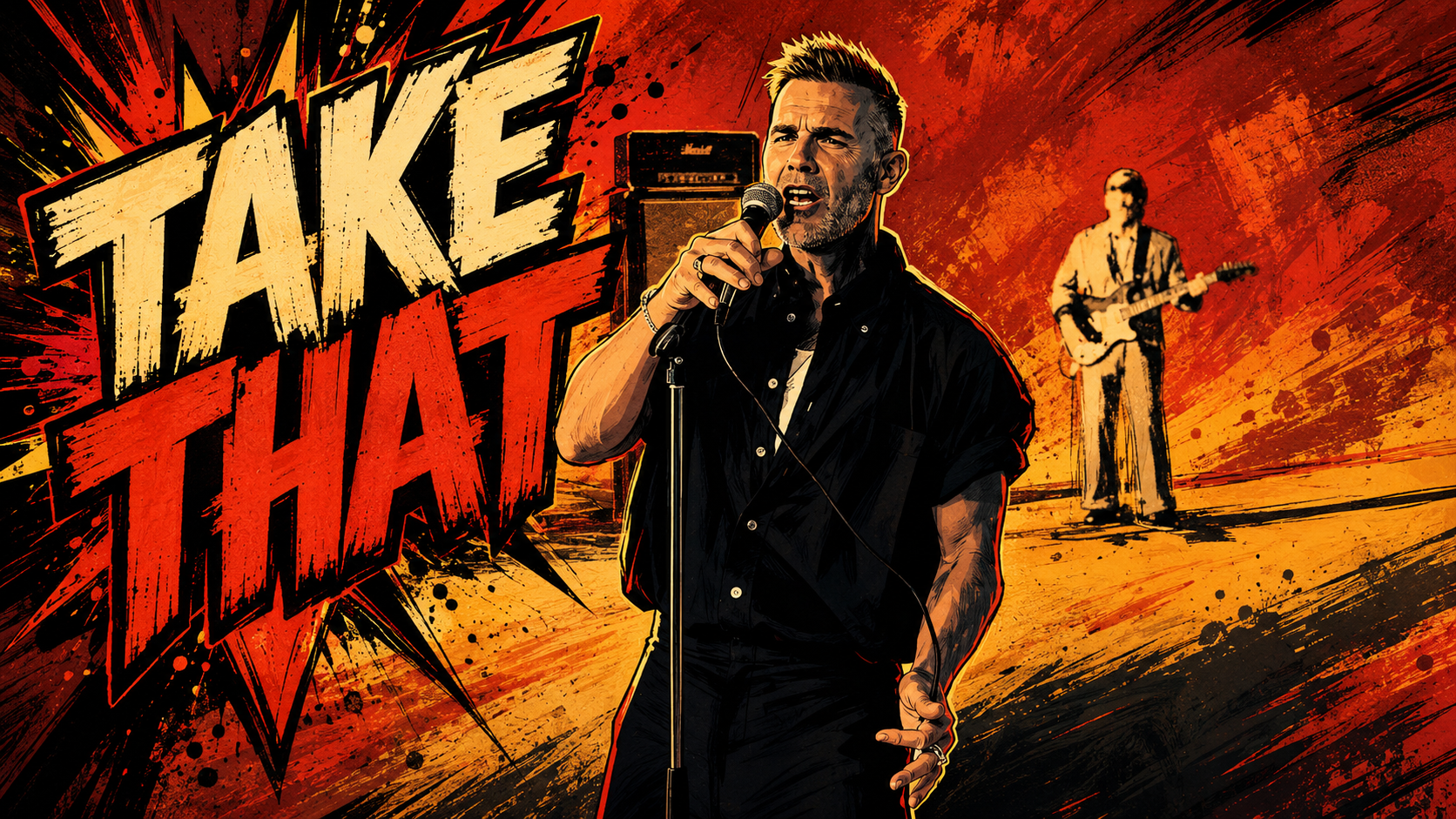
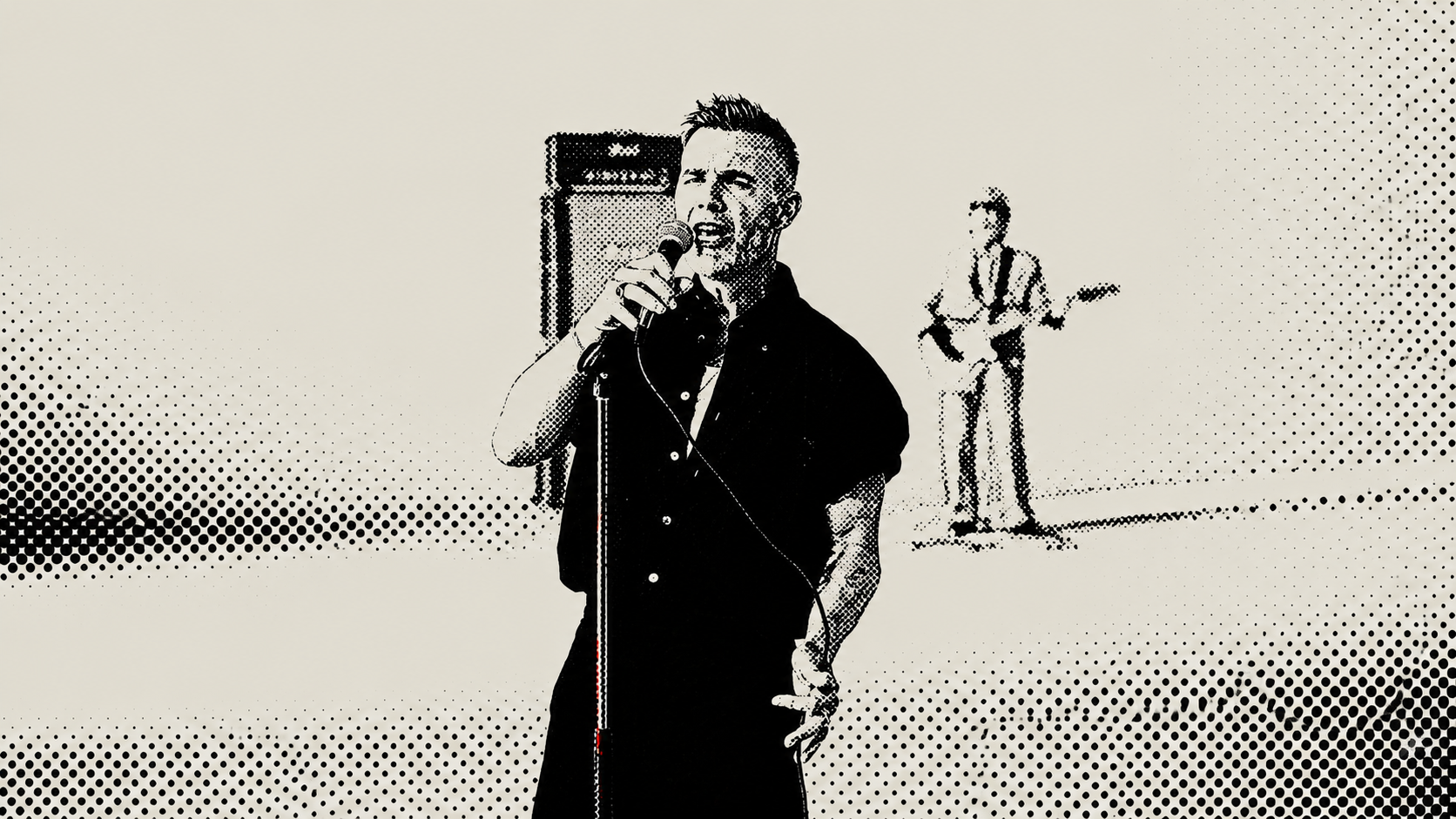
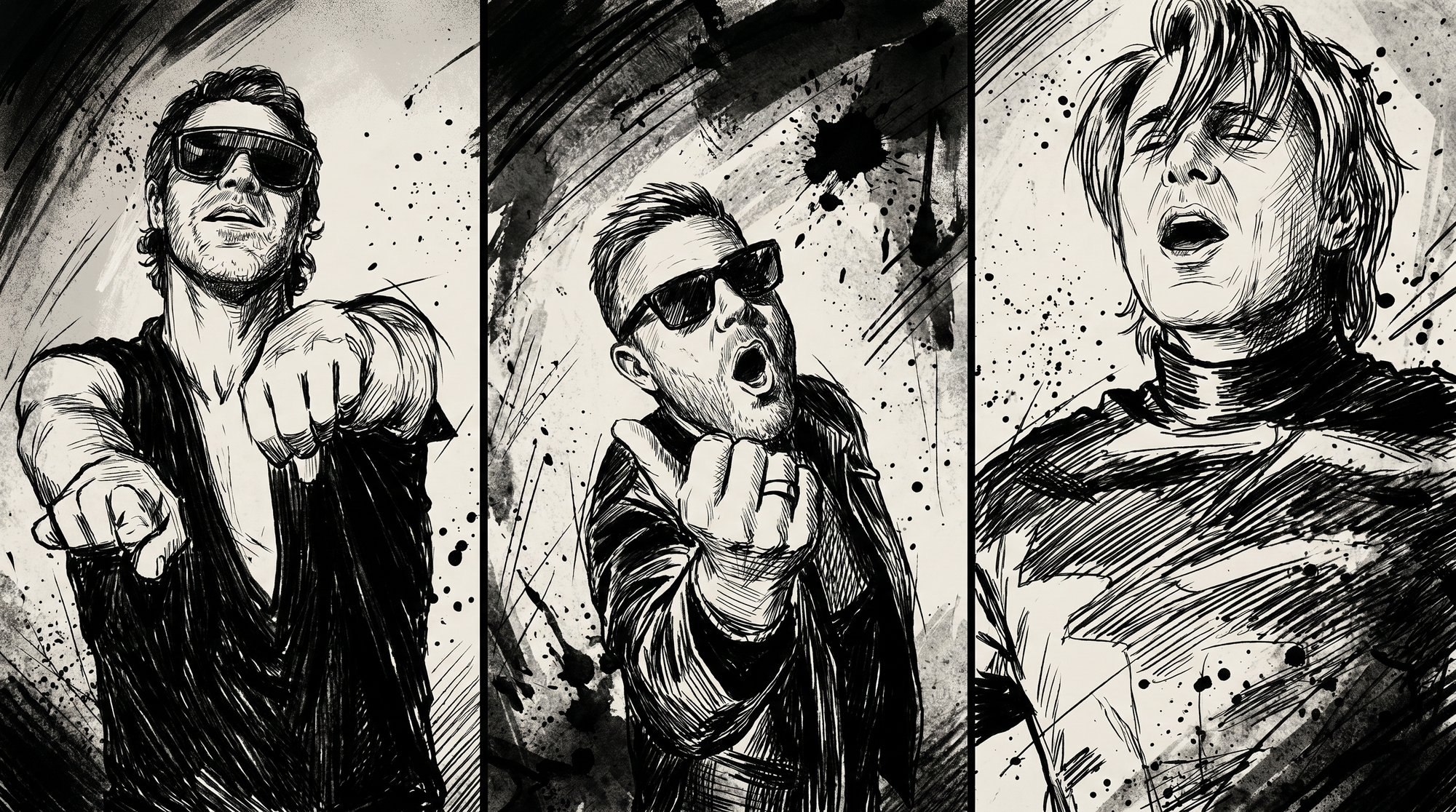
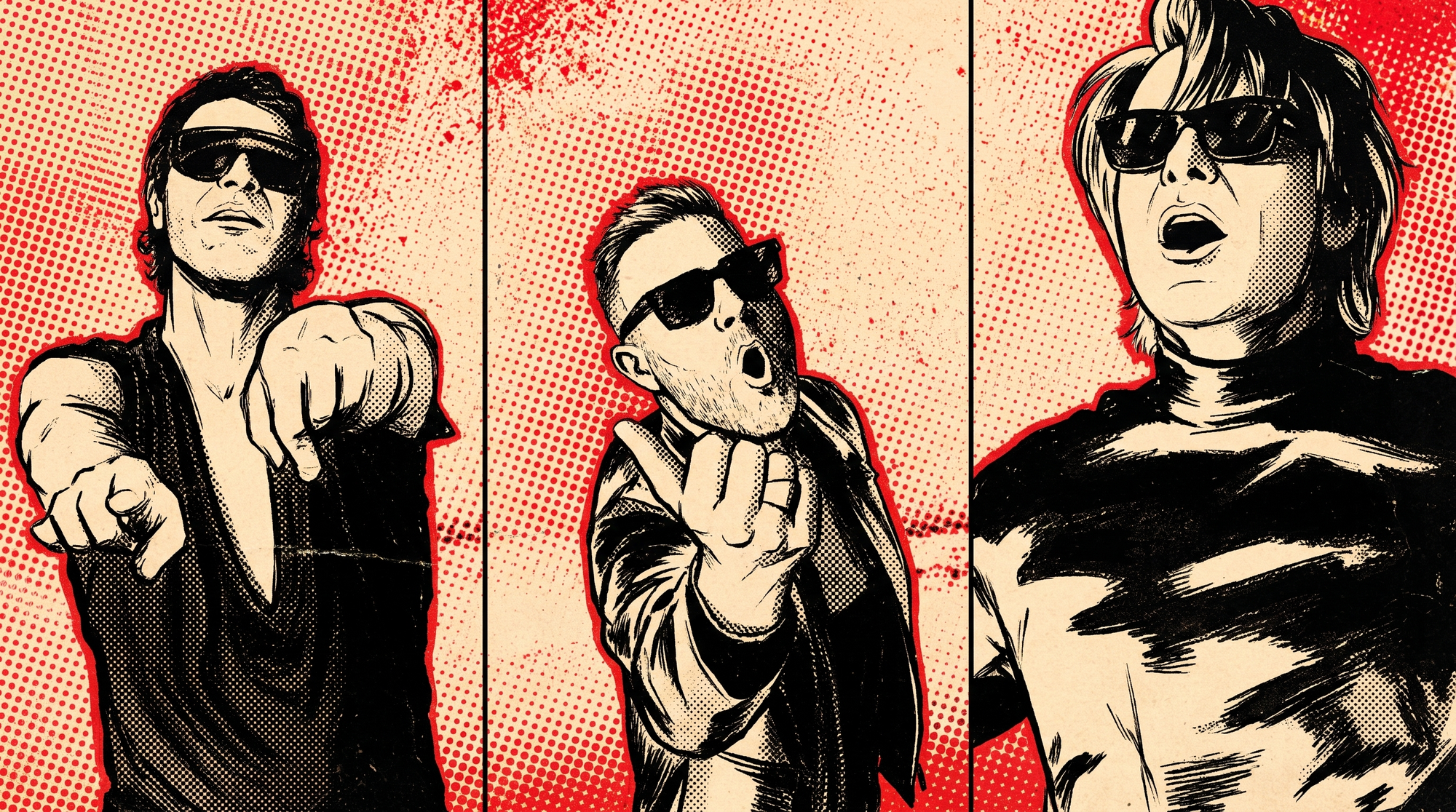
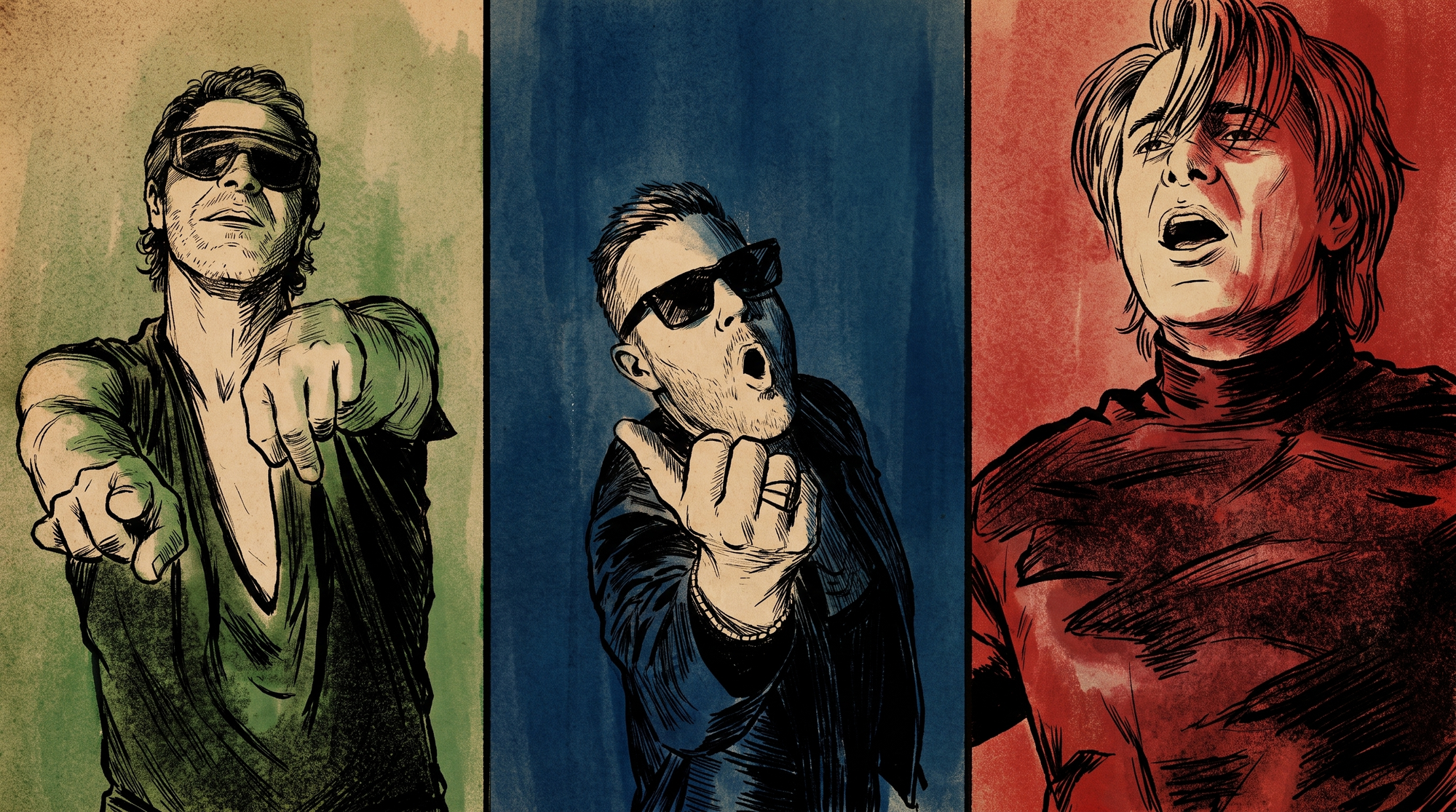
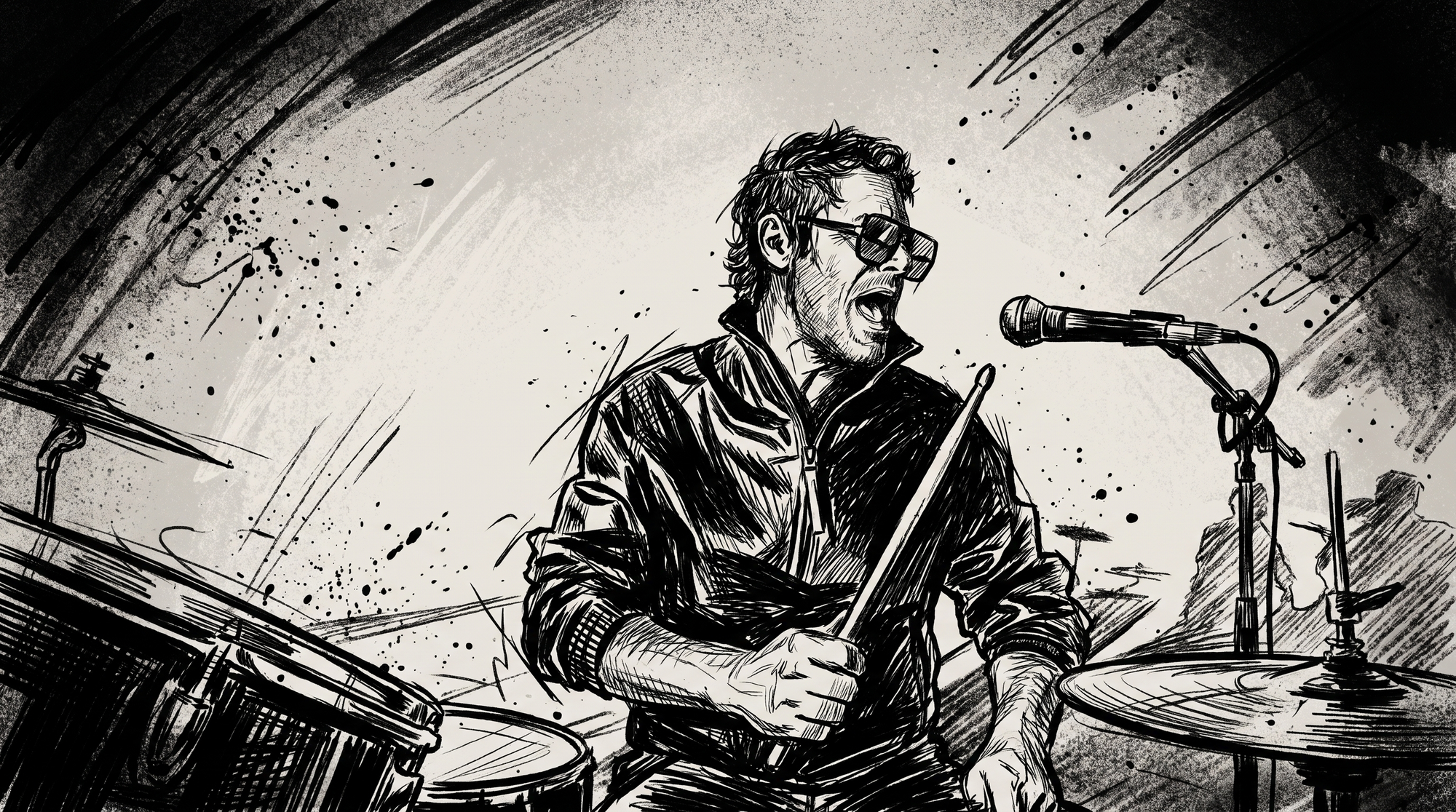
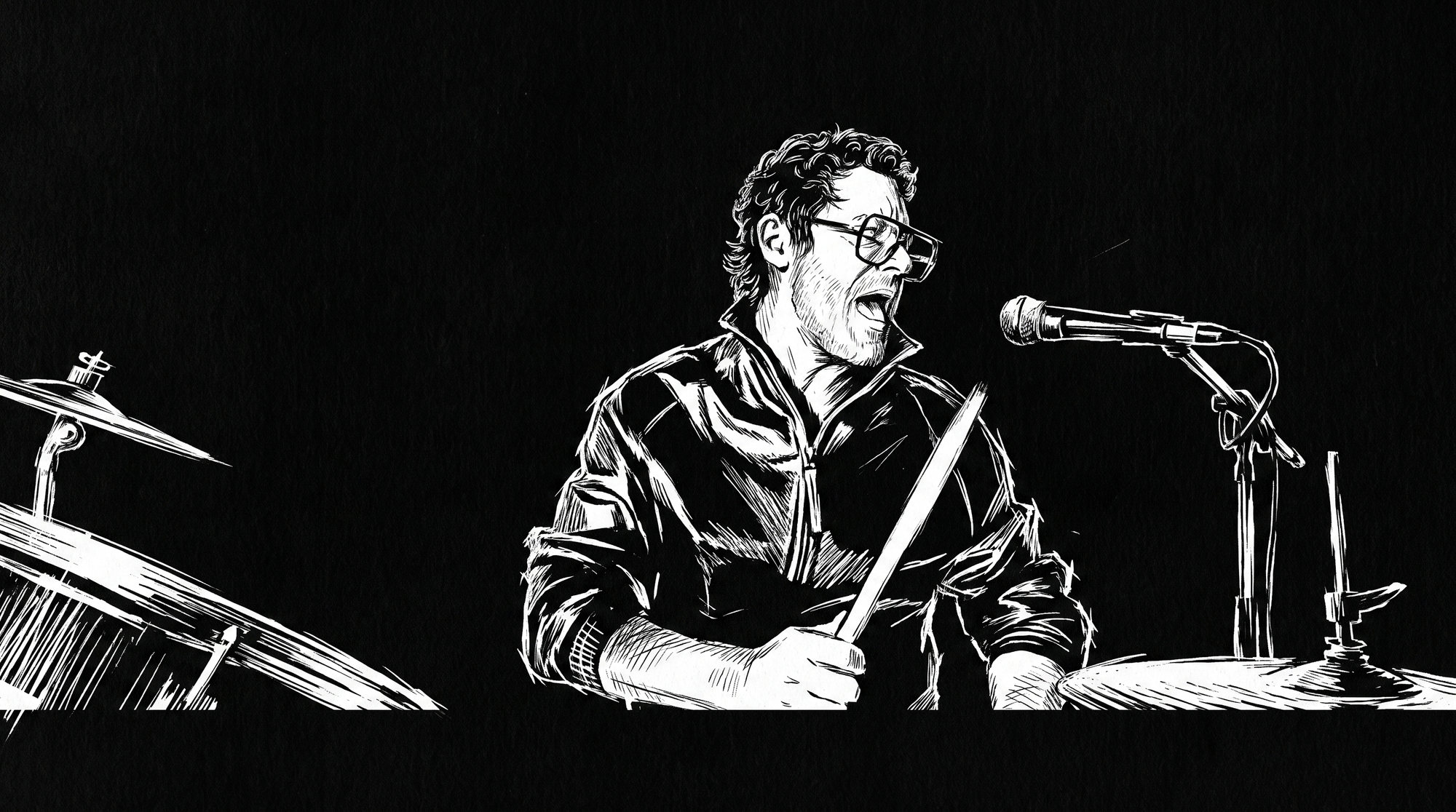
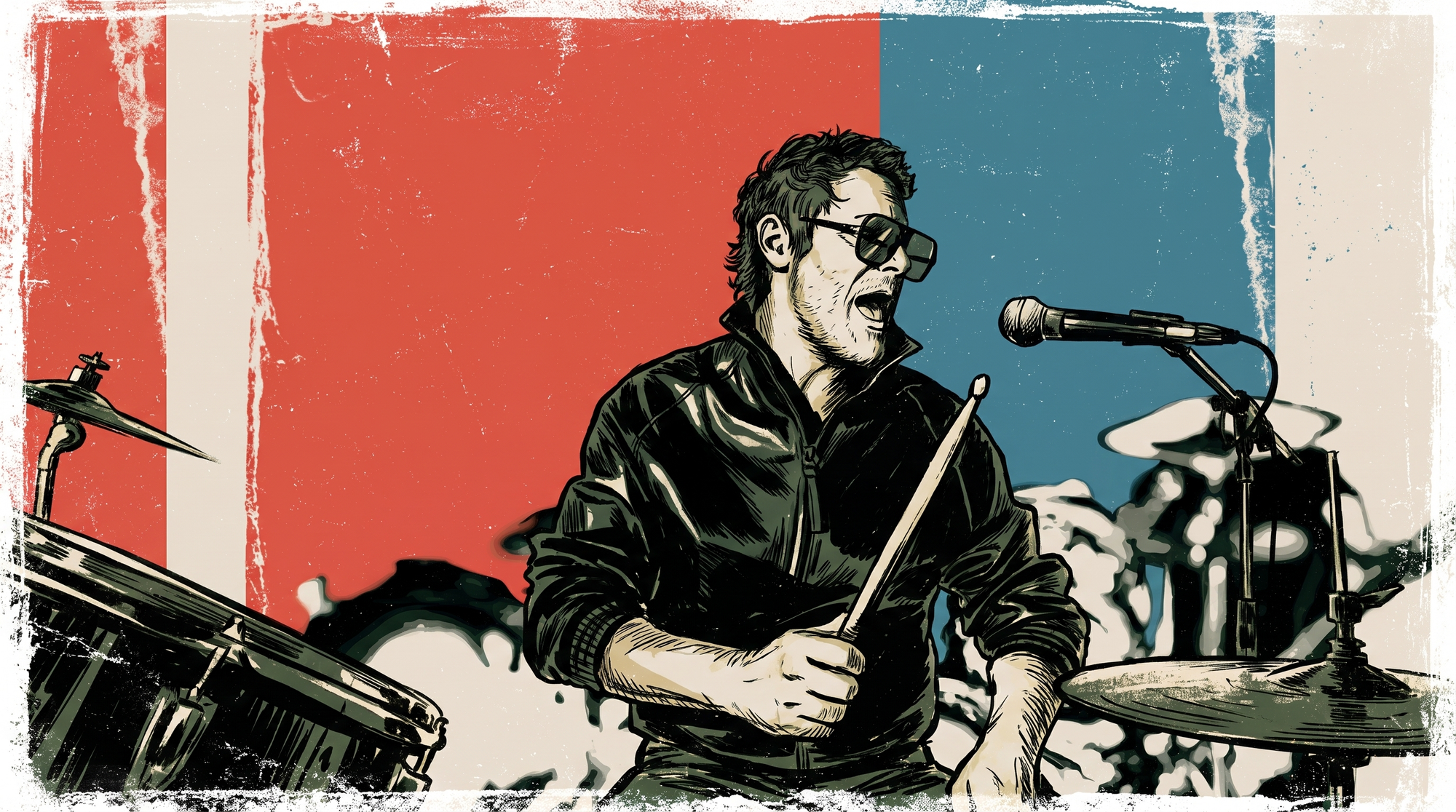
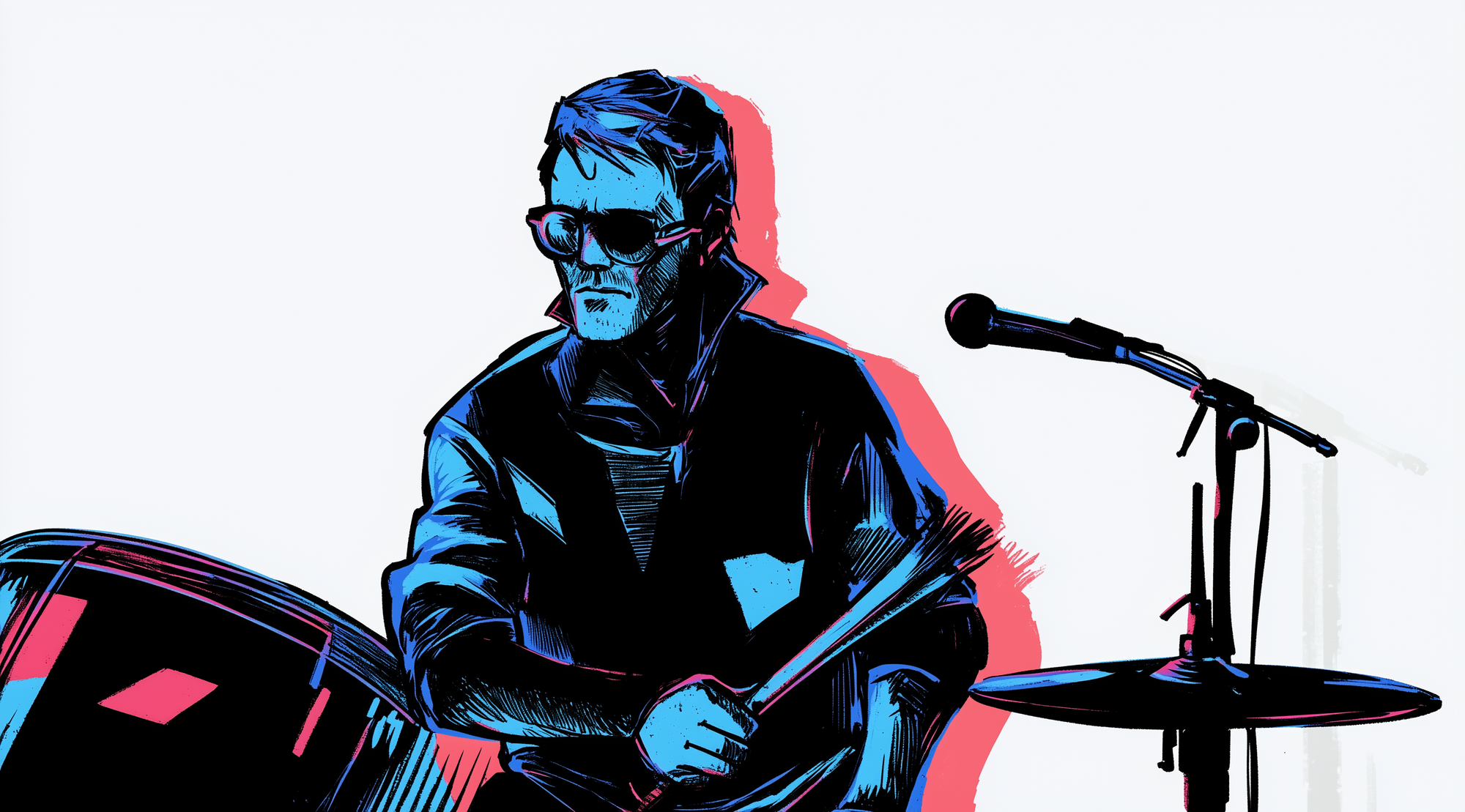
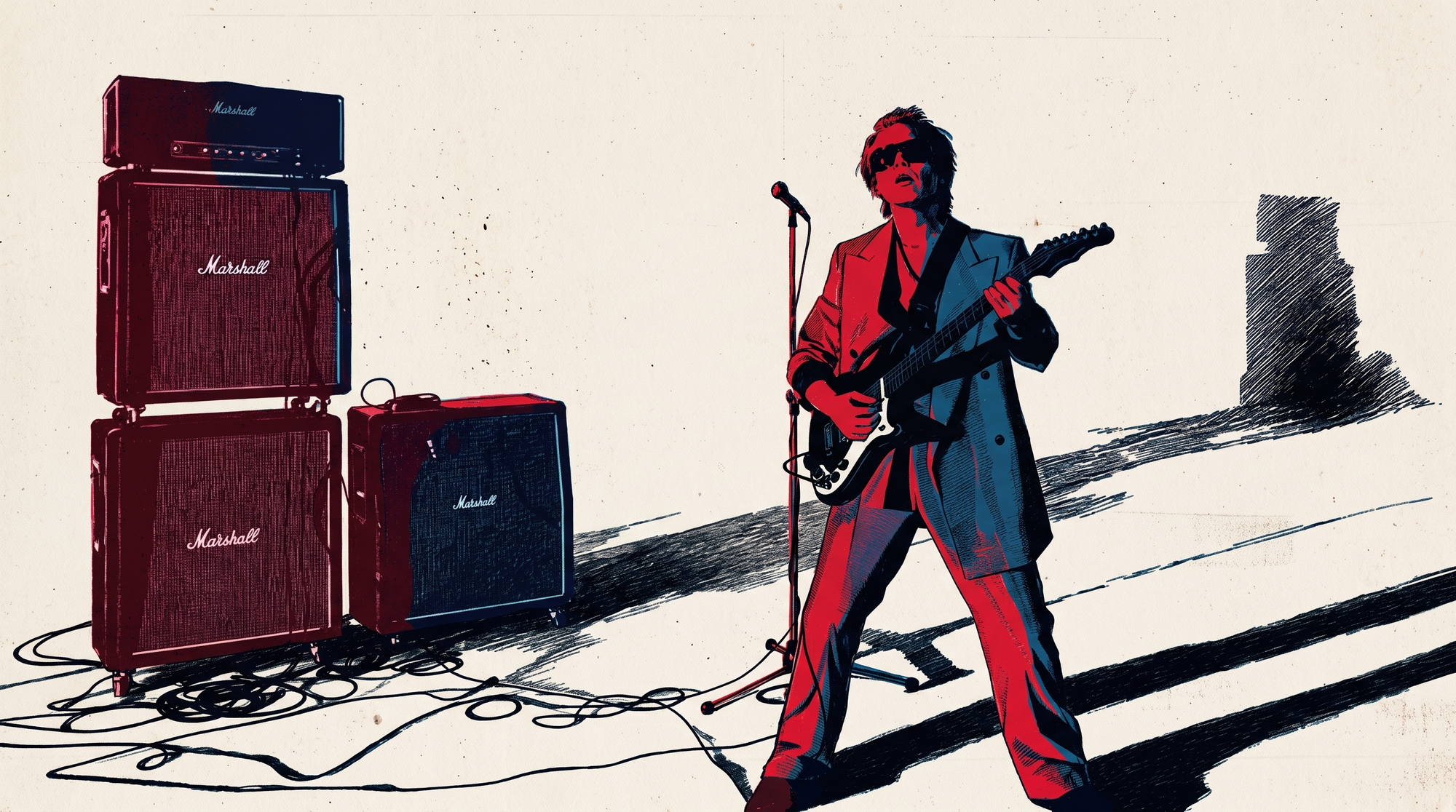
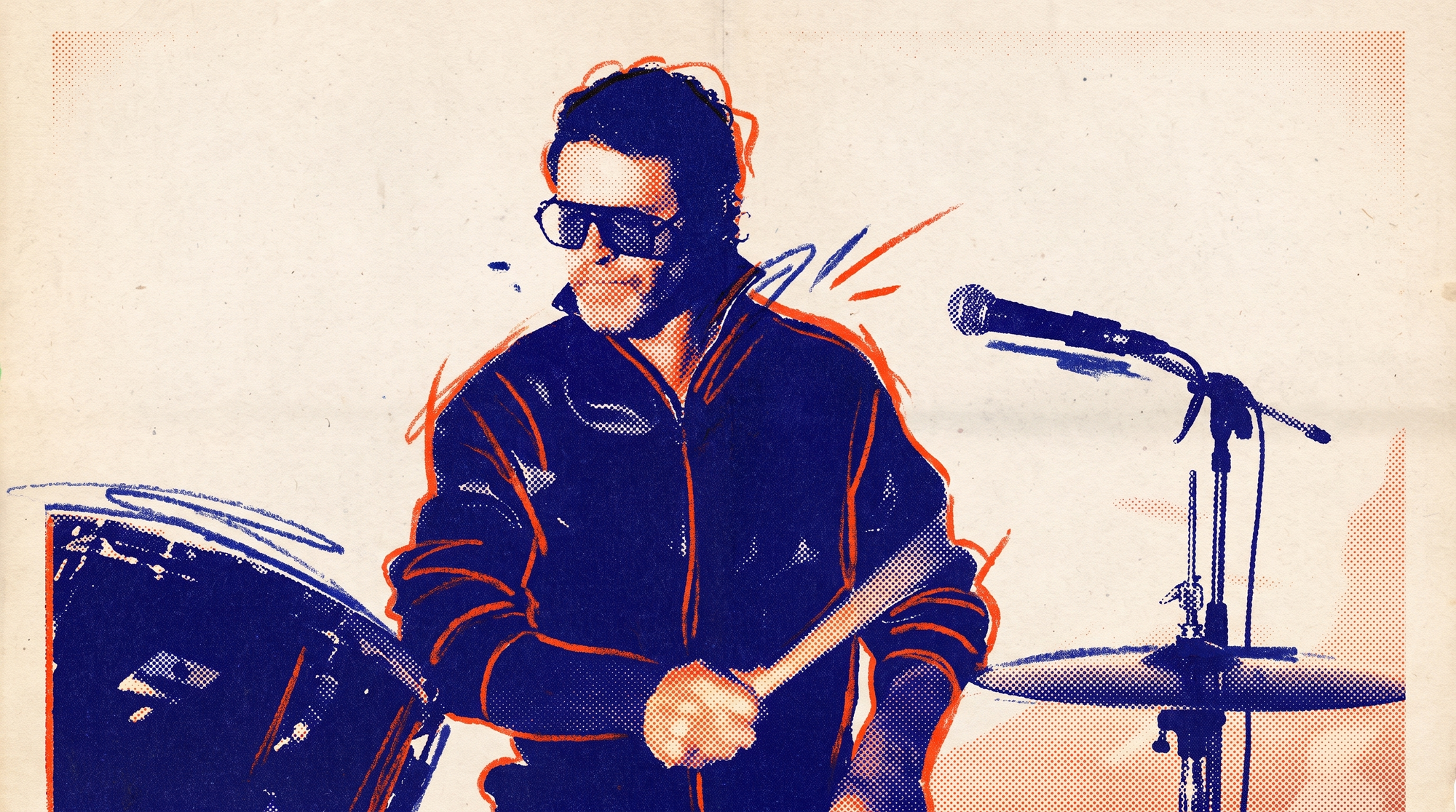
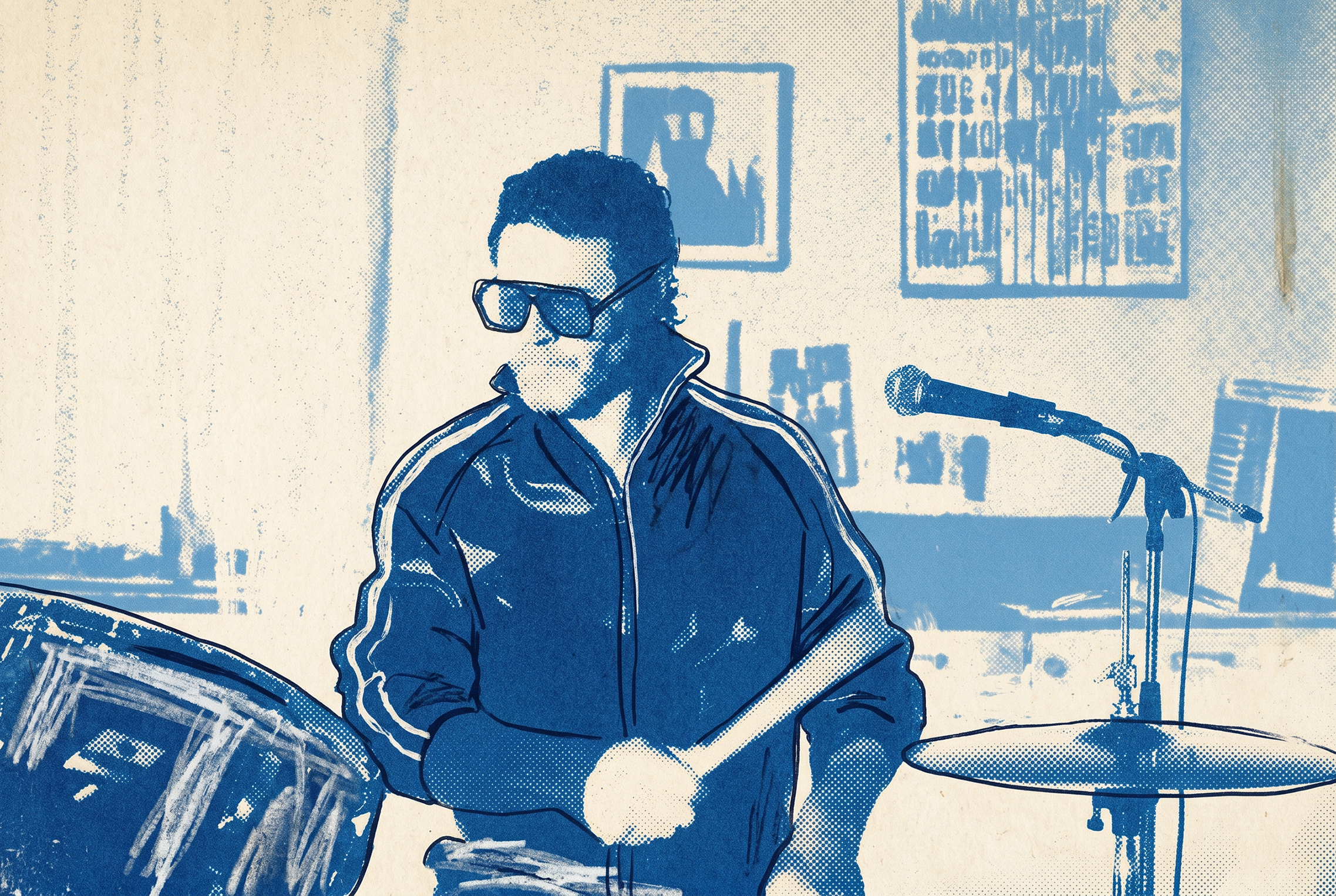
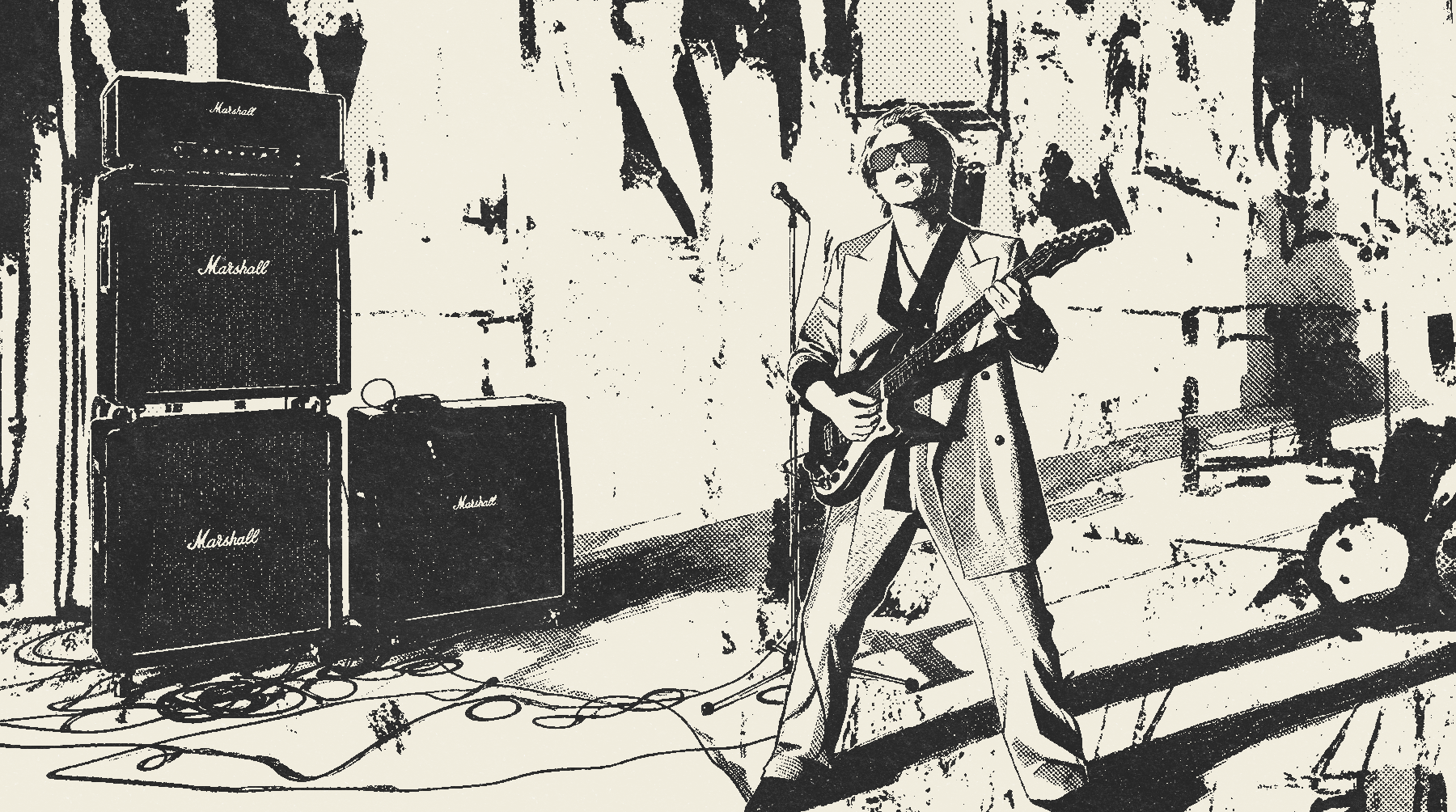
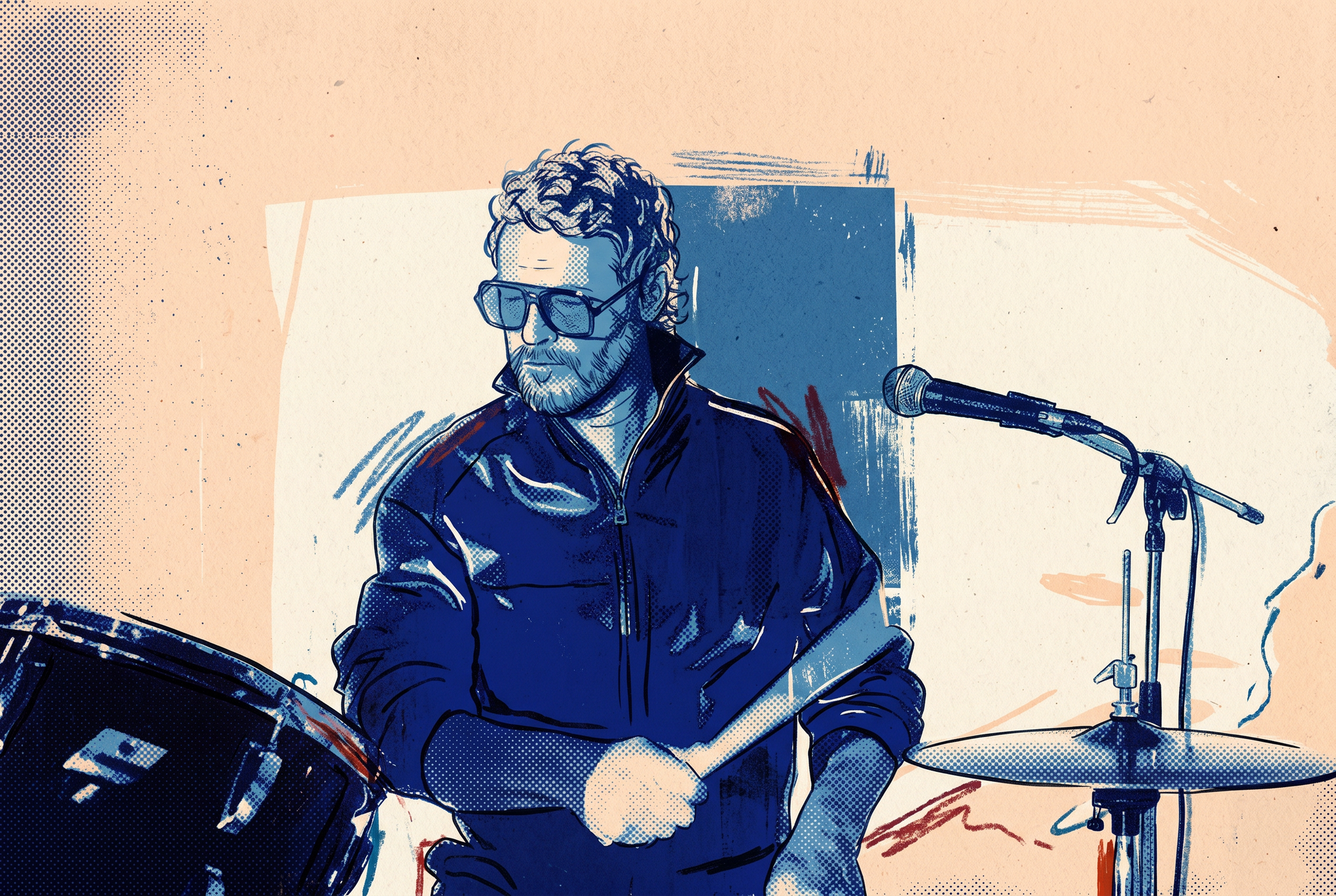
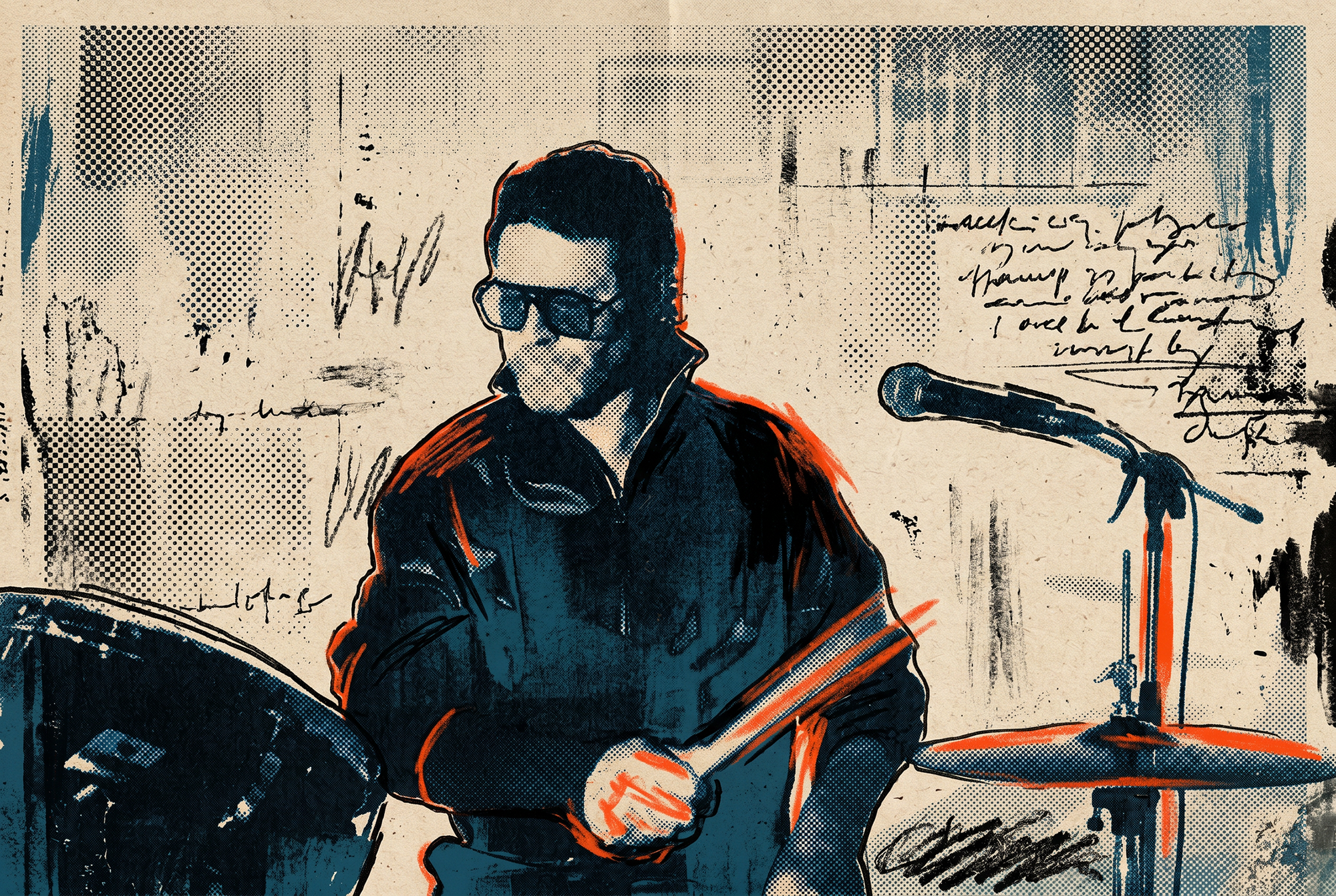
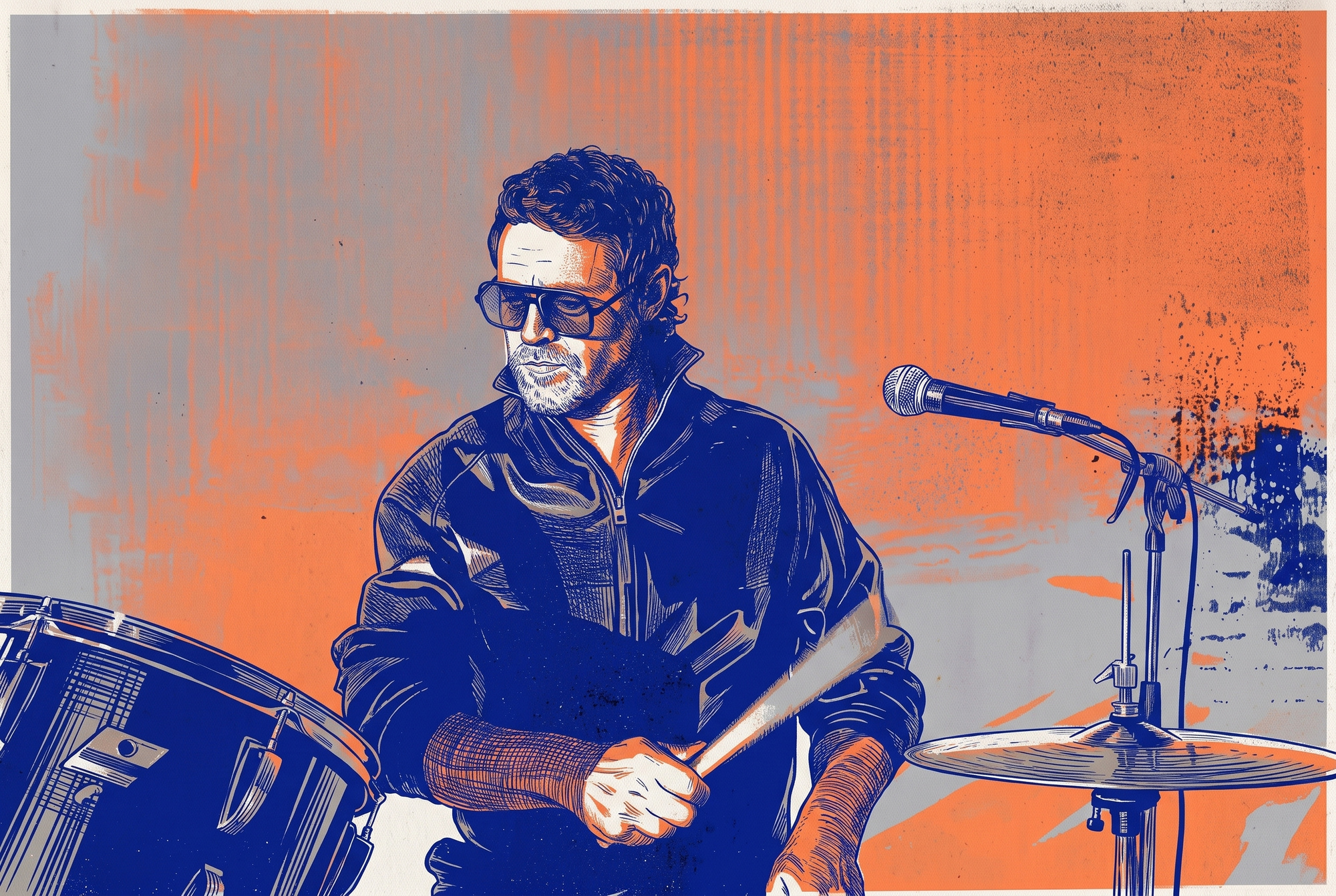
Now, of course, we had a huge array of images for him to evaluate and filter down, and that is exactly what we did: a full day in front of DaVinci Resolve, mapping out everything, so we went all in, finishing the day with the backbone of the video ready, and I passed it to the team with tons of explanations and... well, set them free.
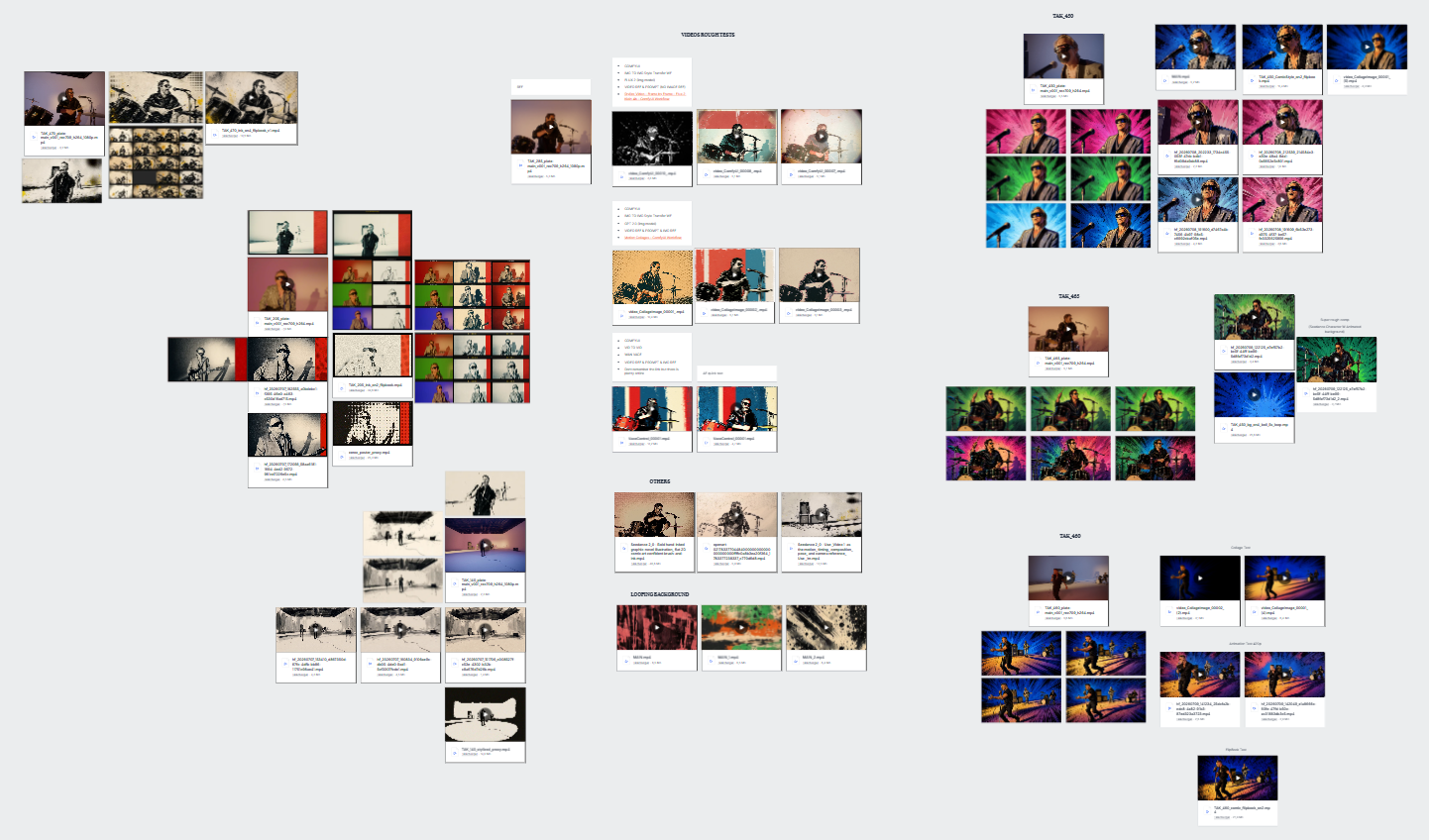
Seb explorations
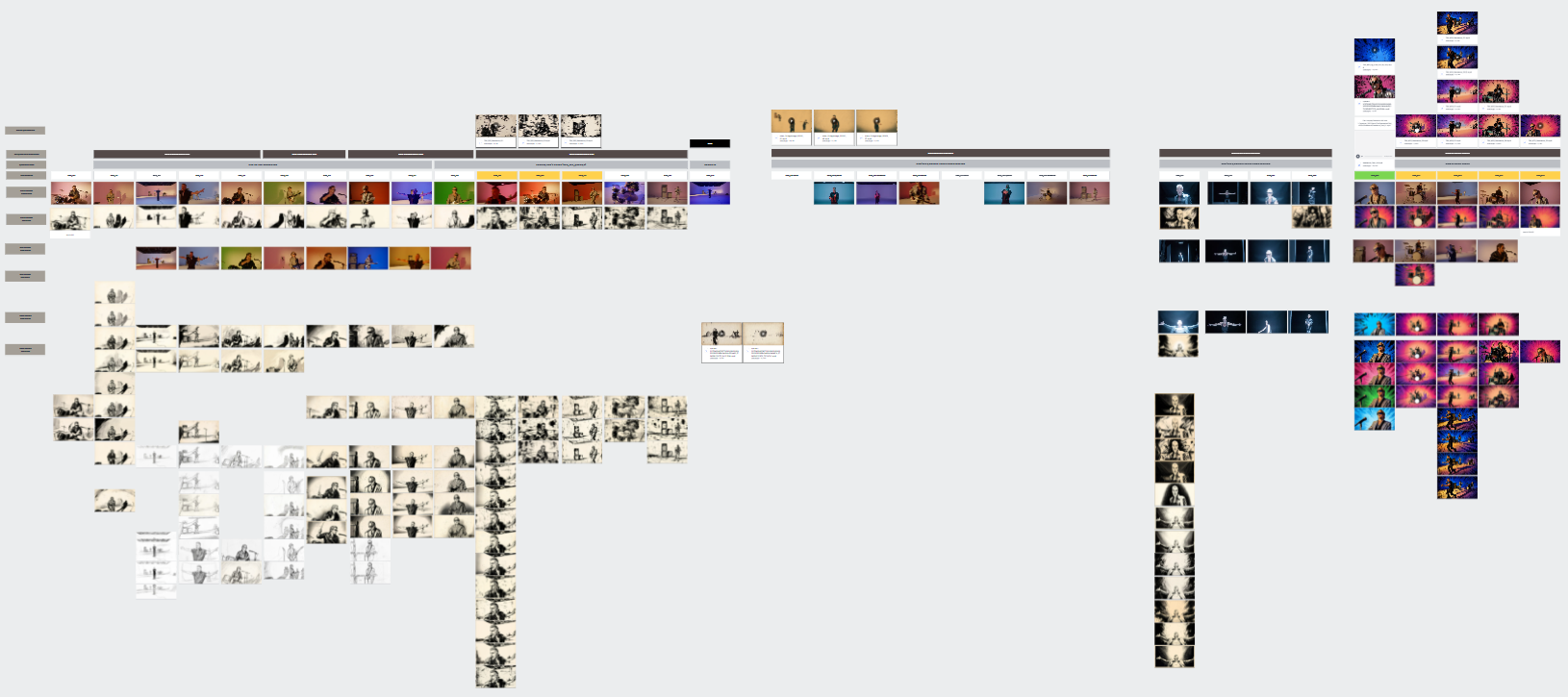
Structure map
With the edit blocking ready, the preselection ready and the beat map ready, we started animating like maniacs with the goal of populating every single shot and understanding how things would flow once in motion as this was one of the hardest things to do.
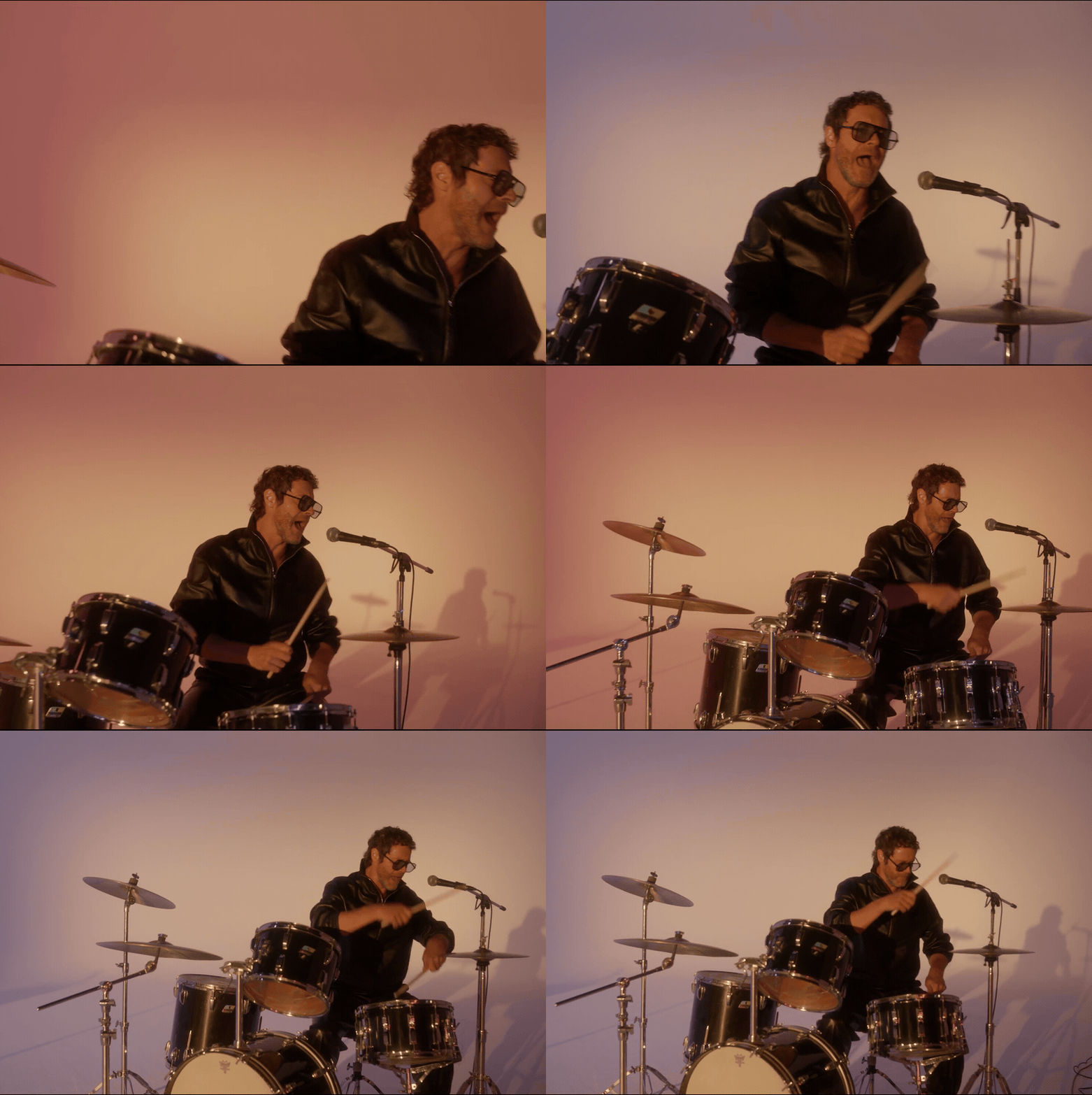
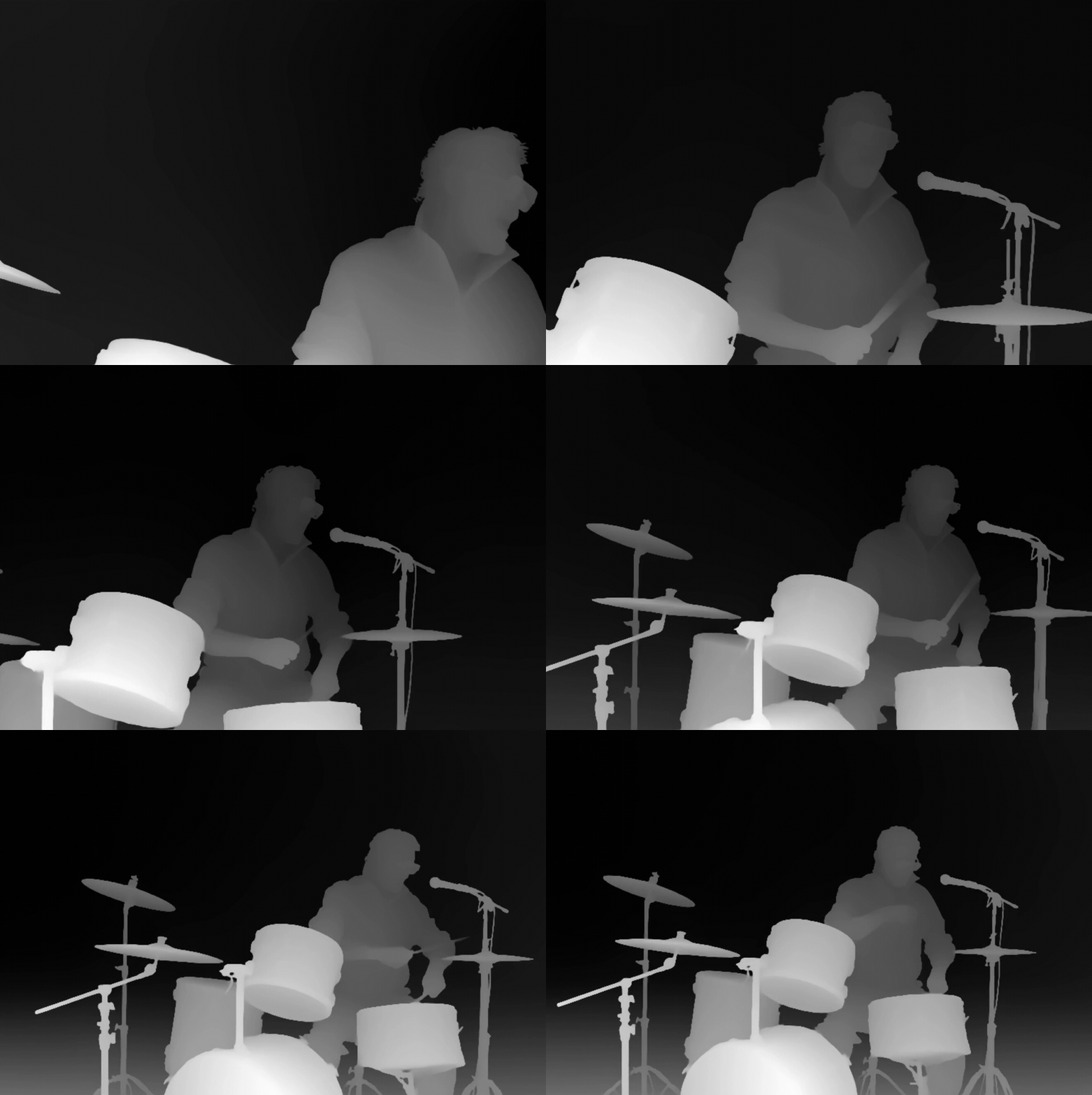
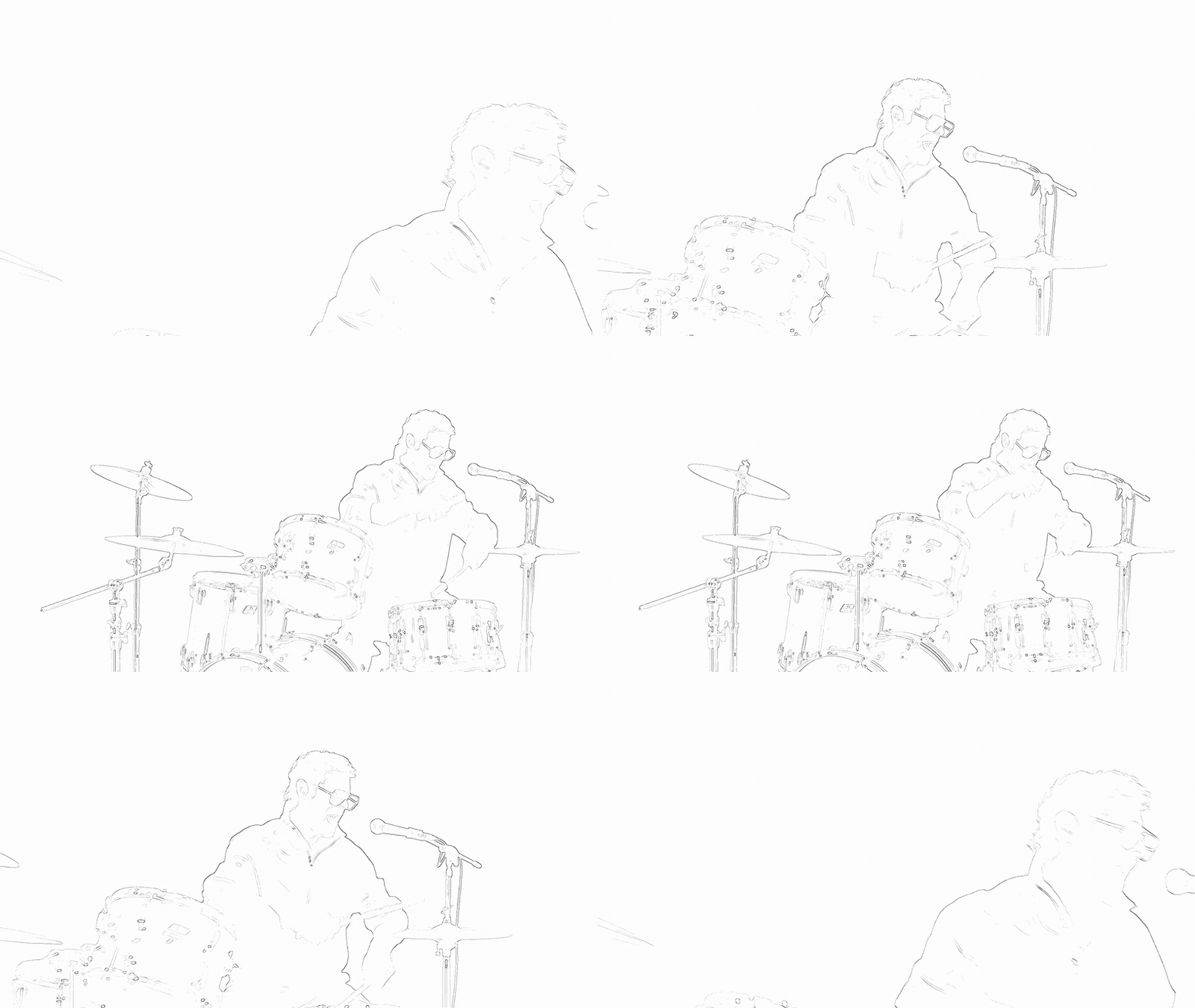
shot 285 control approach.
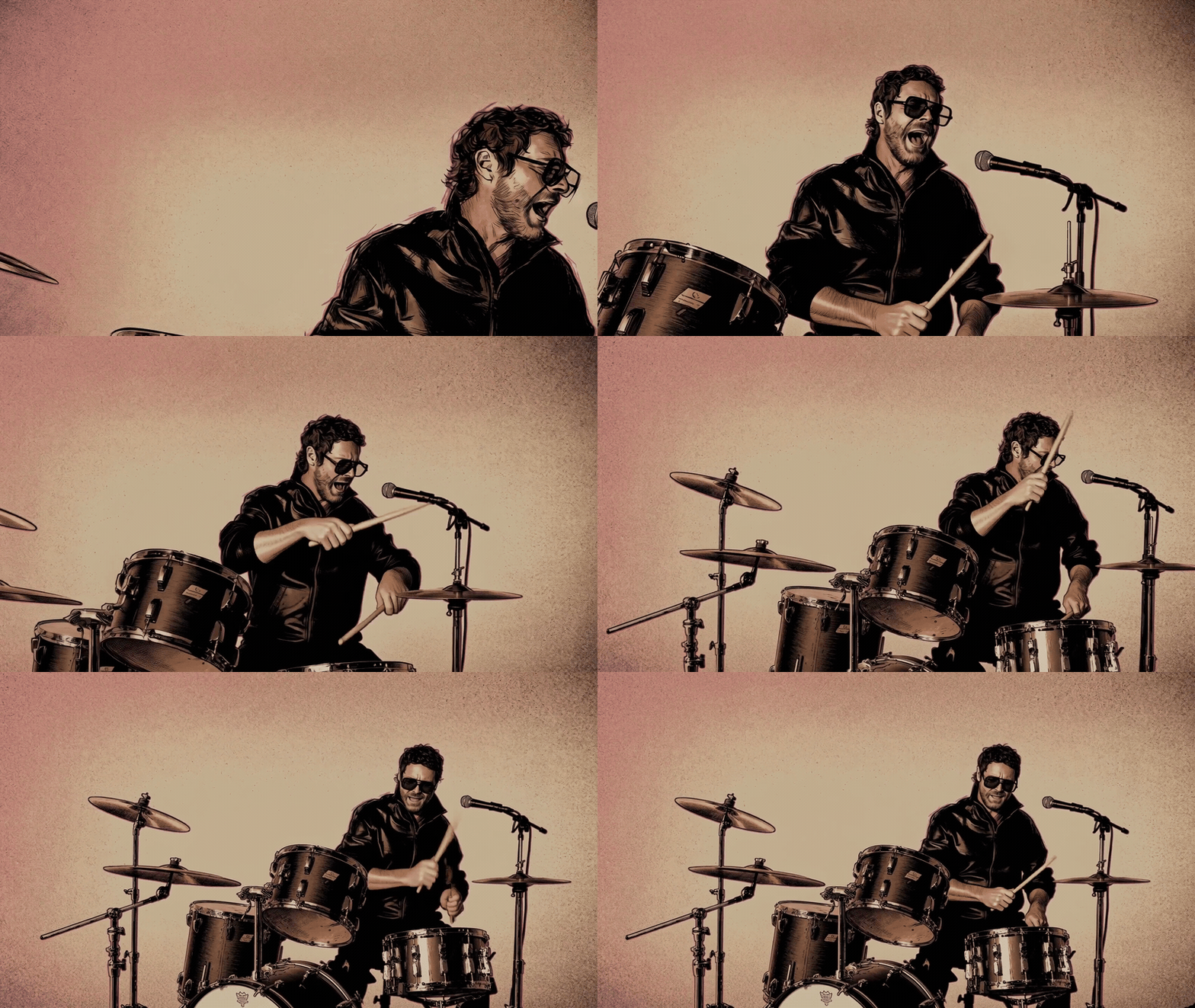
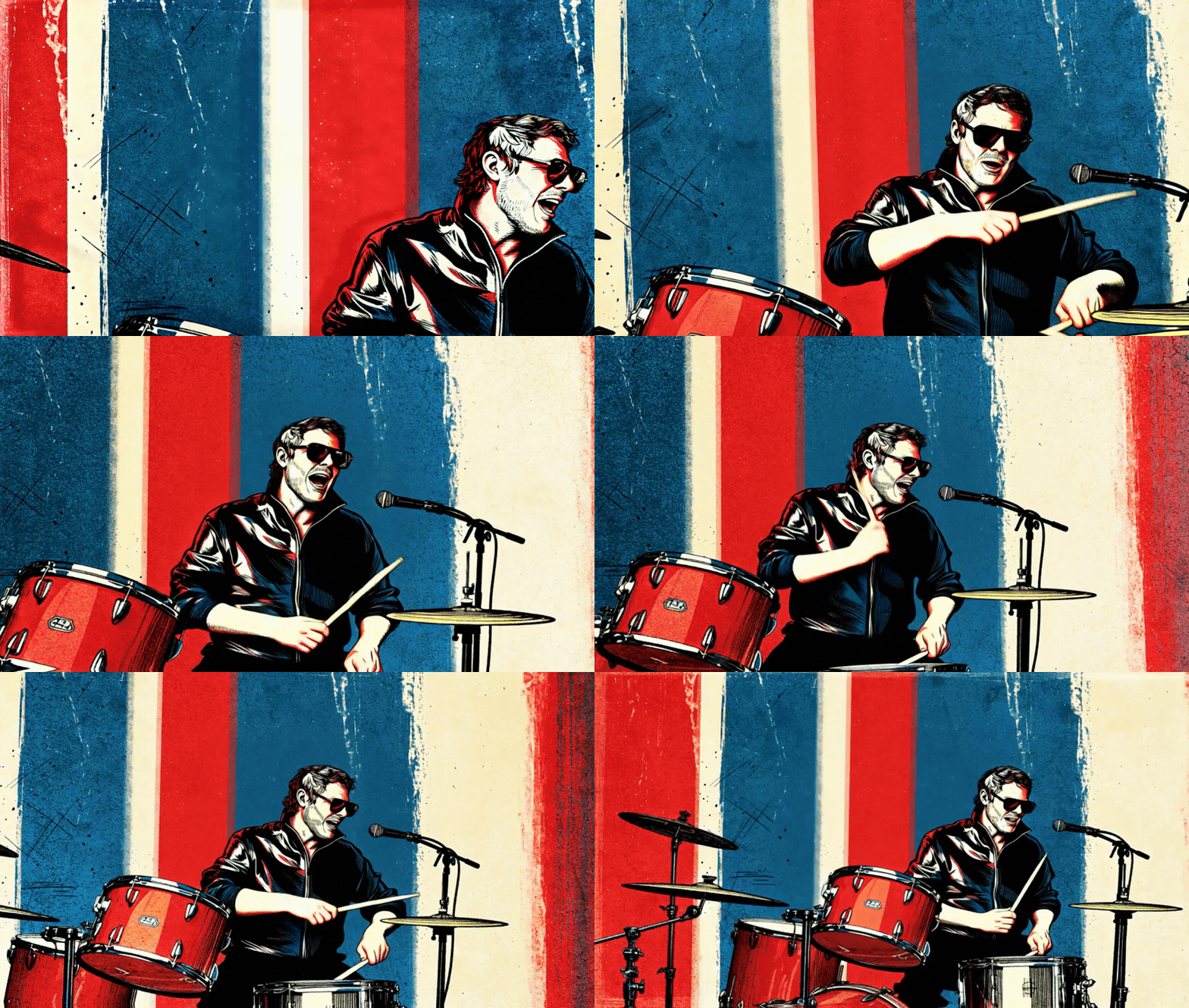
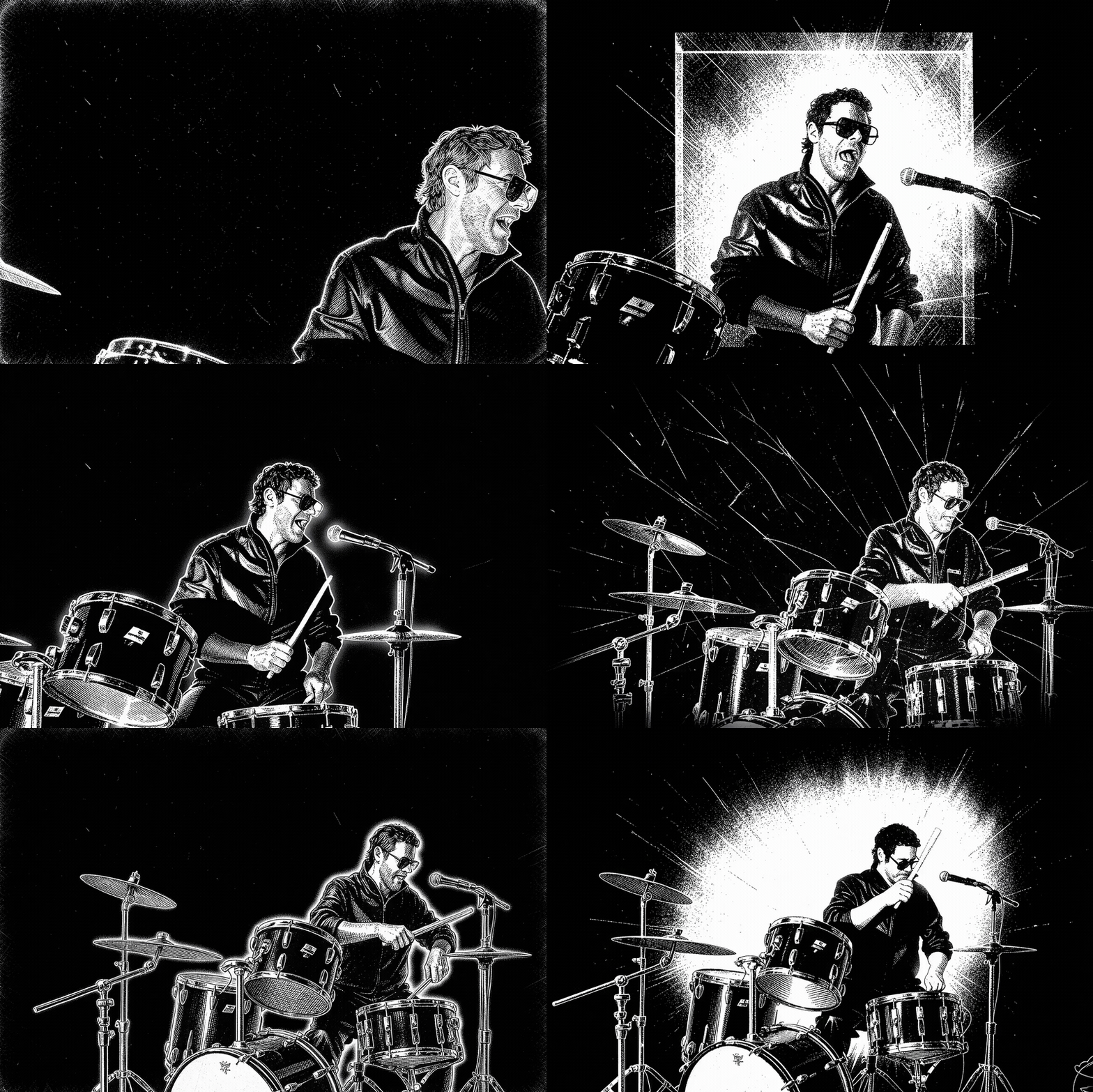
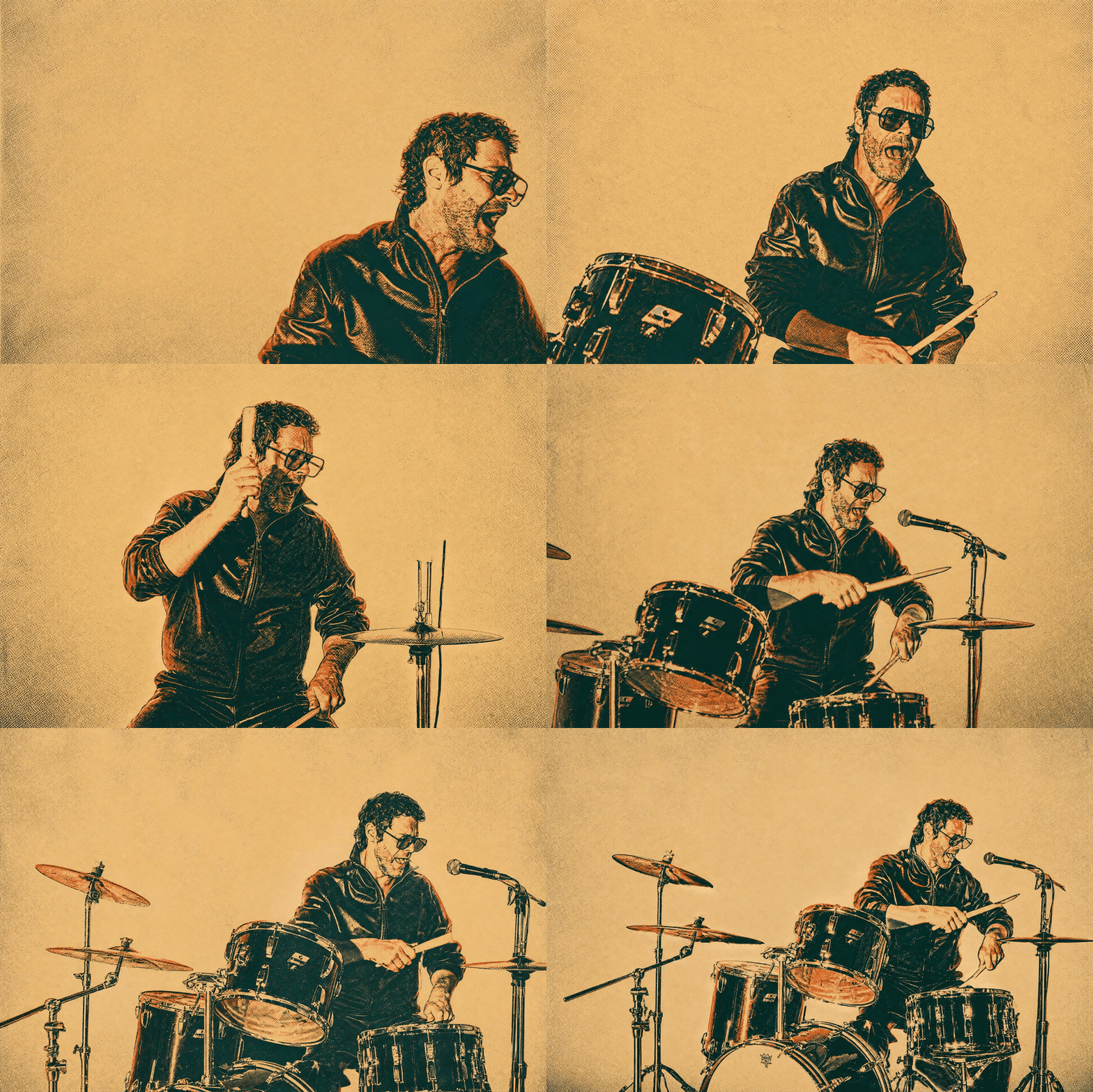
Shot 285 Style explorations.
The general approach was to extract a depth map and line-art map to guide the AI system and manipulate the material before the AI system could do anything to art-direct the content creation, guided by the footage itself and finally manipulate it later in After Effects, as we did separate the FG and BG generation with the goal of obtaining a more hand-crafted feeling; so, in effect, we were using AI as a drawing assistant rather than a one-button-press kind of thing.
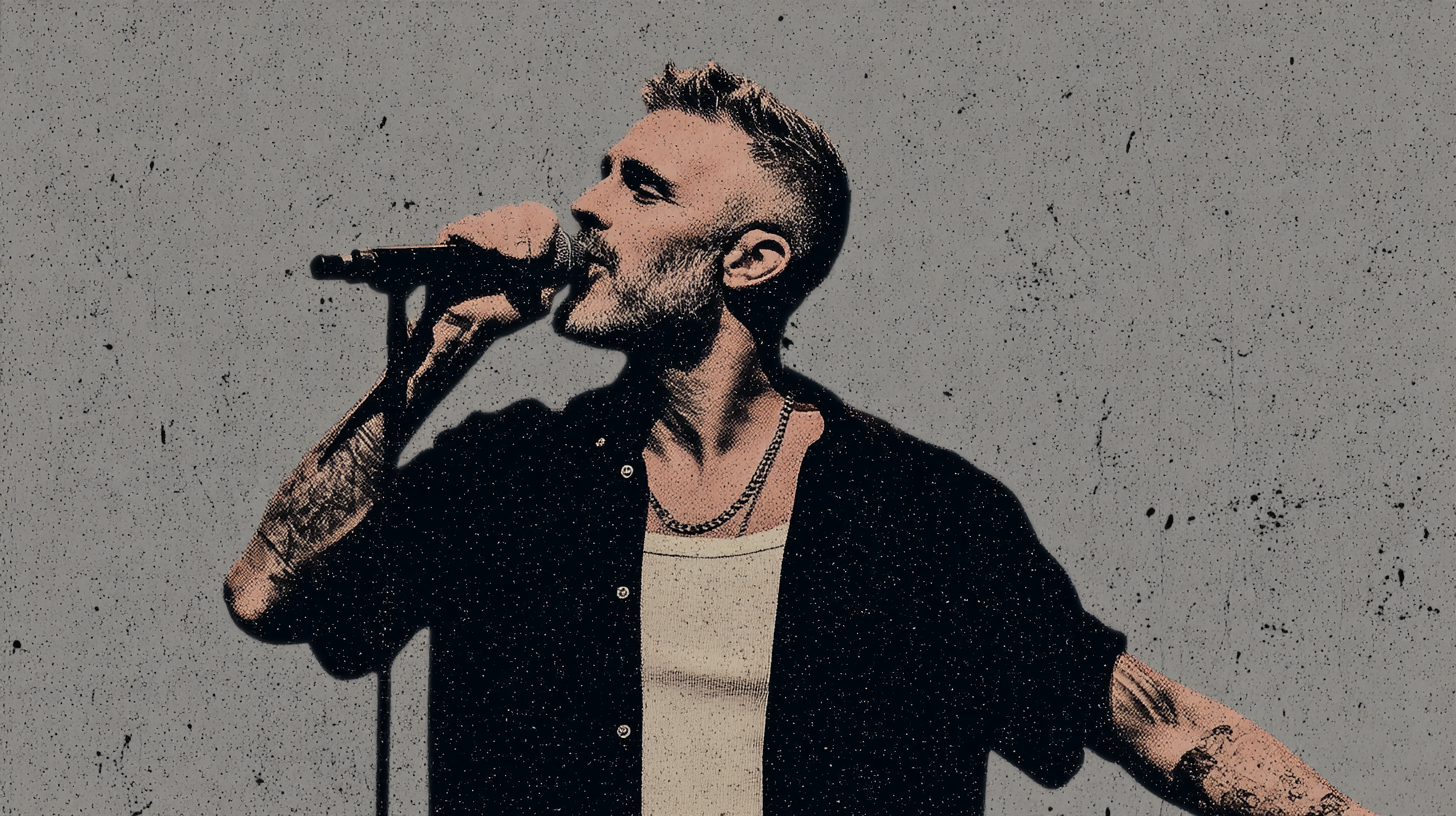
Of shose tests, it was clear the brown textured look resonated with everyone and we started to promote one section we called "The Carrousel" to this look.
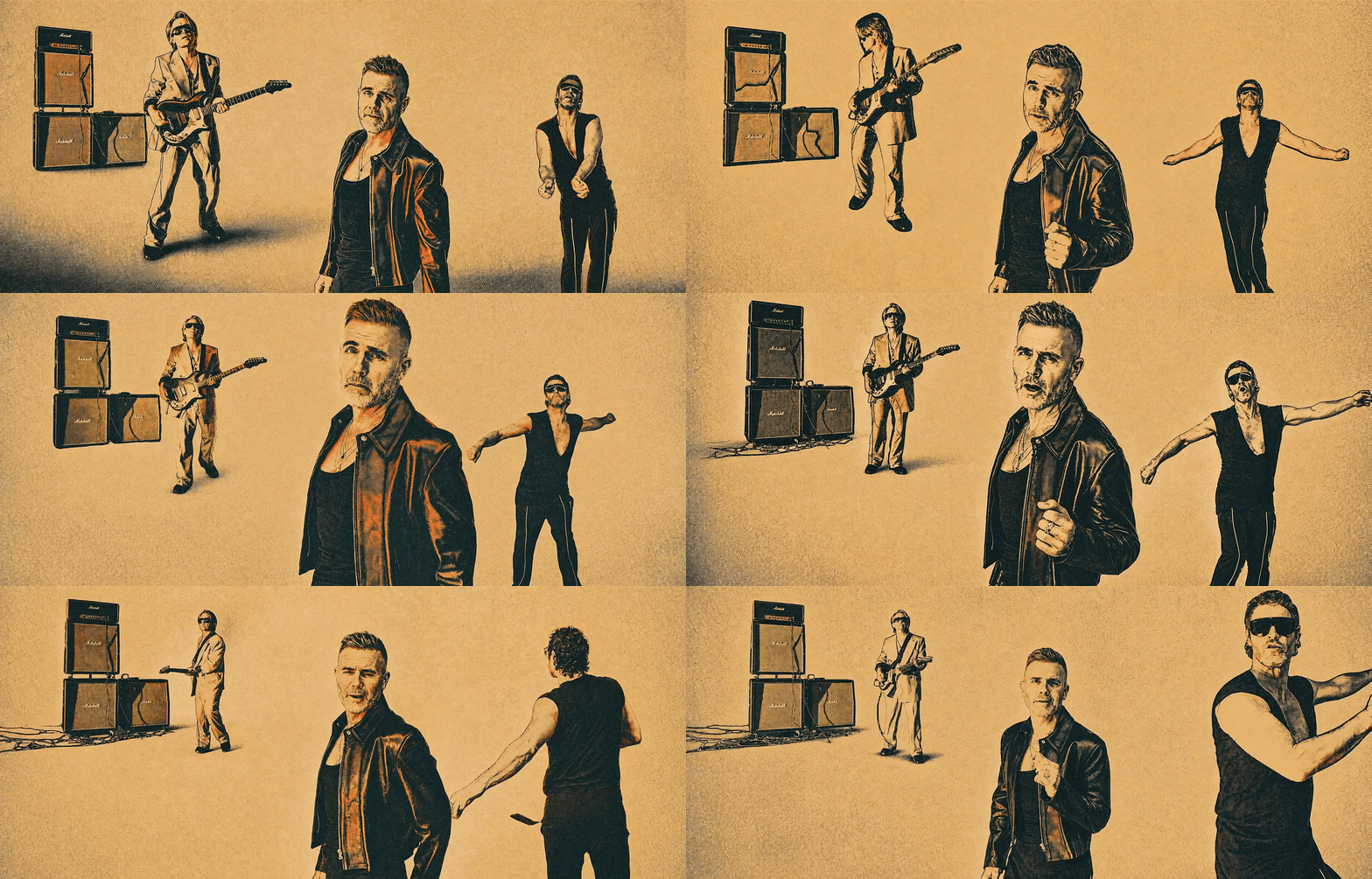
The Carrousel with the applied look over 3 different plates.
And so we did continue this process and variations across the video, making sure the evolution from style to style was in sync with the final piece's intentions.
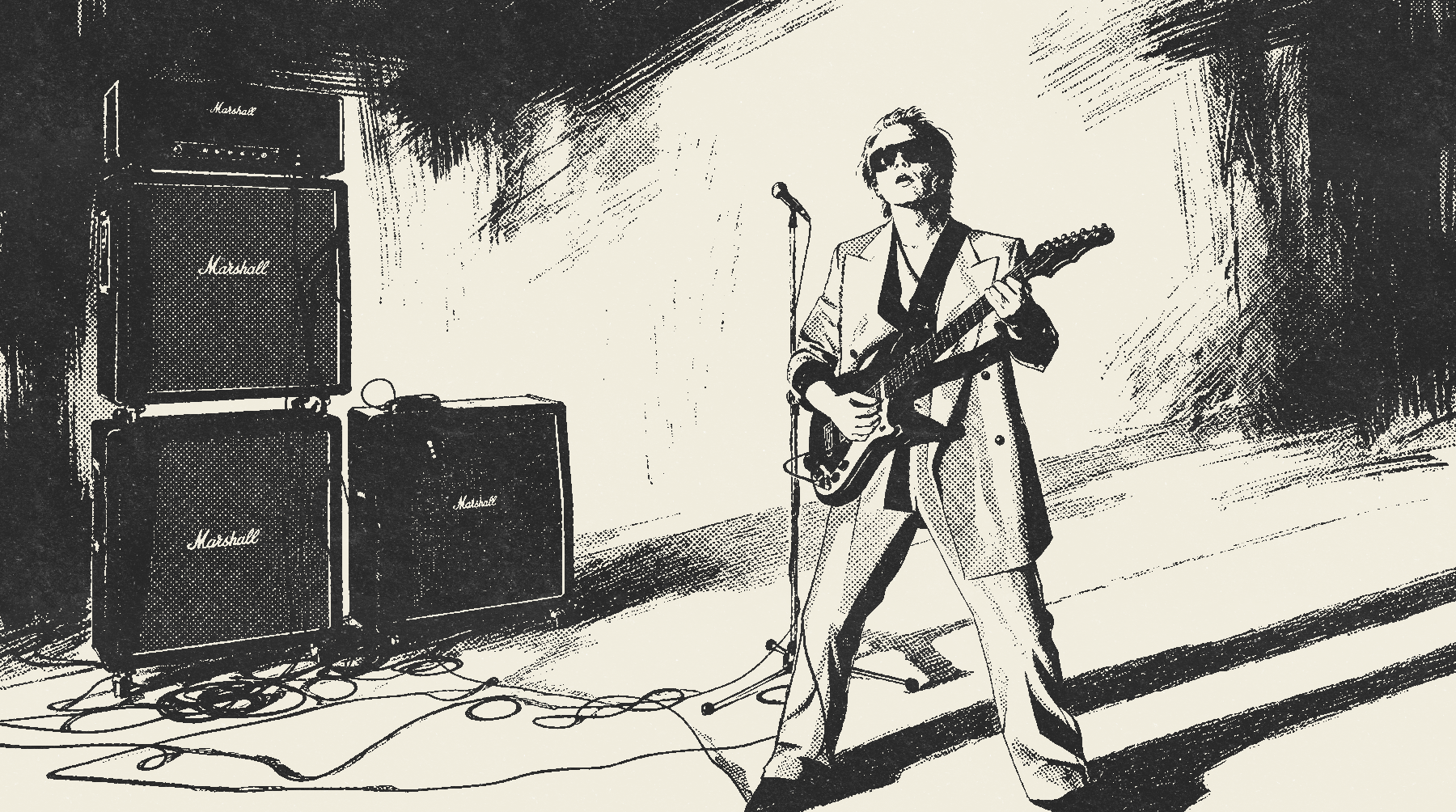
In this area, we focused on artwork reminiscent of clean ink-and-pen styles, using 80s artists as inspiration. We embraced drawing variations between shots because they were so cool.
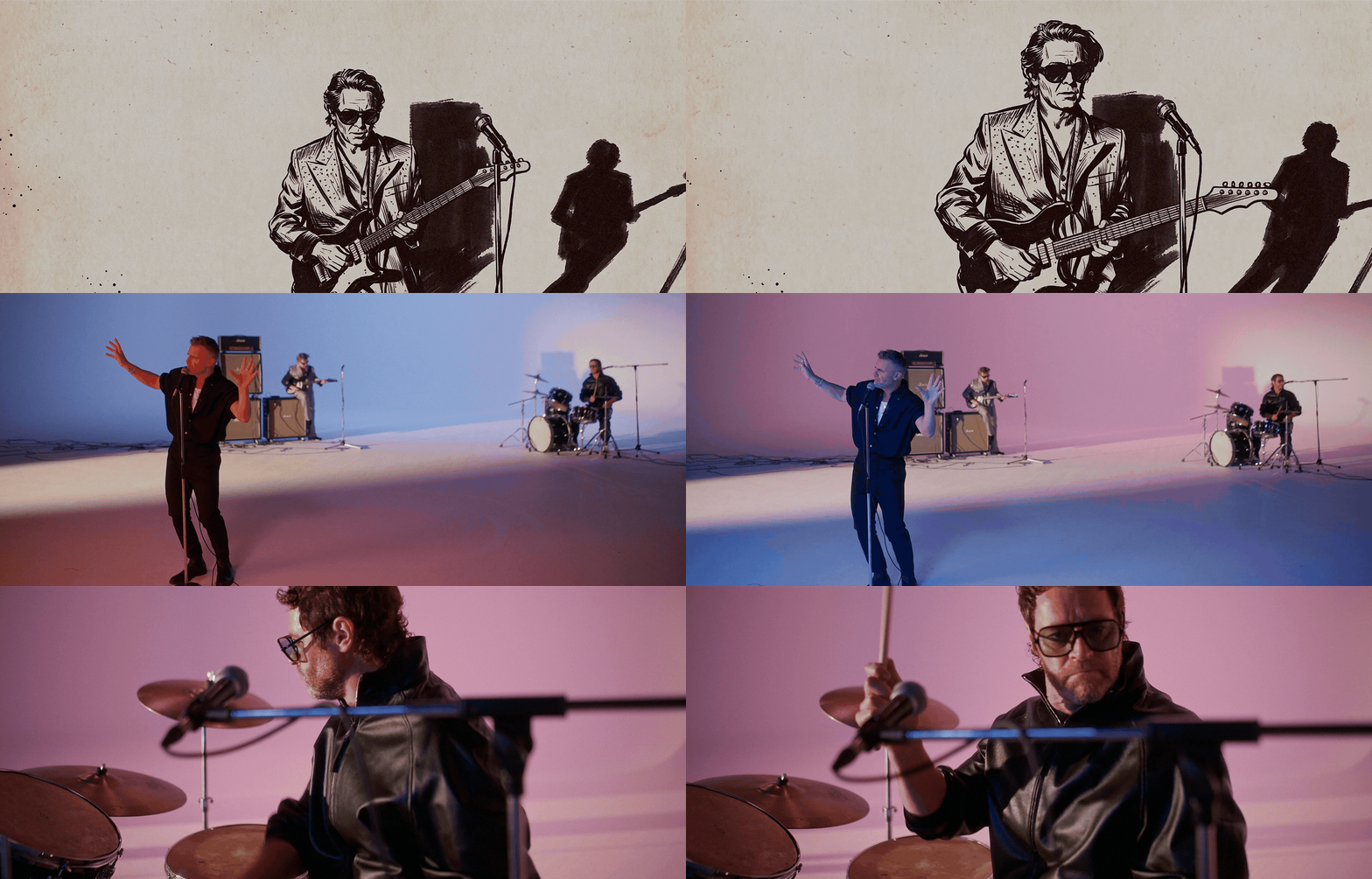
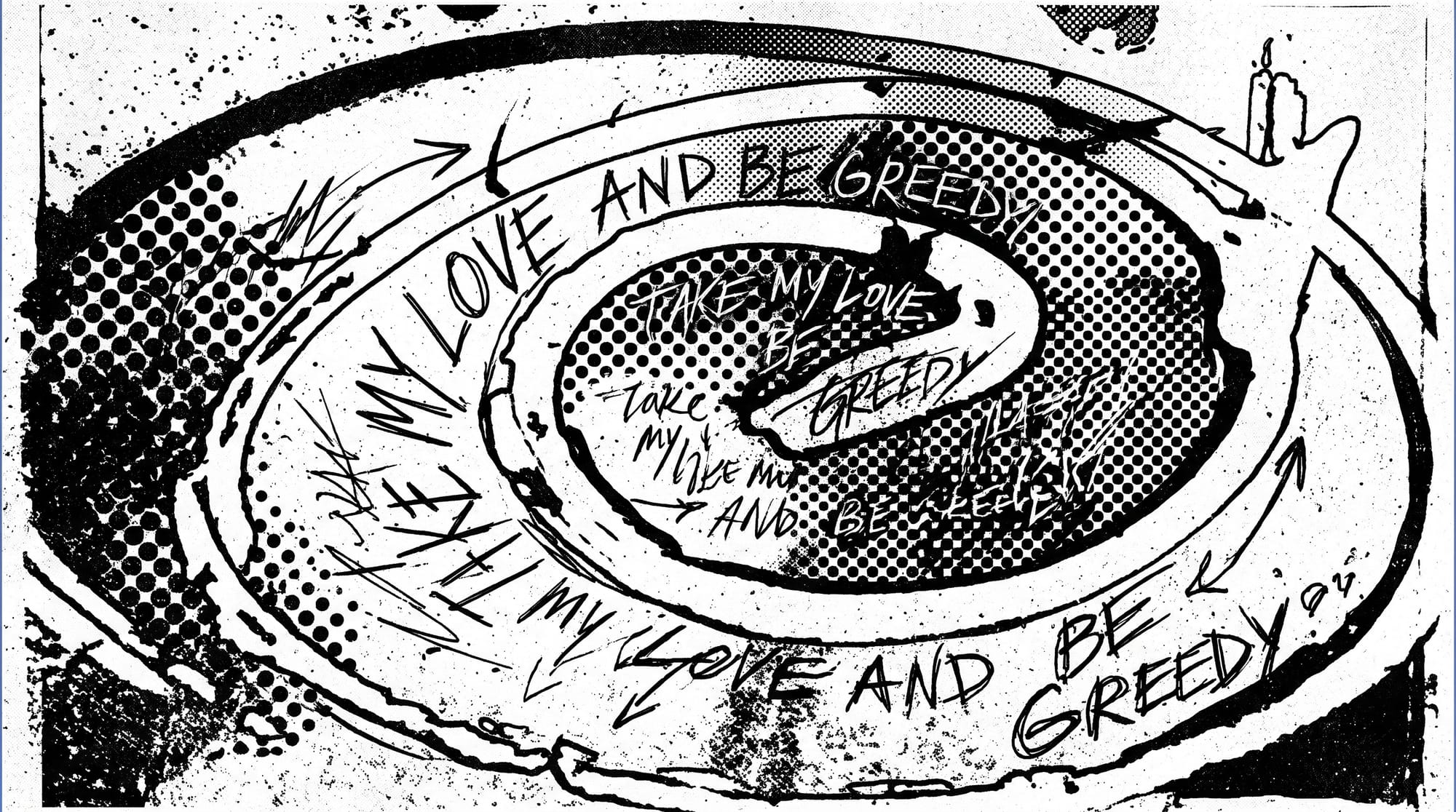
We also evolved the look into a grittier style, very much inspired by late 80s and early 90s artworks. Lots of background textures, separated and manipulated layers with different animations and quite brutal perspective lines to showcase an intentinal design.
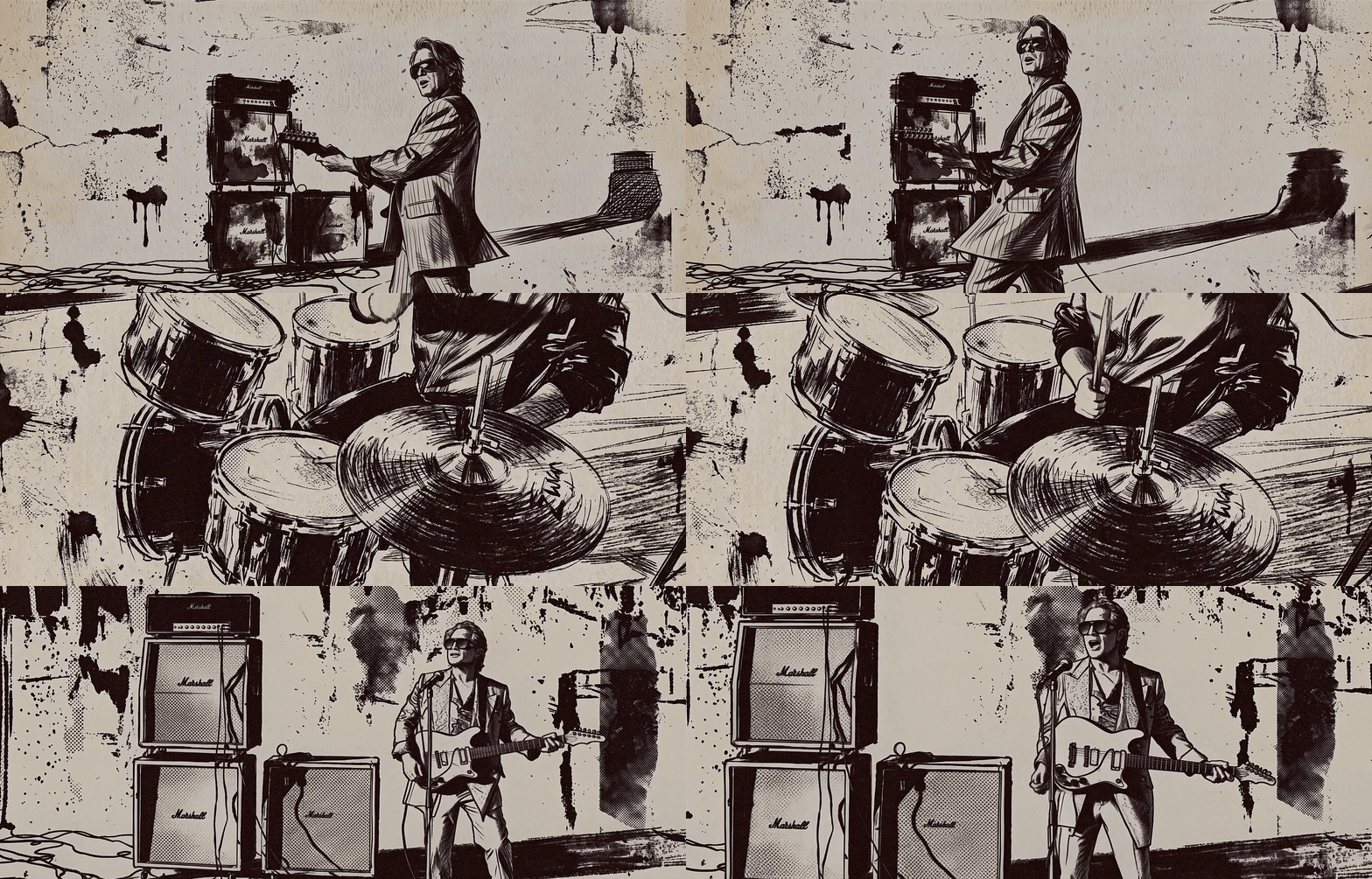
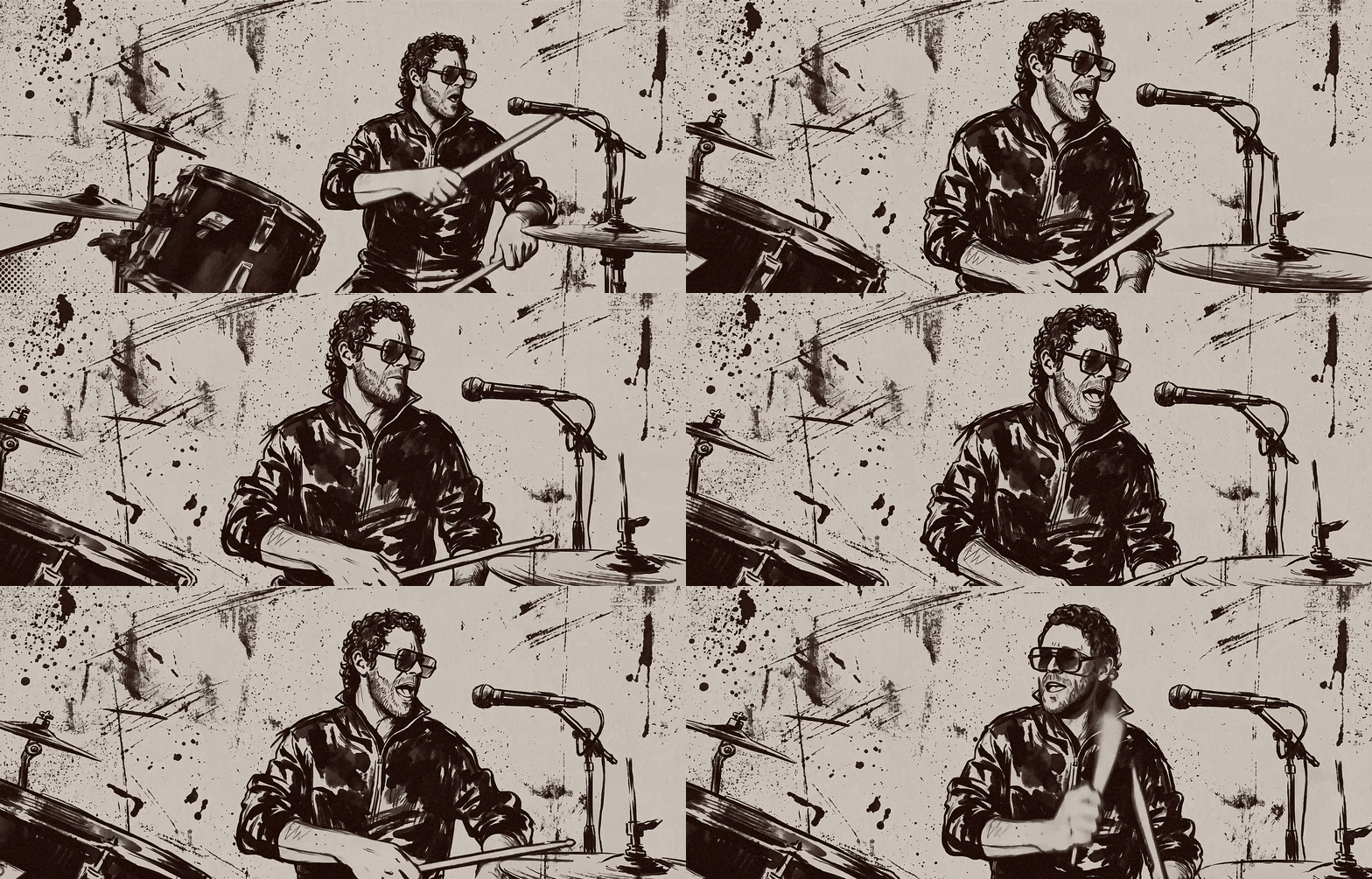
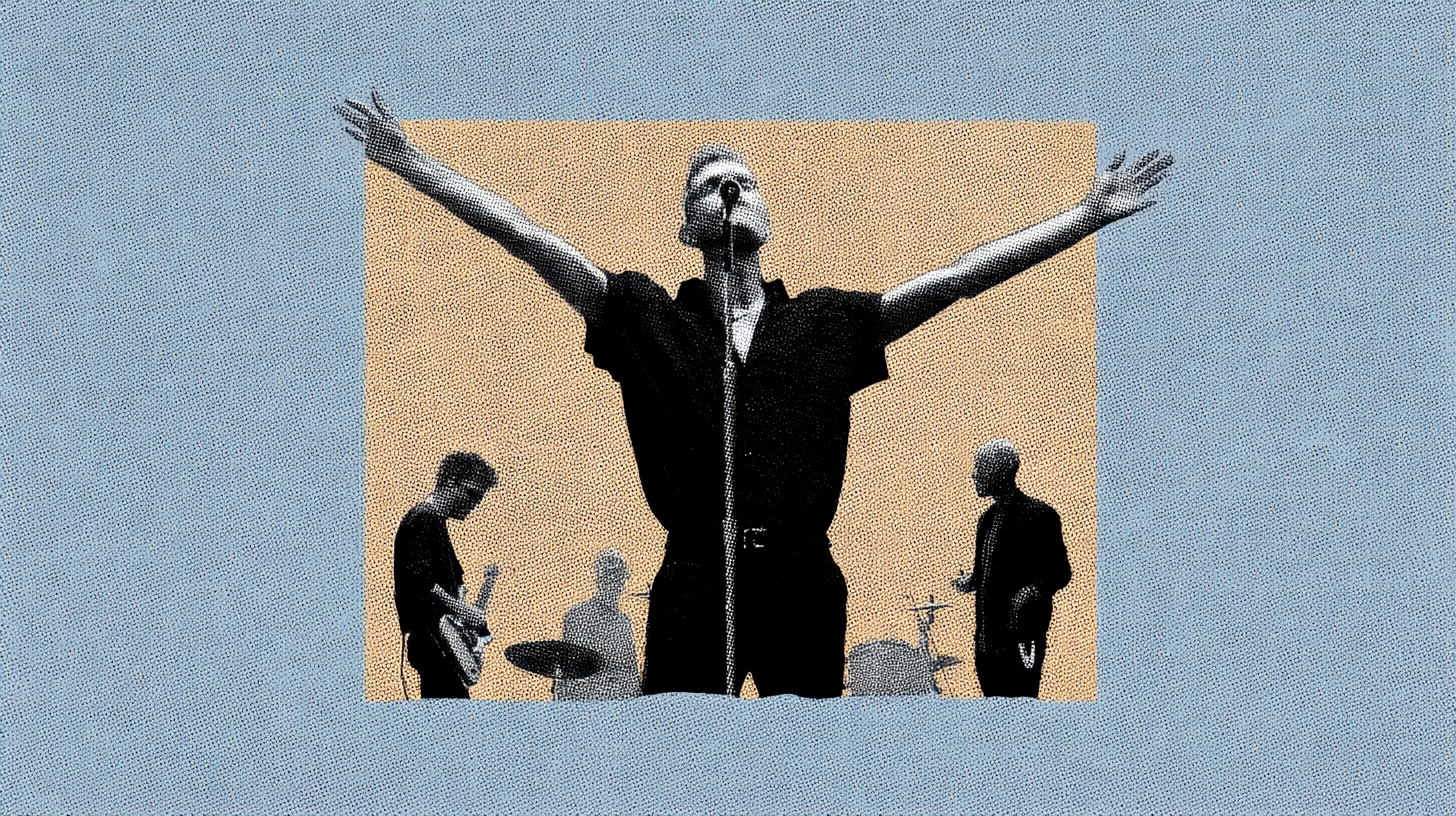
We wanted to bring a gentle introduction to cut-outs; therefore, using photocopier printing techniques to layer elements felt great, and we combined it together in such a way that it was obviously cut on purpose.
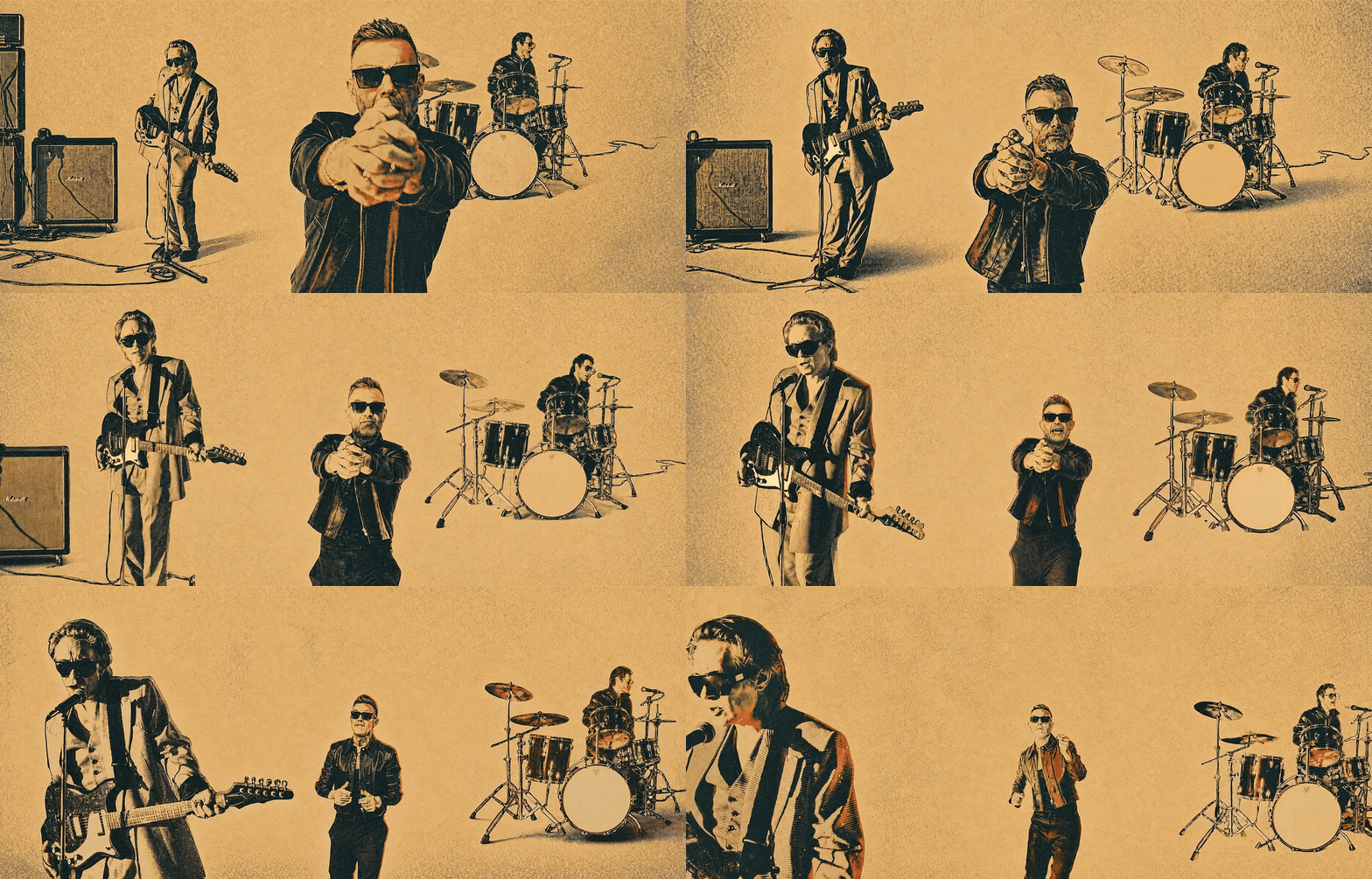
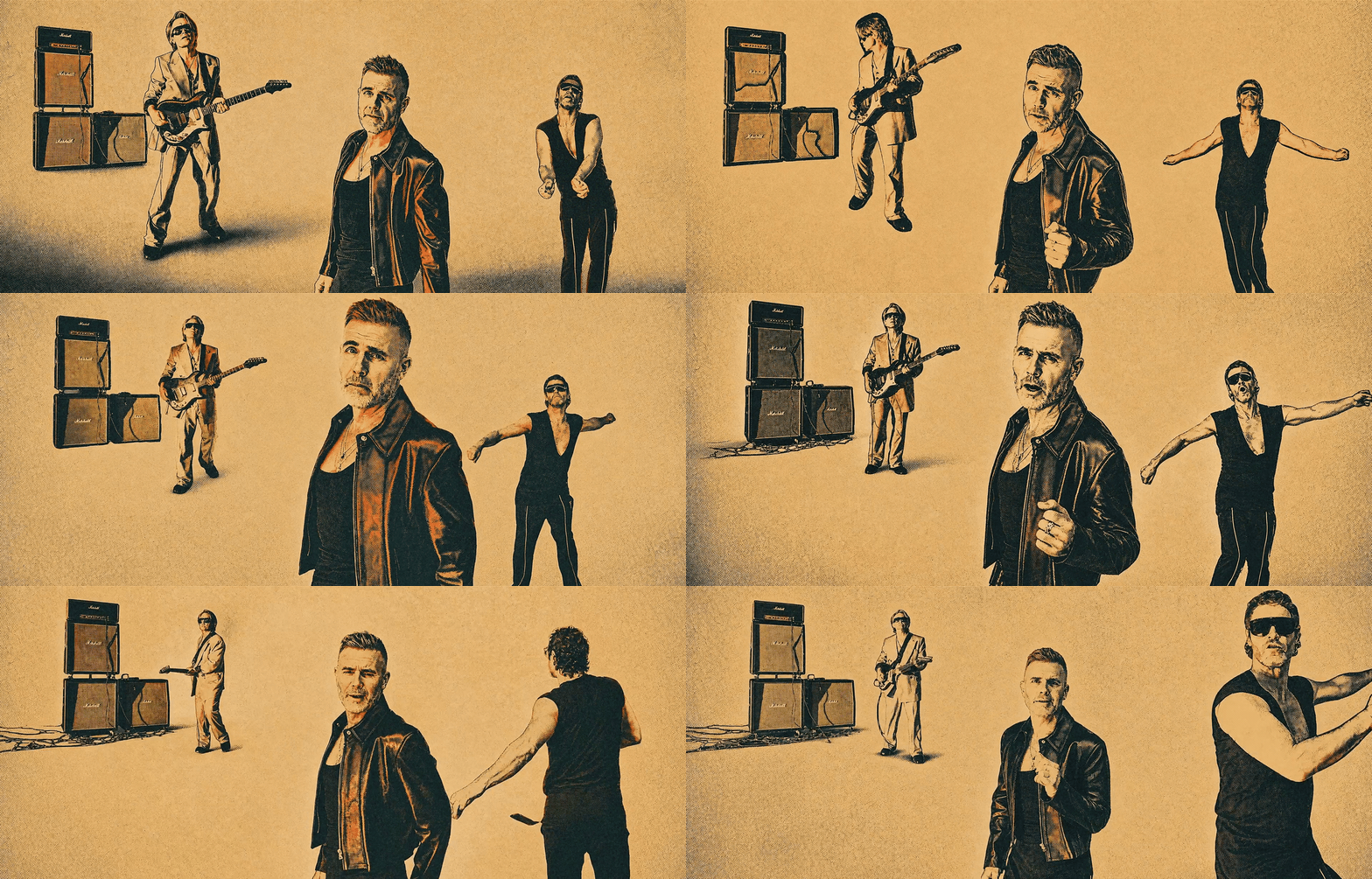
To exit the comic book style we went really dark, very much inspired by Phillipe Vuillemin amongst other greats.
We also drifted to a colorful version of the world using old-school mixes of eary 80s american comic books like these.
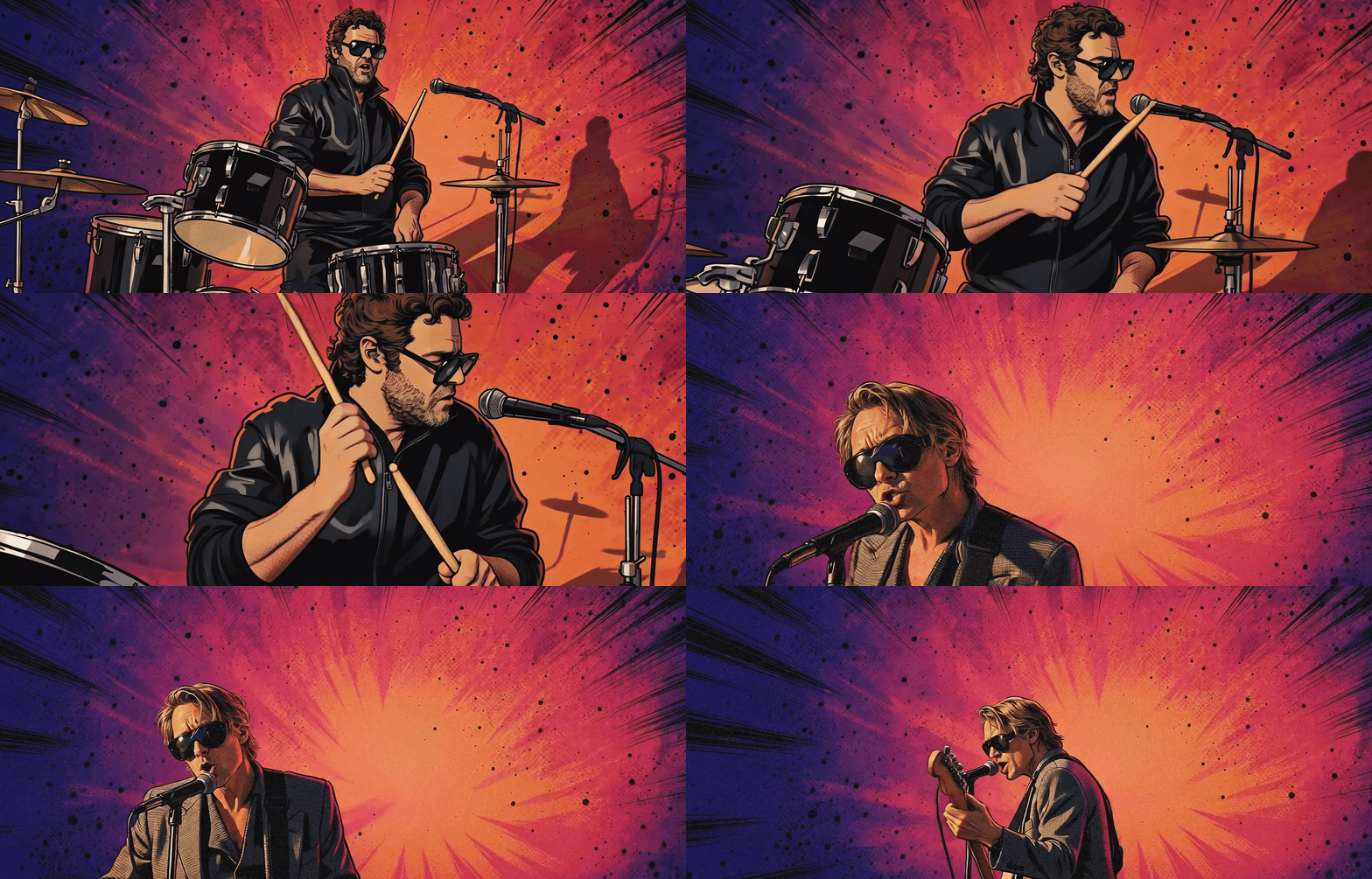
and yes, we had to rely on animated BGs to be able to carry the more intentional depth and the comp these together.
To finalise, we focused on a collage style to tie together the film and bring our talent to life again, a more psychedelic look and one that posed many challenges in terms of readability, contrast against the footage and more. It was really fun to do, but it took a ton of tricks and tests to get it right.
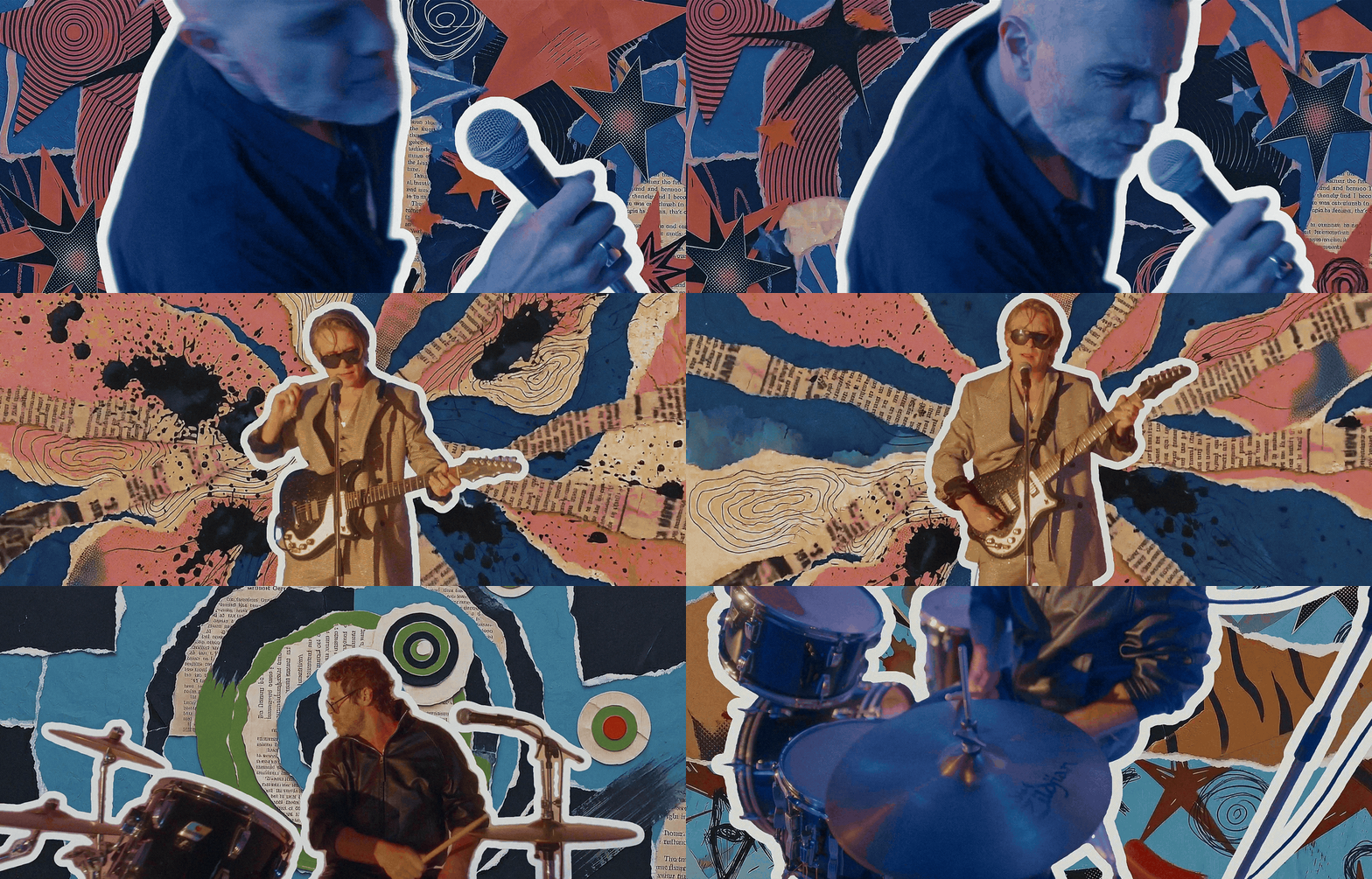
So, we keep updating the timeline with the material from the artists and continuously evaluating how thing would work.
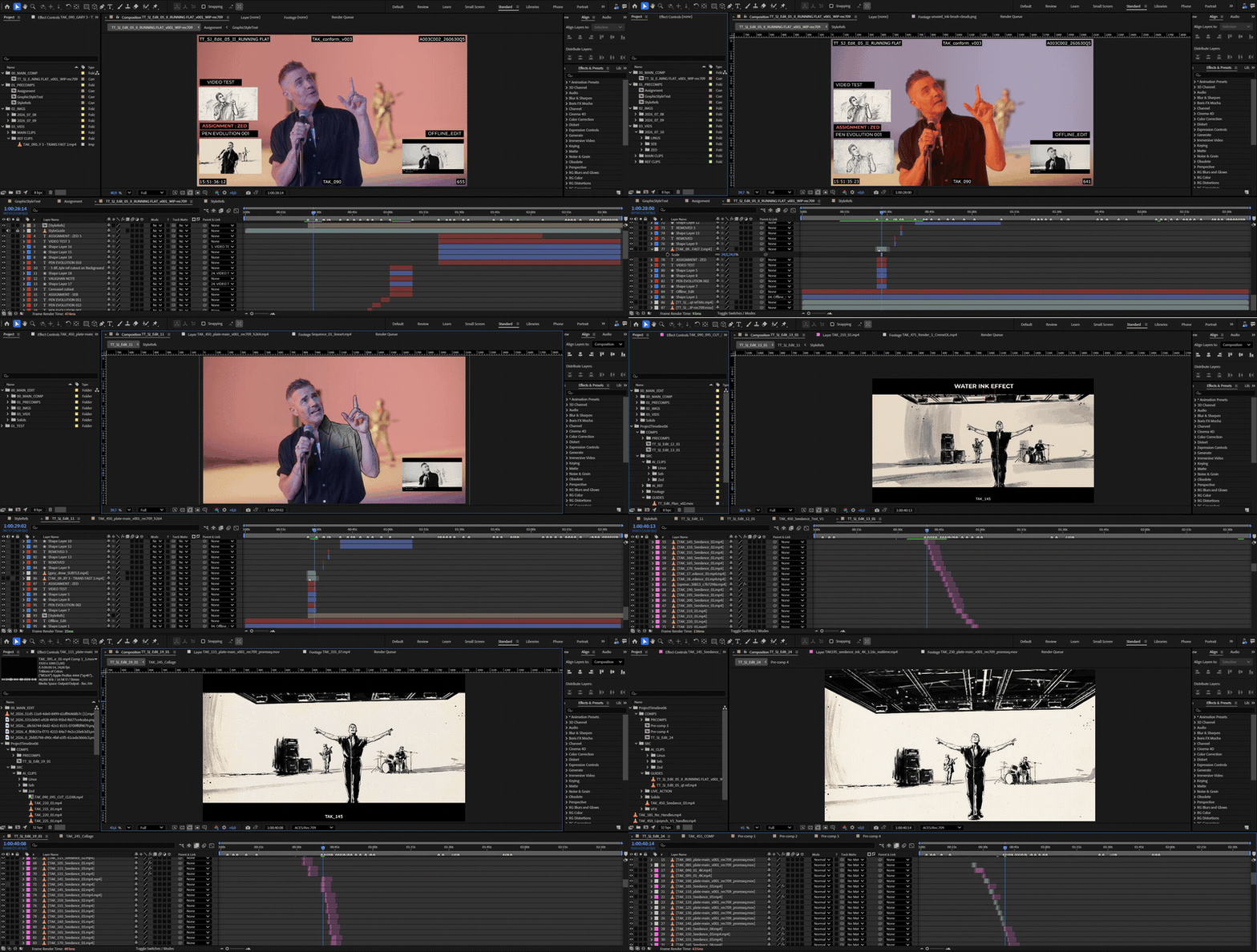
The whole project was a blast, not only we managed to create something we are super-proud of but prove to us and everyone else, these new tools, in the hands of real artists, are like having super-powers and allowed us to bring Vaughan's vision to life.
We explored, manipulated the content, innovated and pushed well beyond what we thought was possible at first to assemble a music video we expect to be recognised by its innovative craft rather than the technology behind it.
We want to thank Take That, Vaughan Arnell and Merman's team for the open-minded when it comes to collaboration and I hope you had as much fun doing it as we did.
Let's do more!