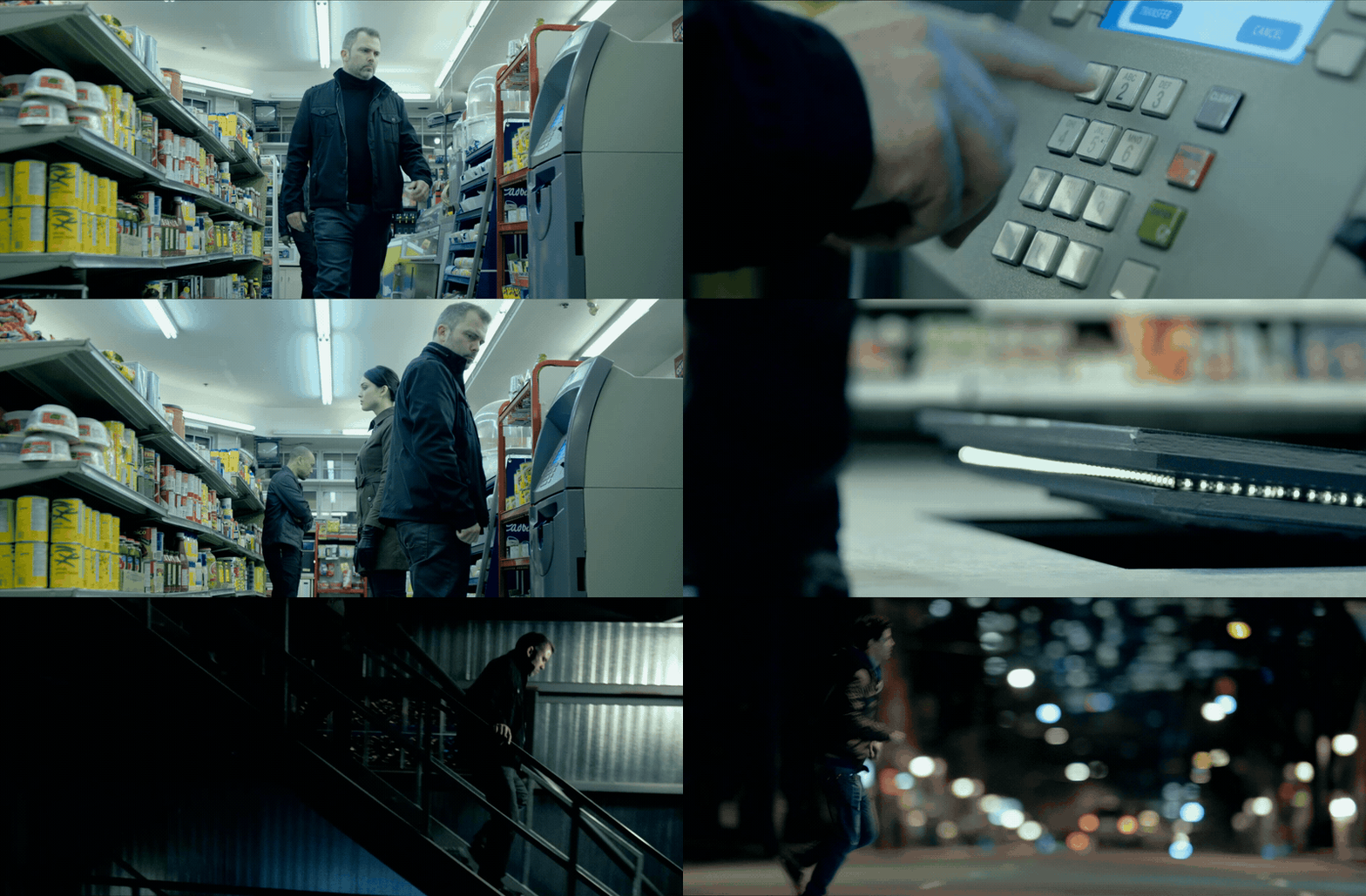
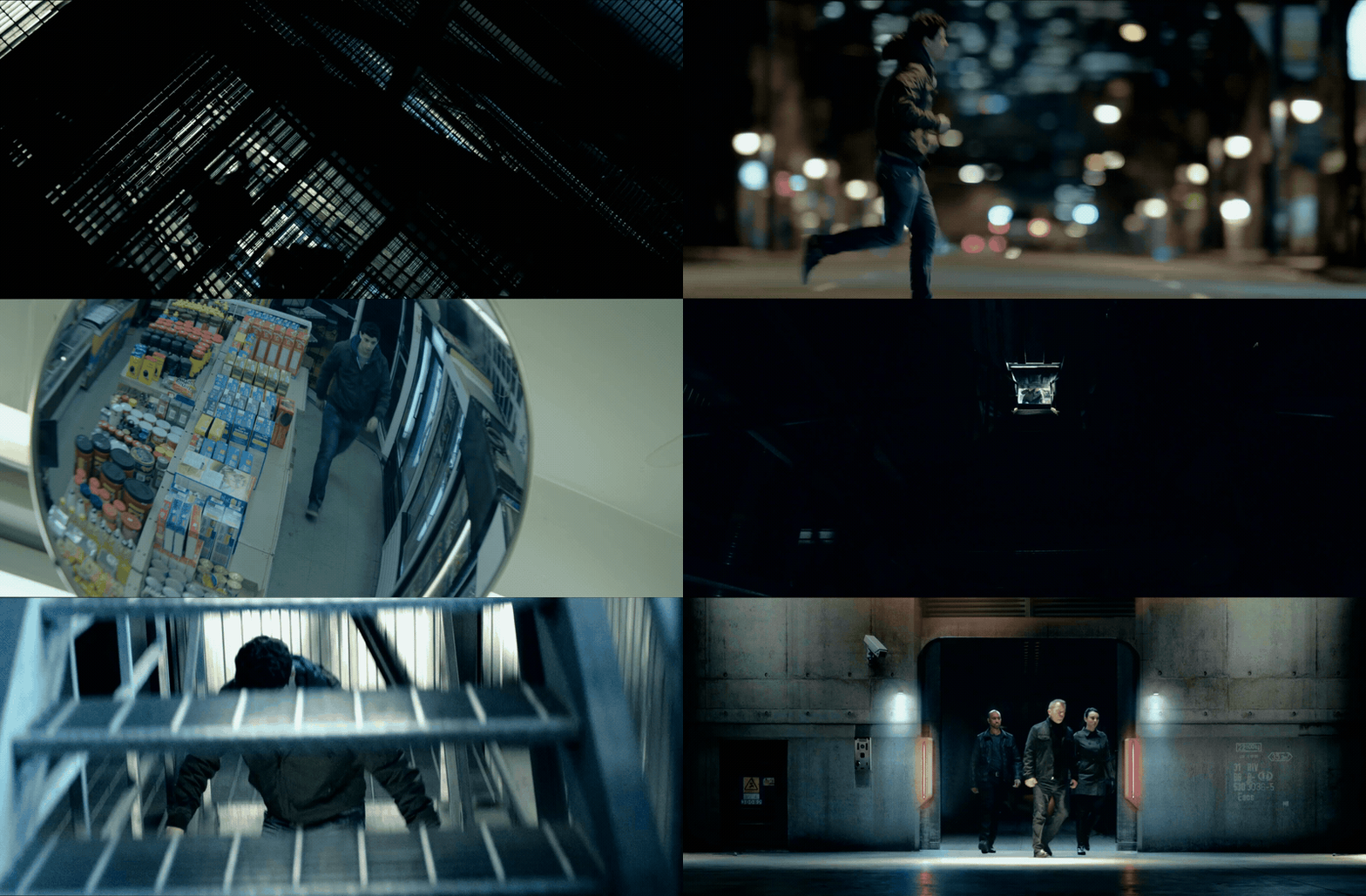
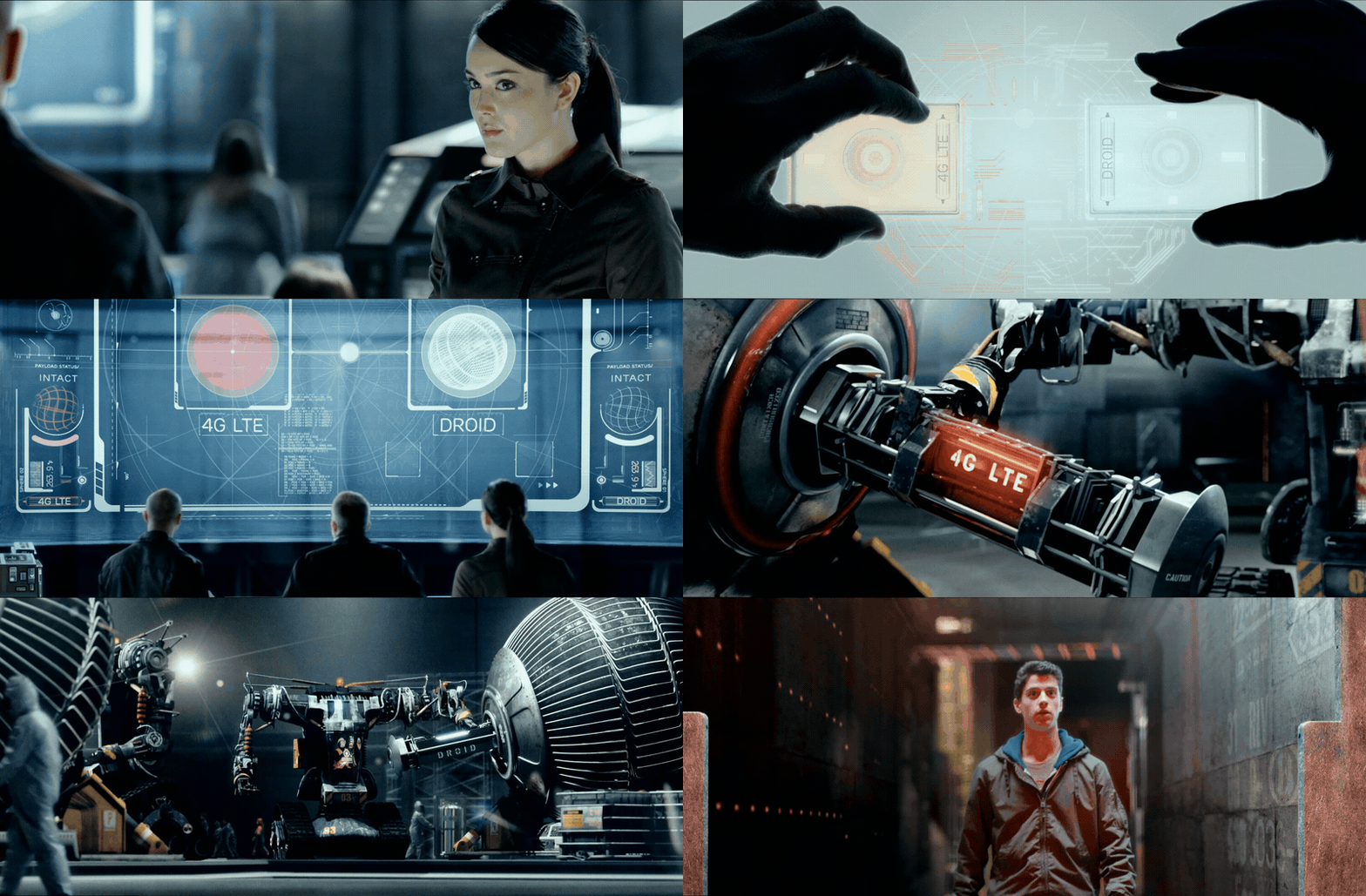
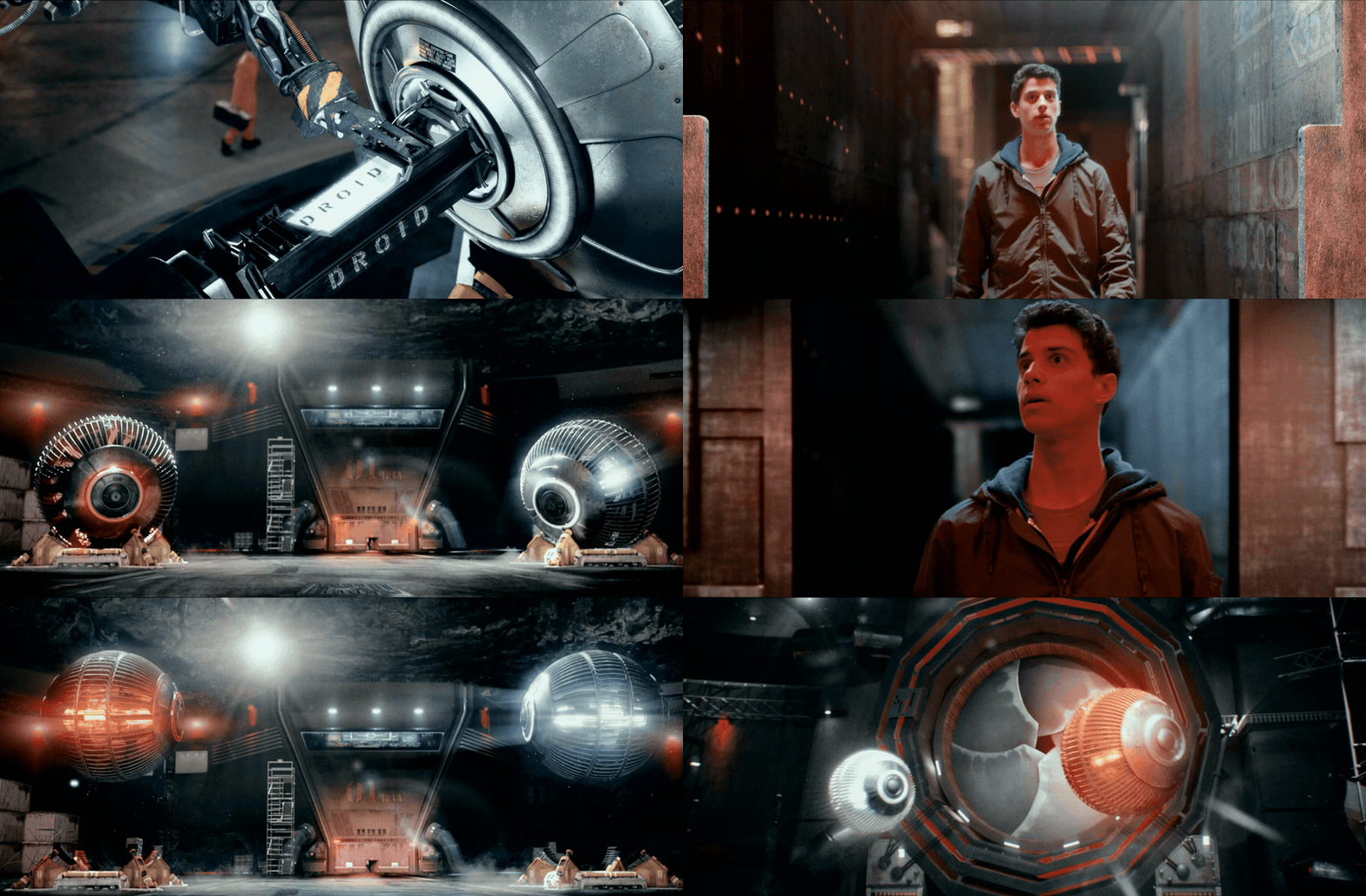
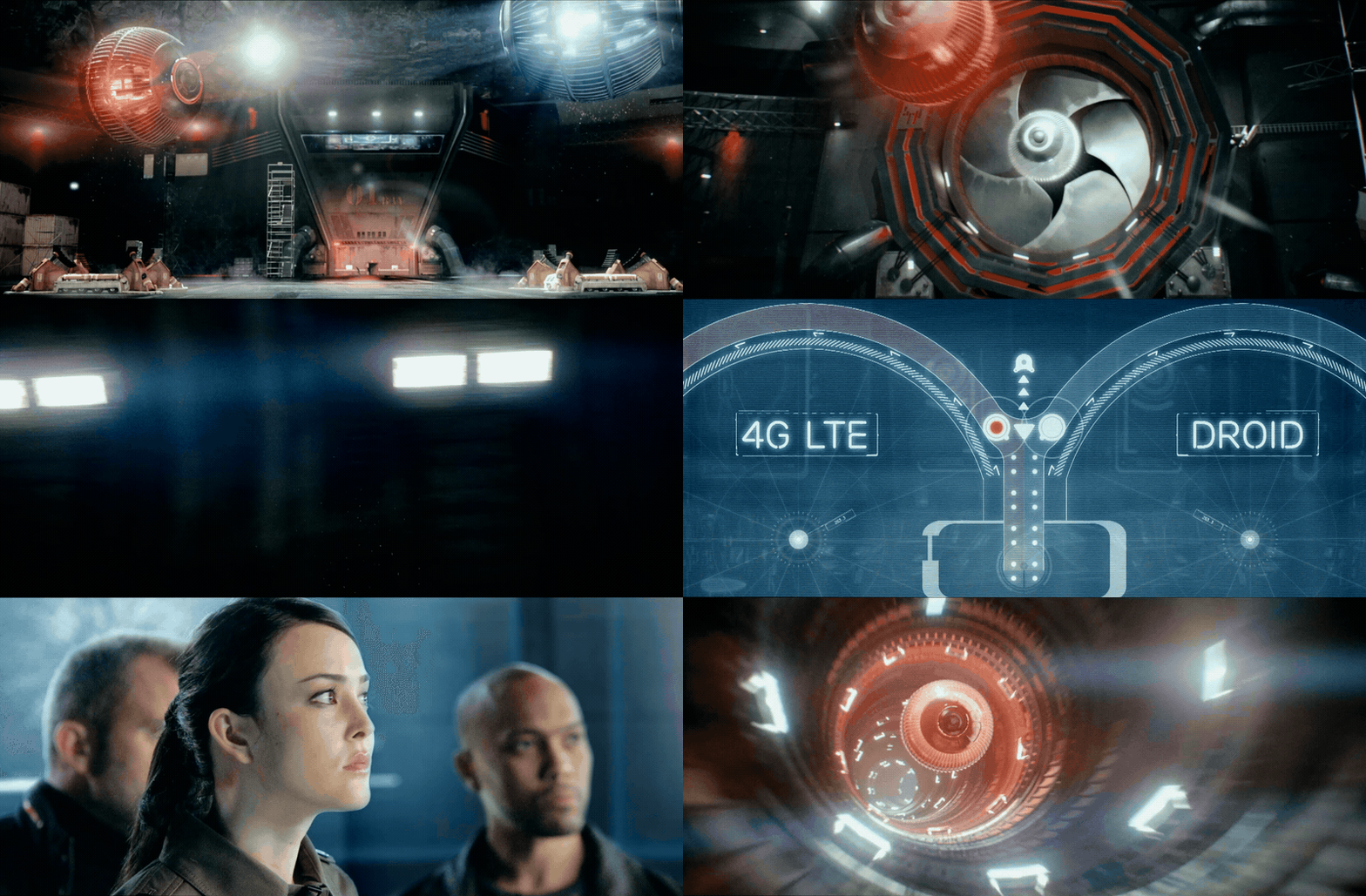
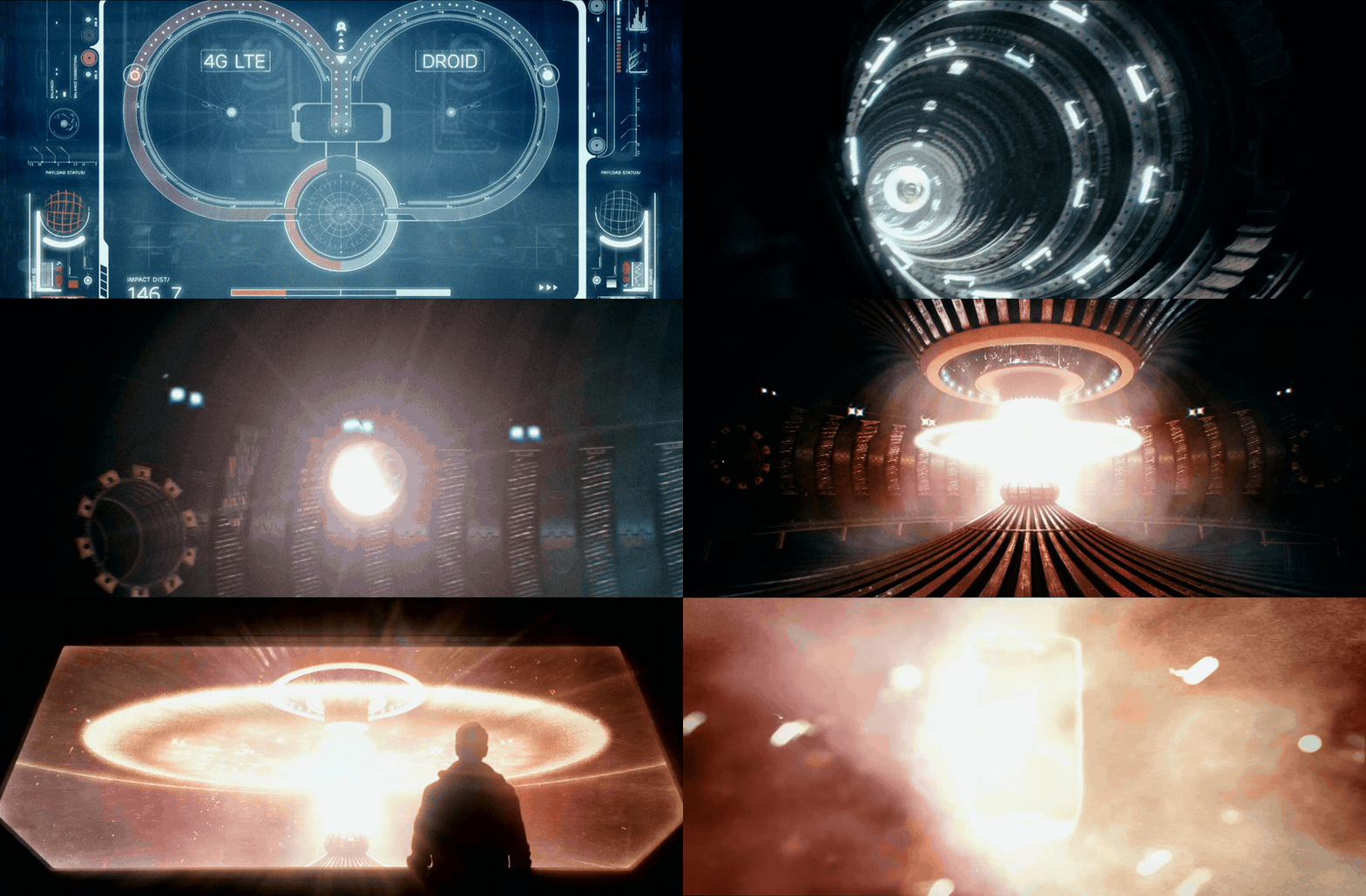
A great opportunity to put my latest research in true motion, not only little tests, but truly a new approach to our lighting pipeline that permitted us to produce such a huge job in record time without suffering too much.
Director: Daniel Barber Production: Knucklehead Client: Verizon
Approach
During the process, the director and agency really pushed to get a feeling if scale and production value that kept referring to our work, to early matte paintings we didn't make was great in the sense that we had an exceptional rendition of what was really meant to be done, rather than blurry descriptions so we did push to get it done, and the team managed to produce this.
We insisted on having the editor on set to help us make fast decisions and explore ideas while we were shooting so we could cover eventual changes. These didn’t happen after all, as the director was really on top of it, but this approach meant we went back to London with almost all the homework done and an edit we could work towards. And yes, it did change quickly and explore ideas while we were shooting, so we could accommodate any other times, but these were not radical changes, so it was good.
In this particular project, the extensive design work was also an opportunity to show that we could handle these tasks, and we were heavily involved in it. The production designer oversaw our work with the director as they prepared the set design we would be shooting later on.
Set extensions were quite a big part of the initial brief, and although these weren’t so demanding in the context of the rest of the job it did really add some extra work.
And of course, the graphics and set dressing were also taken care of.
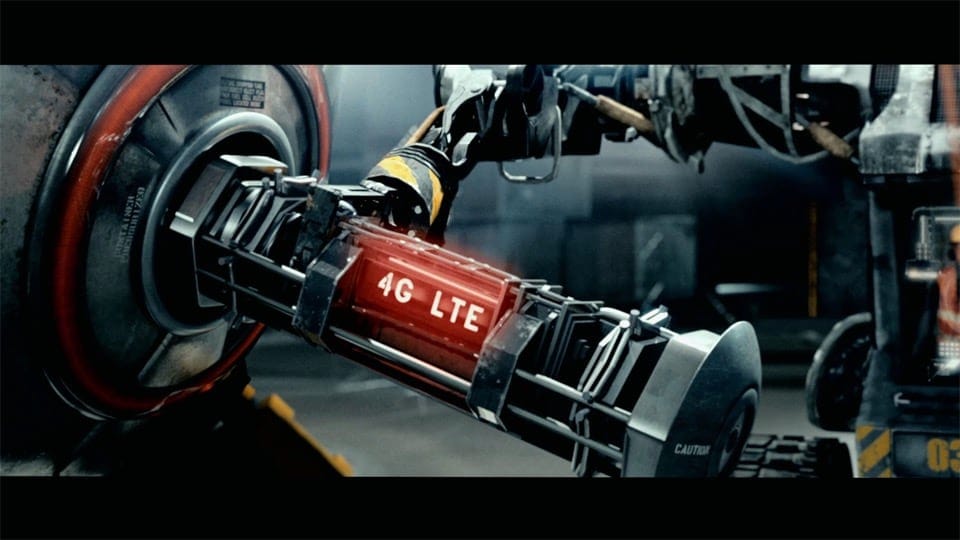
A particular piece of work was the ever-evolving fuel device and its branding; finally, we all settled for a more boxy-like style.
This was one of the biggest scenes with huge robots and the spheres, so we ended up with very long render times and a pretty complicated setup time, although thanks to our stage-based pipeline, animating and previewing the low-resolution versions did allow us to animate and lock the shots pretty easily.
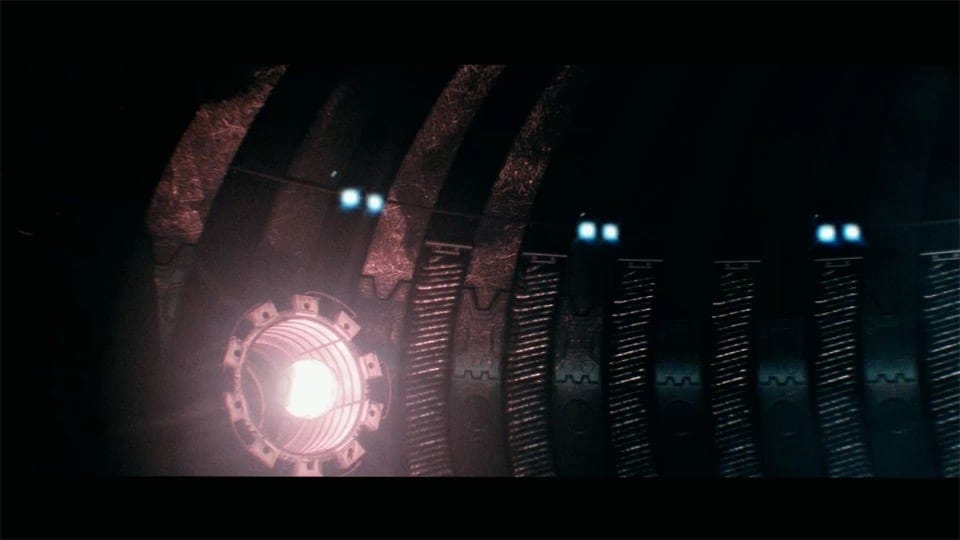
A huge amount of effects were needed to get the look of the sphere’s interior when they were ignited correctly, from volumetrics to objects spinning… pretty nice.
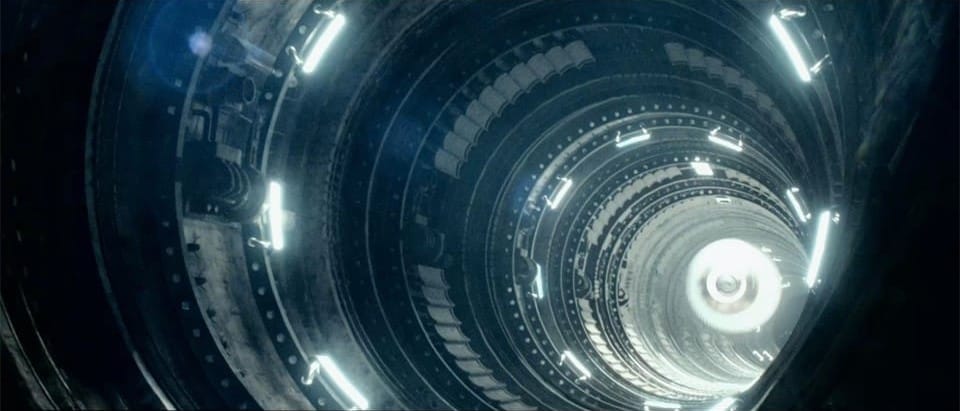
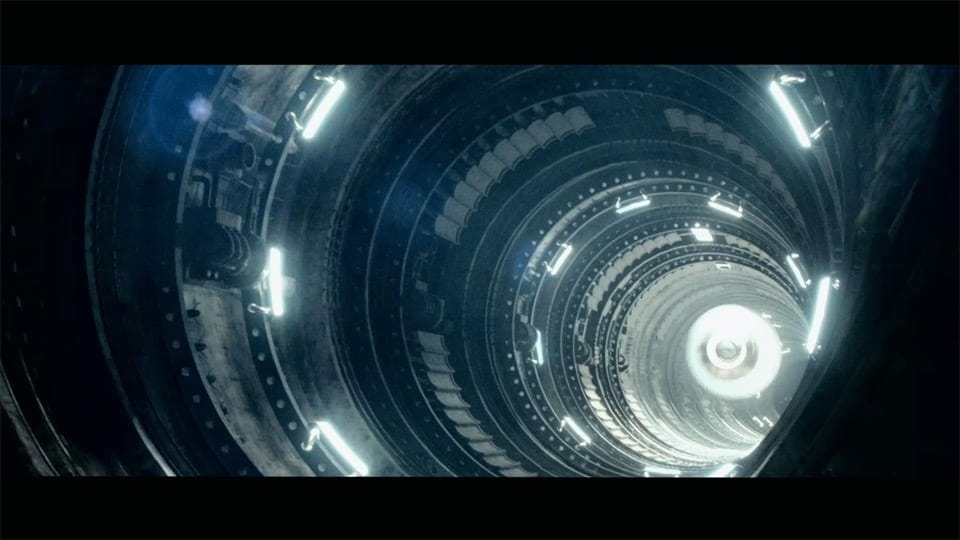
The whole tunnel interior section was handled in a separate way due to production logistics and the required scale of the tunnel, which was three kilometres long to accommodate the effect.]
The tunnel was built out of two different pieces plus a T section, and managing the rendering proved highly time-consuming, and we ended up splitting the journey into two to make the render go through.
Interestingly enough, our basic blocking that was in development from the shoot onwards did prove pretty spot on, and many shots didn’t change at all from the first blocking to the end of the job.
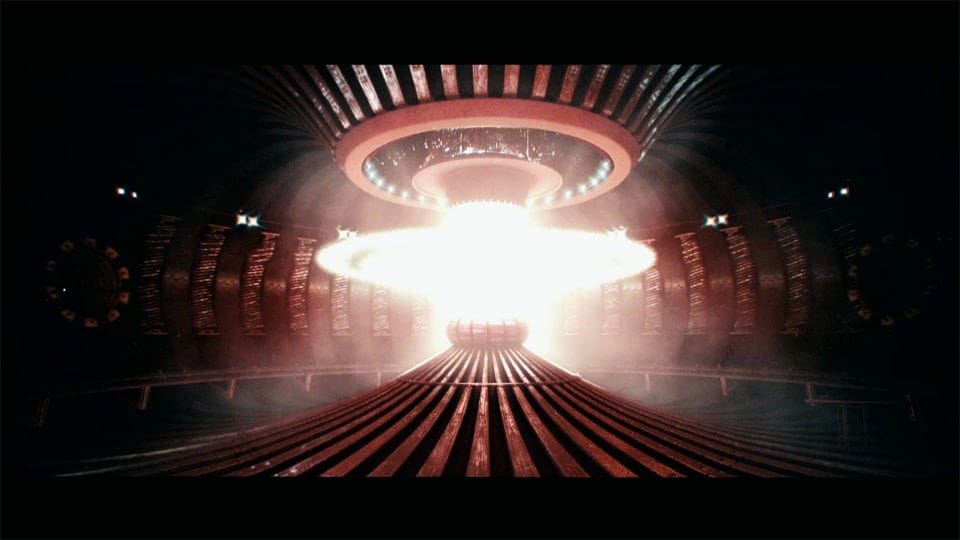
The collision chamber was also another section managed separately as the requirements were very different; ultimately, it was built out of small sections revolving around the Y axis.
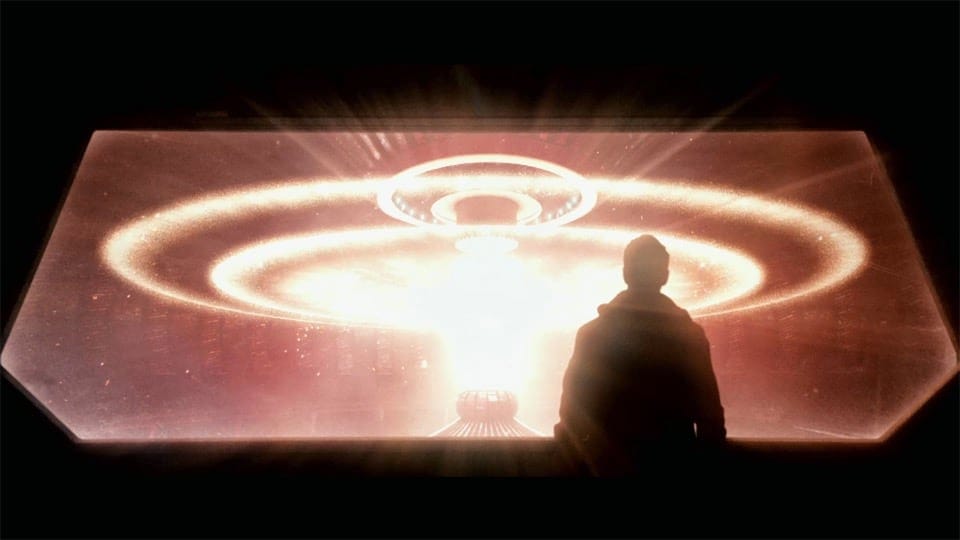
And the explosion was handled by ICE using XSI, and gave us tremendous power to get the required effect. It didn’t take long to produce, but the scale was something we struggled to sell, so it was only at the end when we suggested playing with the audio as if it were a vacuum to really sold the scale of the chamber.
The link has been copied!
Your link has expired. Please request a new one.
Your link has expired. Please request a new one.
Your link has expired. Please request a new one.
Great! You've successfully signed up.
Great! You've successfully signed up.
Welcome back! You've successfully signed in.
Success! You now have access to additional content.