Considering that one in every two people will be diagnosed with cancer in their lifetime, I can't think of a more relevant campaign I have been part of. This is not a distant statistic — that's colleagues, friends, family members, and quite possibly you or me.
Director: Niclas Larsson
Prod. Company: Iconoclast Germany
Agency: Publicis Conseil
Client: Working With Cancer
Considering that one in every two people will be diagnosed with cancer in their lifetime, I can't think of a more relevant campaign I have been part of, this is not a distant statistic — that's colleagues, friends, family members, and quite possibly you or me.
It's against that backdrop that the Publicis Foundation did launch something genuinely significant: the first cross-industry coalition dedicated to erasing the stigma of cancer in the workplace. In the UK, the initiative is supported by Working With Cancer and Macmillan Cancer Support, two organisations that understand the reality of this issue from the ground up.
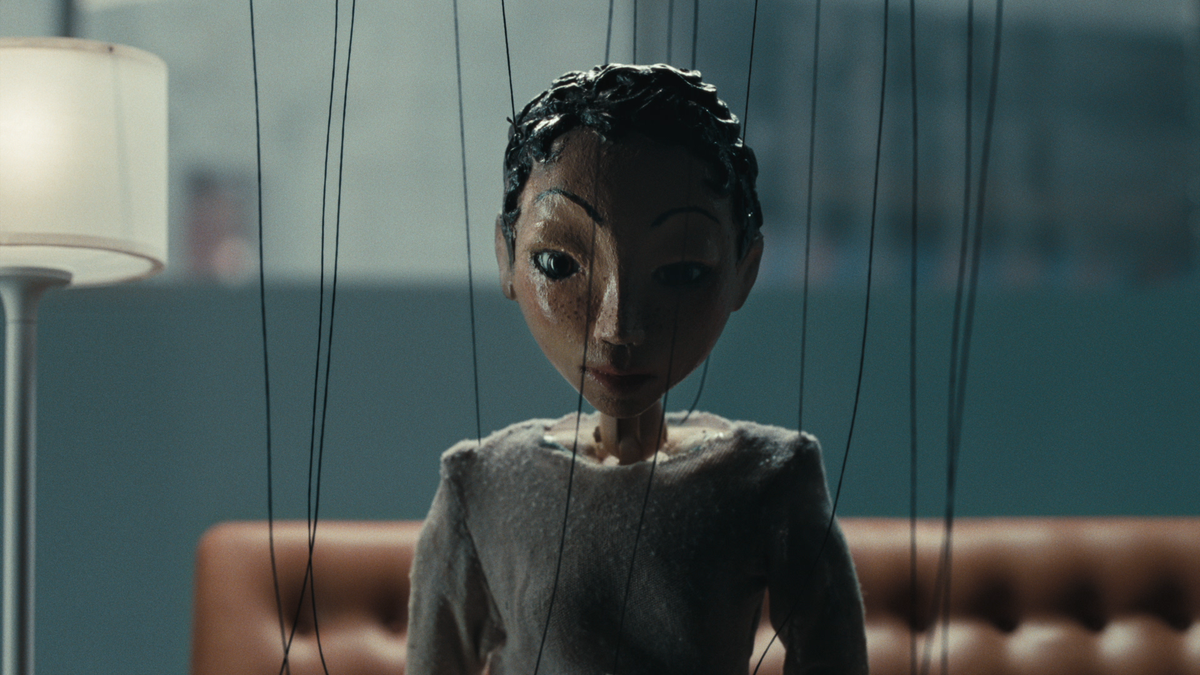
At the heart of the campaign is a film called Monday. It doesn't look away. It depicts the experience of living with cancer at work with honesty and care — the anxiety, the isolation, and the profound difference that real workplace support can make. What gives the film its particular weight is who made it: many of the crew are cancer survivors and caregivers themselves, bringing a personal authenticity that no brief could manufacture.
The message is simple but important. If half of us will face a cancer diagnosis, then all of us have a responsibility to show up for those who are going through it now. That means employers, colleagues, and industries working together to make sure nobody has to navigate cancer at work alone.
The coalition already has the backing of over 200 organisations — from Adobe and Google to Unilever, Disney, Microsoft, L'Oréal, Macmillan, Barclays, and many more — which signals something real: this is a conversation that business is ready to have.
We were proud to play a part in bringing this campaign to life, and we hope it moves the needle in the way it deserves to.
Our brief to ourselves was straightforward: don't get in the way of the story.
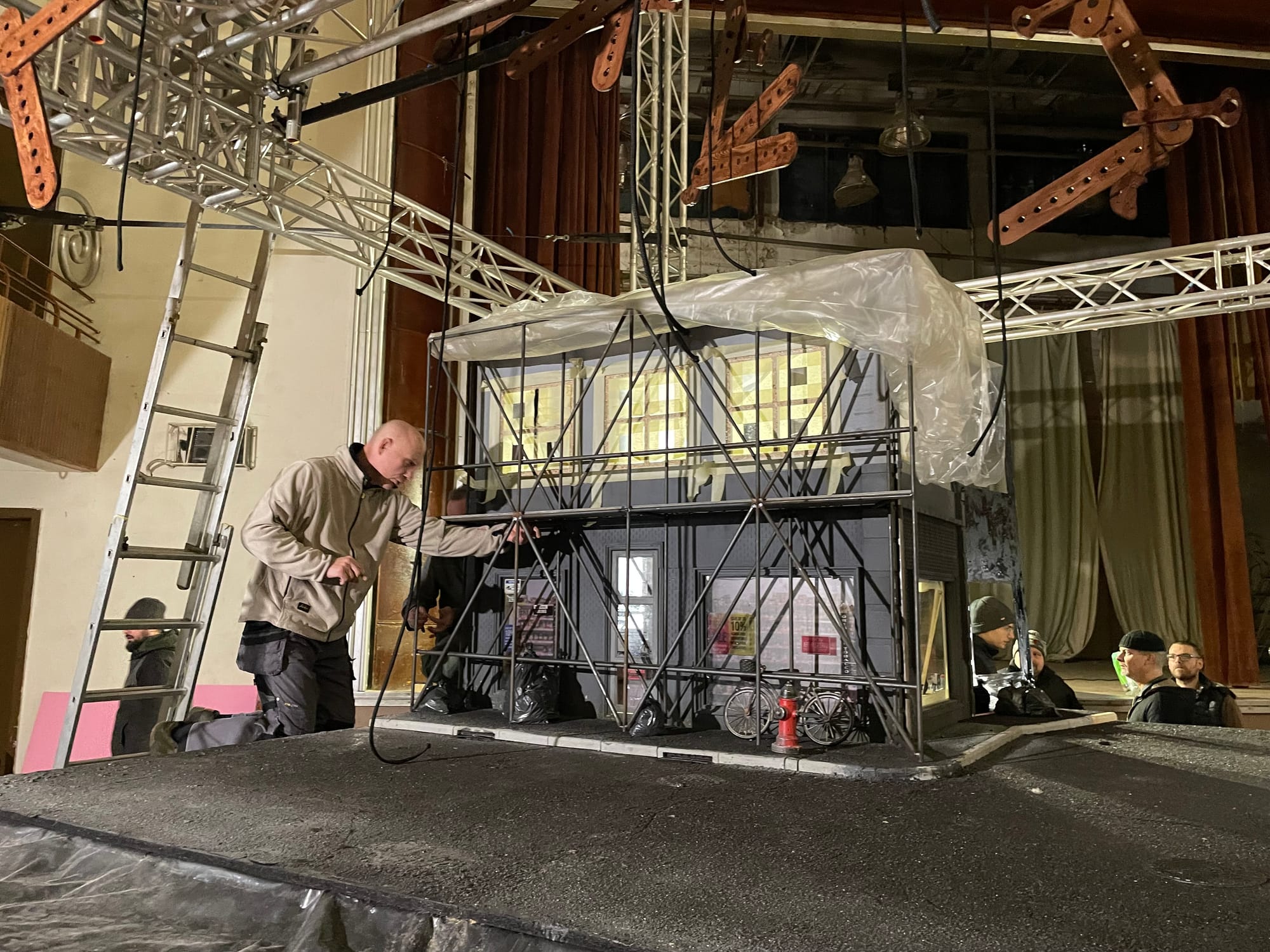
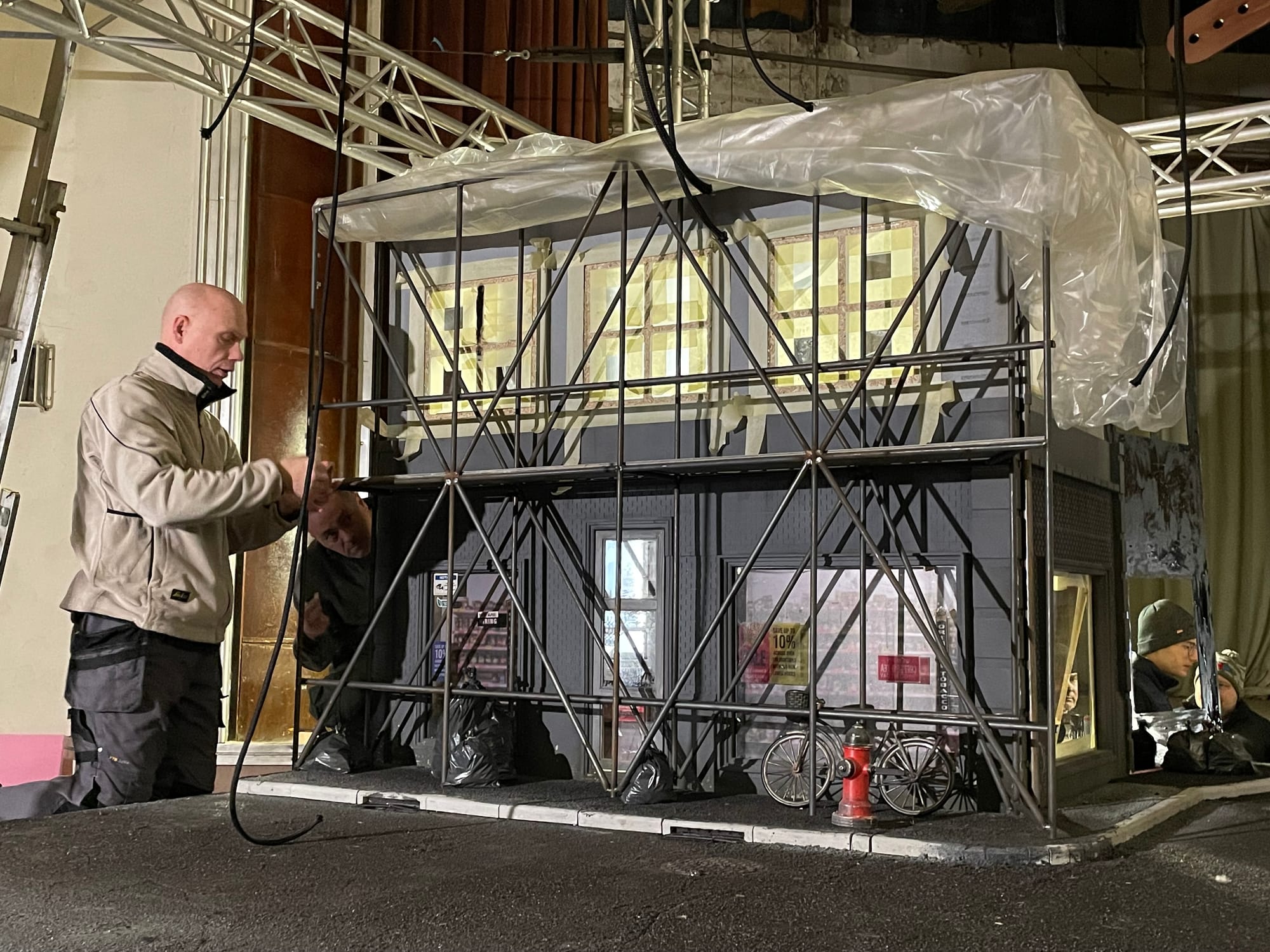
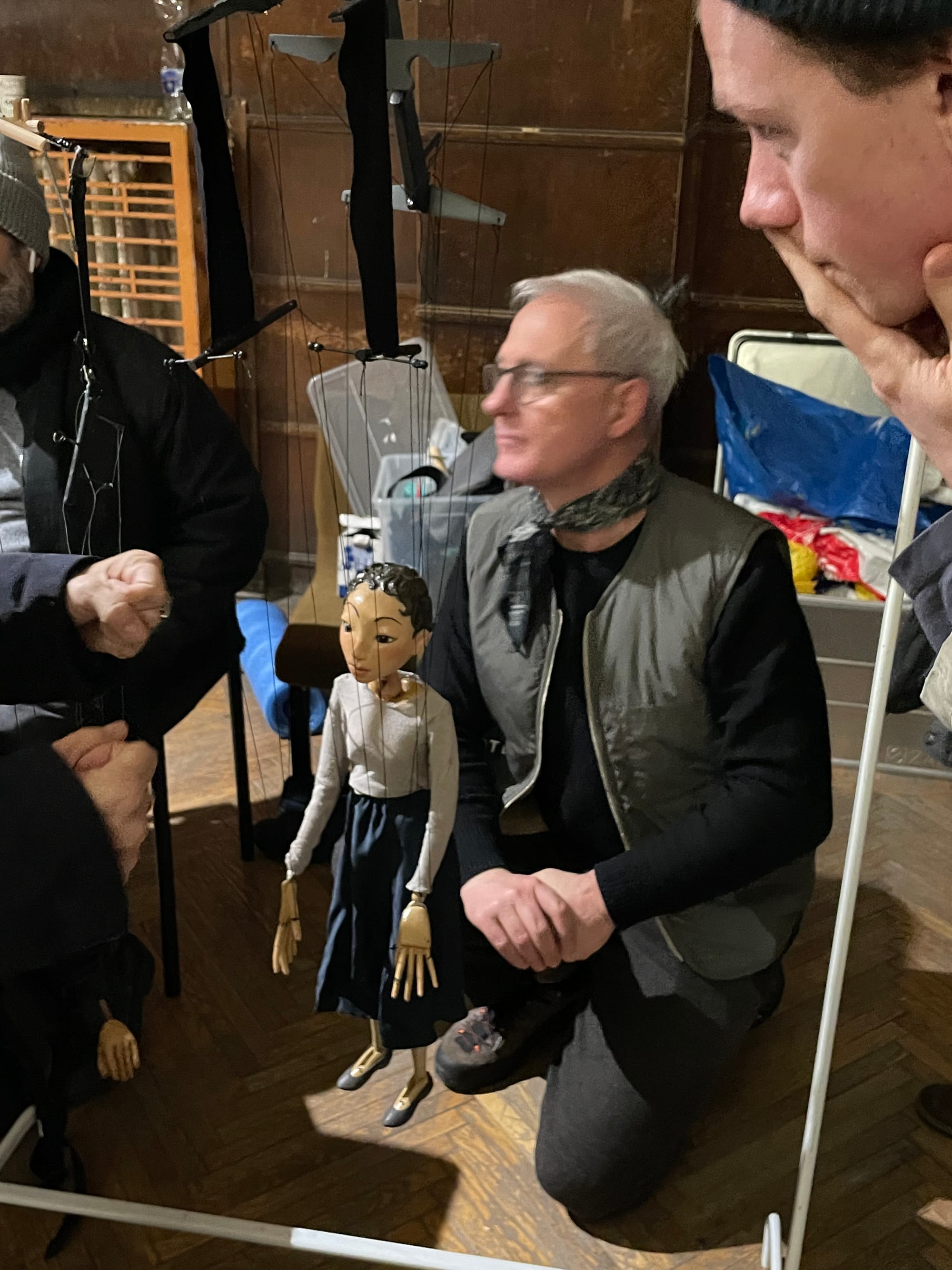
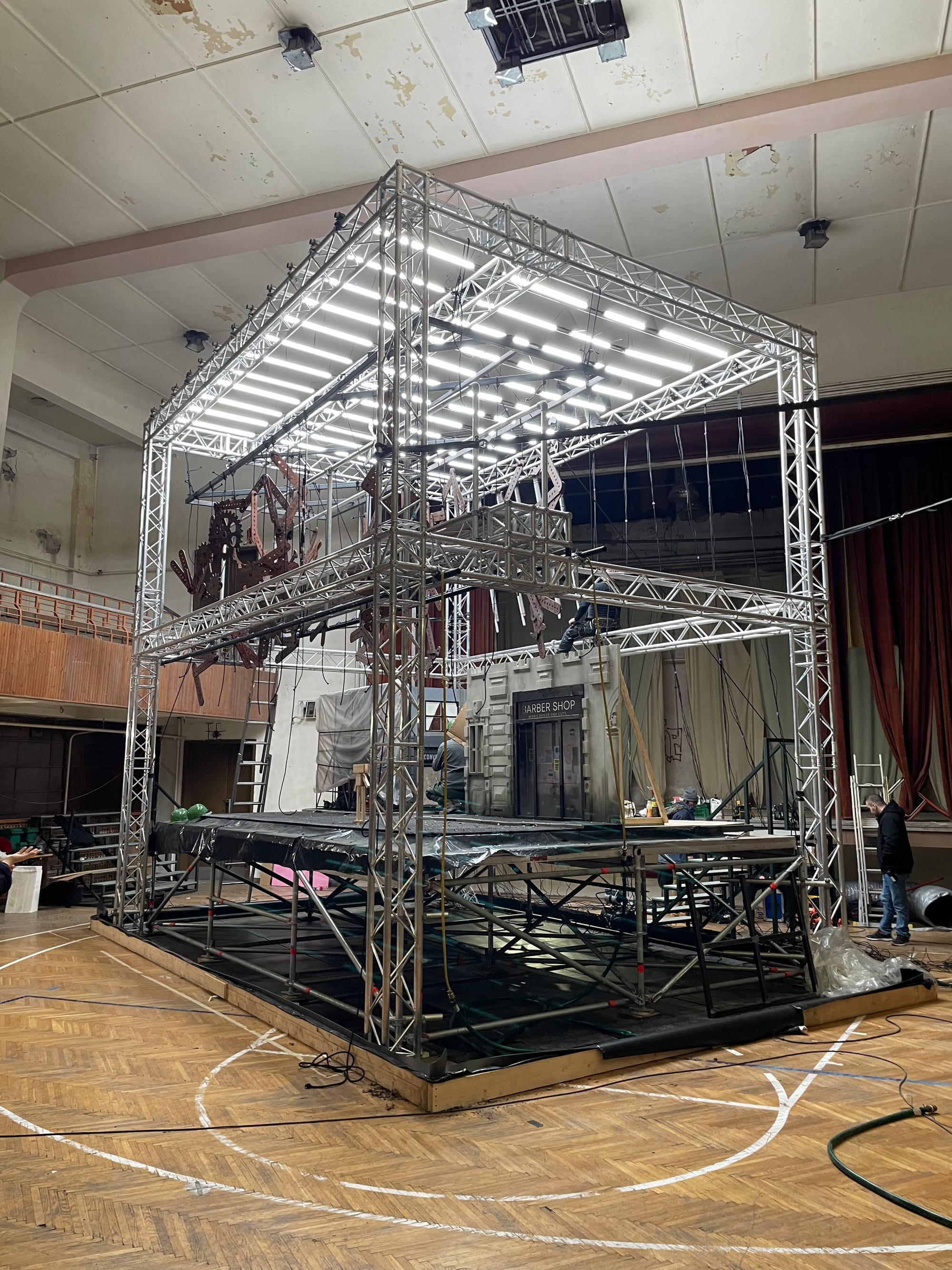
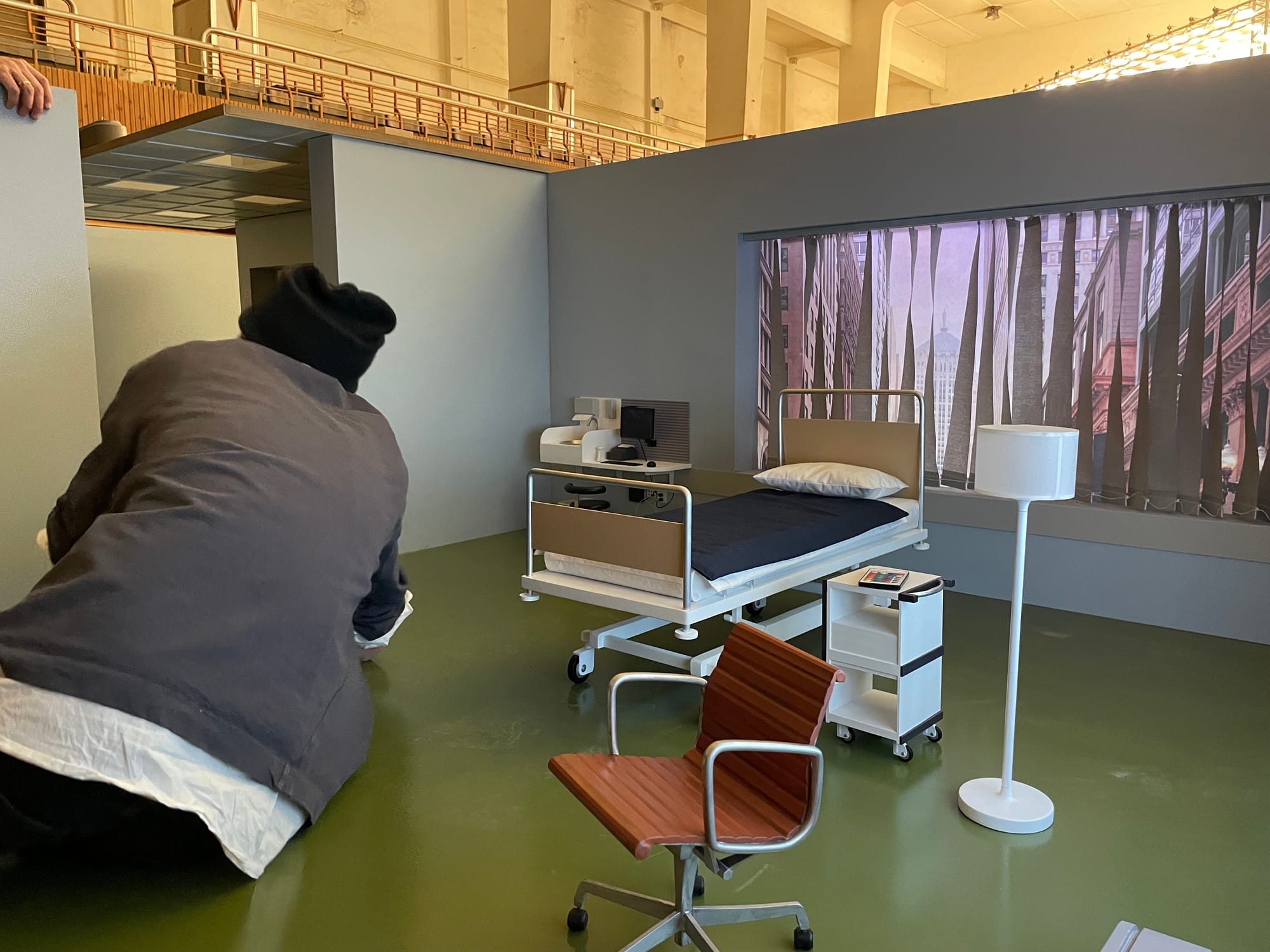
This wasn't a project for visual spectacle or CGI showmanship. Niclas came to us with something genuinely human, and the only honest response was to keep our footprint as light as possible — which meant avoiding visual effects almost entirely, and where we did intervene, doing so with real craft and subtlety.
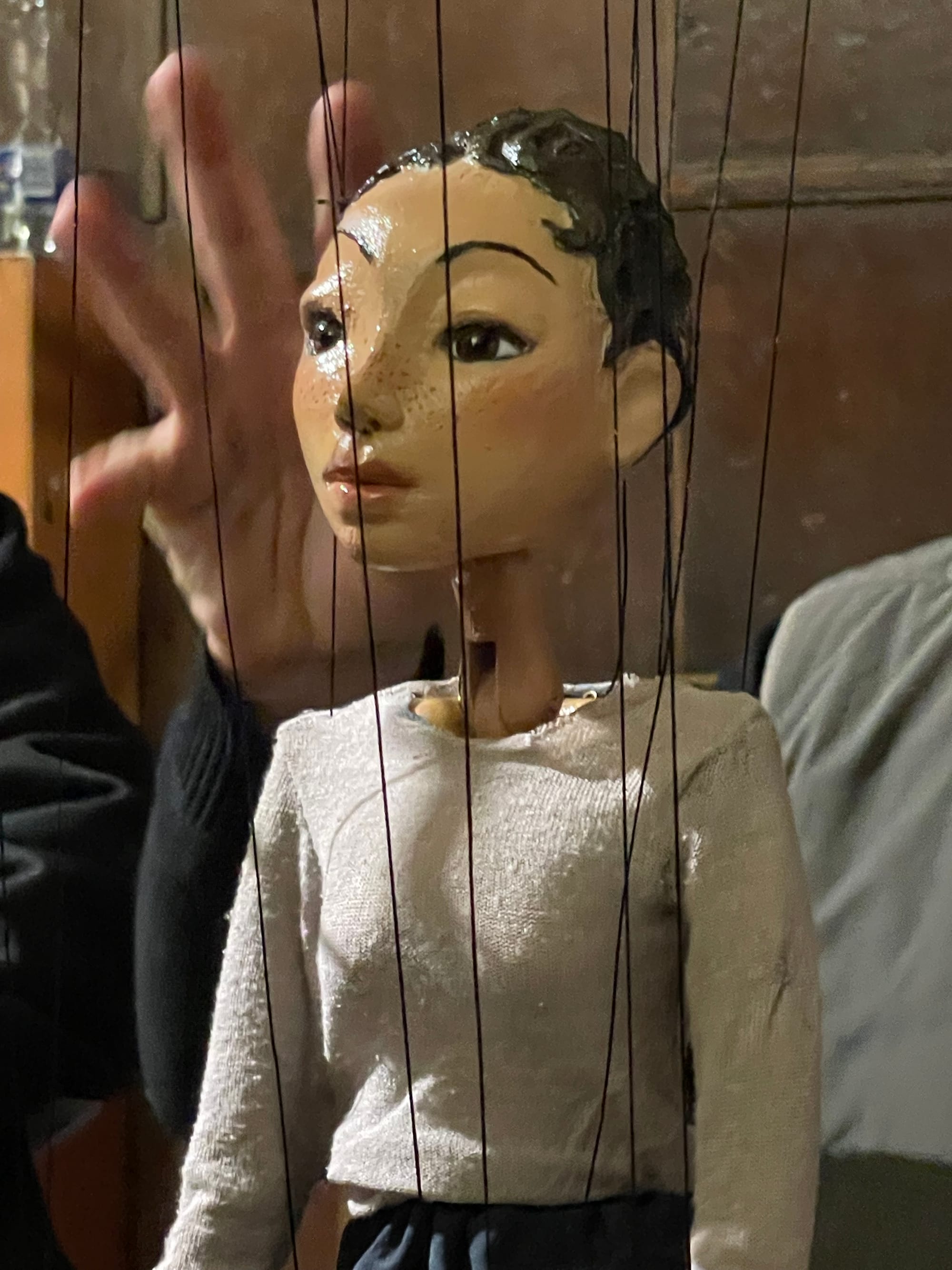
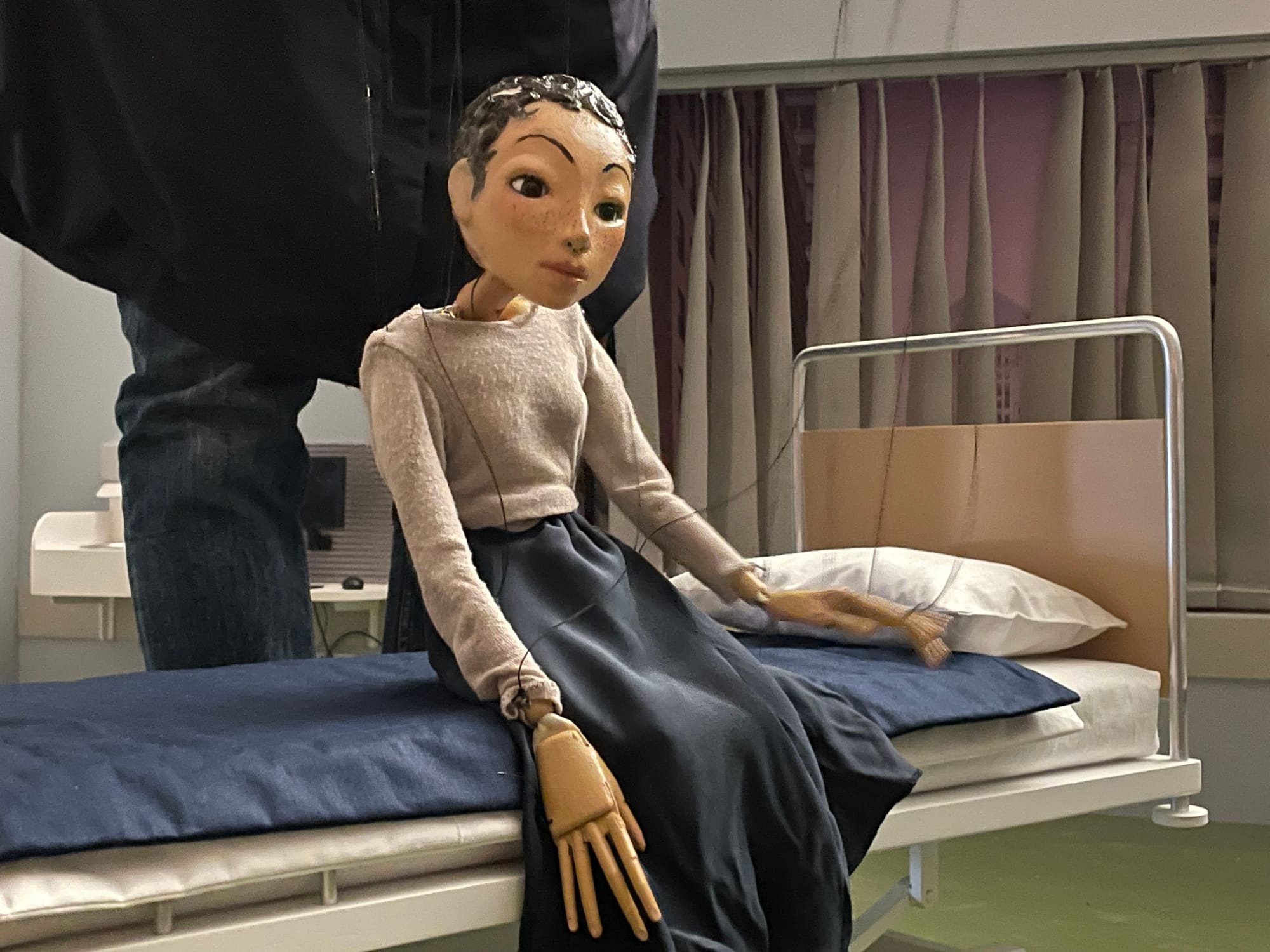
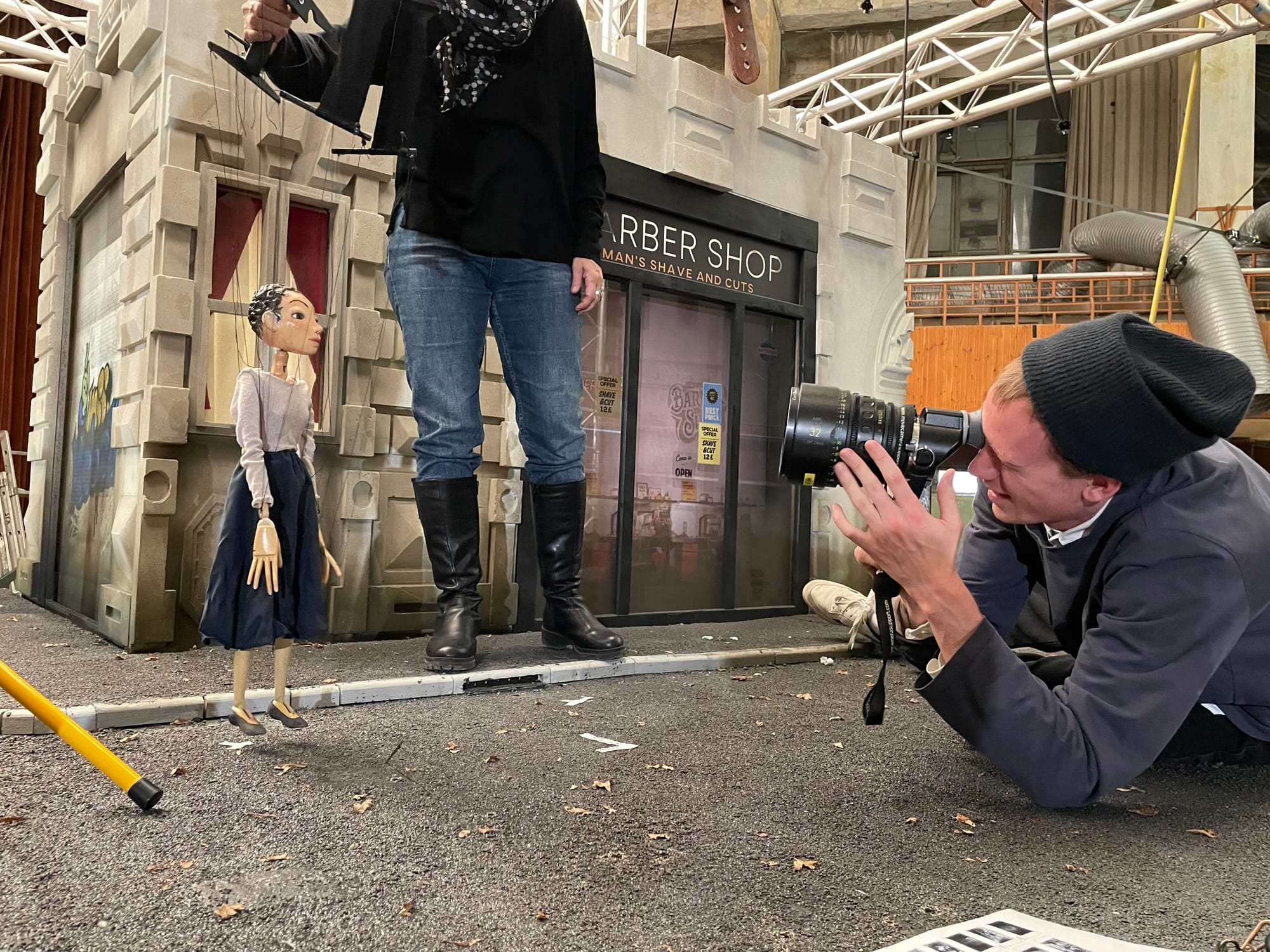
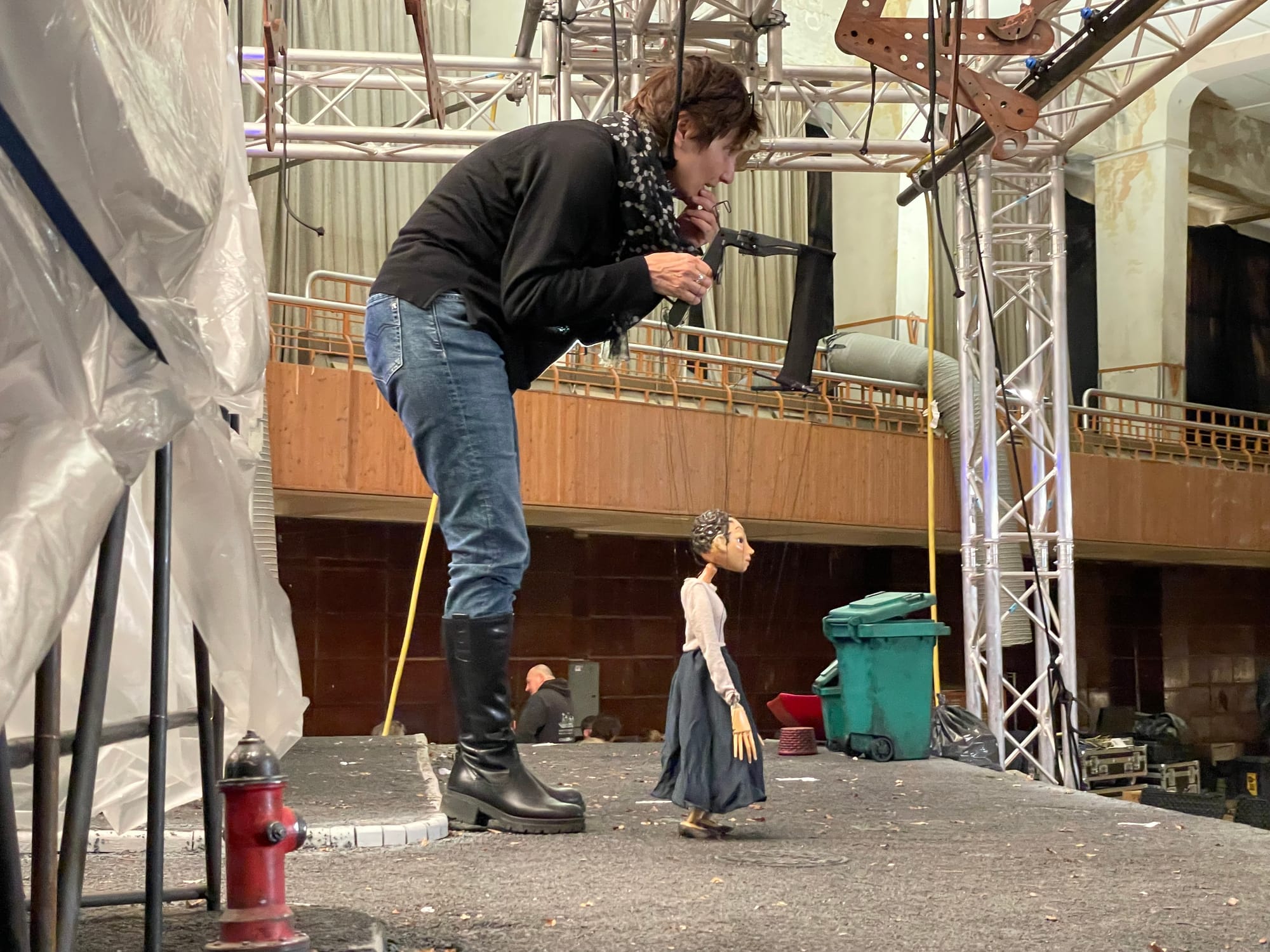
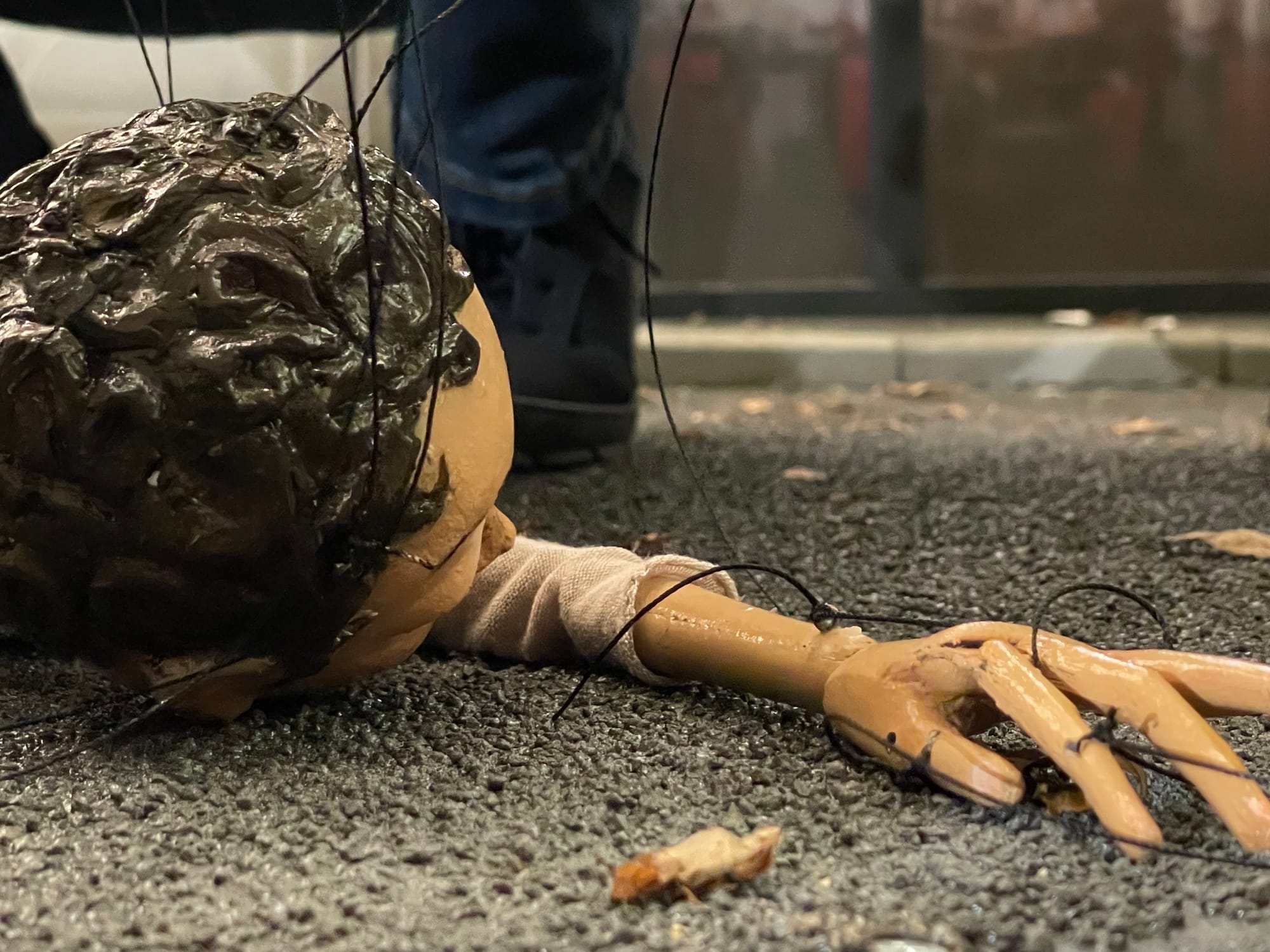
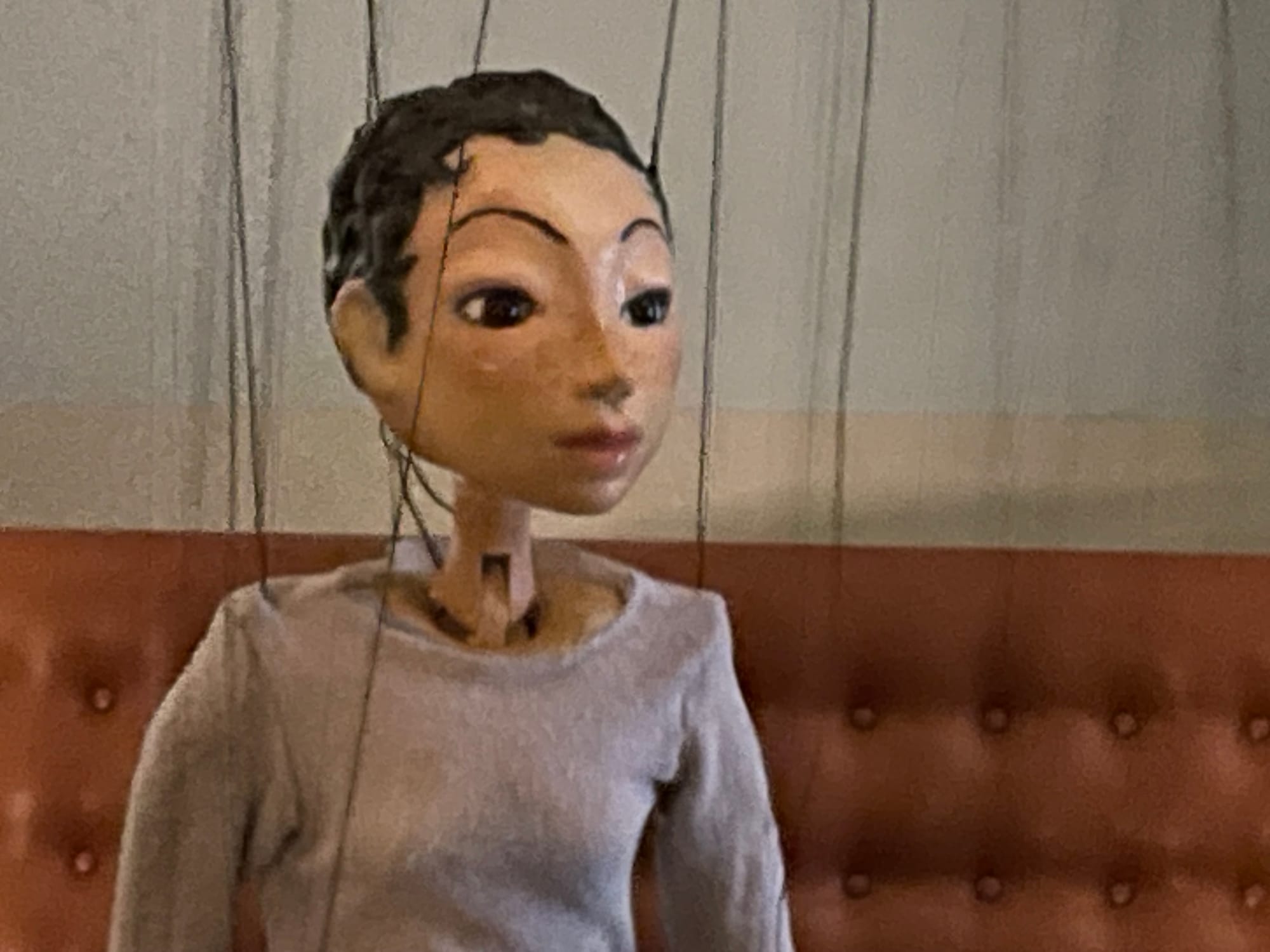
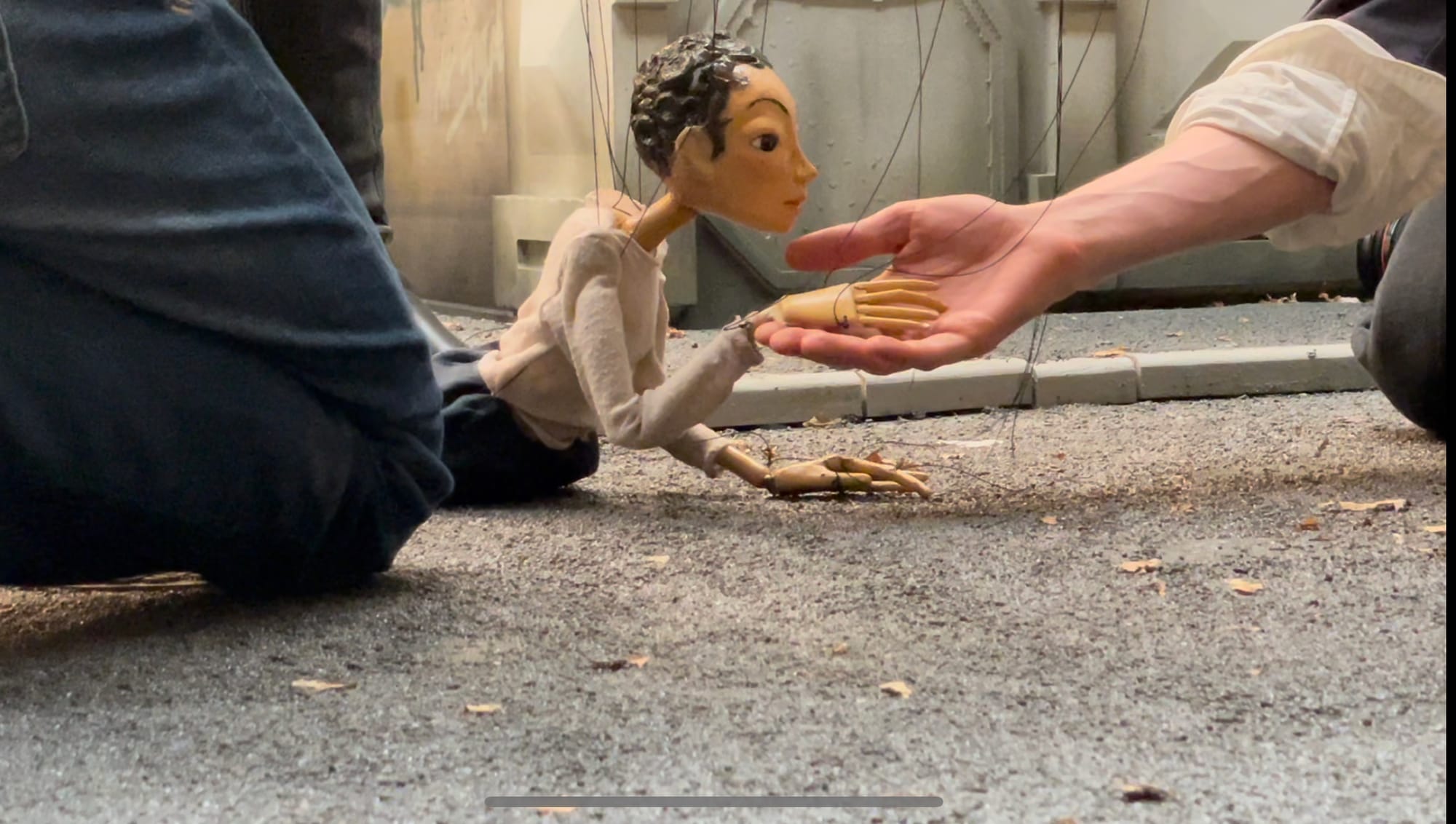
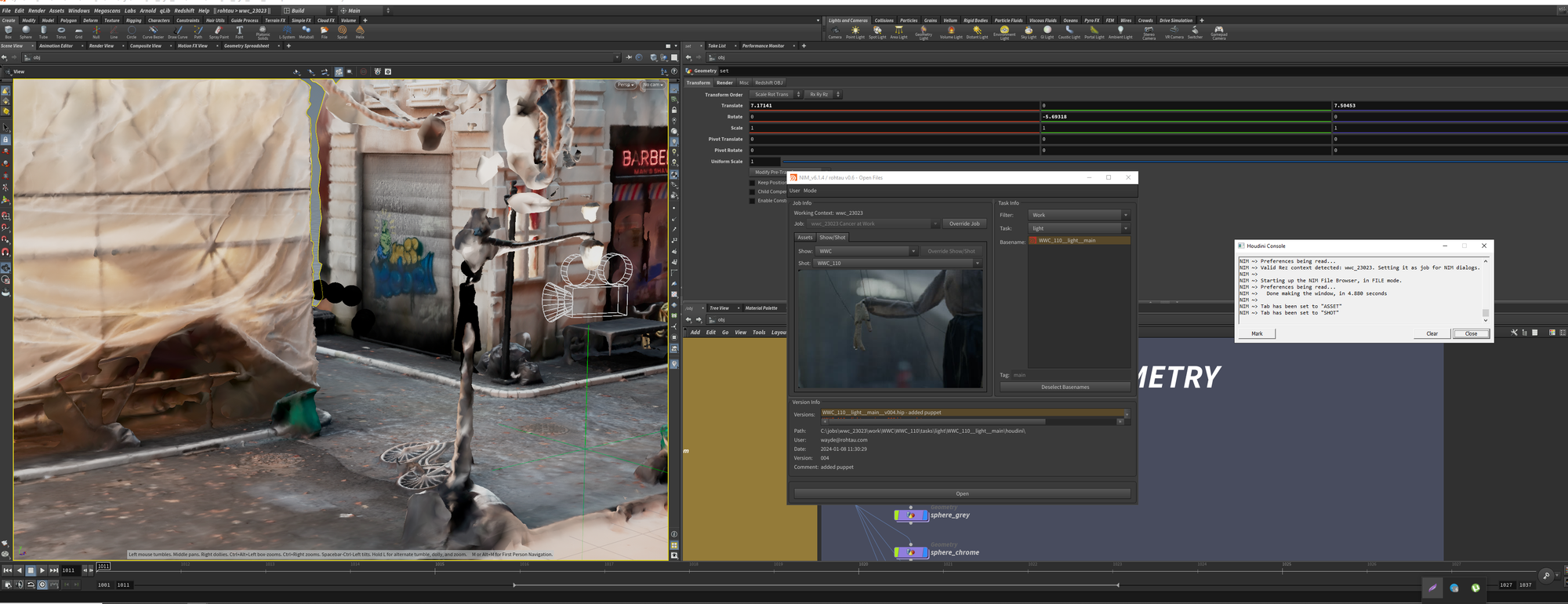
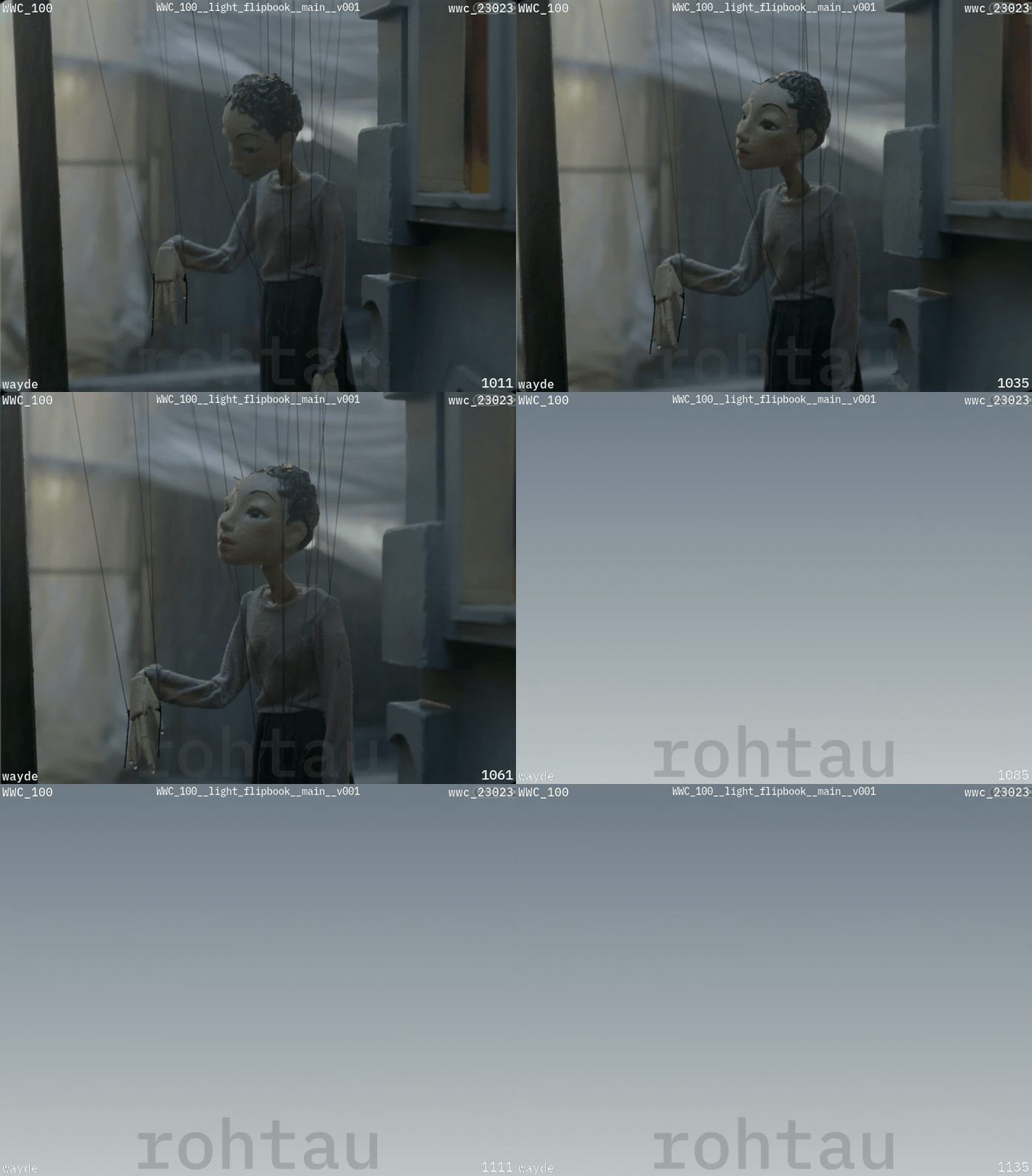
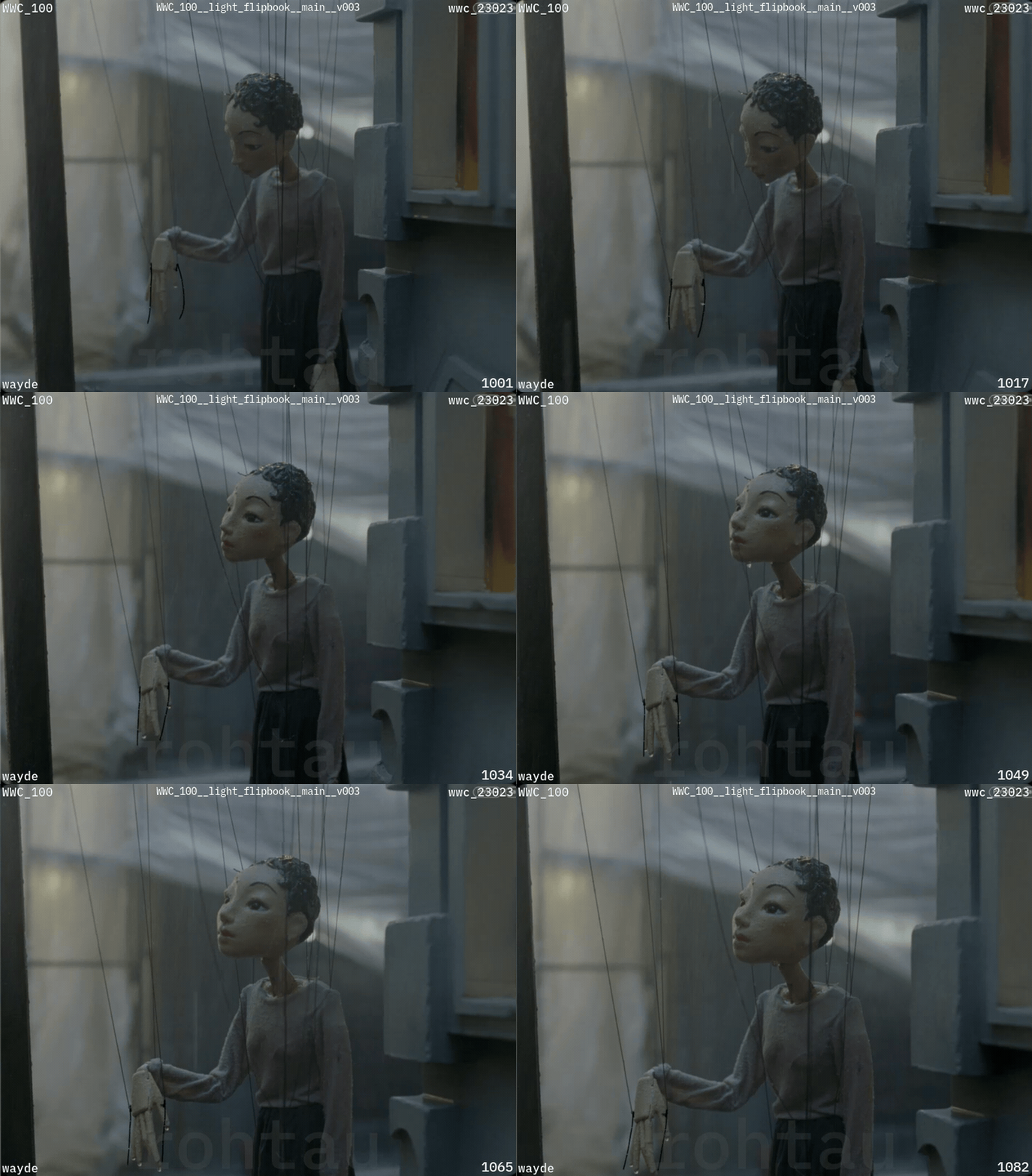
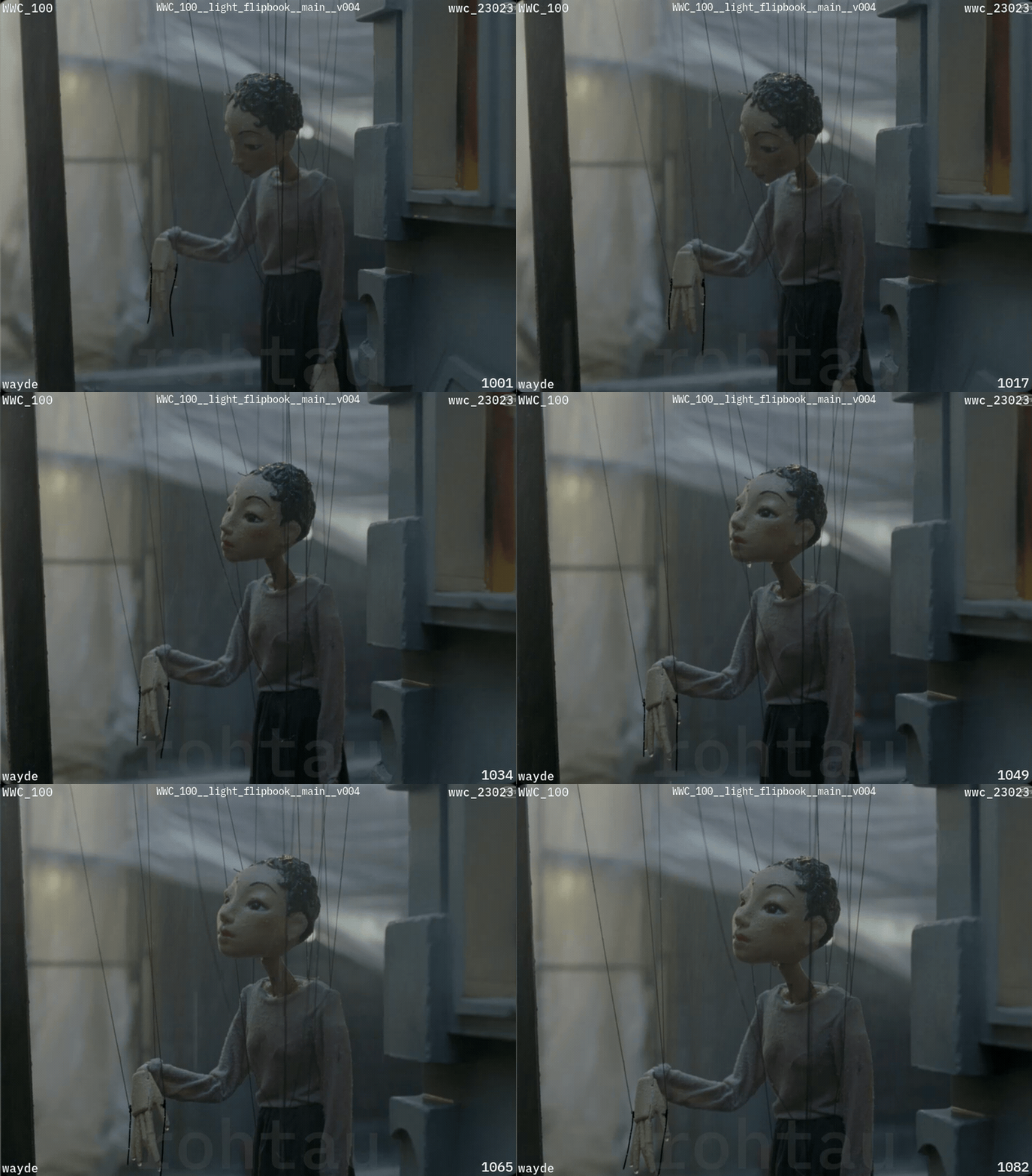
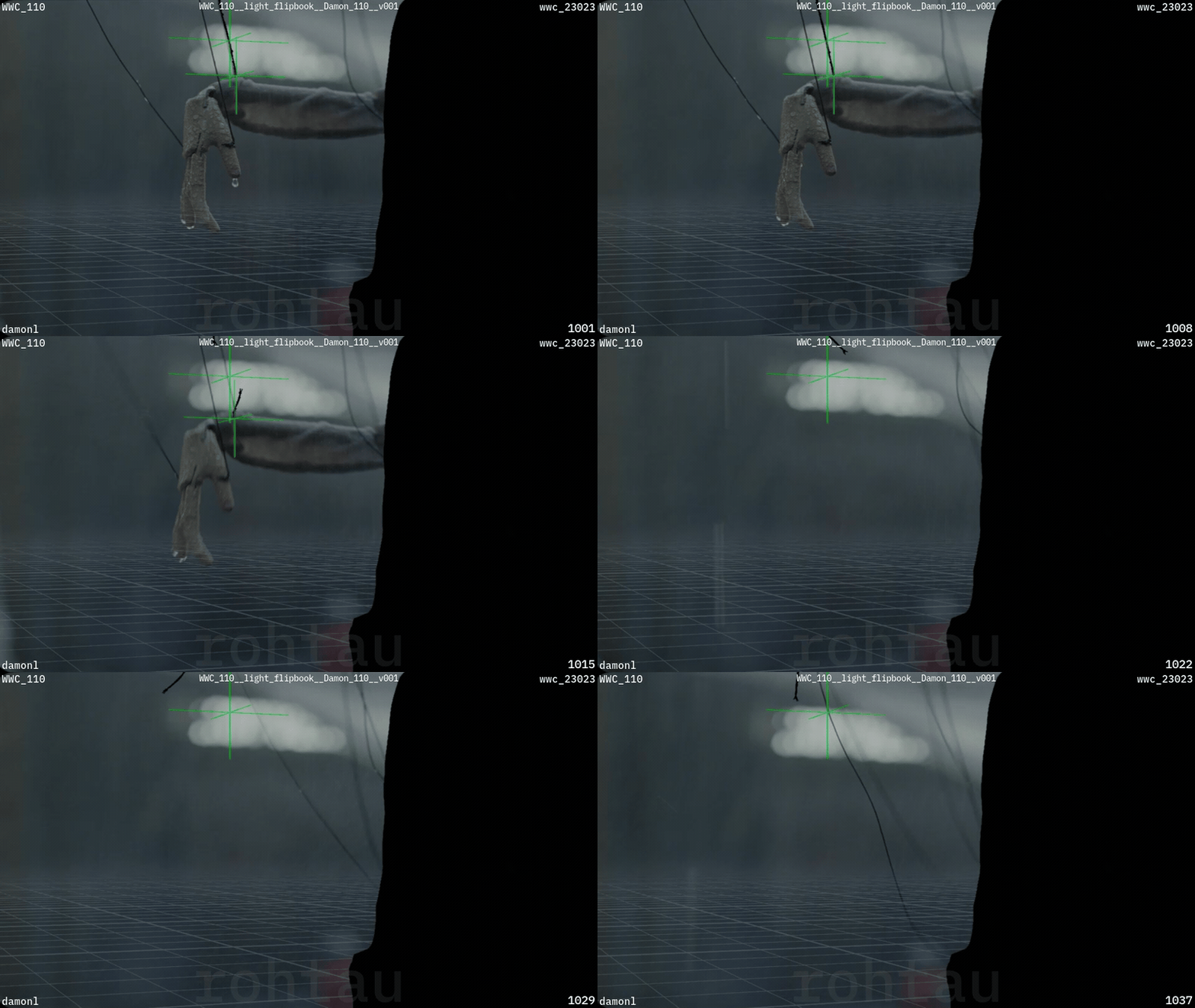
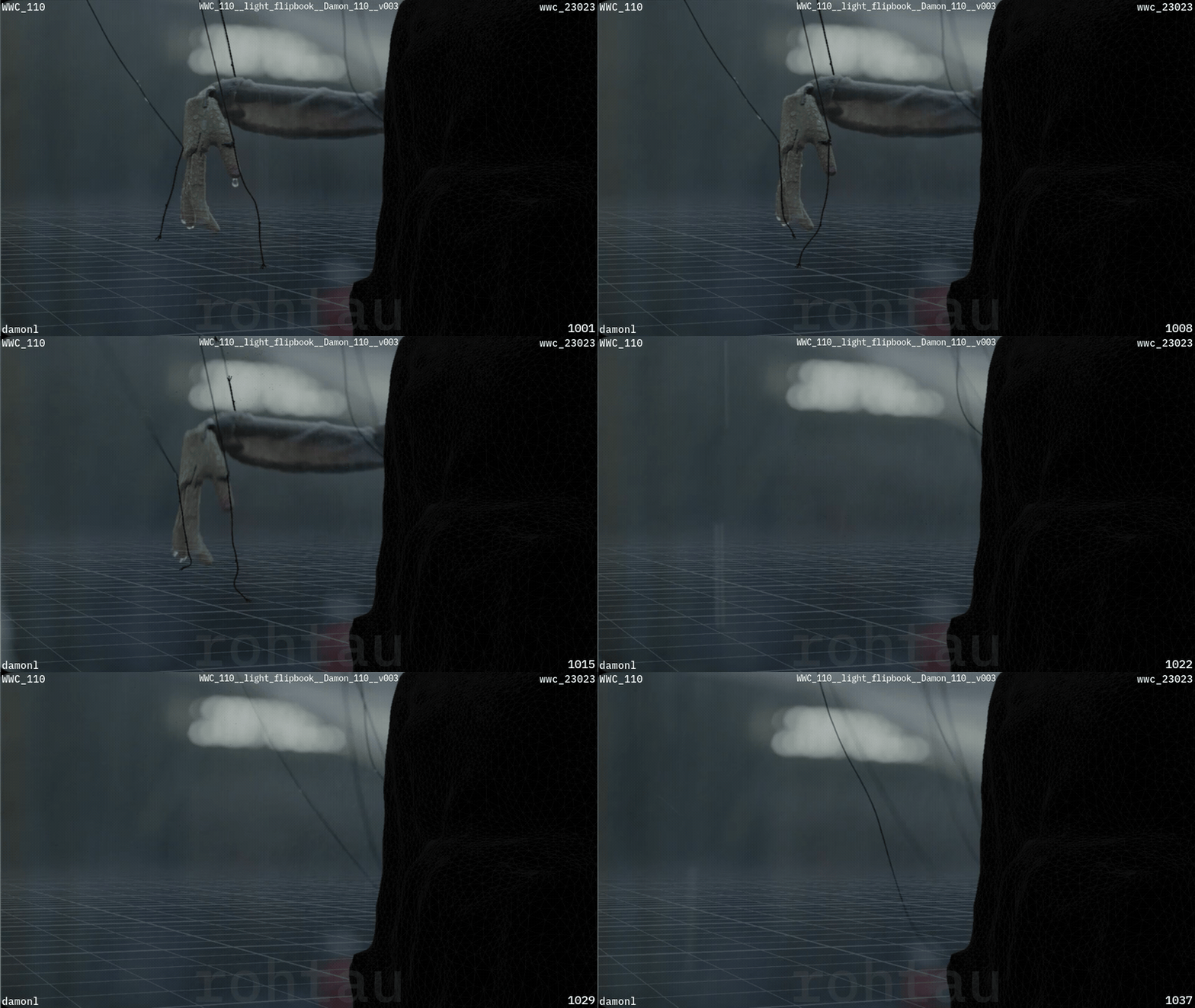
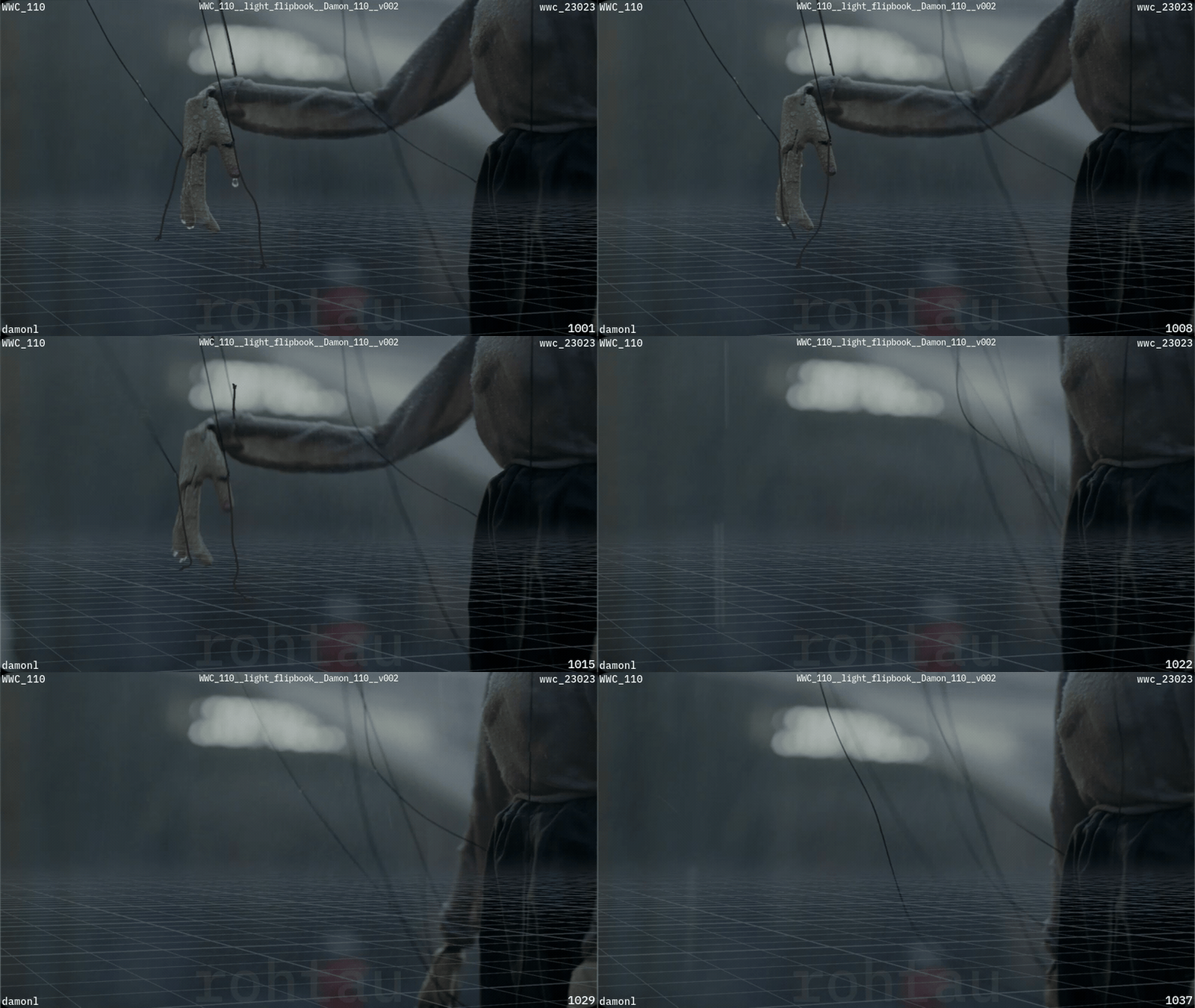
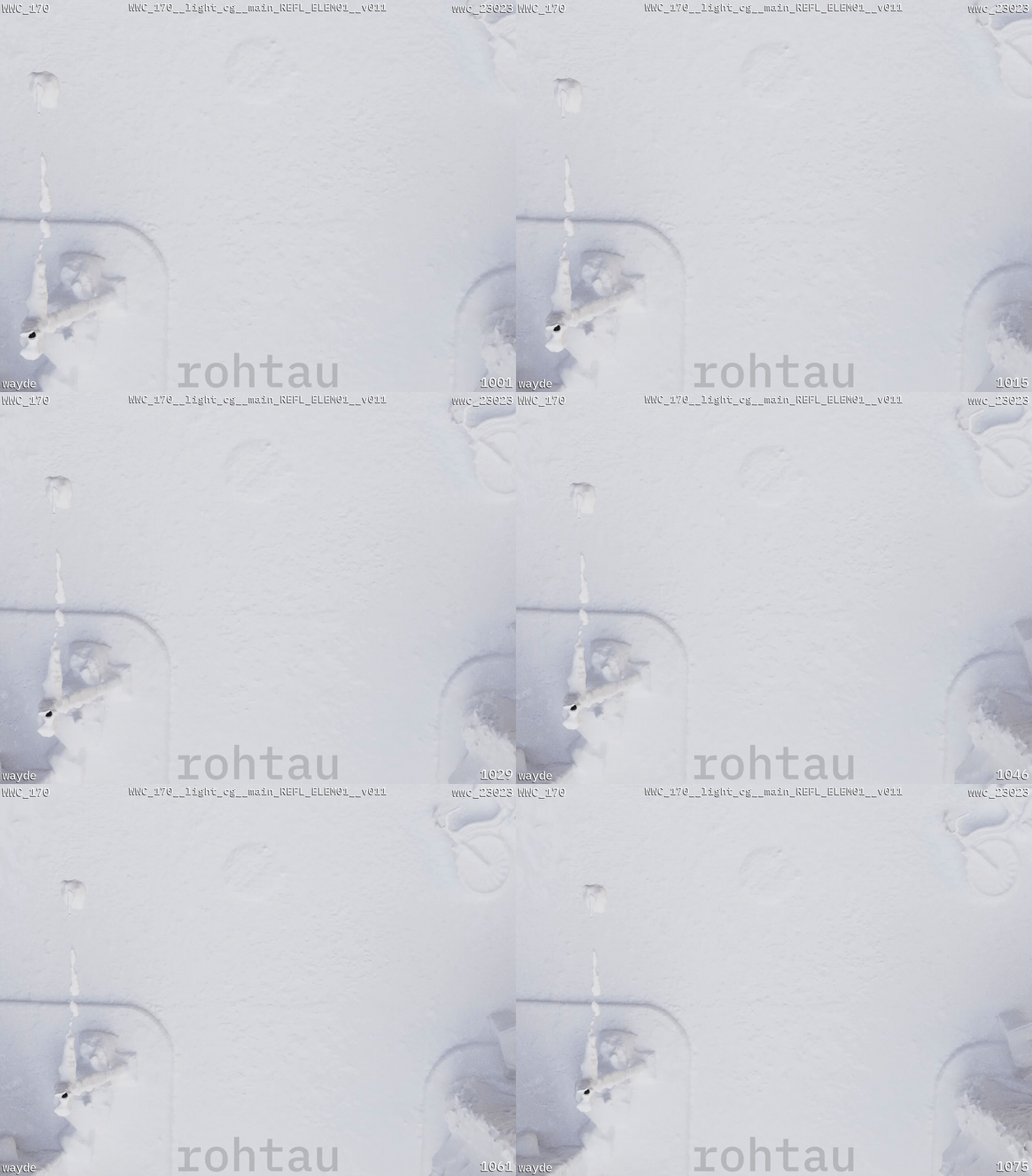
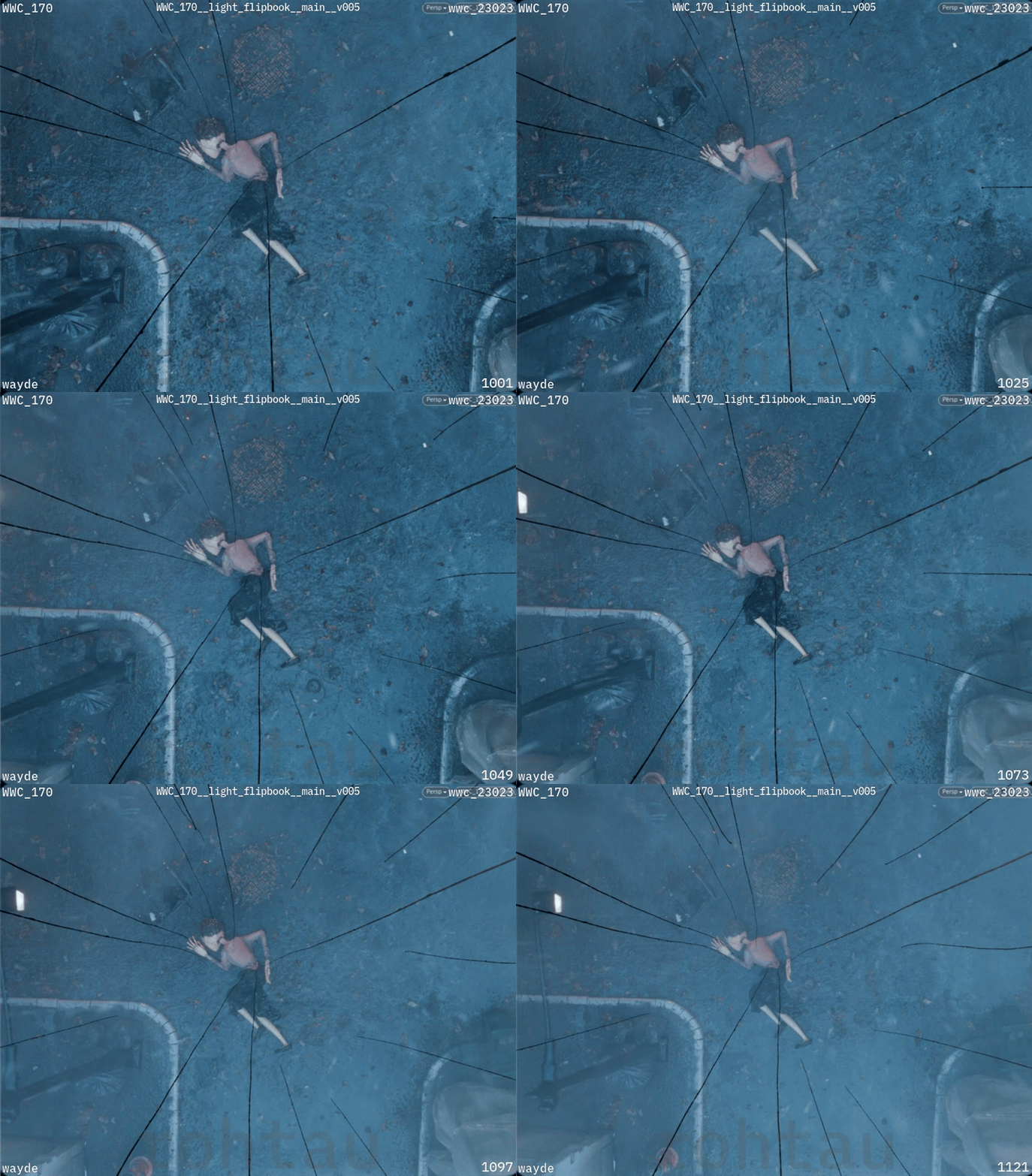
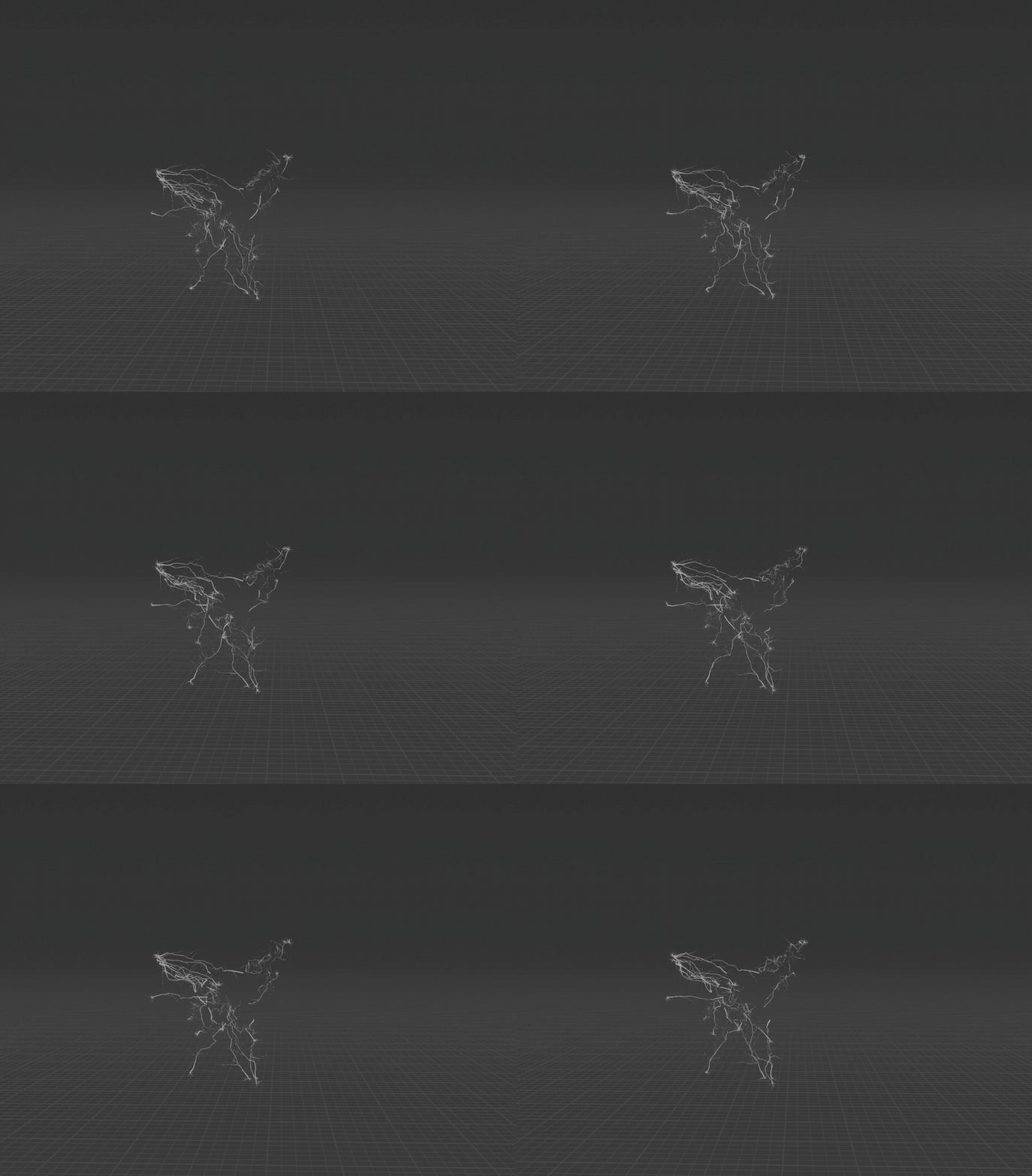
The result is something that might surprise people. What you're seeing on screen is a real puppet. The strings are real. The only thing we removed was the puppeteer — digitally reconstructing the strings in CGI so they could exist without the hands controlling them. It's a precise and important distinction: we didn't replace the puppet, we liberated it.
That choice kept everything grounded. The film never tips into artifice or caricature. The message stays clear, the emotion stays intact, and a very difficult subject is treated with the honesty and respect it deserves.
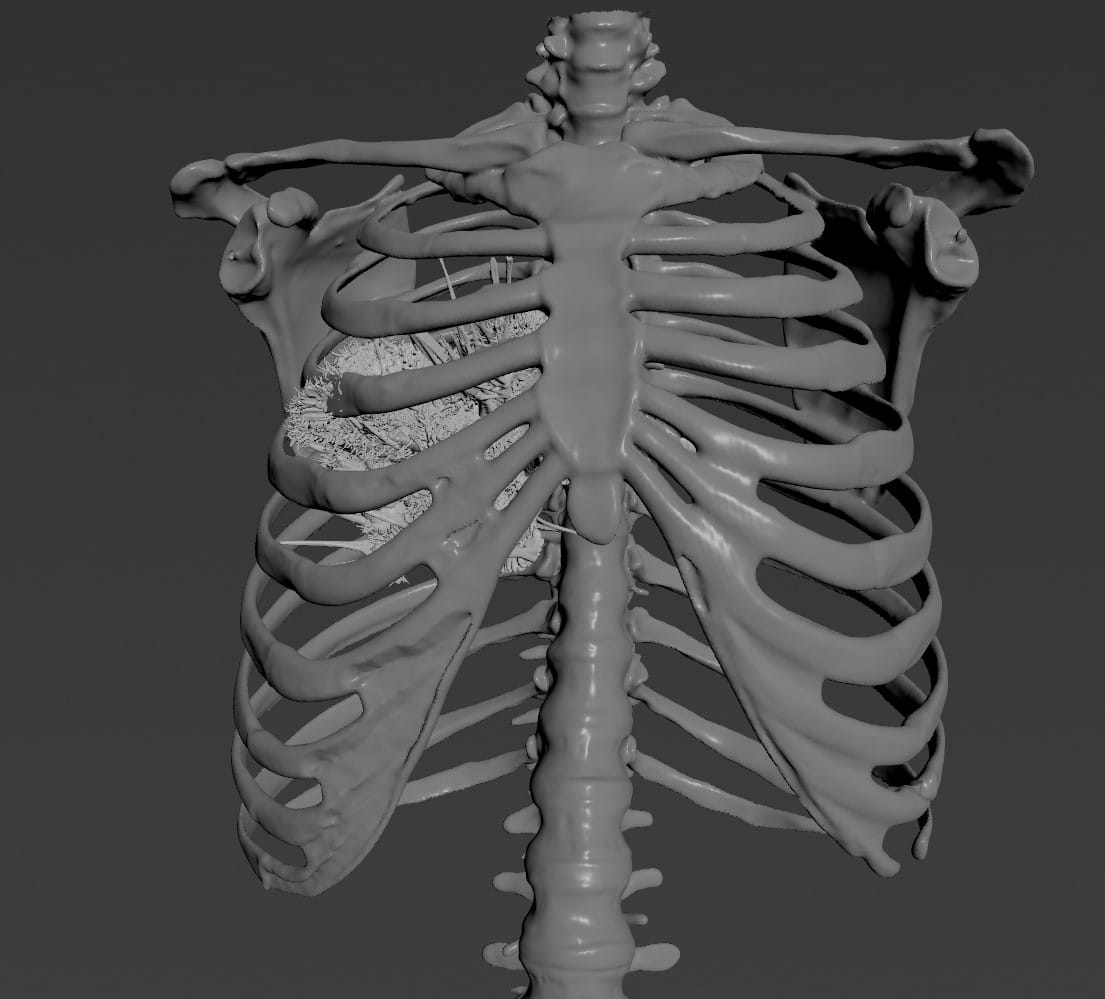
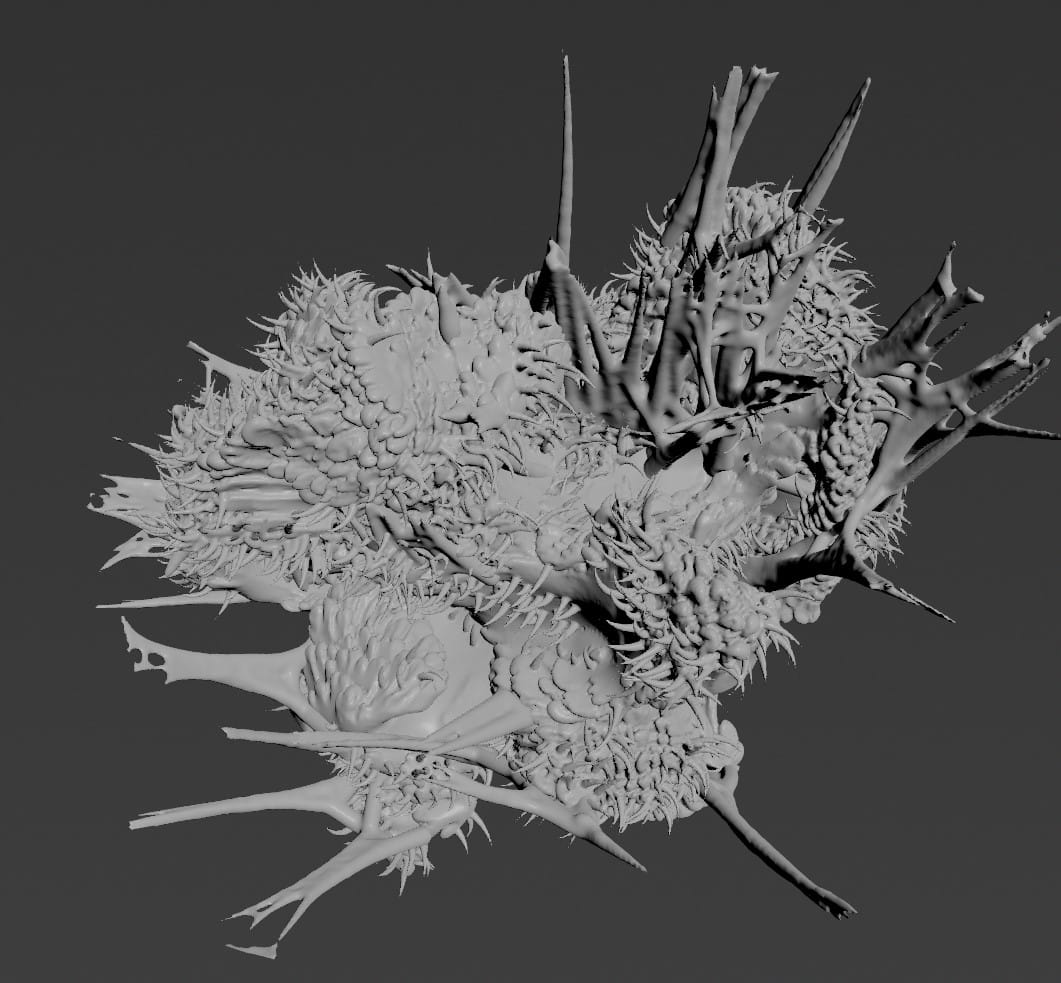
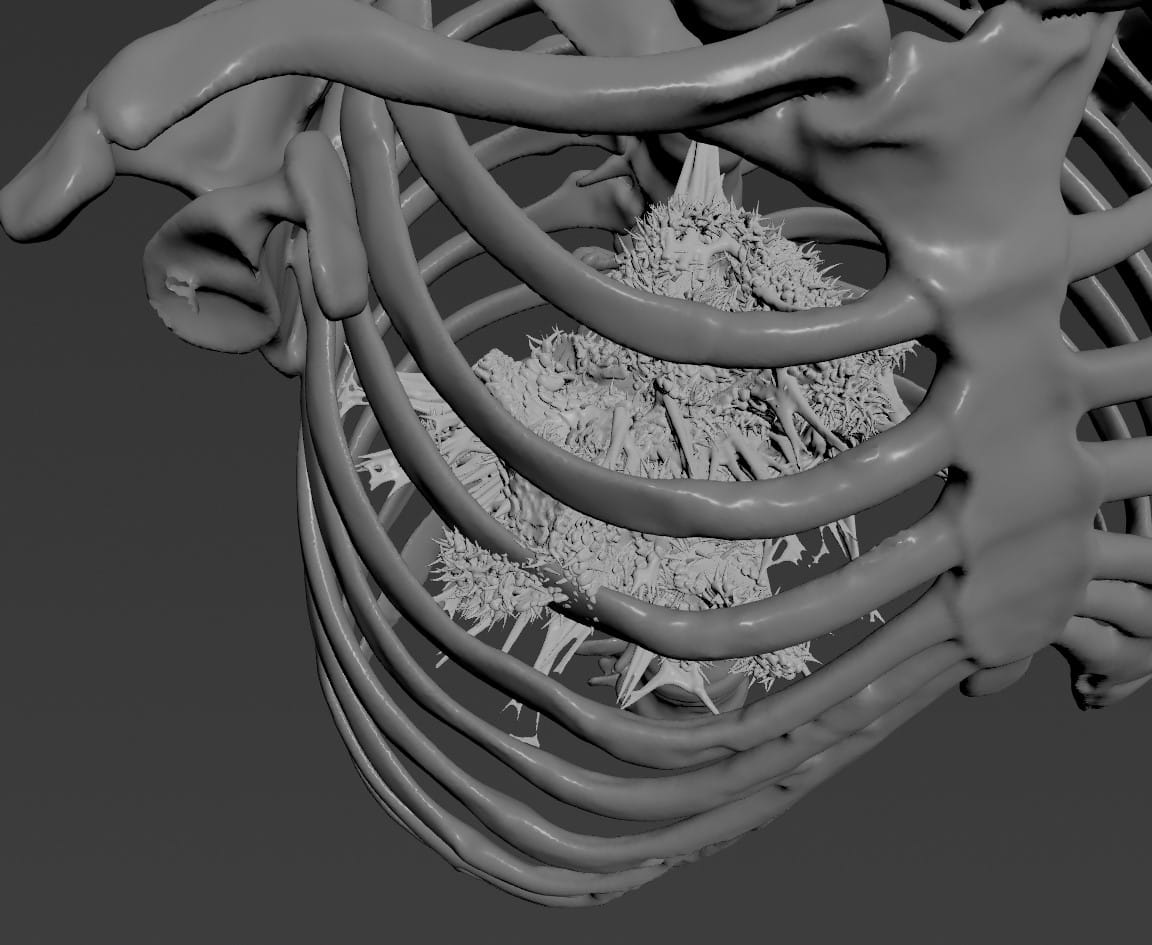
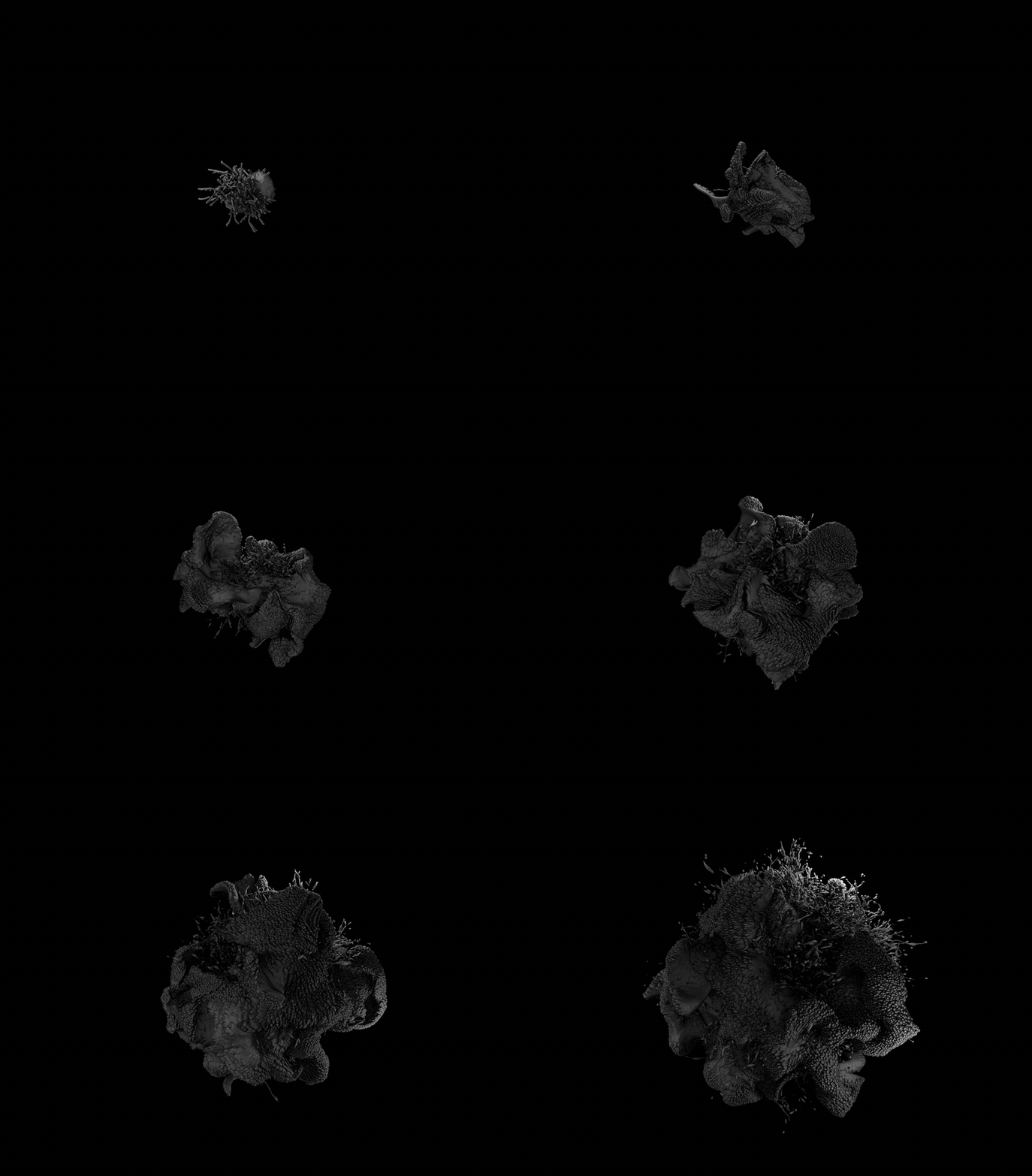
The one moment where CG earned its place was the X-ray sequence — watching the cancer grow. Rather than depicting it clinically or literally, we used volumetric simulation to give it a more poetic quality: something that felt organic and unsettling in equal measure, growing with a weight that matched the emotional tone of the film.
I want to thank once again Niclas and Iconoclast for the trust, because this was a film that required the ultimate finesse.
The link has been copied!
Your link has expired. Please request a new one.
Your link has expired. Please request a new one.
Your link has expired. Please request a new one.
Great! You've successfully signed up.
Great! You've successfully signed up.
Welcome back! You've successfully signed in.
Success! You now have access to additional content.