Director: Juan Cabral Agency: Saatchi & Saatchi London Production: MJZ Client: Visa
An amazing experience to work with such a visionary and the team at MJZ, who managed once again to make look simple the complex production requirements.
The Heart Model
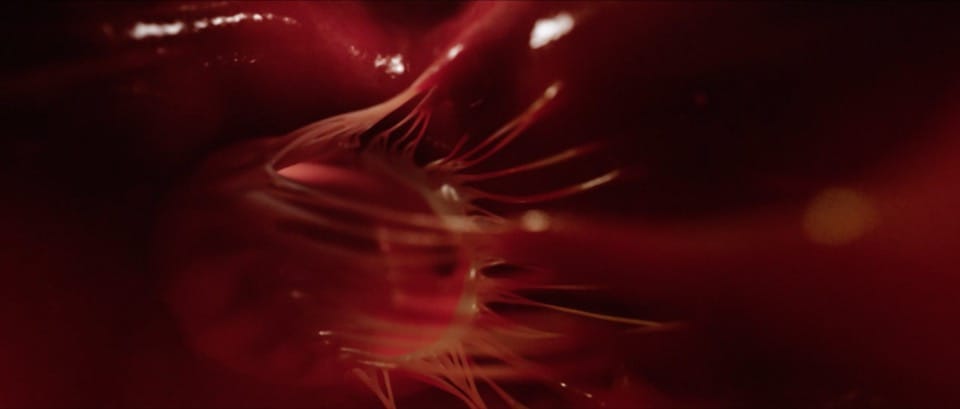
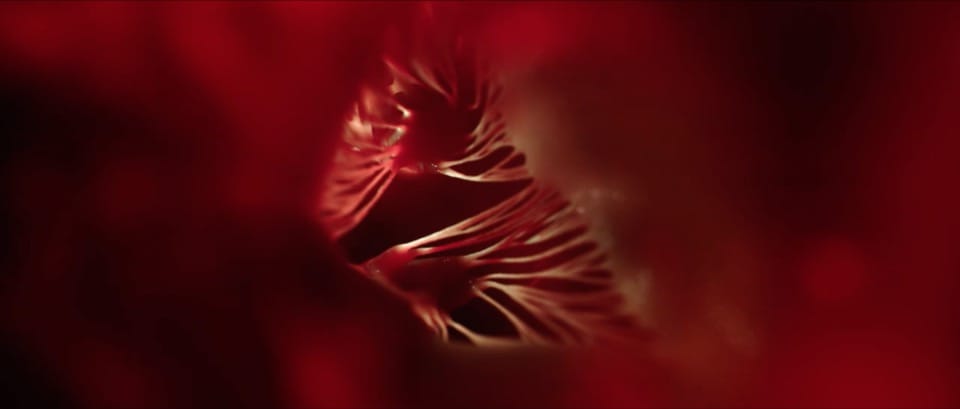
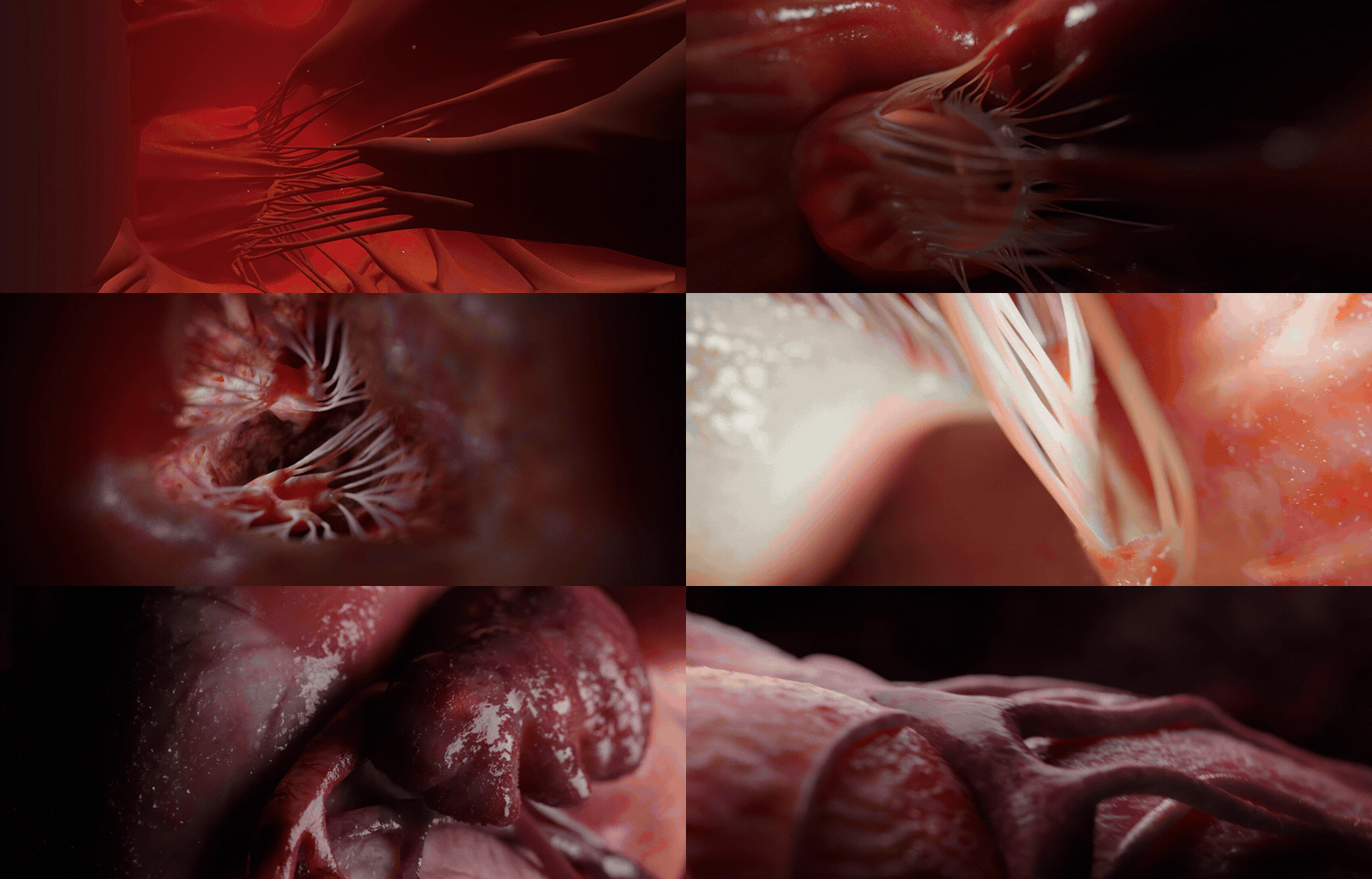
Given the medical division at Glassworks, Heartworks, owns the best (by far) hear model in the planet and given it's truly anatomically correct both in structure and motion as it is used to train anaesthetists we were confident we could bring something truly meaningful to the project in the form of visualisation, knowledge for the prop makers and for the intricate shots inside the heart that simply can't replicate in real life as it is too complex.
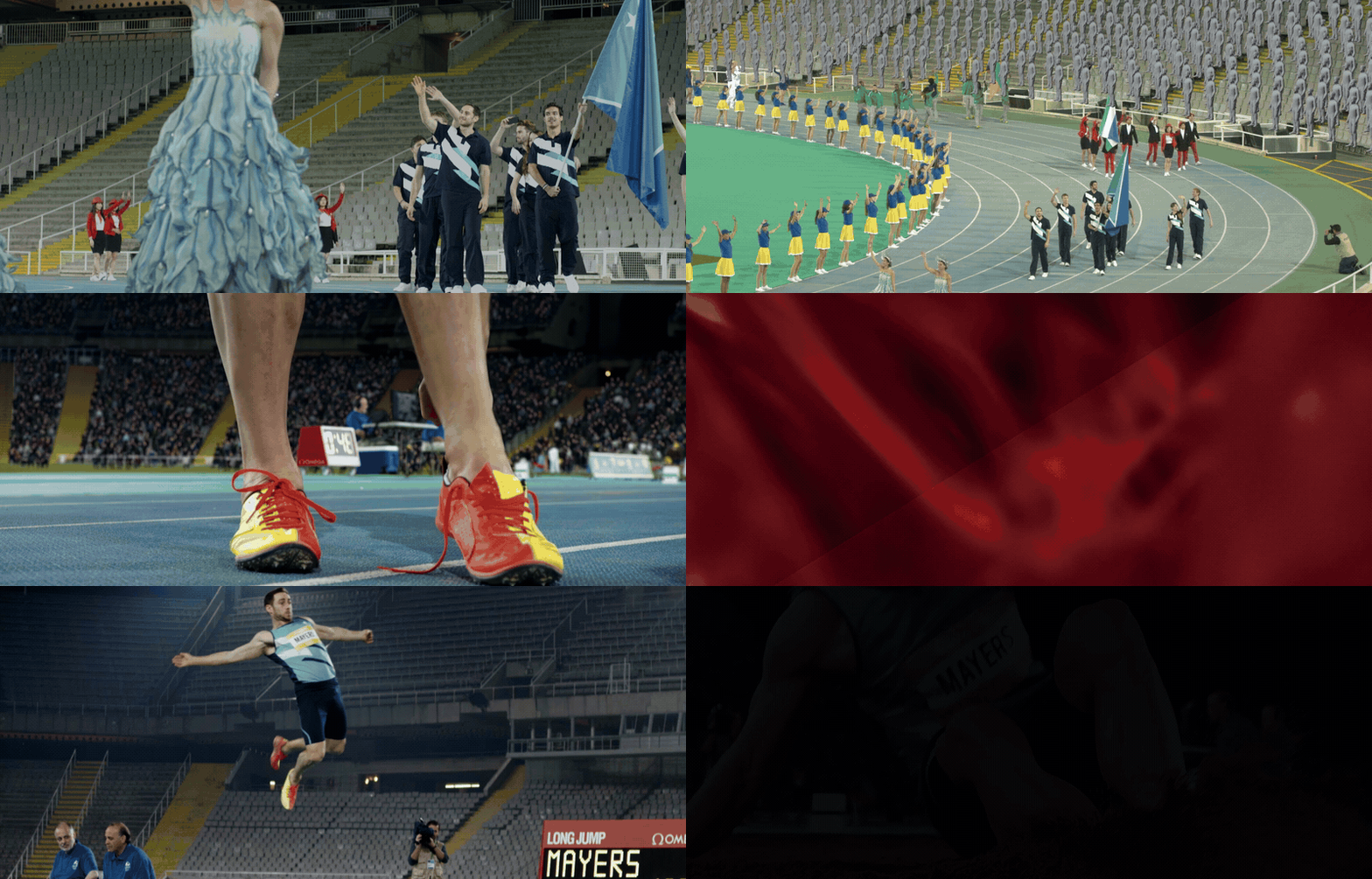
The project's VFX were envisioned to have some crowd extensions and obviously the interior of the heart, but at the core, Juan wanted to do as much as possible in camera, and we embarked with the team at MJZ in supporting the model making.
From the start, we used the Heartworks asset and refined the details in Zbrush and Mari to bring the textures used in the real-time training system developed by Heartworks to film-level quality, resulting in multiple maps at 8K that would, once combined, give us the necessary 12K or more we needed to bring all the detail to screen in such macro-level shots.
The pre-visualisation of these shots allowed the director and editing company to work in the edit in a very accurate way, as they really had a simplified yet perfect animation that provided the perfect blueprint for the approval process.
Crowds
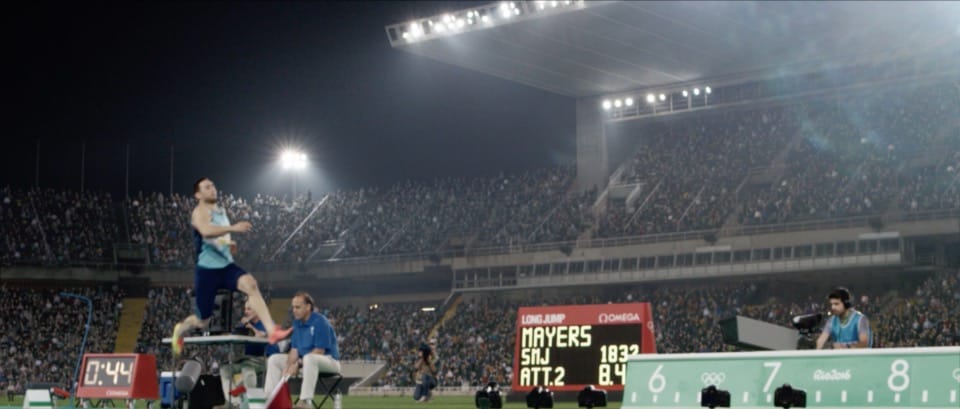
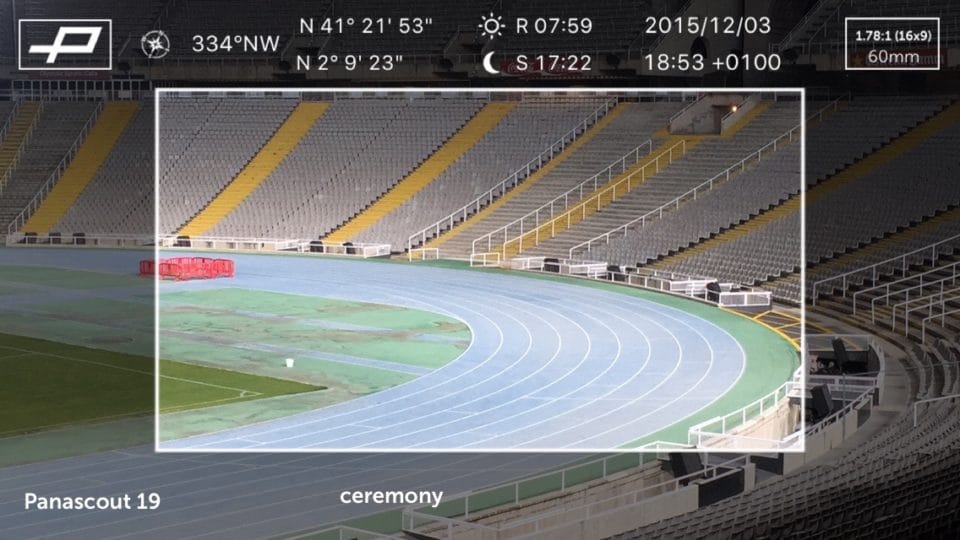
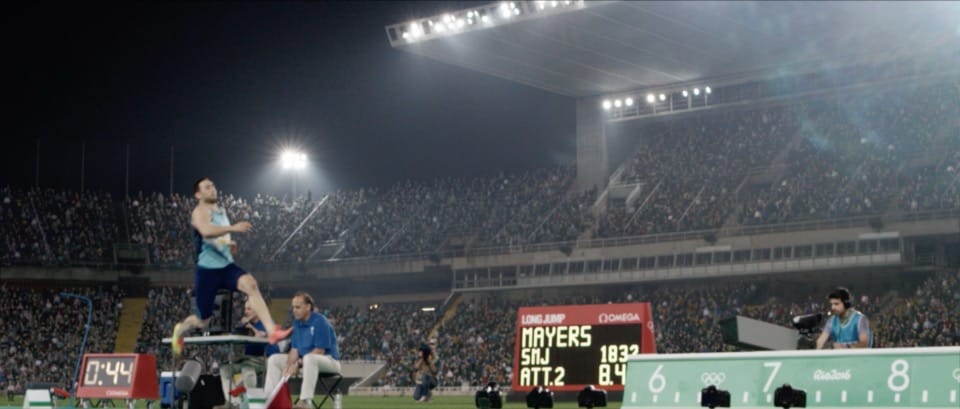
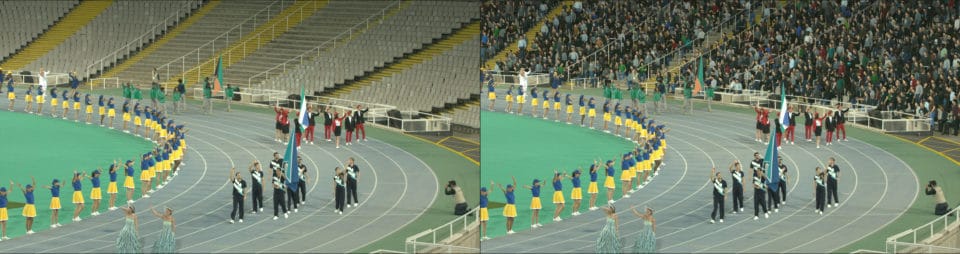
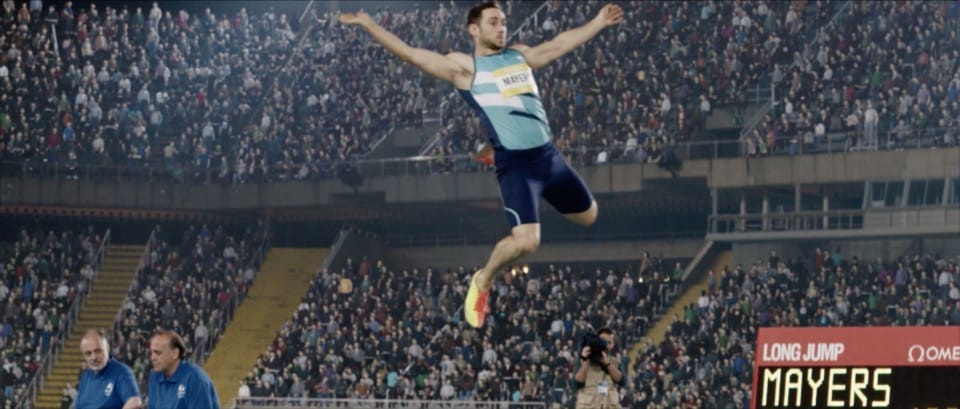
During the shoot, a typical gathering of data allowed us to reconstruct the stadium to a very accurate level, so we could place the agents that were done from scratch on the back of Houdini's new crowd system.
Tracking of the stadium shots was pretty straightforward apart from one particular shot that was very long, and that we knew Juan would be tweaking the edit once the crowd was in place. For this reason, we tracked it completely and made sure he had the necessary freedom if required.
Given that the shots got more complicated due to the camera positioning, we had to up our game on the agent modelling and redid the original Houdini agent models, textures, and also brains, so we could hold much closer shots that led to building a comprehensive system with a truly detailed model. In this particular project, we were using at some point 250K polygon agents, although afterwards we started to optimise them down to 50K polygons with 4K textures and normal maps.
,
The number of textures created was crazy to avoid patterns appearing, and we ended up with 200 t-shirts, 180 shirts, 130 sweatshirts, 90 jeans, 90 trousers, 50 chinos and a huge number of permutations of shoes, hair, etc; ultimately, there was not a single repetition in the stadium, which was our goal.
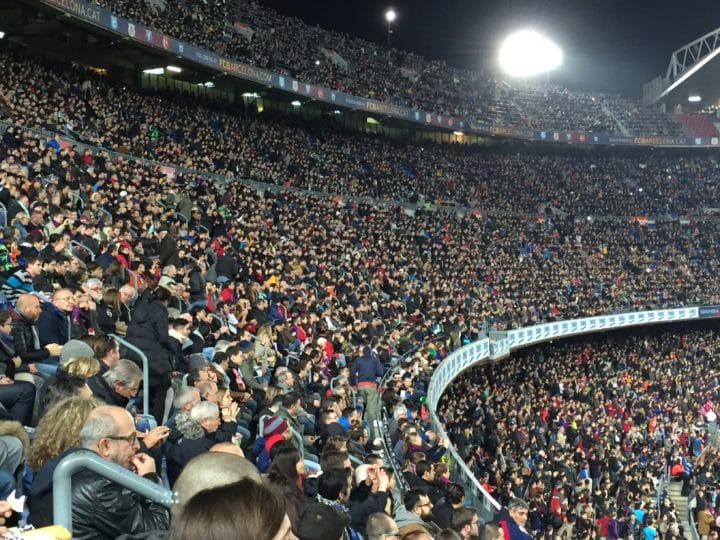
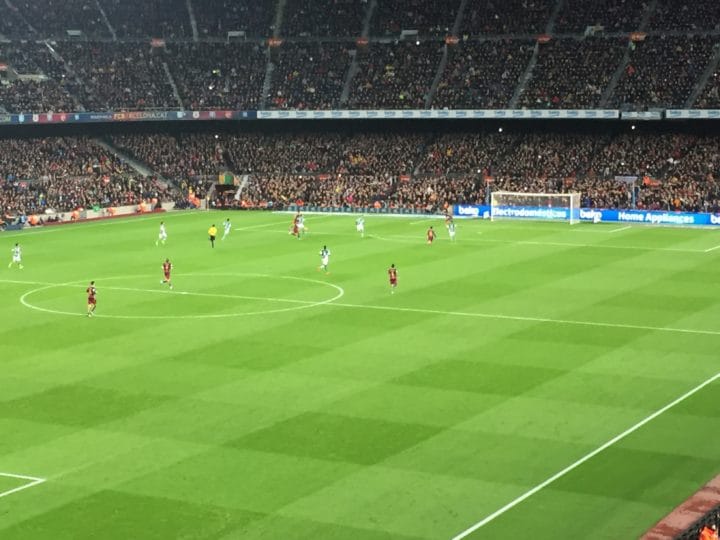
Regarding the animation Juan was very clear he wanted a realistic crowd rather than an over the top crowd (flags, cheering like mad, dancing, etc..) he really wanted something credible so I took the opportunity to go to a football match during my Christmas holidays and too references with my iPhone to understand better what really was required keeping in mind, the olympic crowds will not be partisan or supporting a team in a clear way but rather plain spectators so we focused on some parts of the stadium that tend to be subdued.
Crowd Generation
Andy Nicholas, who was in charge of the crowd shots, did a fabulous job constructing a system and hacking the Houdini crowd tools to do way more than they do out of the box in this first iteration and it is fair to say the project could not have been done to the same standard without him.
The Heart
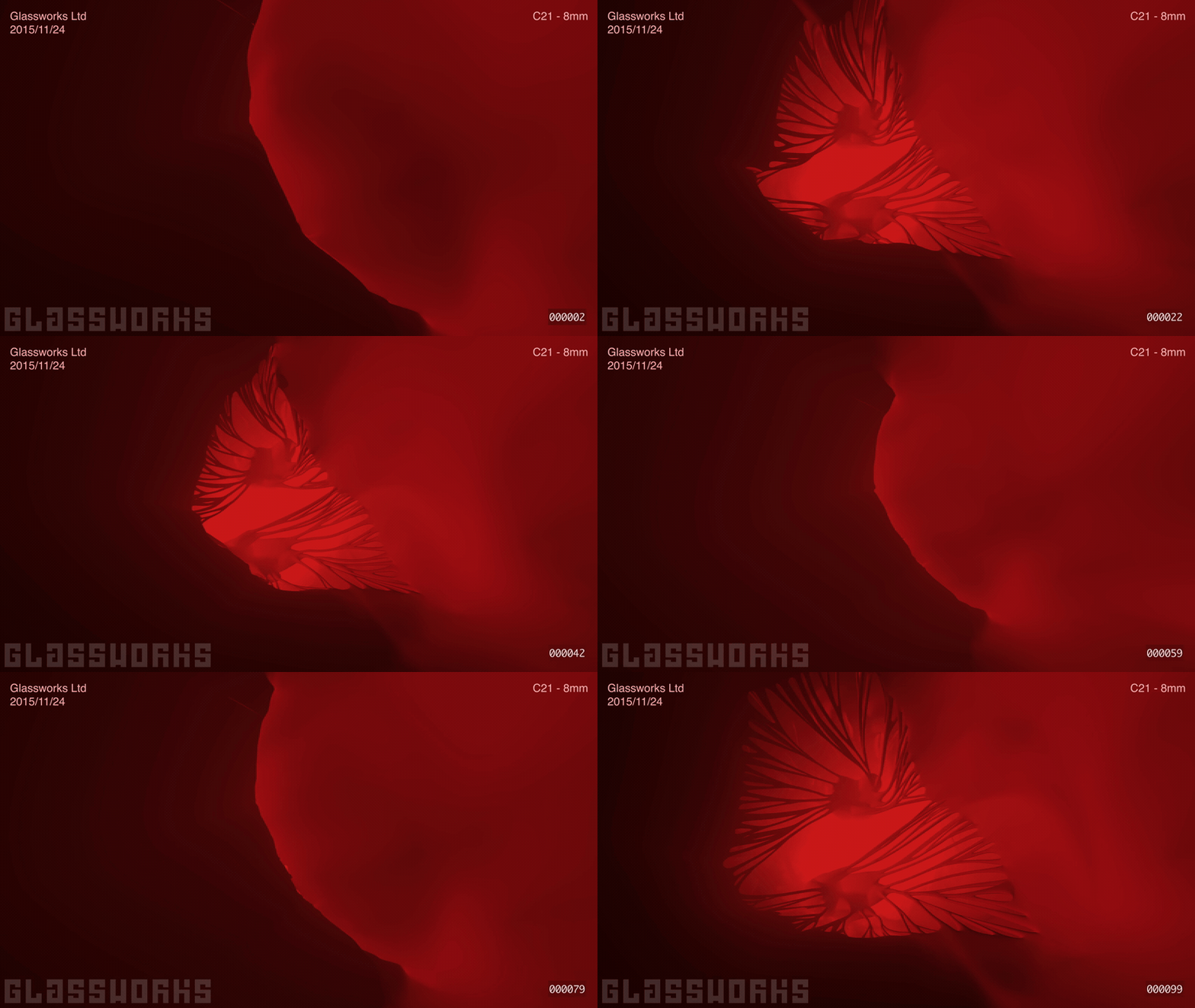
At the same time, the team worked his way on all things heart and produced some of the most beautiful renders of the interior of the heart that we had to address several times to find the perfect balance between what was shot and its style and the CG and its style. A very difficult balance, as it had to feel unified.
During the look development process and all its iterations, the goal was to establish an endoscopic lighting effect, and a continuous refinement of textures and sub-surface shaders was critical. Once again, Julian produced gorgeous renders, which made the project very easy to supervise.
From the point of view of the edit, and given that we provided very detailed pre-visualisation shots, it barely changed, which allowed us to finesse the shots and put all the effort to make sure these worked perfectly.
Compositing was in charge of Duncan Horn, who once again outdid himself, adding so many details and finesse that the project left the building finished, which is something rare nowadays.
One thing I am very proud of is that it was a seamless execution from a first-class team, and I want to thank every individual for their extraordinary commitment and resolve.
The link has been copied!
Your link has expired. Please request a new one.
Your link has expired. Please request a new one.
Your link has expired. Please request a new one.
Great! You've successfully signed up.
Great! You've successfully signed up.
Welcome back! You've successfully signed in.
Success! You now have access to additional content.